

How to decorate a small apartment feels complicated when space is full, storage runs out, and every new piece only crowds things in tighter. It’s even tougher if you’re renting, where you can’t paint or build shelves, and the limits of your lease shape every daily decision.
This guide lays out clear steps: you’ll figure out what to keep visible, what to change, and what to move or remove—so each item has a real use and the room feels bigger right now. This works especially well in a small living room when bulky furniture blocks light because swapping a heavy sofa for a lighter one opens up sight lines and walking space.
The short version: The core of how to decorate a small apartment is to choose two or three calm surfaces, stick to fewer visible items, and group by texture or purpose so nothing floats on its own. Small shifts in placement and material create more floor, more peace, and a better daily view.

Where this works best
Small living rooms, open studios, and bedrooms with little floor space feel more open and easier to live in when heavy items are swapped for light ones and surfaces are kept mostly clear.
Small apartments with combined living-and-dining areas often feel boxed in by lots of furniture in a tight footprint. In a space like this, even a second side table or bookcase can start to block walking paths or take over the view in a way that makes the room feel uneven and visually crowded.
For renters, rules usually won’t allow painting walls or making holes for shelves. This is where movable pieces make a difference—like a low, open bench against a wall or a floating rug that draws boundaries in a multipurpose area. These choices help organize the space without leaving marks if you need to rearrange.
Avoid mixing too many contrasting shapes or finishes in one room. A glossy, angular coffee table next to a soft, rounded chair breaks up the look more than most expect. When each object pulls your eye in a different direction, the area feels smaller. Choosing two shapes and one main finish keeps the room easier to read and sit in.
In practice, a single low armchair and a simple side table can shift a small rental from feeling cramped to calm in an afternoon.
What makes a rental-friendly layout work?
A good rental layout uses fewer, lighter pieces spaced apart so you can see most of the floor and let light pass through. Grouping items by function prevents awkward gaps or piles.
In rental homes, furniture that’s easy to move is usually better—think a small, low-profile sofa or a chair with skinny legs that doesn’t block air or light. Bulky armoires do little in a tiny room except take over the view. Swapping for open-sided shelves or a basket under a bench frees up corners and makes everything easier to clean, too.
Most renters hesitate to buy anything new if they think they might move again soon. But pieces made from lighter materials like cotton slipcovers, cane, or laminated wood usually work in more than one spot and can be placed differently in the next apartment. One suspended lamp (with no drilling) or a plug-in sconce, for example, can bring light into a corner where overhead bulbs cast too many shadows.
Putting too many chairs, storage bins, or small tables into a slim room makes it feel heavy, while using a single larger rug and one main seating piece reads calmer and more open. A single framed print on the wall, instead of a crowded photo gallery, is easier to move and leaves the room looking less busy.
Try placing a small cotton-covered armchair with a woven basket next to it along a blank wall to see the effect.
How do you use texture to add interest without clutter?
A plain cotton throw or one textured basket creates a focal point and softens sharp angles, making a room feel cosier without adding objects everywhere.
Lots of renters collect small decor items—vases, candles, or books—that quickly take over every surface. Unlike layers of shiny or patterned objects, natural textures like jute, linen, or a soft boucle cushion are quieter. They pull the eye but don’t shout for attention, and they also catch sunlight differently, breaking up glare in rooms with big windows.
One proven trick: group two pieces with similar textures, like a woven basket and a cotton runner, on a single table or shelf. The space looks more complete and less busy. A plain plant pot, for example, looks softer if filled with a trailing plant, as it balances hard edges with something leafy.
Too many different surfaces—like glass, metal, brightly glazed ceramics, and shiny plastics—start to bounce light and compete visually. All together, these grab attention in separate directions and make rooms feel loud. A woven shade or unbleached fabric on the sofa, by contrast, makes the rest of the items settle back.
A good jute basket usually runs around $25–$40, and it warms up cold laminate or tile floors while holding clutter.
Why simple colour schemes change small rooms
Plain, neutral colours make small apartments feel more open by letting walls and furniture read as one calm backdrop instead of a patchwork of bold surfaces.
In a small room, strong or very different colours break up the sight lines and stop your eyes as you scan the space. When everything is a different hue, the area looks busier and more broken up. Sticking to one base colour—warm white, pale grey, or soft beige—lets even mismatched pieces feel like they belong together.
Most designers recommend drawing shades from the same family, not mixing cool blues with strong yellow accents. Neutral tones have another benefit: they work across rooms and move with you, so less gets wasted between homes. According to the science of colour, lighter colours reflect more light, which can make a small space feel bigger and less cramped during daylight hours.
Unlike a living room with four bold pillows and three different rug patterns, repeating the same neutral on the sofa and the main chair blends objects into the wall and makes floor areas look larger. This matters especially in open plan spaces where the eye needs something calm to land on.
Try swapping out a bright table runner or coloured art print for something in the same palette as your curtains or rug.

Styling and placement
Group similar items close together, leave the rest of the surface clear, and pick one anchor piece for each main area to keep a room from reading as scattered or incomplete.
Most busy small rooms share one problem: scattered objects and mismatched scales. A single big armchair or table at one end and tiny accessories at the other make every corner feel separate, and nothing feels anchored. Instead, arranging a main chair or basket near the centre of the sight line, with just one or two supporting pieces, helps everything read as a group.
On shelves or surfaces, placing items in small clusters—like two bowls beside a closed book—gives the eye a break along clear stretches. If books are mixed face-out and spine-out across the room, the look gets chaotic, but stacking just three together (all one way) calms the rhythm of what sits on show.
Furniture placement matters. A rug that tucks under just the front feet of your sofa, but not fully underneath, ties pieces together. Too many floating mats or rugs in one space look busy, while one main piece defines the area better, acting as a quiet base. The same goes for lighting—one soft lamp does more for a corner than three bright bulbs.
Quick calm checklist:
- Limit visible materials to two main textures (cotton, wood, or jute).
- Keep the centre of the floor and main surfaces at least half clear.
- Repeat one neutral colour on your main seating and window dressing.
- Cluster—don’t scatter—decorative objects, with a single anchor item per surface.
- Let at least one item touch the wall or edge of the space for order.
Try centring a cotton armchair beside an open basket on a pale rug to anchor the layout and leave entrances open.
How can you make cosiness without extra bulk?
A soft throw, a low side lamp, or a single deep-cushion seat adds comfort and warmth without filling the room with more furniture or heavy padding.
In small rooms, bulky sofas and lots of pillows quickly overcrowd floor space and make the air feel dense. Instead of stacking up layers, try one weighty piece, like the Otas Teddy Cotton Armchair – Off White, and pair with a loose-knit throw or thin, cotton-blend blanket. The seat gives support, while the fabric catches light in a soft, inviting way.
Extra lighting changes how cosy a small room feels, too. Rather than installing overhead fixtures (which are usually off-limits for renters), place a plug-in table lamp with a fabric shade on a shelf or bench. It creates a warmer zone in the evening and draws focus to a single corner instead of the whole room.
Overfilled rooms with too many comfort items—like three big poufs, layered rugs, or mounds of cushions—leave no open area for walking or changing position. One focused zone for relaxing will actually get more use day-to-day. This keeps cleaning simple and lets anyone sitting down feel like the area is made for resting, not storage.
Try setting up a corner chair with a soft throw and lamp beside it on a small table instead of spreading out pillows or blankets across all your furniture.
What small finishes look expensive but don’t cost much?
A plain linen curtain, a ceramic tray, or a single matte lamp base gives a room an upgraded look without needing a full makeover or big spend.
Rental apartments often come with basic fixtures—plastic switch plates, bland curtains, and flat shelves. Simple swaps, like replacing a plain curtain with a linen one, make window areas feel softer and catch more natural light. Real linen not only looks good but wears well over time, according to this resource on linen.
Other details that look high-end: a ceramic bowl or tray on a coffee table, a matte-finish lamp, or a single brass pull on a cabinet. Most of these upgrades can be picked up at neighborhood stores for under $40, and they stand up to daily wear better than lightweight plastic pieces. If you move, they come with you—and aren’t tied to the apartment’s built-in finishes.
Rental kitchens or bathrooms with cheap, glossy hardware or bright-coloured towels look busier and less put together. A single set of neutral towels or natural-fibre bath mat helps the space read as simple and built with more care, even when nothing permanent changes.
Hang linen curtains at the very top of the window (using tension rods or removable hooks if you can’t drill) to make ceilings look higher and light feel softer.
What tends to hold up with small-space decorating
Looking across many rooms, two things stand out: open floors and repeated textures last, while stacks of small accents date fast. Most reviewers say they regret buying extra storage cubes or tiny wall shelves that pile up clutter but rarely free up space. Larger, simple pieces in muted finishes tend to move well from rental to rental and work in more ways.
Cotton and linen are quieter visually than plastic or glass and rarely look out of place. Matte lamp finishes and low baskets get recommended for low-light corners because they stay looking clean and don’t pick up as much glare or dust as glossy items do. Grouping by texture or colour is a calm shortcut most renters find reliable.
— Mara, Loom & Glow
Common questions
What makes a rental-friendly layout work in a small apartment?
A good rental layout uses fewer, lighter pieces spaced apart so you can see most of the floor and let light pass through. Grouping items by function prevents awkward gaps or piles.
How can texture add interest to a small apartment without adding clutter?
A plain cotton throw or one textured basket creates a focal point and softens sharp angles, making a room feel cosier without adding objects everywhere. Unlike layers of shiny or patterned objects, natural textures like jute, linen, or a soft boucle cushion are quieter.
Why do simple colour schemes work better in small rooms?
Plain, neutral colours make small apartments feel more open by letting walls and furniture read as one calm backdrop instead of a patchwork of bold surfaces. Sticking to one base colour-warm white, pale grey, or soft beige-lets even mismatched pieces feel like they belong together.
What furniture pieces should I avoid in a small apartment?
Bulky armoires do little in a tiny room except take over the view. Swapping for open-sided shelves or a basket under a bench frees up corners and makes everything easier to clean, too.
Explore more calm combinations inside our Shop The Look .
Shop the Look
Smart pieces that give a small space calm and function without bulk.
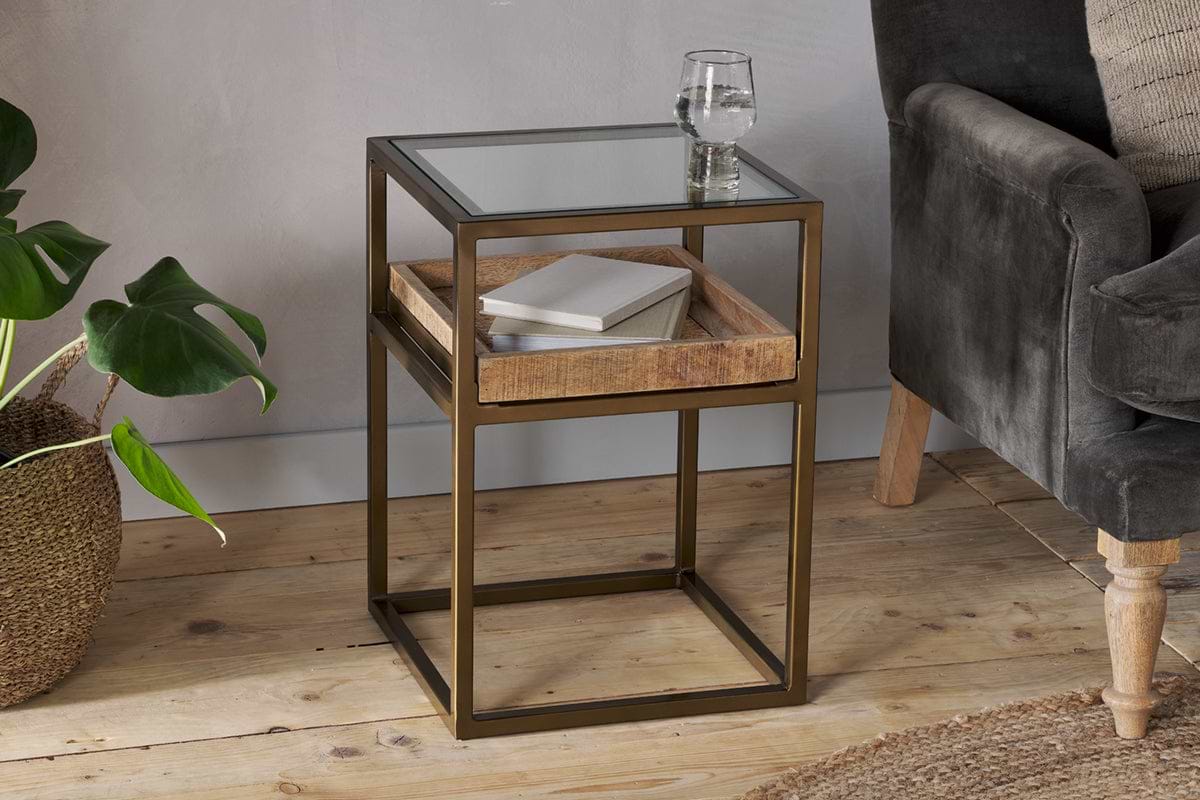
Luzon Side Table
Iron and mango wood with display shelf — small footprint, double function.
View at Nkuku →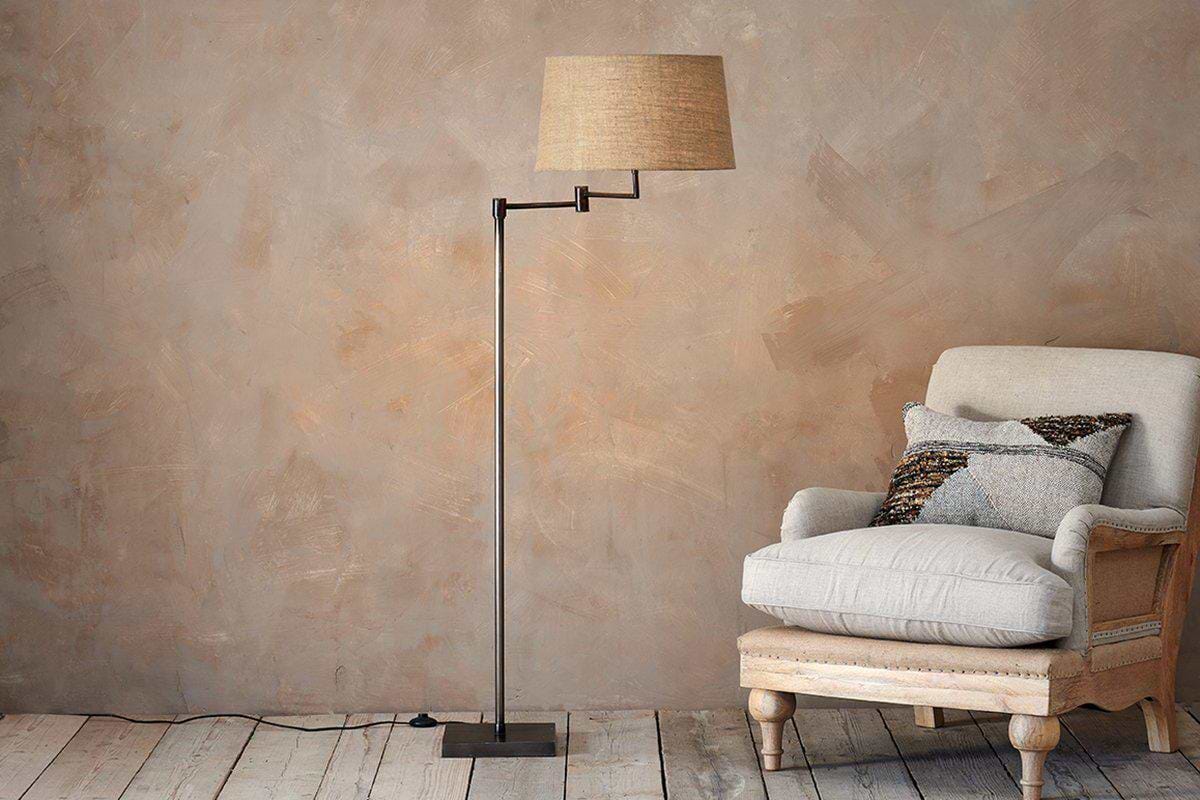
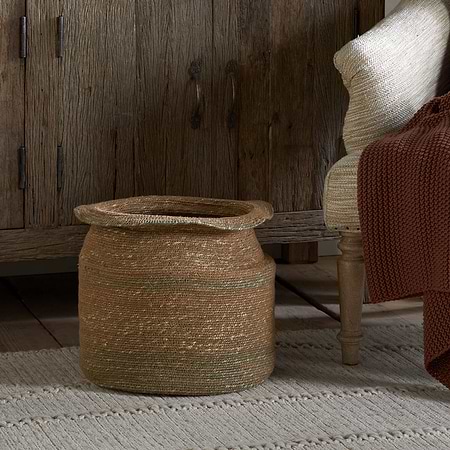
Some links above are affiliate links. If you buy through them we may earn a small commission at no extra cost to you. We only suggest pieces we think fit a calm, lived-in home.
Free guide
The Calm Shelf
12 styling ideas to help you compose calm, balanced shelves in natural texture homes.