

Many homes struggle with cluttered rooms where different textures compete for attention. A shared living room stacked with mismatched materials can easily overwhelm a space.
This guide shows how to create order by layering natural textures. This works especially well in a living room when natural light is limited because it brings warmth without visual clutter.
The short version: Start by choosing one focal texture and build a clear hierarchy with natural elements. This method brings a calm, balanced feel that keeps visual noise at bay.

How do I balance textures in a shared living room?
A thoughtful mix of jute, linen, and wood creates a steady look. Balancing textures means letting one element lead while others play a supporting role.
In a busy living room with high foot traffic and multiple seating areas, unexpected clutter can occur when each piece fights for attention. Homeowners often face the challenge of placing a heavy wooden coffee table beside a delicate linen sofa. Using one dominant texture, like a textured jute rug, clarifies the visual focus. A careful balance ensures each material complements the others.
In one living room, a natural basket placed on a side table added grounding without overwhelming the space. A clear hierarchy works because a defined center prevents chaotic layering. A bare shelf reads colder than one with a single woven basket. This contrast reminds us that too many competing textures diminish each material’s quality.
A room that uses a small jute basket as an anchor shows a thoughtful design choice. A good jute basket usually runs about $20–$40 and signals the intended order. Using a link to small-space decorating principles reinforces the technique.
What makes a narrow hallway feel inviting?
Narrow hallways need soft textures and light colors to add warmth. A mix of natural fibers and wood tones can expand the feel of the space.
A narrow hallway can feel cramped when hard surfaces dominate. Homeowners might feel overwhelmed by cold walls and a dense floor. Infusing natural home decor elements, such as a slim, woven runner, brightens the corridor. The soft textures help distribute light evenly.
The strategy works because adding a gentle contrast softens the area without sacrificing function. When a hallway welcomes a light-colored runner next to rich wood paneling, the textures pull the space together. A bare wall next to multiple items reads finer than one with a single piece of art.
Using thoughtful design in such an area works when each item is chosen with care. Carefully selected details like a runner or wall hanging can change a tight space dramatically. A reference to how color works shows that subtle hue shifts can expand small spaces.
How can earthy home decor create a relaxed vibe?
A simple base of earthy home decor sets a relaxed tone. Layering muted, natural colors with textured materials creates a space that feels grounded.
A living room with dull beige walls paired with a mix of rattan and linen often feels disconnected. Homeowners notice that when the textures blend, the room feels more unified. Earthy home decor works best when one focal material, like a smooth wooden coffee table, anchors other choices. In rooms with mixed materials, each natural component serves its own purpose.
The approach works because a defined texture order prevents conflicting visuals. For example, a linen curtain effortlessly softens a room dominated by hard edges. A rough rattan chair next to a sleek metal lamp illustrates a natural balance. Light patterns on jute cushions add nuance without overwhelming the calm base.
The method is evident in spaces that feel “off” when every element competes for attention. A clear design decision to use a signature texture minimizes clutter. A homeowner might realize one evening that the mix of fabrics makes the room feel heavy. This moment signals the need to simplify the layering by choosing one dominant texture as a guide.
At that decision moment, the clutter becomes obvious: moving textures blend too uniformly, leaving the space uninviting. The practical shift comes by selecting a focal element and pairing it with subtler items, reducing the overall chaotic feeling. This design decision helps the space breathe.
Often, homeowners stack too many materials without planning, resulting in a room that feels busy and unlived in. A cluttered mix can make a space feel heavy and off-balance. When a living room begins to feel crowded, it’s usually the unorganized layering of fabrics that causes the disturbance.
When the layering loses its focus, the room seems disjointed. A clear texture hierarchy not only defines space but also sets a calm tone. Consolidating the look brings inherent order.
A focused texture approach makes everyday routines smoother and reduces visual overload. When you reduce competition among materials, the room naturally feels lighter.
Save this idea for later.
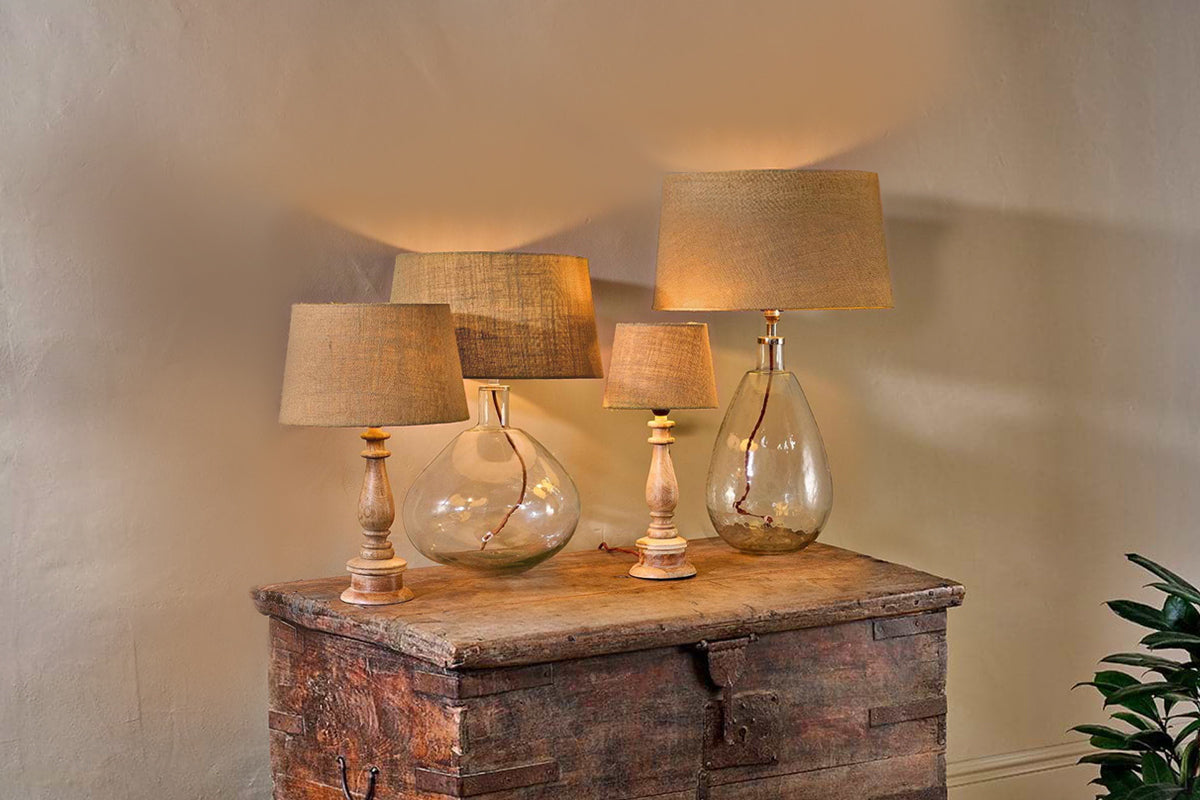
Dia Jute Lampshade – Natural
adds quiet structure and warmth while keeping the room balanced.
Where this works best
Natural textures work best in spaces that require clear organization. They best serve areas where design balances practical use with visual calm.
Spaces like dining rooms or small offices benefit from a layered approach using natural textures. Homeowners with limited storage appreciate a setup that avoids overwhelming glances. In an area that sees high use, clear texture choices guide the eye effectively. This method is especially useful where surfaces need to feel both warm and functional.
A practical example is a dining area featuring a wooden table with a woven placemat. One might notice that a careful pairing minimizes clutter and adds interest. Avoid placing too many competing items close together, as that often makes a space feel chaotic.
Proper layering works because a well-defined focus can channel a space’s energy. When casual design meets organized detail, distractions are minimized. A natural contrast comes into play when a rough-hewn bench is juxtaposed with a smooth tabletop, signaling clear boundaries.

Styling and placement
Styling and placement guide natural textures into clear roles. Arranging pieces with a visible order ensures each texture contributes to a calm visual flow.
A living space can be styled by positioning a woven basket beside a wooden console. Regular daily use shows that each piece must have its own place to prevent clutter. Homeowners report that clear placement makes a room feel organized. A methodical arrangement makes the textures work in concert.
When placing items, a good rule is to keep one area uncluttered. A defined placement method works because it prevents competing visual signals. A clear focal point, such as a statement wooden shelf, stops the eye from wandering. A bare wall with one art piece reads warmer than one crammed with photos.
Quick calm checklist:
- Use natural fibers against smooth surfaces.
- Ensure items have breathing space and intentional gaps.
- Limit your palette to subtle, muted hues.
Each piece finds its role when styled with care. Thoughtful arrangement keeps the focus on textures that enhance rather than compete. This organized placement turns everyday decor into a serene backdrop.
How to prevent visual chaos with natural textures?
Prevent disorder by selecting a clear focal point among natural textures. By anchoring with one primary element, clutter is minimized and each material gains clarity.
A room cluttered with various textiles can feel heavy and confusing. Homeowners often struggle when too many patterns and materials overlap without a guiding element. A clear focus, such as a textured wooden console, helps each item settle into its role. This approach brings order to spaces that otherwise seem busy.
The process works because a standout piece stops the eye from jumping around. When a sleek jute lamp is introduced, the arrangement feels more calculated. A rough woven throw contrasts gently with a smoother fabric, preventing the room from looking too busy.
Materials with natural fibers, like a refined jute lamp similar in texture to the Dia Jute Lampshade – Natural, illustrate how subtle details can anchor a space. This alignment of textures not only looks intentional but streamlines the space for daily use. A dominant element in these settings adds clarity and warms the overall design.
What are the key natural material home decor choices?
The key choices include materials like wood, jute, and linen that carry their own texture. Each material naturally fits a specific role when layered with care.
A well-planned decor setup prioritizes a blend of materials that play off each other in a balanced way. Homeowners often start with a base like soft linen curtains paired with sturdy wooden furniture. The selection of these materials works because each has a distinct texture that supports the others. Mixing a coarse jute rug with finer fabrics provides a structured yet inviting space.
A concrete choice like a wooden side table contrasts with a woven basket to show variety without disarray. Using textures in distinct roles helps avoid a crowded look. A single rough texture against a mostly smooth background creates a clear, measurable balance in the decor.
Choosing these natural decor elements ensures that every piece stands out while harmonizing with the whole. The overall scheme brings a grounded feel that is both inviting and tasteful. In a setting where each element speaks clearly, the room appears intentional and thoughtfully composed.
What tends to hold up with natural textures in home design
Reviewers consistently note that natural textures in home design can overwhelm a space if there is no clear focus. A common observation is that when too many competing materials share the same role, the balance is lost and the room feels heavy.
Over time, a well-selected focal piece offers the structure needed for calming, organic layering. Observations across many homes suggest that pared-down placements using one dominant texture keep visual noise in check.
— Mara, Loom & Glow
Common questions
How do I balance different textures in a shared living room?
A thoughtful mix of jute, linen, and wood creates a steady look. Using one dominant texture, like a textured jute rug, clarifies the visual focus.
What makes a narrow hallway feel inviting with earthy decor?
Narrow hallways need soft textures and light colours to add warmth. A mix of natural fibres and wood tones can expand the feel of the space.
Why does earthy home decor help create a relaxed atmosphere?
A simple base of earthy home decor sets a relaxed tone. Layering muted, natural colours with textured materials creates a space that feels grounded.
Explore more calm combinations inside our Shop The Look .
Shop the Look
Pieces in natural wood and soft glass that anchor an earthy, grounded home.
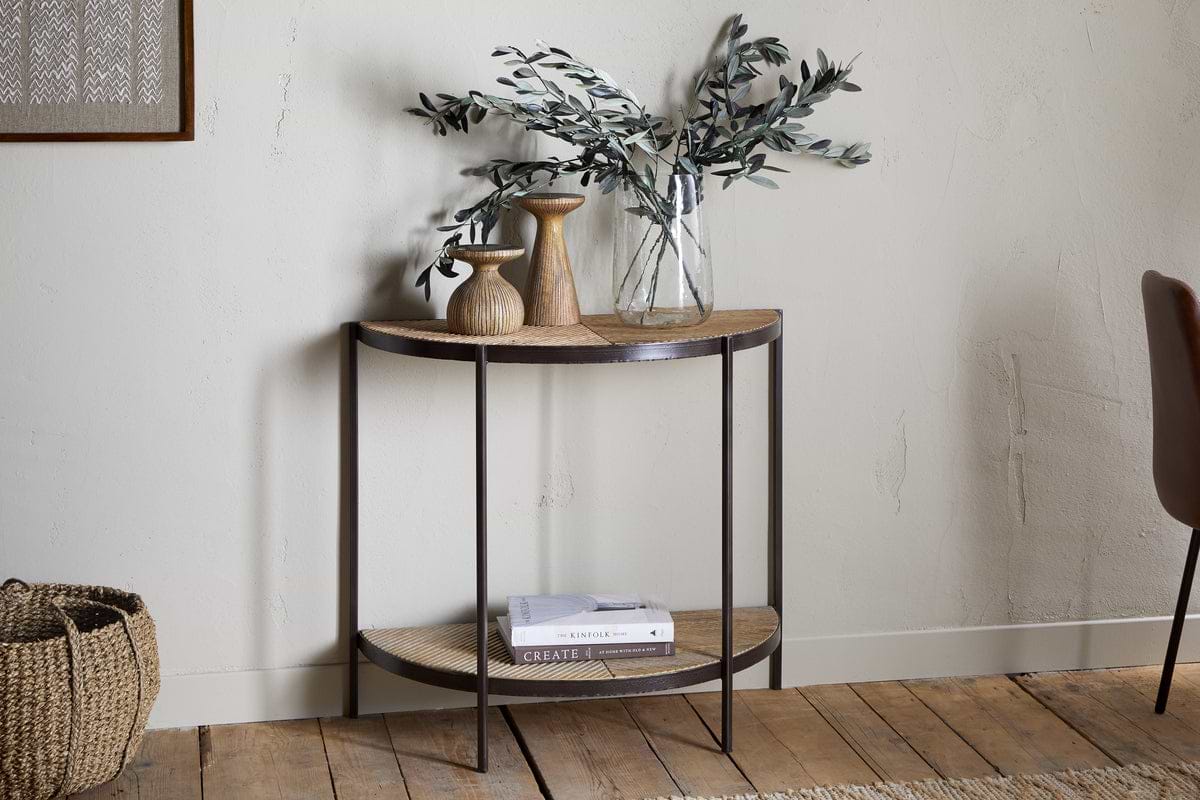
Aasha Console Table
Half-moon silhouette in mango wood; anchors entryways and narrow walls.
View at Nkuku →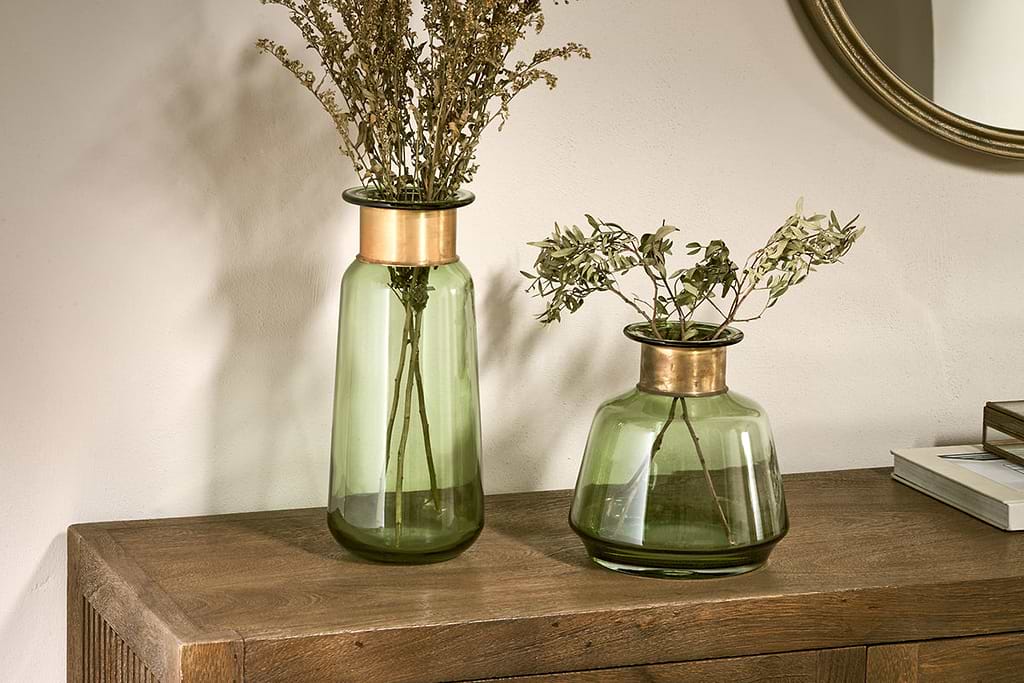
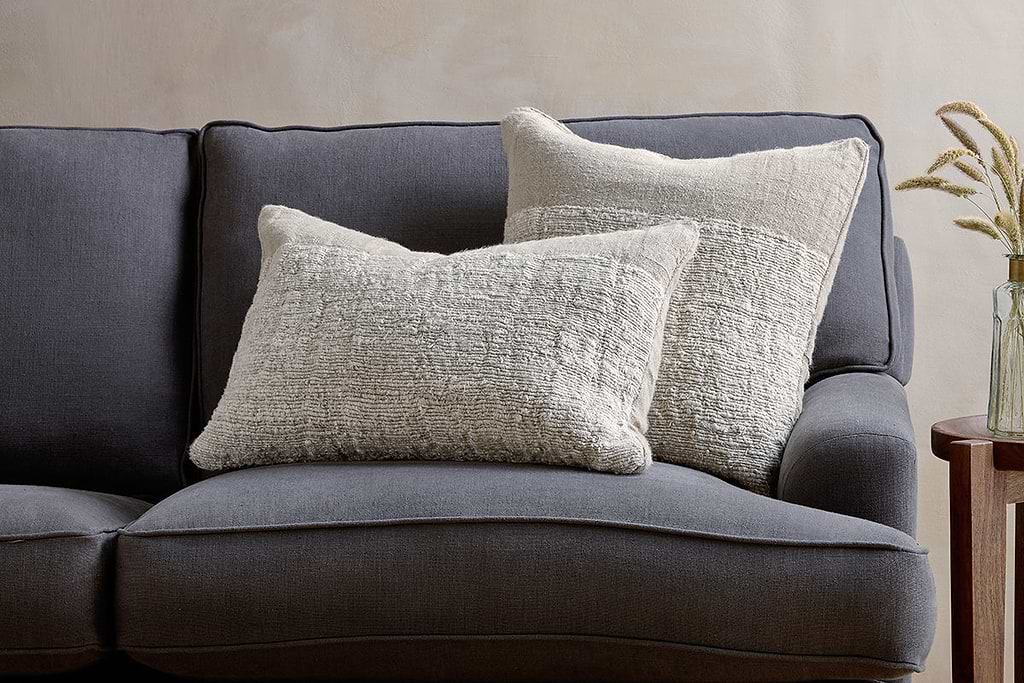
Puli Linen Cushion
Recycled linen in natural — pairs with woven textures and aged wood.
View at Nkuku →Some links above are affiliate links. If you buy through them we may earn a small commission at no extra cost to you. We only suggest pieces we think fit a calm, lived-in home.
Free guide
The Calm Leaf
12 quiet ways to bring dried botanicals, stems, and natural textures into calm spaces.