

In many homes, clutter and mismatched decor make it hard to find a calm spot. A common issue is a room filled with natural materials that feel busy instead of balanced.
This works especially well in a living room when space is limited because a clear hierarchy highlights each piece’s natural character. Today you will learn how to choose one focal point and layer jute, linen, rattan, and wood in a way that feels relaxed and cohesive.
The short version: Use a clear focal point and limit accents with natural textures to create order. A simple shift in how you layer materials can turn busy spaces into calm, inviting rooms.

How do you layer jute and wood without chaos?
Anchor heavy wood elements with soft jute accents to bring order. This method balances visual weight and organizes natural textures simply.
In a modest living room, a wooden coffee table paired with a jute rug lends both structure and tactility. The jute rug softens the hardwood floor, creating a welcoming feel. Homeowners often set aside a corner with a small jute basket to store loose items. A bare shelf reads colder than one with a single woven basket.
On a practical level, a good jute basket typically runs about twenty to forty dollars, making it an accessible accent. This works because the contrast between the heavy wood and the supple jute shifts the visual interest naturally. Mixing textures in areas with ample light brings out the grain in wood and the roughness of jute. Many find that pairing these elements in a living room counterbalances busy decor in a rental-friendly space.
In spaces where natural materials feel overwhelming, integrating one large wooden element can ground the room. The use of natural material home decor in these circumstances creates a trend towards balance by providing a clear visual anchor. When paired with a soft jute piece, the space becomes more inviting. The reason is that the weight of the wood draws the eye away from potential clutter, as how color works in design principles suggests.
What natural home decor difference does texture bring?
Texture adds depth by softening lines and mixing surfaces. It differentiates hard edges from softer fabric touches, creating a layered yet comfortable look.
In a bright bedroom, a linen curtain paired with a rattan chair can redefine the space’s feel. The combination of soft fabric and natural fiber provides a tactile contrast that is both visually and physically pleasing. Homeowners observe that the life of the materials increases when placed together harmoniously. A plain wall reads starker than one accented with a soft linen throw.
Many decor guides note that mixing textures is effective because varied surfaces help break up monotony in a room. This works because the eye is guided by subtle differences, allowing each material its moment without overwhelming the viewer. A typical linen curtain, as explained on linen, develops a rich patina over time that adds warmth. In practice, adding a soft, tactile element near a hard, angular table creates a balanced setting that feels both natural and intentional.
Utilizing woven home decor elements, such as a rattan basket or jute cushion, can calm a room by mitigating the impact of unruly textures. The interplay of the tactile detail with hard surfaces creates a relaxed atmosphere. When textures are layered, the room finds its rhythm by mixing both rough and smooth finishes. The effect is clear: consistent textures lead to a more personalized and connected space.
Where this works best
The placement of layered natural pieces is most effective in spaces with defined function. This approach gives every item its own area and minimizes visual noise.
In a compact kitchen with limited counter space, natural material home decor can bring warmth when arranged thoughtfully because each piece finds a clear role. A wooden cutting board paired with a small jute mat adds both utility and a subtle aesthetic pause. Homeowners often enjoy the balance achieved when materials like wood and rattan are used in measurable doses. A bare block wall reads colder than one interwoven with soft wooden shelves.
Everyday application can include placing a woven placemat next to a minimalistic wooden bowl on the dining table. The clear division of space means that a single piece anchors the layout. This works because each element is displayed in its best light, promoting simplicity and order. Incorporating feng shui principles further helps in deciding the correct placement for each feature.
Avoid mismatched textures placed randomly that create visual noise and overcrowded surfaces. When natural home decor is arranged with clear boundaries, the room becomes more inviting and easier to navigate. In practical terms, consider a small seating area where a jute throw is placed deliberately on a wooden bench. The clear hierarchy makes daily use more intuitive and comforting.
How to achieve harmonious mixed materials?
Begin with a single, dominant texture and build the decor around it. This focused layering minimizes clutter and unites varied materials under one design concept.
In a dining room setting, selecting an oversized wooden centerpiece can set the tone while smaller accent pieces in jute and linen complement the look. The use of one strong element anchors the space and defines the layout clearly. Homeowners often find that starting with a focal point clarifies the design process and guides subsequent choices. A simple contrast appears when a chair with a textured seat softens the appearance of a hard table edge.
Integrating mixed materials works because concentrated emphasis creates a natural order that the eye can follow. It is common for practical guides to emphasize using one dominant element to unify a room. When the decorative process is organized around a key piece, the surrounding accents feel less random. Elements like a well-chosen wooden bowl or a jute lamp shade contribute that subtle, tactile highlight.
Placing a jute accent piece near a wooden serving tray means each item supports the other while remaining distinct. A delicate balance is achieved because every addition is measured against the established focus. Homeowners have noted that consistent design improves functionality and calm. A superficial array of pieces, without a unifying theme, reads harsher than one with a deliberate focal point.

Does neutral home decor ideas lead to warmth?
Neutral home decor works well when paired with warm, natural textures to bring both balance and inviting softness. It creates a gentle background that makes natural accents stand out.
In a master bedroom, soft neutrals on the walls complement warm wooden frames and woven textiles on the bed. The simplicity of neutral tones allows natural textures to be the stars of the space. Many find that the calm neutrality sets the scene for a restful environment, as supported by studies on a calm bedroom environment. A stark room reads colder than one with earthy accents grouped together.
This method works because neutral palettes reveal the intricate details of natural materials like rattan chairs or linen throws. Homeowners report that a neutral base helps integrate other organic home decor details, reducing overall visual tension. The interplay of soft colors with textured fabrics makes each object feel thoughtfully placed. The shift produces a room that functions not only as a shelter but as a place of quiet contemplation.
In daily life, using neutral home decor ideas supports a flexible foundation that adapts well to seasonal changes. Walls, floors, or large furniture items in neutral shades allow for easy updates with accessories. This subtle equilibrium is a practical design decision that sustains calm while welcoming future tweaks. The process is underscored by how essential subtle contrasts are for achieving a lived-in yet organized feel.
Styling and placement
Carefully styling and placing natural elements ensures each piece contributes without overwhelming the space. Intentional location and scale bring together varying textures in a harmonious way.
In a shared living area, a small shelf can act as a stage for both a jute lamp and a handcrafted wooden bowl. Placing these items at eye level creates a clear focal point. The thorough selection of where to lay each item matters because visual balance is built over time. A bare shelf reads colder than one with a single woven basket.
Everyday decisions, such as arranging a woven rug under a simple loveseat, demonstrate that a calm design need not be complicated. Homeowners understand that small details, like the texture of a jute lampshade, can soften a room’s overall look. This works because deliberate placement allows each item to shine and avoids clashing details. A measured approach brings clearer lines and an inevitable calm to the décor.
Avoid overcrowding surfaces with too many elements that compete for attention. A thoughtful layout is essential for preserving visual clarity and ensuring each texture plays its part. In practice, a well-considered arrangement ensures that even busy areas feel curated and comfortable.
Quick calm checklist:
- Use soft, natural textures for accents
- Keep a balanced amount on surfaces
- Limit color pops to one or two shades
How can organic home decor feel intentional without clutter?
Organic home decor appears purposeful by highlighting one key element and reducing over-accessorizing. This clear focus keeps the space organized, avoiding unnecessary visual clutter.
In a dining room setting, a well-crafted wooden centerpiece can act as the main attraction while supporting organic home decor accents like a woven runner and soft rattan chairs. Each piece is chosen carefully so that no element overshadows another. Homeowners often observe that a defined focal point brings harmony to the entire room. A spartan counter reads colder than a table with an accent detail.
This method works because a clear emphasis reduces confusion in the eye, balancing heavy and light elements effectively. The design is grounded in a simple idea: less is often more when you have quality natural pieces. With a limited palette, textures such as jute and wood maintain a strong presence without excess. A focused design makes the space feel both natural and refined.
Everyday, using one signature element as an anchor simplifies decorating decisions and creates natural rhythm. The strength of organic materials comes from their inherent quality when not overused. Homeowners notice that a dining area with clear focal points often runs smoother and feels more inviting. The decision to limit clutter turns everyday spaces into calmer, more intentional areas.
At this stage, the homeowner may notice that even well-chosen materials feel out of place when they lack a clear hierarchy. A moment of pause reveals that the elements seem scattered even though each piece is of good quality.
A typical mistake is to scatter various natural textures in one room without a clear focal point, leaving the room feeling busy and heavy. Homeowners often overlook the importance of a unified layout, and this matters because a scattered decor drains the room’s quiet charm.
When refined, the space feels lighter and more inviting.
Save this idea for later.
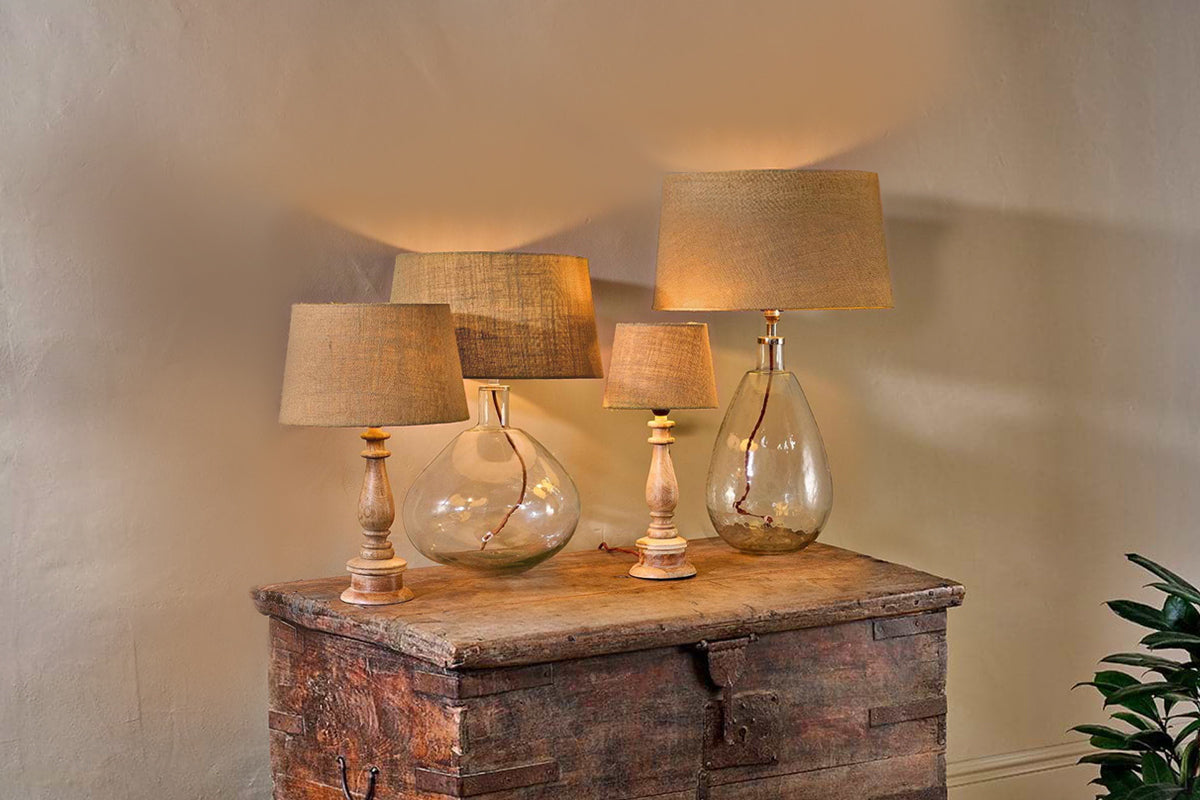
Dia Jute Lampshade – Natural
adds quiet structure and warmth while keeping the room balanced.
What tends to hold up with working with natural textures
Many designers find that working with natural textures requires a focus on subtle balance. Reviewed spaces consistently show that a single dominant material can bring coherence, and layered accents add gentle contrast.
Observations reveal that too much variation leads to an unfinished look. Often, the recommended approach is to limit the number of textures to preserve clarity and sophistication. A clear hierarchy, where one piece anchors the room, prevents the space from feeling chaotic.
— Mara, Loom & Glow
Common questions
How do I start incorporating natural materials on a budget?
The best approach is to select one or two key natural elements and build around them. Begin with a simple, affordable item like a jute basket or a wooden tray, then layer additional textures gradually. With steady planning and careful placement, you can create a natural home decor look without overspending.
How do I mix natural textures without the room looking messy?
Start by choosing a focal piece and limiting the number of textures you use. This strategy works because it establishes a clear hierarchy that directs the eye. Gradually introduce complementary materials, ensuring that each accent plays a part in the overall composition.
What natural materials work best together?
Wood, jute, linen, and rattan are excellent choices for a balanced setting. They work well together because each material offers distinct tactile contrasts that enrich the room’s texture. Experiment with small accents before committing to larger pieces to maintain cohesion.
Is rattan durable for everyday use?
Yes, rattan is quite durable when used appropriately and cared for regularly. It is favored for its natural look and resilience in casual settings. Routine upkeep makes rattan an ideal choice for both decorative and functional items in everyday spaces.
Explore more calm combinations inside our Shop The Look .
Shop the Look
Natural materials-mango wood, coiled jute, recycled glass-that age with quiet grace.
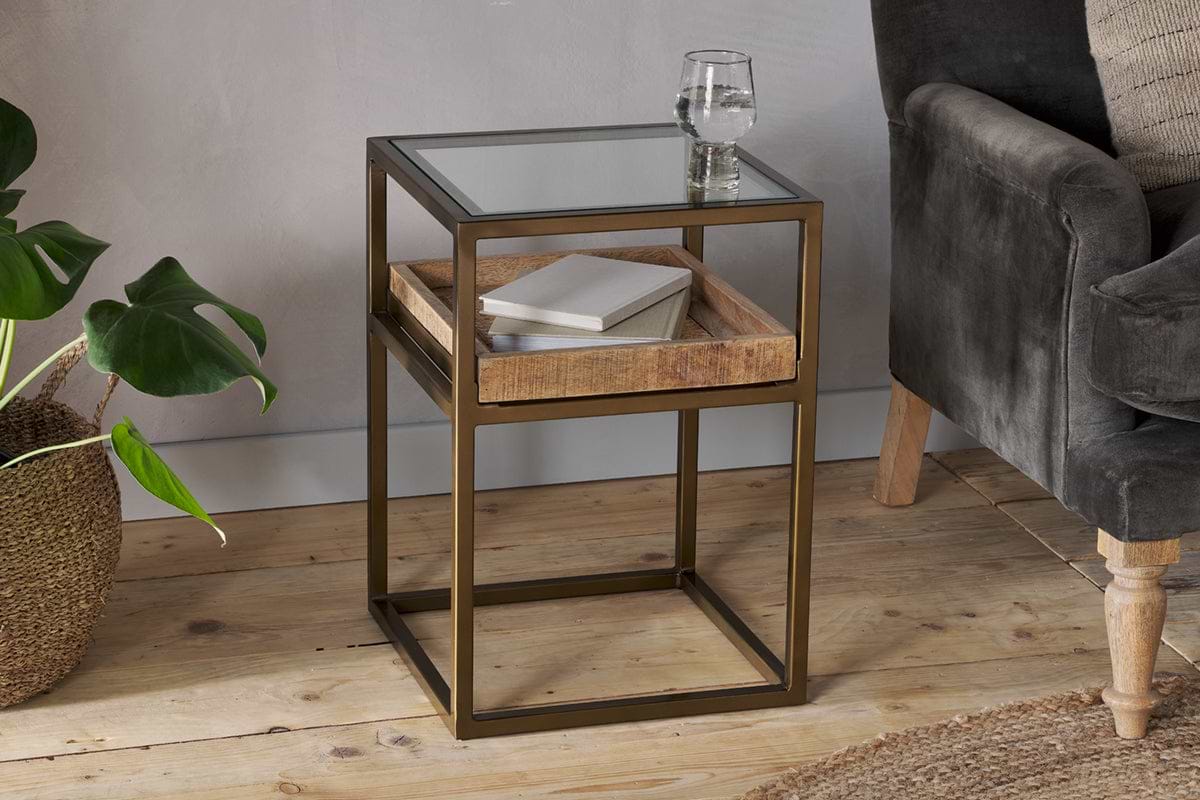
Luzon Side Table
Iron and mango wood with display shelf — small footprint, double function.
View at Nkuku →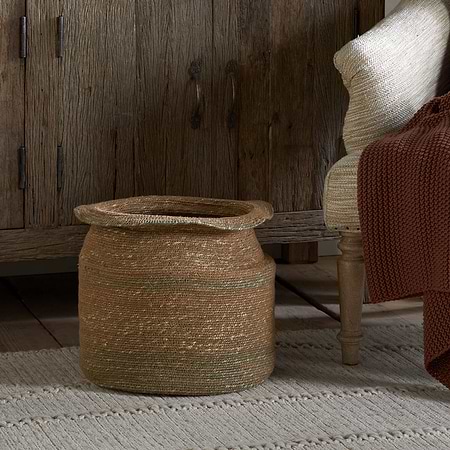
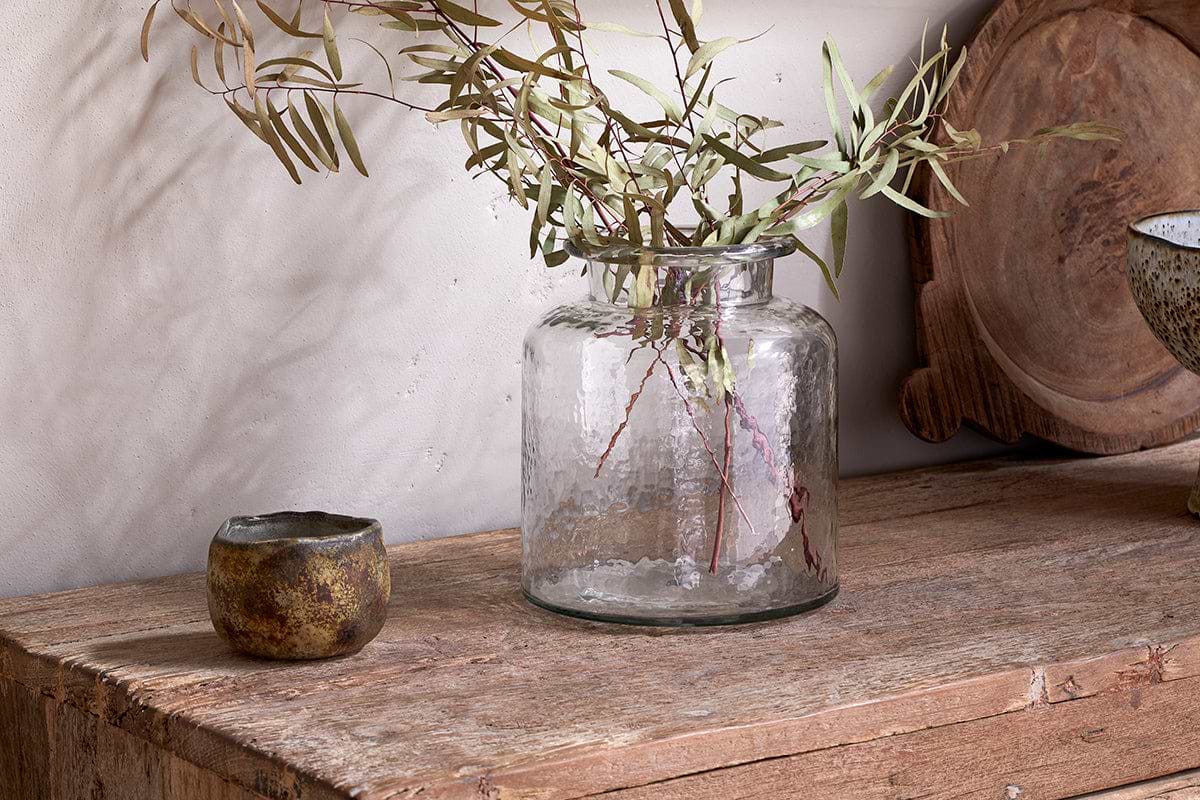
Akra Recycled Glass Vase
Clear cylindrical glass — pairs with stems or sits empty as a quiet accent.
View at Nkuku →Some links above are affiliate links. If you buy through them we may earn a small commission at no extra cost to you. We only suggest pieces we think fit a calm, lived-in home.
Free guide
The Calm Leaf
12 quiet ways to bring dried botanicals, stems, and natural textures into calm spaces.