

In a small apartment with awkward storage and limited wall space, the challenge of mixing fabrics and wood surfaces is very real. This works especially well in a narrow hallway when space is limited because it adds texture without overwhelming the room.
Today, you will learn how to simplify your wall decor by choosing one statement piece that balances natural textures with a neat layout. You will decide which element to let stand out for orderly and calming visual flow.
The short version: The article explains how to layer natural materials, particularly with a woven wall hanging, to create a balanced and practical space that minimizes visual clutter.

Choosing the Right Texture for Your Walls
Select a texture that speaks to the room’s light and space. A woven wall hanging can soften a stark backdrop with its natural warmth.
The living room often has a mix of smooth surfaces and bare walls that feel too sharp. In one room, I noticed that a plain white wall made the area feel soulless until I introduced a soft fabric piece. A woven home decor element brings warmth by softening hard lines, which in turn calms the visual noise.
One old brick wall in a modest sitting room needed a softer counterpoint. A jute basket or a draped fabric can diffuse the hard edges. A bare wall reads colder than one with a single woven basket, and the gentle fibers create a subtle softness that adds comfort.
Incorporating a natural material home decor item can visibly change the room’s feel. When layered over other elements, its texture turns sharp corners into a cozy space. For example, blending a light-colored woven wall hanging with a dark sofa allows the textile detail to become a unifying feature. Try placing a woven wall hanging on a focal wall in your sitting room.
Layering Natural Materials with Confidence
Using layered textures is about pairing different materials thoughtfully. Combining jute, linen, and wood establishes a cozy and balanced environment.
In a kitchen with a mix of wood cabinetry and stone countertops, the visual transition between materials can be jarring. Adding a natural material home decor element like a woven basket along the open shelf can offer a soft contrast. A natural mix works because introducing layered textures diffuses harsh lines and promotes a smoother visual flow.
In the dining area of a shared apartment, I saw how a carefully layered table setting brought a sense of calm. A linen runner over a wooden table softens the look, and a rattan chair introduces a welcoming touch. A space that blends natural materials gains a tactile quality that comforts and invites casual conversation.
One pendant lamp in the corner added depth, much like the piece highlighted in Layered neutrals building depth in a minimal living room 3. A thin layer of textiles over a plain surface helps create a sense of cohesion without overcrowding the design. Consider swapping a sterile wall for a layered look in your dining nook.
Incorporating a Woven Wall Hanging for Balance
A woven wall hanging introduces softness that can ground a room’s accents. It provides a natural visual break amid conflicting elements.
In a study where the furniture felt too compact and arranged around cold surfaces, adding a woven wall hanging brought an organic balance. The natural texture contrasts against painted walls, breaking the room’s static feel. A woven wall hanging works because its fibers diffuse stark surfaces, gently drawing the eye and softening the ambiance.
A room with mismatched textures might seem overdone until you include one piece that unites them. A woven piece on the wall can take the scattered focus and pull it toward a balanced center. A shelf filled with clutter stands in stark contrast to a single natural material home decor item that brings visual calm.
In an office space with functional yet bland decor, a carefully chosen woven wall hanging became the piece that merged art with utility. The simple texture breaks the monotony and sets a relaxed tone. Notice how the design in Natural textures interior design the calm contrast method smooth tactile highlights the balance between structure and softness. Place a well-designed woven wall hanging in your workspace for a more inviting atmosphere.
Enhancing Minimalist Spaces with Natural Elements
Minimalist spaces can benefit from a single element that softens the room’s starkness. A simple woven accent can add depth without overwhelming a clean layout.
In a contemporary apartment with bare walls and modern furniture, the absence of detail can result in a cold feel. A soft fabric on the wall can bridge the gap between rigid furniture and empty space. A single natural material home decor item stands as a delicate touch that warms the area in an otherwise precise setting.
The dining area in one modern home felt unfinished until a woven piece provided a hint of texture. A simple textile softens the edge of sleek surfaces, allowing the space to breathe. A single element on a stark wall creates balance because it introduces organic variability that draws the eye without fighting the minimal design.
In one minimalist bedroom, a carefully placed fabric brought life to an otherwise empty space. The contrast between smooth surfaces and the coarse weave is gentle but effective. A sparse table feels colder than one with a solitary woven accent, which underscores the impact of small additions. Enhance your minimalist space with one thoughtful upgrade.

At a quiet moment, you may suddenly notice that despite careful planning, your wall feels crowded with textures. I experienced that realization when a woven wall hanging in my dining room did not seem to match the soft palette of other decor pieces. Such moments make it clear that a central, well-chosen piece can transform a space.
The decision to focus on one standout element marks the beginning of a shift from disorganized to composed decor. This design decision simplifies the visual field and makes everyday living more pleasant. It is a contrast between layers of competing materials and one piece that stands out.
Often, homeowners make the mistake of layering too many accessories on one wall, causing the whole room to feel busy and unbalanced. Overloading a narrow wall with several small items can lead to a visual overload that disrupts a calm atmosphere. With the right piece, the room feels instantly more unified. Save this idea for later.
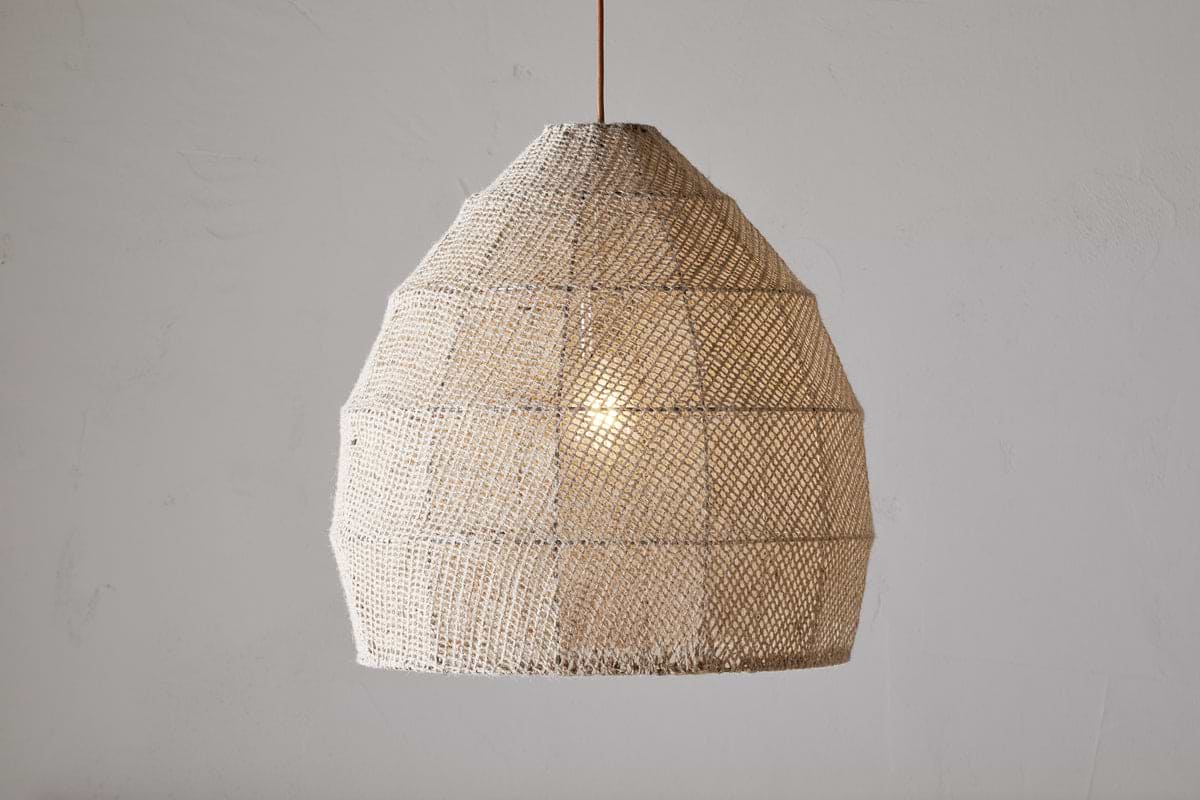
Jahari Woven Jute Pendant – Natural
creates a clear focal pause without crowding the wall.
How to arrange woven wall hanging in a shared space?
Placing a woven wall hanging thoughtfully in a shared space can define a common area. It creates a unified focal point that pulls together varied textures and surfaces.
In a busy living room shared by family and friends, the wall can quickly become a point of visual disarray. One textured fabric placed carefully can transform the space. A woven wall hanging reduces visual clutter because it directs attention to a single, harmonious detail among competing items.
A shared dining area often struggles to blend different decorative elements. Introducing a striking woven piece can provide a central point that draws guests into a more coherent visual conversation. A room with many small decorations feels busier than one centered around a statement textile piece, which calms the overall aesthetic.
In a modest communal lounge, a well-placed fabric piece helped refocus the design toward soft, natural cues. The internal balance is improved when one element dominates rather than several fighting for attention. Notice the subtle influence of the design in Wood glass and soft metals natural texture pairings that feel light. Arrange your woven wall hanging so it serves as the visual anchor for the room.
Styling and placement
Placing natural textures thoughtfully is essential for a harmonious room. A well-positioned woven piece can tie together various elements with ease.
An entryway with a mix of hard surfaces and soft flooring benefits from a strategically placed woven wall hanging. I once observed a hallway where a carefully draped fabric softened the transition between a tiled floor and a wooden door. A simple change like this improves flow because it visually connects different parts of a space.
A side table beside a sofa in a shared living room caught my eye when it featured a small woven basket. The piece subtly adjusted the room’s focal point and enforced a sense of order. A small accessory laid on the table balances a stark scene, adding both warmth and function.
In a bright but busy space, styling requires care to avoid visual overload. A woven wall hanging placed above a low console or shelf can direct focus and improve ambiance. A stack of books feels colder than a carefully draped woven fabric, which shows how placement can enhance sensory appeal.
Quick calm checklist:
- Use complementary colors between fabric and walls.
- Ensure balanced placement to guide the eye.
- Mix subtle textures with dominant, soft accessories.
This arrangement turns a cluttered entry into a calm welcome area that feels thoughtful. Place your woven accent where daily traffic meets quiet space to encourage ease.
Where this works best
Identify spaces where light and layout enhance a woven piece. Find the room areas that naturally suit a textured accent.
Small apartments, narrow hallways, or shared spaces often feel over-decorated with random objects. In such cases, one focused woven wall hanging can clarify the space’s hierarchy. A well-chosen location works because it highlights the natural fibers and tones without competing with busy surroundings.
A practical setting is a cozy entryway where light softly falls on a woven piece. In my experience, an accent in a high-traffic area elevates the everyday mood. Avoid cluttered walls with many competing objects that create a chaotic scene; a curated spot with a single woven piece feels far more inviting. Place your chosen woven wall hanging in the area where everyday use can truly shine.
This method turns tricky corners into a visual retreat that speaks softly and carries weight in design.
What I’ve come to know about decorating with natural textures
I have learned that working with natural textures is about embracing the simple beauty of raw materials. Over time, I noticed that mixing too many patterns makes a space feel overwhelmed. Focusing on one main piece, like a woven wall hanging, has helped me create rooms that flow better and feel more intentional.
My experience has taught me patience in choosing pieces that reflect warmth. I often find that natural materials such as jute, linen, and wood invite a more relaxed mood. Trusting the process leads to spaces that are both honest and practical in every detail.
— Mara
Common questions
How does a woven wall hanging change a small room?
A woven wall hanging introduces softness that can ground a room’s accents. It provides a natural visual break amid conflicting elements.
What materials work best for layering with a woven wall hanging?
Combining jute, linen, and wood establishes a cozy and balanced environment. In a kitchen with a mix of wood cabinetry and stone countertops, the visual transition between materials can be jarring.
Where should I place a woven wall hanging for best effect?
Try placing a woven wall hanging on a focal wall in your sitting room. For example, blending a light-coloured woven wall hanging with a dark sofa allows the textile detail to become a unifying feature.
Explore more calm combinations inside our Shop The Look .
Shop the Look
Glass vases that pair naturally with woven textures on calm walls.
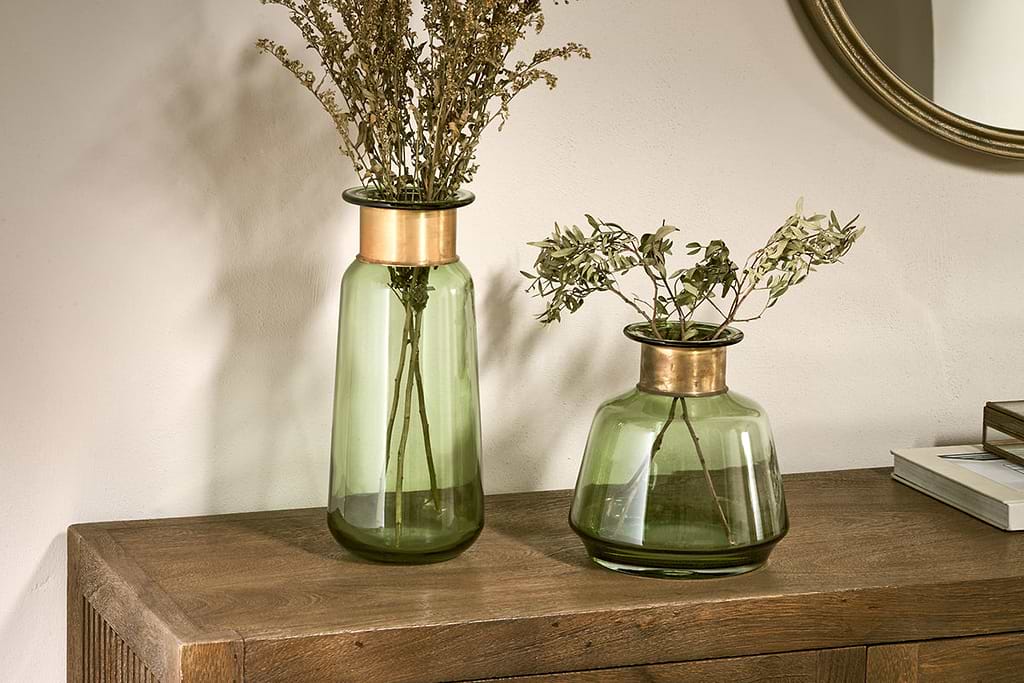
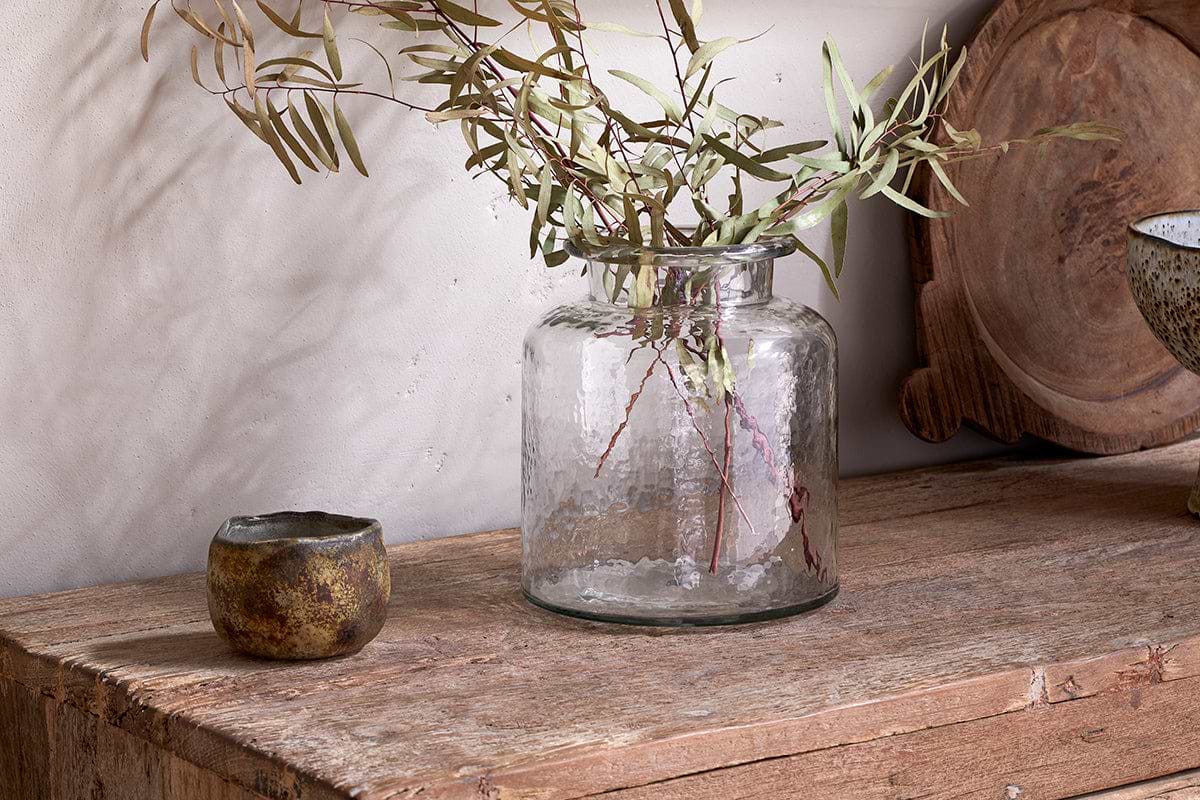
Akra Recycled Glass Vase
Clear cylindrical glass — pairs with stems or sits empty as a quiet accent.
View at Nkuku →Some links above are affiliate links. If you buy through them we may earn a small commission at no extra cost to you. We only suggest pieces we think fit a calm, lived-in home.
Free guide
The Calm Leaf
12 quiet ways to bring dried botanicals, stems, and natural textures into calm spaces.