

Many homes have a shelf that either sits empty or feels overcrowded. A narrow kitchen shelf or a cluttered living room mantle disrupts the calm we are trying to create. This works especially well in/for a living room when space is tight because it opens up visual flow.
Today, you will learn how to arrange your shelf with clear steps and change a cluttered look into a composed display. You will find a method that helps remove chaos and choose each piece with care.
The short version: This guide shows a clear, step-by-step method for styling shelves using a simple formula. It offers practical ways to create an intentional display that shifts your space from crowded to calm.

Where this works best
This zone thrives when you start with a clear plan for your space. Focus on a calm setup that uses natural materials and simple lines.
Small dining rooms, apartments, or kitchens with limited storage are ideal spots. A simple shelf can be transformed into a purposeful display when you apply the right formula. A bare shelf reads colder than one with a single woven basket.
In a compact apartment, each item matters and helps structure the space. Adding an anchor piece, such as a distinctive vase, creates balance because it draws the eye and defines an area. Unlike a shelf that looks randomly arranged, a composed grouping feels integrated.
Many households have rooms where space is limited and every surface counts. For instance, a narrow hallway might benefit from a well-planned shelf display that uses a mix of small decor and everyday objects. Avoid mixing too many unrelated pieces as this can overwhelm the space.
Understanding the three to five to seven formula
The formula helps set limits by grouping items thoughtfully. It simplifies decision-making by suggesting a small number of anchors and supporting objects.
Often, a shelf feels off when there is no clear plan. A living room shelf might hold only a few meaningful objects, balanced by negative space. This approach works because it prevents clutter and gives each item room to breathe.
In a dining area, a simple arrangement with three key pieces, five supporting objects, and seven touches can quickly change the look of a shelf. For example, using a handcrafted bowl as one anchor creates a focal point. A plain shelf feels more rigid than one that mixes textures.
Practical shelf decor ideas include mixing a ceramic mug with a small plant. The formula is a guide rather than a rule. In a real kitchen setting, a balance between open shelving ideas and darker accents makes the overall design more inviting.
When you apply the formula method, you reduce visual noise and invite focused composition. A jute basket placed alongside a small sculpture shows clear intention. Adding a natural rope accent softens hard lines due to its gentle texture.
Creating an anchor piece
An anchor piece grounds the display and ties other items together. It should be a visually distinct object that complements the overall style.
In an entryway, a single piece like a framed mirror or a ceramic bowl often serves as the focal point. This piece anchors the shelf and signals to the eye where to start. A lone book can add interest, but a sturdy, intentional anchor reads warmer than a random assortment.
When you incorporate an anchor item, it creates cohesion by unifying surrounding objects. For instance, a statement piece made from wood or metal can define the space. A worn leather journal paired with a bright vase contrasts softly with the anchor due to its lighter tone.
Practical design tips on how to style a shelf can be found in Neutral shelf styling ideas how to stop a shelf from looking busy. The choice of an anchor piece matters because it sets the stage for the remaining objects. A well-chosen anchor creates a room that speaks calmly to the visitor.
Choosing shelf decor ideas
The right shelf decor ideas make a crucial difference. Choosing items that share a color family or material creates visual consistency.
In many modern apartments, the shelf serves as both storage and display. A mix of vintage ceramics and modern prints can bring a grounded look. A neutral shelf styling with earthy tones works because it complements many room settings.
Practical examples include placing a simple vase next to a small sculpture. This works because a consistent material palette guides the eye naturally. A row of mismatched objects can feel discordant compared to a balanced grouping where subtle contrasts arise.
In a light-filled kitchen, thoughtful decor makes the open shelf ideas shine through. Items such as handmade pottery or a reclaimed wood tray add interest naturally. A plain shelf reads colder than one with a tactile, natural element due to the warmth of the materials.

The moment came when I noticed that despite placing a few decorative items, the shelf still felt busy and unbalanced. The items did not communicate a clear idea, and the space seemed to lack focus.
Often, homeowners make the mistake of adding too many objects without a plan, causing the room to feel heavy and unfinished. When you remove excess items and focus on one focal piece, the display feels lighter. Save this idea for later.

Styling and placement
Thoughtful placement and styling are key to a composed shelf. Carefully placing each object lets the space breathe and feels purposely arranged.
Kitchen shelves or narrow living room mantles benefit from neutral shelf styling that mixes small objects and open space. Each item placed should relate in color or material. A decorative tray paired with a simple book creates order because it directs the eye across the shelf.
In a shared apartment, every piece on a shelf has to earn its place. Using fewer items makes the look more intentional and less overwhelming. A bare section contrasts nicely with a clustered area, giving balance to the overall display.
A practical example is to pick three natural accents and space them evenly. This works because maintaining clear gaps prevents the shelf from feeling crowded. Avoid placing too many items close together as this can merge individual details into a muddled display.
Quick calm checklist:
- Choose items in a consistent color palette.
- Maintain space between items to highlight each piece.
- Mix materials like wood, metal, and stone for visual interest.
How to style a shelf for an intentional look
Start with a clear plan and only a few key objects. Each item should support a central theme and connect with the others seamlessly.
An open shelf in a rental-friendly space can quickly be transformed using a method of careful selection. Arranging a few meaningful objects creates a story rather than a random collection. A simple calendar or a delicate sculpture adds focus because it reminds you of what’s important.
The process includes stepping back and observing how items interact. A piece of art, for example, anchors the design, and smaller items support it. A cluttered shelf contrasts with one that has a natural rhythm which makes it feel peaceful.
Using a selective few items helps the eye settle naturally on the display. This works because minimalism reduces visual conflict and enhances each object’s presence. In a study or small work nook, a thoughtful approach makes everyday use more enjoyable.
Balancing personal style with practical design
Merging personal touches with design principles creates a shelf that feels both lived-in and calm. A mix of treasured and practical items strengthens the display.
For instance, a living room shelf might hold a cherished photo frame alongside a simple ceramic mug. Each choice reflects both personal history and modern style. A warm wooden bowl contrasts softly with a metal figurine because their different textures work together naturally.
Homes become more inviting when selections speak to both style and use. Choosing a single piece as an anchor alongside supporting mementos creates cohesion. A bright accent can stand out gently against neutral backgrounds, making the space feel balanced and intentional.
Using open shelving ideas effectively means you trust your eye and keep it simple. The method works because limiting the number of objects allows each piece to stand out more clearly. A shelf with personal touches feels more engaging than one with random, unrelated items.
What I’ve come to know about styling small shelves
I have found that working with a cluttered shelf means accepting imperfections and making small, deliberate changes. Over time, I learned to trust the process of editing my space down to a few meaningful items, which often leads to a more calming atmosphere.
When I place even one handcrafted object or a well-worn book in its spot, the room feels more personal. I have discovered that the process is about letting go of excess and choosing pieces that resonate with who I am. The anchor rule for neutral shelves one piece that makes everything look intenti plays a subtle role in how I display my finds.
— Mara
Common questions
What’s the formula for styling an open shelf that feels intentional?
In a dining area, a simple arrangement with three key pieces, five supporting objects, and seven touches can quickly change the look of a shelf.
Why does an anchor piece matter on a shelf?
An anchor piece grounds the display and ties other items together. It should be a visually distinct object that complements the overall style.
How do I choose the right decor items for an open shelf?
Choosing items that share a color family or material creates visual consistency. This works because a consistent material palette guides the eye naturally.
What happens when you remove excess items from a shelf?
When you remove excess items and focus on one focal piece, the display feels lighter.
Explore more calm combinations inside our Shop The Look .
Shop the Look
Soft glass vases and a small brass mirror create a balanced, uncluttered look on open shelves.
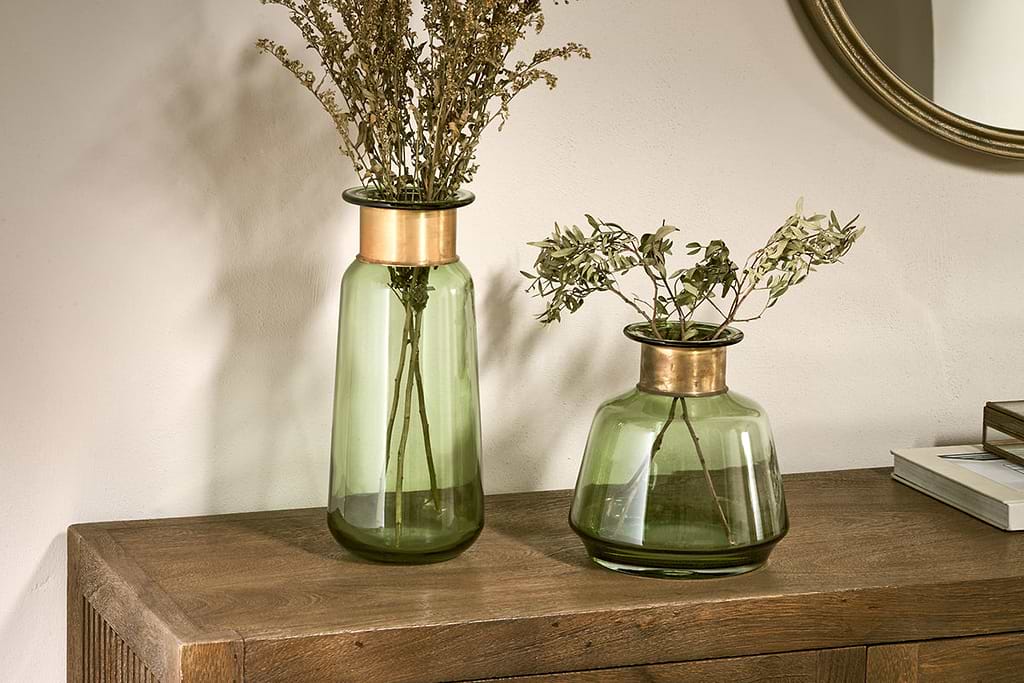
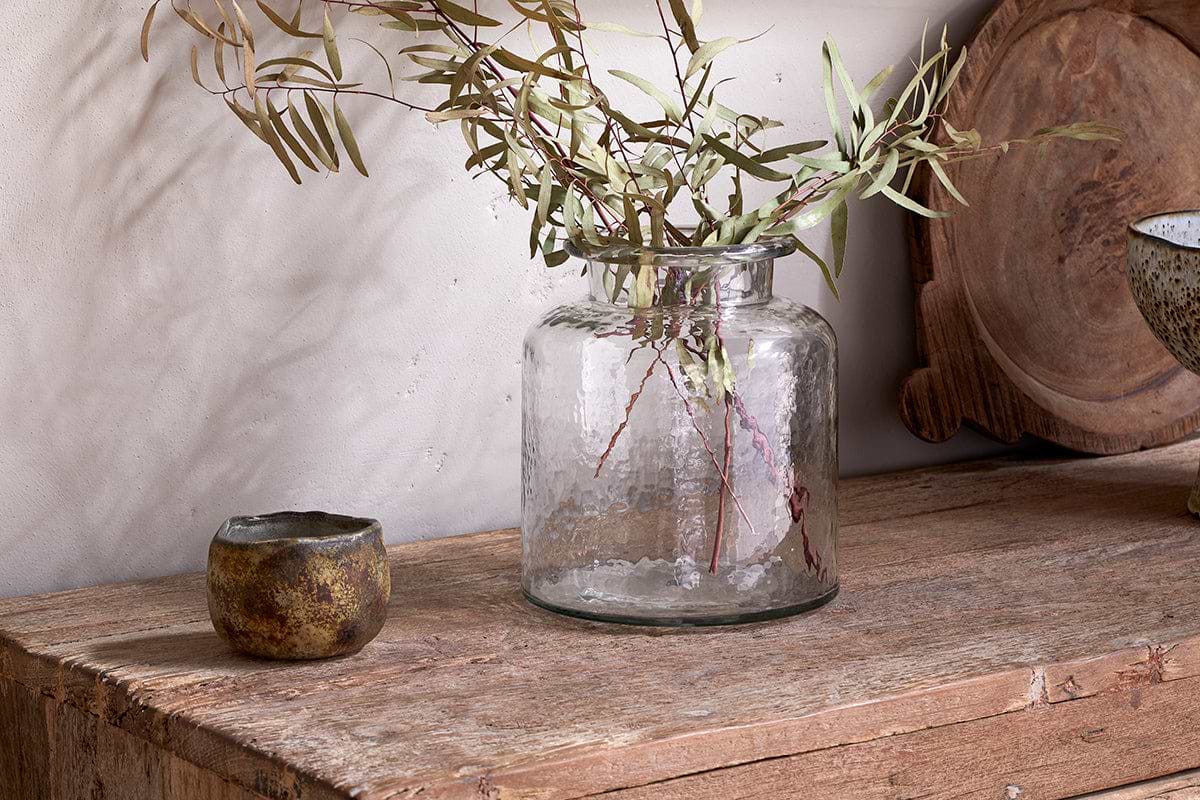
Akra Recycled Glass Vase
Clear cylindrical glass — pairs with stems or sits empty as a quiet accent.
View at Nkuku →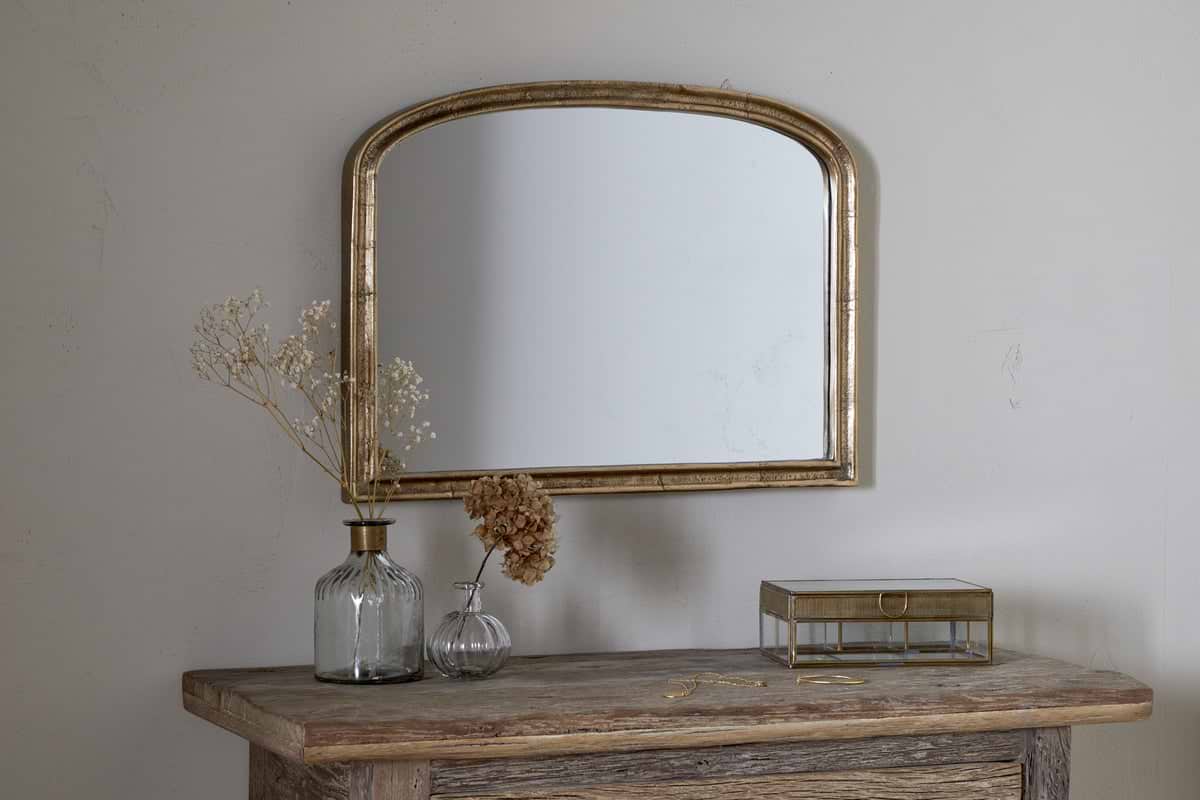
Some links above are affiliate links. If you buy through them we may earn a small commission at no extra cost to you. We only suggest pieces we think fit a calm, lived-in home.
Free guide
The Calm Shelf
12 styling ideas to help you compose calm, balanced shelves in natural texture homes.