

Small rooms can feel full of character when you work with the light. Gentle illumination softens hard corners and brings calm to uneven spaces. A quiet glow adds both function and warmth to a compact place.
The soft light spreads through every nook and cranny. It makes a small space feel open and welcoming without a complete overhaul.
The short version: Using soft lighting for corners can make a room look bigger and more serene. Gentle light sources and careful placement offer both function and calm.

Corner Ambience Essentials
Using a wooden table lamp and a linen shade brightens even the darkest corners with a gentle touch. A recycled glass piece on a small shelf can light up spaces with soft clarity.
The small room may have a narrow area by a bookcase or a cluttered desk. A single lamp placed in the corner can change the mood. One may set a little recycled glass lamp near a faint vase, which pulls the eye outwards and creates an inviting space.
In one kitchen, a worn ceramic bowl and a slim side table combine with a lamp to form a quiet vignette. A light placed next to an old jute basket shifts the focus and makes the room seem open. This works because subtle lights reduce the weight of visual clutter.
An old mirror leaning on the wall softly reflects the light. The glow diffuses across walls created with soft beige paint. A natural contrast appears when the gentle light meets a cool stone surface.
Minimal Ambient Lighting Suggestions
Installing a small LED fixture in a snug hallway changes the mood with minimal ambient lighting. A modest lamp on a side table can gently soften the room.
A small nook under a staircase can benefit from a subtle overhead light. A gentle lamp in the corner near a woven basket creates a visual link between functionality and calm. The effect is clear: a limited light source can transform a cramped space into somewhere welcoming.
A bedside table fitted with a simple bulb can highlight a textured wall. Soft details on a wool rug and a curved lamp base add familiarity. In one case, a homeowner used calm entryway ideas from calm entryway ideas to balance an awkward foyer.
Every element works together when the light does not overpower the contours. The choice of a single light point cuts through the heaviness of clutter. A natural contrast emerges when the modern lamp meets an old wooden side table, which brings warmth to the space.
Soft Lighting for Corners
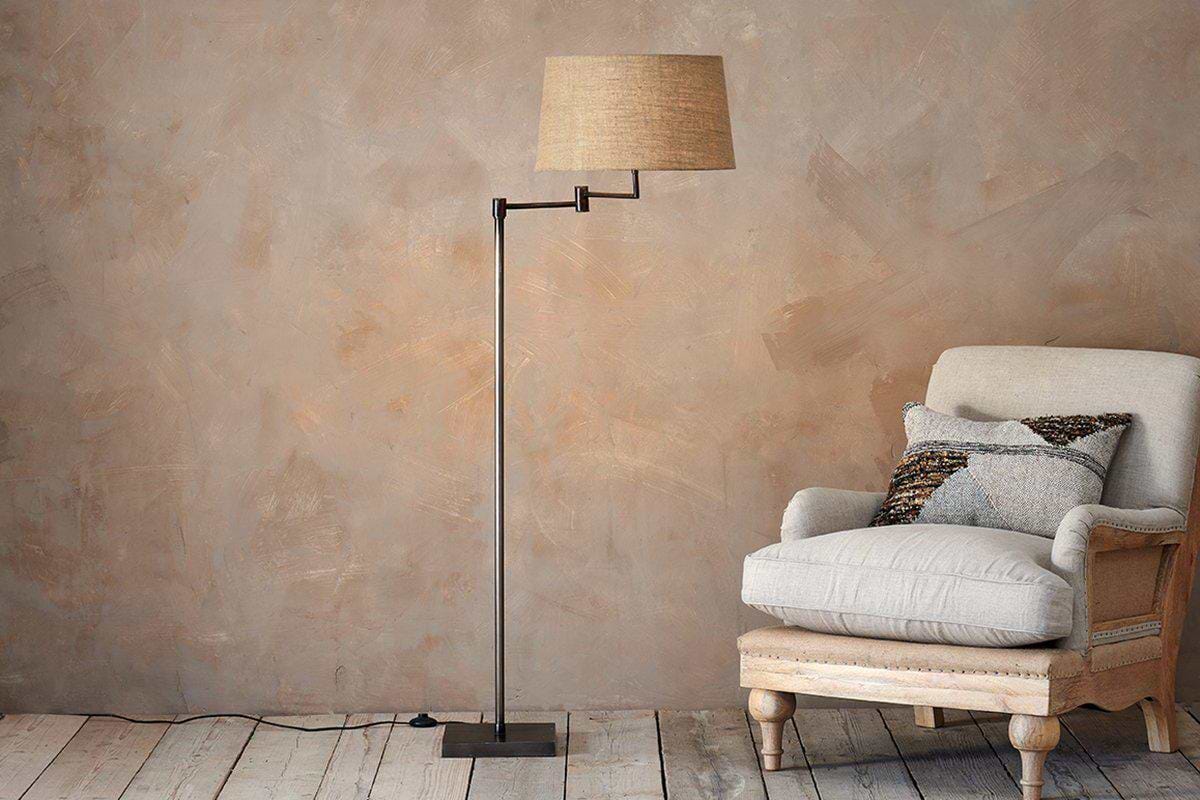
A slim floor lamp with a soft shade spreads gentle light and enhances corners. Soft lighting for corners creates an open feel by brightening areas where walls meet.
On a small studio floor, bringing in a tucked-away lamp transforms a shadowy nook. The light visibly softens the edges of a narrow passage between furniture pieces. In a concrete example, a carefully chosen lamp made a cluttered corner feel approachable and calm.
The ambient glow from the lamp contrasts with the heavier visual weight of a large bookshelf. A pastel-toned cushion on a modest chair adds balance to the area. The effect is clear: gentle soft lighting for corners redefines space and creates a visual flow.
The considered use of light helps break the monotony of a cramped room. When the lamp is set near a small table with a potted plant, the eye is drawn to the light and then to the artful simplicity of the decor. It works because the soft beams create a continuous dialogue in the room.
Layered Light for Calmer Spaces
Layered light from both tabletop and standing pieces enriches a room’s character. A mix of warm tones and dimmer areas supports a calm mood and balanced room design.
A small living area benefits from a layered approach when multiple smaller lights are used. Setting a short lamp on a side table and a pendant near the door adds depth. In a modest space, a layered effect softens the hard lines of furniture and surfaces.
An old brick wall paired with a delicate lamp set against a faded rug creates an interesting interplay. The contrast between the coarse surface and the soft bulbs brings harmony. One practical detail: a layered lighting scheme often clarifies chains of sight and anchors important features.
A sleeper in the room might place an additional accent, such as a clover-shaped pendant. When a subtle accent touches an overlooked corner, it grows into a focal detail. This works because the combination of fixtures reduces visual clutter and adds natural balance. In one setting, a homeowner turned to ambient lamp ideas for inspiration.

Styling and placement
A simple table alongside a minimalist lamp brings balance to a corner. Thoughtful styling and placement of objects guide the eye and open up small rooms effectively.
A free-standing lamp on a narrow table makes a tight space feel intentional. Placing soft fixtures in strategic corners adds rhythm to the room. A visible rug laid softly below the lamp creates a gentle contrast with a nearby metal chair.
Quick calm checklist:
- Keep lamp bases slim and unobtrusive.
- Use natural materials like wood or recycled glass.
- Place a soft fabric cushion near the light.
A misplaced lamp can add unnecessary weight and break the flow of the area. The careful placement of lighting brings coherence while reducing visual chaos. One concrete instance saw a small round table set next to a muted-toned armchair, which worked because thoughtful arrangement cuts through clutters and opens paths.
A simple side table paired with a delicate fixture turns an awkward corner into a cosy retreat. Even a modest piece like a clay bowl can serve as a gentle counterpoint. In a quiet corner, a hint of minimal coffee table decor from minimal coffee table decor ideas was adapted to suit the space.
Where this works best
Avoid overloading a corner with too many lights or heavy decorations. Using a single gentle lamp on a small table works best in modest bedrooms and studios with natural textures.
Rooms with odd angles, such as box rooms or studio apartments, benefit greatly from focused lighting. A simple lamp and a modest shelf can change the look of a cramped setting into a relaxed area. In an apartment with awkward layouts, minimal lighting combined with soft furnishings made the space feel airy.
A narrow hallway with a small window and exposed brick is another venue where a gentle glow works wonders. The subtle light makes a space appear larger without extra bulk. Avoid overwhelming the space with multiple competing fixtures; a single soft glow often works better when space is tight.
The concept finds use in both a cosy bedroom and a shared workspace. A room with a muted palette and a mix of textures can highlight the quality of the lighting. A slightly pastel curtain against a warm wooden table provides a natural contrast that highlights the subtle lamp.
Thoughtful Adjustments for Small Rooms
A soft blush of light from a burnt amber lamp can open up even the smallest room. A shift in focus to a single gentle light source can help a room feel larger and more welcoming.
An awkwardly shaped box room recently gained a serene feel when a light was placed in its corner. The gentle glow from a recycled glass lamp brought calm to an otherwise confined space. A slight repositioning of a small lamp on a bedside table showed that every detail matters, with the small lamp pulling subtle attention away from clutter.
The use of soft lighting for corners can become the room’s anchor. When the focus is set on a delicate fixture, it softens the edges of heavy furniture and crowded walls. Natural contrast appears when a warm bedspread meets a cool, lighted corner, making the room both functional and inviting.
In one instance, a homeowner rearranged a cluttered corner using a new lamp and a refreshed layout. If a table lamp stands by a window seat, then the room appears balanced and calm. The change makes the area feel open and livelier while still respecting privacy and function.
Design decisions like choosing a single focal light piece, reducing the colour palette, and anchoring the space with a practical lamp can bring clarity to a small room. This practical shift is a simple design decision that directs attention without overwhelming visual elements.
When the glow falls unevenly or seems mismatched, you might feel that the planned balance has slipped away. At the moment a room looks overdone or the corner appears crowded, reassess your light choices and setup. A typical mistake is to pile on too many light sources, which only adds to visual chaos. A single well-chosen light source can refresh a space. Save this idea for later.
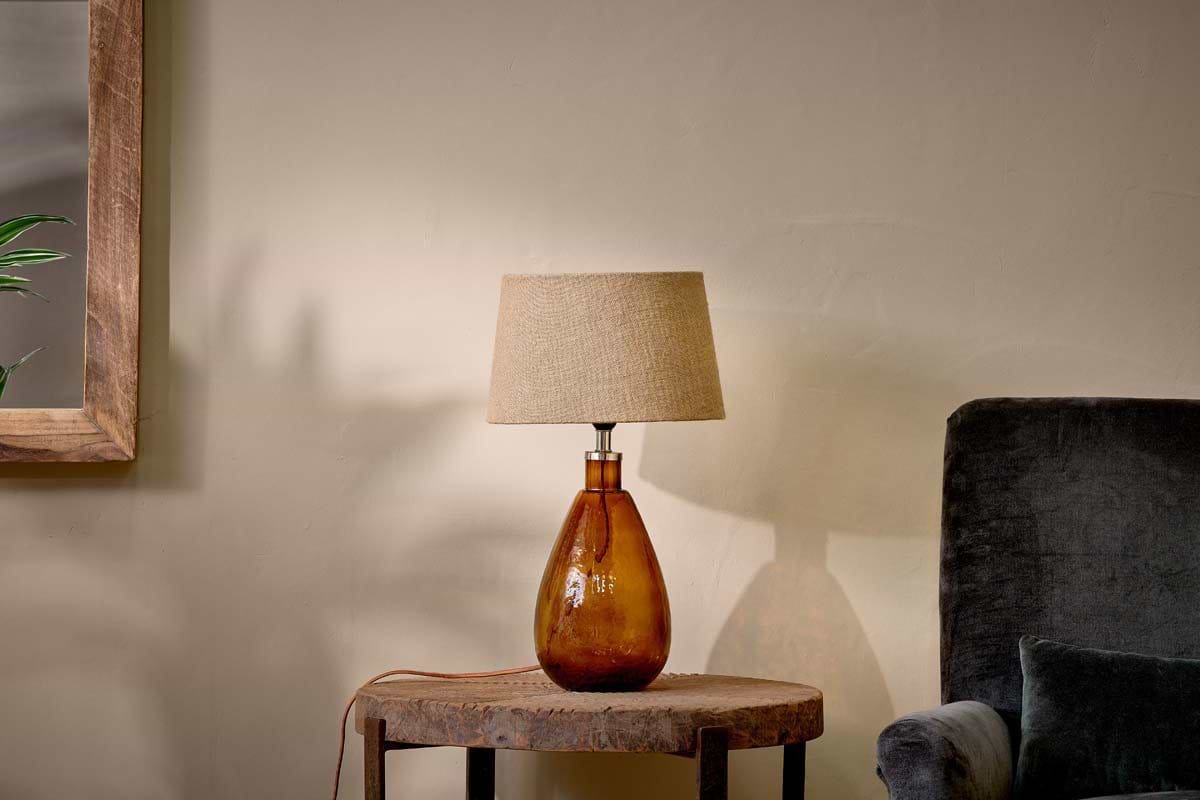
Baba Recycled Glass Lamp – Burnt Amber
softens contrast and anchors the light naturally.
What I’ve come to know about soft lighting for corners
I have discovered that gentle, well-placed light exudes warmth and comfort in spaces that seem limited. Over the years, I have learned that a modest lamp or a subtle bulb can turn the smallest nook into a calm retreat without needing dramatic changes.
My approach to soft lighting has evolved alongside my own understanding of space. I find that steering clear of harsh overhead lights allows me to focus on natural materials and textures that give a room personality and depth. , Mara
Common questions
How can soft lighting make corners feel less dark?
A single lamp placed in the corner can change the mood. One may set a little recycled glass lamp near a faint vase, which pulls the eye outwards and creates an inviting space.
What’s the effect of layered lighting in small spaces?
A small living area benefits from a layered approach when multiple smaller lights are used. Setting a short lamp on a side table and a pendant near the door adds depth.
How should I style a lamp in a corner for maximum effect?
When the lamp is set near a small table with a potted plant, the eye is drawn to the light and then to the artful simplicity of the decor.
Explore more calm combinations inside our Shop The Look.
Shop the Look
A slim floor lamp and warm glass table lamp bring soft glow to corners without bulk.
Some links above are affiliate links. If you buy through them we may earn a small commission at no extra cost to you. We only suggest pieces we think fit a calm, lived-in home.
Free guide
The Calm Shelf
12 styling ideas to help you compose calm, balanced shelves in natural texture homes.