

Many rooms carry the words “home sweet home” somewhere, a doormat, a hanging sign, a neat black script on a white print. But plenty of renters and first-home owners find the room still feels cold, cluttered or unfinished. The home sweet home saying alone doesn’t reach that grounded, sensory feeling people hope for.
If your space still feels “off” after adding a heartfelt quote, you’re not alone. Today you’ll see how to swap word-only decor for real materials and practical tweaks that change a room’s mood. This works especially well in small living rooms when the layout fights for attention because tactile detail holds the eye and gives the space a calm anchor.
The short version: A home sweet home saying brings meaning only if the room’s textures, light, and layout support what the words promise. Swapping out flat quote decor for a tactile anchor, subtle light or natural material can turn any size space into something that feels quietly yours.
Key takeaways
- A home sweet home saying on its own can feel empty without sensory detail to back it up.
- One textured surface, like a rough clay bowl or woven runner, grounds a whole room better than word art.
- Natural materials such as wood, linen, and clay show soft aging and carry more warmth than synthetic finishes.
- Replacing a saying print with warm, low light quiets clutter and adds depth in small rooms.
- Pinterest is a source of ideas, but physical touches matter more for real comfort than inspiration boards.
- Why does a ‘home sweet home’ saying feel empty on its own?
- Where this works best
- How do you anchor a room with a single textured surface?
- Idea: Replace the poster with one warm light source
- Styling and placement
- What ‘home sweet home’ really means (and doesn’t mean)
- How can scent make a space feel more yours?

Why does a ‘home sweet home’ saying feel empty on its own?
A home sweet home saying printed on a pillow or sign does not change how a room feels unless the surroundings engage the senses. Flat word art often falls short because physical comfort depends more on material, light, and place than on text.
Many people add a “home sweet home” quote to walls or entryways hoping it will spark warmth. Often the phrase echoes across Pinterest boards and shop displays, but in real rooms, it can land soft if everything else in the space is hard, shiny, or crowded. Empty surfaces and generic prints leave a space looking staged, not welcoming.
Real belonging rarely arrives through a phrase alone. A shelf lined only with word art can look spare, while the same shelf supporting a rough bowl or stack of worn books feels more grounded. According to Melanie Jade Design, using home sweet home quotes in interior design works best alongside a tactile focal point that draws the eye naturally.
Unlike physical materials, a saying doesn’t absorb sound or soften light. Instead of covering gaps with more quotes, notice where the room stops feeling lived-in. Ground even the smallest room by making one area tactile before adding any more printed sayings.
Where this works best
Rooms with low light, simple seating, or rental limits show the biggest change when you swap flat quote decor for a single textured anchor. A tactile detail draws people in, even where space is tight or walls are plain.
Small apartments, open-plan spaces, or rooms where you cannot change the paint see the most benefit. A natural anchor, such as a woven mat on a coffee table or a clay vessel by the entry, pulls together scattered furniture and quiets visual noise. This approach solves the feeling of coldness that bare, functional setups often create.
In rented homes, where painting or drilling is often out of bounds, surface details matter most. Laying a slubby linen runner on a table or putting a carved wood bowl on a shelf changes how the space feels by adding visual and tactile weight. A bare shelf reads colder than one with a jute basket or a stack of warm-toned books.
Avoid using too many word-based decorations in one spot. A cluster of saying prints in a corner can make a small living room look busy, especially under strong ceiling lights. Instead, limit visible sayings and let materials quietly anchor key zones, like a side table or entry shelf, making each statement feel intentional, not cluttered.
How do you anchor a room with a single textured surface?
One textured surface, such as rough linen, jute or matt clay, sets a calm tone and grounds scattered furniture in a living room or bedroom. Heavy, tactile pieces draw attention, soften glare, and help a room feel stable for daily routines.
Many living rooms carry a floating “home sweet home” print or poster that leaves the wall feeling empty or disconnected from how the room is used. Swapping the print for a slubby linen table runner or a hand-thrown clay catchall bowl changes both look and function, a quick pass with your hand brings the lived-in warmth people seek.
The room’s mood turns less restless when at least one surface absorbs light or offers a matte finish. A shelf with nothing but framed quotes can feel brittle compared to one textured piece that catches natural shadow and covers minor clutter from day-to-day use.
Unlike glossy trays or dense resin decor, a woven basket or unfinished wood tray gives the eye a place to rest without shining or reflecting. A good jute basket usually costs less than a new framed print and fixes visual flatness without making a room feel heavy or overdone.
Idea: Replace the poster with one warm light source
Replacing a home sweet home poster or neon sign with a lamp that casts a warm, low glow makes a room feel lived in. Light changes how every object and wall reads, especially in rooms with pale or neutral decor.
A standing lamp with a linen or paper shade can do more to create welcome than another saying on the wall. Bulbs labeled “warm white” or “soft white” cast a gentle tone that smooths sharp contrasts and brings out wood grain or fabric texture around seating. This silent detail makes a bigger impact on how you feel crossing the threshold than any phrase.
Side tables or shelves that feel disconnected from main seating areas often pull together with just one light source. For example, placing a small low-light lamp beside a reading chair creates an instant focal point, replacing the need for literal words. Day and night routines both benefit, shadows grow softer, and small signs of life (a cup, a plant, a book) stand out.
Compared to cool LED strips or bare overhead bulbs, a warm lamp encourages slower evenings and quiet mornings. If you share a small space, that one lamp cues relaxation and signals the day’s end without adding another object to dust.

Styling and placement
Styling a single tactile focal point works best when it sits where the hand can touch it and the eye naturally lands. Keep the palette calm and spacing loose so each object has room to breathe.
A jute basket under a bench, a matte clay vase at the end of a table, or a slim linen runner on a sideboard, these small moves carry more comfort than a wall of quotes. Placing key pieces within easy reach keeps them practical, not just for show. In shared spaces, these details stick in memory and mark out routines.
Avoid mixing too many competing textures, which can look messy rather than warm. Pick one finish (matte or woven) and let it anchor the whole area. A floating cluster of posters or quote prints often draws focus away from your room’s actual comfort spots, especially in compact apartments.
Quick calm checklist:
- Choose one natural material (wood, linen, jute, or clay) as your anchor.
- Place it at hand height or eye level for instant sensory feedback.
- Keep two-thirds of the surrounding area clear for room to breathe.
- Limit your palette to three calming shades for less visual clutter.
- Use warm or soft light nearby, not overhead glare.
What ‘home sweet home’ really means (and doesn’t mean)
The phrase ‘home sweet home’ does not mean the room must feature the words; it means the space feels welcoming in daily use. What matters are small habits, lasting materials, and familiar light.
The phrase “home sweet home” is often used in collections of poems and quotes about belonging, not just as wall art. Dictionary definitions describe “home” as a place of comfort and “sweet” as warmth or relief after time away. The real meaning sinks in through how a room is shaped for daily routines, not from a sentence fixed on the wall.
Unlike in films where a single sign signals arrival and belonging, most rooms need more than a saying to feel complete. The presence of lived-in objects, repeated gestures (folded blankets, stacked books), and the way materials soften across weeks or months contribute more to comfort than a poster ever could.
Leaving space for change helps, too. Favorite pieces age and wear, adding subtle story over time. Instead of trying to freeze a room with a permanent quote, let materials and habits do the speaking. A runner with a faint tea ring or a dish holding keys says more about home than any typed phrase.
How can scent make a space feel more yours?
Scent through dried botanicals or natural oil diffusers builds a lasting memory of home without relying on candles or artificial sprays. Soft scent routines anchor daily life and give even rental homes a sense of belonging.
Leaving a bundle of eucalyptus stems near the entry, a bowl of dried lavender on a dresser, or a cotton pad with drops of essential oil beside the bed makes the air quietly personal. Unlike burning candles, dried plants require no flame or regular tending, making them safer for busy or shared homes.
Most people find just one scent at a time is enough; mixing too many notes can overwhelm a small room or break the calm. For visitors, a familiar smell makes a stronger impression than a poster, according to research on long-term memory, scent anchors space more deeply than sight alone.
Compared to spray air fresheners or synthetic diffusers, real botanicals and a drop of oil wear gently over time and avoid harshness. Dried orange peel, rosemary, or calming lavender all work well on a shelf by the bed or tucked behind a stack of books.
What tends to hold up with anchoring sensory details instead of sayings
Repeated reviews and decorator notes point out that physical touchpoints, like linen tablecloths or rough pottery, keep a home feeling lived-in long after the novelty of a quote print fades. Objects that quietly age, such as wood or unpolished clay, stand out in reader photos and are named again and again in calm home guides.
Matte finishes get recommended often for spaces near daylight because they don’t catch as much glare as shiny trays or frames. Meanwhile, several designers caution that too many word-based pieces can make a room feel themed or impersonal, especially if the sayings outnumber sensory objects. Most people remember details they can touch, move, or smell, these are what last across seasons.
, Mara, Loom & Glow
Common questions
What is another word or phrase that means the same as ‘home sweet home’?
A phrase similar to “home sweet home” is “there’s no place like home.” You might also see “my happy place” or “home at last” on prints or in poems. Each sums up a feeling of comfort and safety, but the real warmth comes from what you do in the room, not just the words.
What are subtle ways to add personal meaning to a home, instead of using word art?
Subtle ways to add meaning include layering textures, keeping a bowl of dried botanicals, or choosing a hand-thrown cup for your morning coffee. Personal meaning shows in routines, not decorations. Over time, lived-in habits, like favorite throws or repeated scents, give the room its real story.
What is another word for “home sweet home”?
Another word for “home sweet home” is simply “haven.” Other options could be “refuge,” “sanctum,” or “resting place.” All point to the idea of safety and belonging without needing a literal sign on the wall. Choose what speaks quietly to you.
What is a powerful quote about a peaceful home?
A powerful quote about a peaceful home is, “Peace, that was the other name for home,” from Kathleen Norris. Short phrases can inspire, but peaceful routines, tactile materials, and gentle light build the real sense of calm in practice.
Explore more calm combinations inside our Shop The Look .
Shop the Look
A few quiet Nkuku pieces that bring a sense of belonging without adding noise.
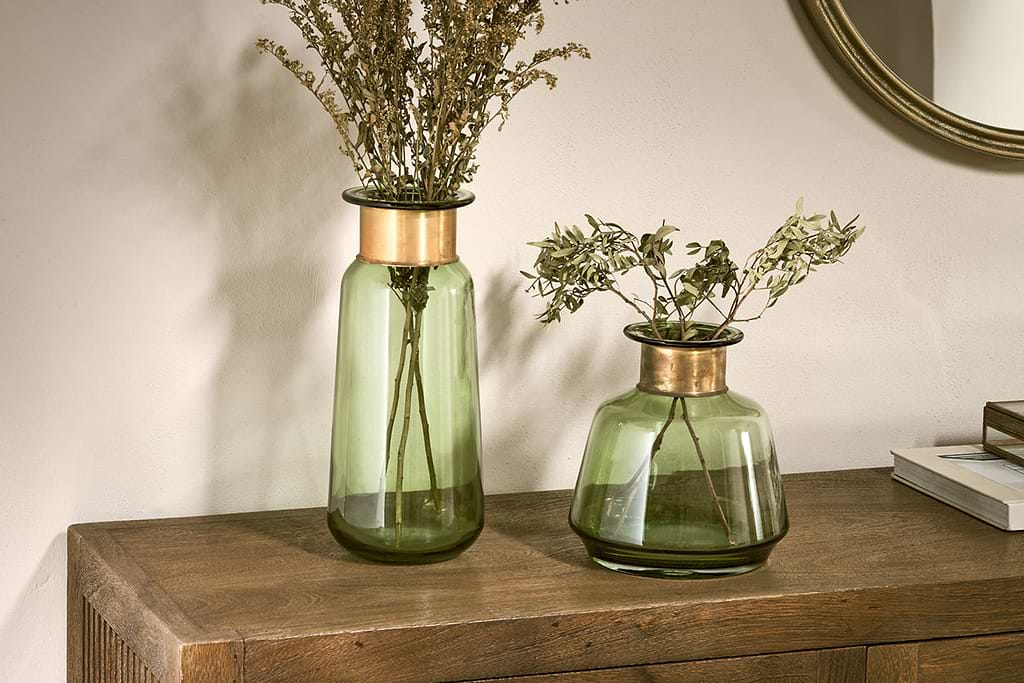
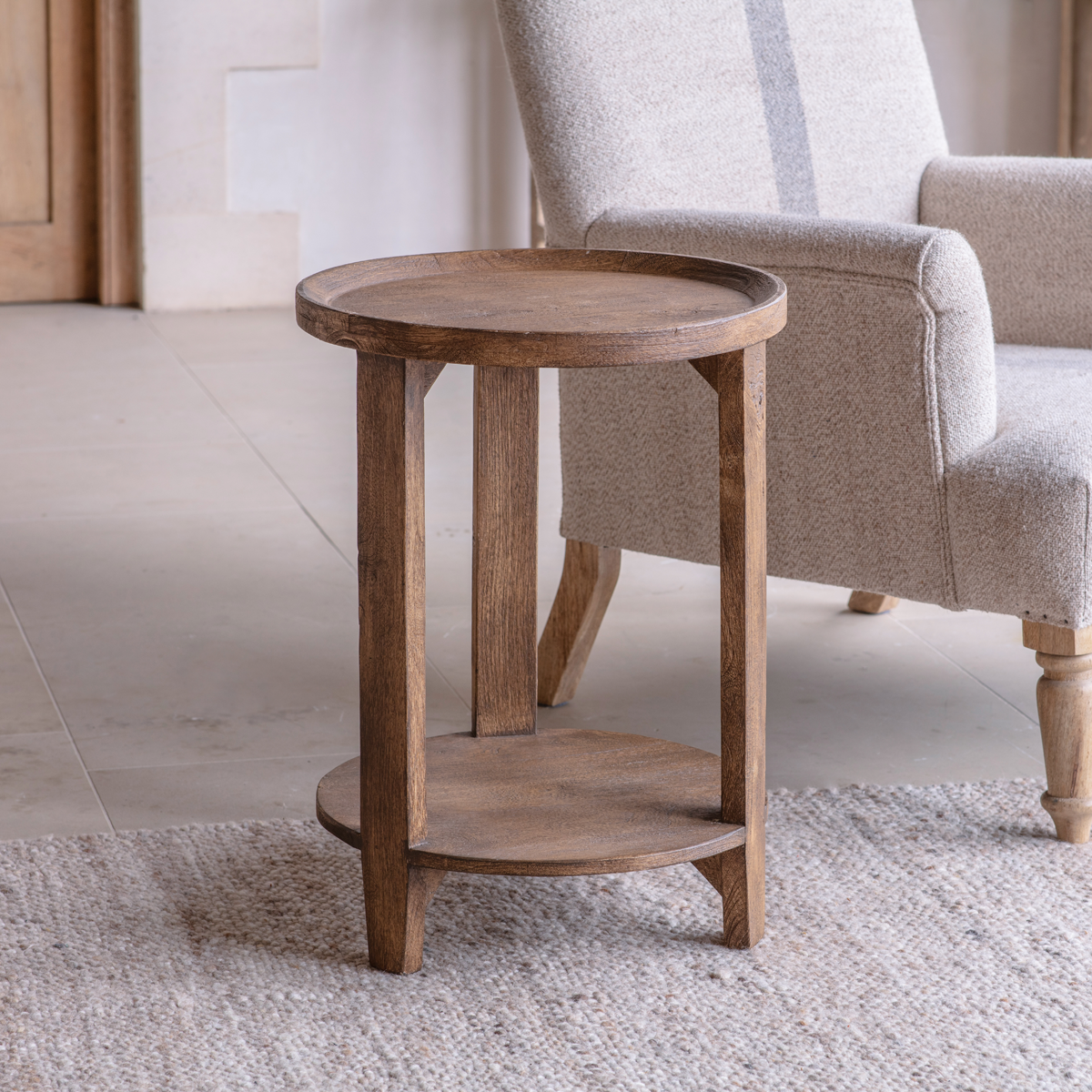
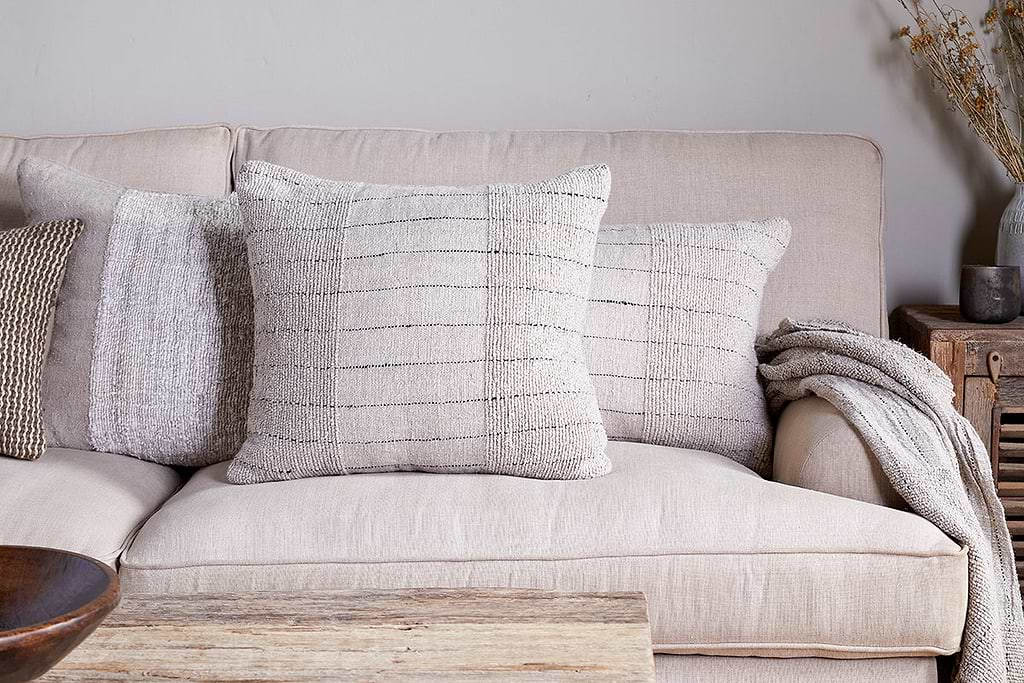
Mayla Cushion Cover
Soft hand-textured cover, instant warmth on linen sofas or chairs.
View at Nkuku →Some links above are affiliate links. If you buy through them we may earn a small commission at no extra cost to you. We only suggest pieces we think fit a calm, lived-in home.
Free guide
The Calm Leaf
12 quiet ways to bring dried botanicals, stems, and natural textures into calm spaces.