

Most homes today have at least one room that feels a bit unsettled. You might try different decor themes, but too many style names and rules make it harder, not easier, to know what works. Even a simple effort, like hanging pictures or adding a rug, can add to the confusion when every guide has different rules.
The answer is to strip things back, ignore the labels for now, and learn the few steps that keep a room calm and easy to live with. By focusing on simple anchors, colours, and natural textures, you’ll find clarity no matter the starting point. This works especially well in small apartments when space is limited because it keeps things comfortable, not crowded.
The short version: The easiest way to approach decor themes is to pick one anchor, like a favourite chair or palette, and use that for choices, skipping strict labels. This gives you a look that holds together and feels calm even in a small, multipurpose space.
Key takeaways
- A calm home starts with one anchor object or palette, not a theme label.
- Slim down your choices by repeating a material or texture in every room.
- Most rooms work better when about two-thirds of surfaces stay clear.
- Bringing in a single plant or woven basket softens hard edges fast.
- Design styles are tools, not rules, according to House Beautiful.

What are decor themes and why do they matter?
Decor themes are loose groupings of colours, textures, and shapes that guide your room choices, letting each piece work together rather than against one another.
Most people run into decor themes first while scrolling Pinterest or looking at furniture sites. These labels promise order, but in real rooms, following a strict theme can make decision-making harder. A set of photos tagged “Japandi” or “Scandinavian” is visually tidy, yet no two real homes look exactly the same.
The real benefit is that a basic theme helps slim down decisions. If you know you prefer light woods, woven baskets, and linen, you have a filter for what to buy or keep out. Themes matter less as rules and more as a gentle guide.
Unlike a strict style checklist or a curated showroom, living with a theme means choosing a base, like natural textures or three calming colours, and letting small details fill in over time. A jute basket warms a bare shelf in a way a plastic bin cannot. For most homes, small, repeatable cues work better than a complete style overhaul.
How to choose a decor theme when you feel overwhelmed
The easiest way to choose a decor theme when overwhelmed is to anchor your choices to one simple, natural material or a favourite object.
Staring at too many style names, boho, minimalist, coastal, rustic, stops most people from making a single change. Even picking between “modern folk” or “contemporary” can freeze you. Instead, start with what you already like in your space: maybe a linen pillow, a clay plant pot, or an oak chair.
If you’re not sure what stands out, walk the room and look for a piece you’d keep above all others. Circle that object and let it guide everything else. Most well-designed homes start this way, according to Decorilla, using one anchor to filter out pieces that feel off.
Compared to bouncing between style guides, this method is lighter and more honest. Instead of committing to a “Japandi” headline, you might just repeat pale woods and simple lines through several rooms. It works because it limits options without taking away personality. Place your anchor near the main entry or living area for best effect.
Where this works best
Choosing one unifying material or neutral colour scheme works best in small apartments or shared homes, where too many looks feel crowded.
A crowded living room with three mismatched side tables, patterned pillows, and a patchwork gallery wall can feel overwhelming. In a small apartment or studio, different styles on the same open floor become confusing. By limiting your colours and repeating a woven texture or pale wood, even tight spaces start to read as calm, not busy.
Everyday life gets simpler too. If your bedroom always feels restless, try keeping bedding and baskets to one natural shade. You’ll find laundry and tidying faster when there are fewer style clashes. This is especially useful for renters who can’t change walls but can repeat similar rugs or curtains for unity.
Avoid bringing in bold industrial metal next to delicate rattan or a cottage-style slipcover, these fight for attention and make a room feel pieced-together. Unlike a true maximalist space, where contrast is the point, most everyday homes benefit from one repeating material more than a parade of styles. Use this in hallways and living rooms with tricky light.
What is the simplest way to anchor a room?
The simplest way to anchor a room is by choosing one large, useful object, like a textured area rug or a wood bookshelf, that guides colour and placement for everything else.
Anchor pieces don’t need to be expensive. A woven jute rug, a smooth oak bench, or a solid linen curtain quietly shape a space. The eye always lands on the biggest item or the spot with most texture, so repeating that look in smaller accents (like a basket or a throw) keeps things feeling connected.
Unlike choosing a centerpiece based on bold art or a bright accent, materials like wood and wool last longer and handle wear. According to House Beautiful, natural materials anchor a room because their tones ground lighter or brighter accents without clashing.
Compared to leaning on a new paint colour alone, an anchor object like a timber coffee table does more for calm, there’s no need to worry about minor marks or everyday use. Keep anchor pieces in sight of the entry or seating to make the biggest difference, especially in rooms with odd corners or different light.

Styling and placement
The best styling for calm decor themes arranges one anchor and two to three supporting pieces with generous empty space around each item.
Most rooms get cluttered not by numbers of objects, but by how they are grouped. Leaving about two-thirds of any shelf, tabletop, or sofa clear keeps the space easy to read. A linen throw on a neutral sofa pulls in comfort and texture, while an empty bowl or single pottery vase adds interest without fuss.
If you group items, use odd numbers and match at least one texture, like wood bowls or clay pots. A plain wall can take one gallery frame or a simple floating shelf, but avoid stacking small pictures too close together. Unlike maximalist shelves, which fill up every inch, calm styling asks for gaps and focus.
Compared to crowded displays, spacious placement lets each item stand out, making rooms look larger and lighter. In a rental, this also helps keep walls damage-free and makes changes error-proof.
Quick calm checklist:
- Stick to two or three base materials, like light wood, linen, or rattan.
- Group items with breathing room, do not fill every corner or shelf.
- Limit colours to one main palette plus one or two accents.
- Balance heavy pieces like bookcases with softer elements like throws or baskets.
Which core themes actually make a home feel calm?
Core themes such as Scandinavian, Japandi, and Organic Modern use gentle colours, clean lines, and a mix of natural materials for a calm, easy-to-live-with look.
Some themes are naturally quieter. Scandinavian puts pale wood, simple shapes, and soft throws front and centre. Japandi adds a few worn or rough textures, think linen, washed pottery, or unfinished wood. Organic Modern blends smooth finishes and a handful of plants with crisp furniture edges, bringing in nature but never clutter.
The difference between these and bolder themes, like Art Deco or full Industrial, is first in colour and then in texture. Soft whites, clays, and natural browns settle a room. Compared to Shabby Chic or Traditional, which favour more detail or curves, calm themes keep a straight line and hold off on extras.
For anyone new to decorating, skipping too many accessories and starting with a small stack of folded wool throws or a single leafy plant keeps the process simpler. Try using these approaches in entryways or shared living spaces where too much fuss adds stress. Find inspiration from natural home decor for colour and material ideas.
| Theme | Look | Main Materials |
|---|---|---|
| Scandinavian | Light, open, spare | Pale woods, linen, ceramics |
| Japandi | Earthy, simple, slightly raw | Woven grass, linen, raw oak |
| Organic Modern | Smooth but warm | Stone, wood, clean white cotton |
| Coastal | Bright, light, loose | Whitewashed wood, jute, natural rope |
Themes to incorporate, not commit to
Mixing in parts of Biophilic, Coastal, or Rustic styles through texture and one-off details brings a room to life without locking you into a trend.
You can borrow the best of biophilic design, a leafy snake plant or trailing pothos, without filling your home with greenery. Adding one soft coastal rug or a single reclaimed wood bowl brings in that feeling without looking themed. Designers recommend focusing on two accents per room so nothing feels forced.
Unlike jumping into maximalism or eclectic collections, layering smaller textures or a folk-inspired wall hanging lets the space quietly reference a theme. Instead of crowding every table with plants, use one healthy snake plant and a textured lamp. Try swapping one plain lampshade for a woven or ceramic alternative.
Mixing these touches works because each one adds softness or breaks up hard lines. Rooms feel less staged and more natural when the additions are useful: a plant on a work desk, a textured basket by the sofa. Patterns from earthy home decor help spot which small things to add, even in rentals or narrow hallways.
What tends to hold up with picking and blending calm themes
One thing that stands out across real rooms is how much difference a single, repeated element, a pale wood, a matte ceramic, or a woven basket, can make, even when the rest of the space isn’t fully “on trend.” Reviewers often mention how these simple materials wear in well and handle daily use without showing marks as quickly as glass or glossy plastic.
Decorators commonly point out that matte finishes on plant pots or vases help diffuse sunlight, keeping shelves readable throughout the day. Patterns from nature, like a wabi sabi crack in a pot, or simple, organic shapes, feel gentler long-term than sharp, manufactured lines. Focusing on these types of contrasts means calm survives trends and seasons.
, Mara, Loom & Glow
Common questions
What are some good themes for a calm home design?
Good themes for a calm home design include Scandinavian, Japandi, Organic Modern, and soft Coastal. These use light colours, natural textures, and simple lines. Each keeps rooms restful by avoiding busy prints or heavy furniture, relying on quiet details instead of many accessories.
What are the best decor themes for beginners?
The best decor themes for beginners are Scandinavian and Organic Modern. Both use a small set of colours and common materials like wood and cotton. Keeping things simple with a few repeatable pieces lets a new decorator avoid feeling boxed in by strict style rules.
What’s the difference between a decor theme and an interior design style?
A decor theme is a flexible, everyday approach that groups colours and materials; an interior design style is broader and covers complete room planning. Themes guide smaller decisions, while styles shape whole room layouts, as explained by House Beautiful. Both help avoid random choices.
What are some good themes for design?
Some good themes for home design are Mid-Century Modern, Scandinavian, Coastal, Minimalist, and Japandi. Each theme helps you pick materials and placements that keep rooms balanced and practical. Matching a theme to room function, like Cozy Nordic in bedrooms, often has the best results for real living.
Explore more calm combinations inside our Shop The Look .
Shop the Look
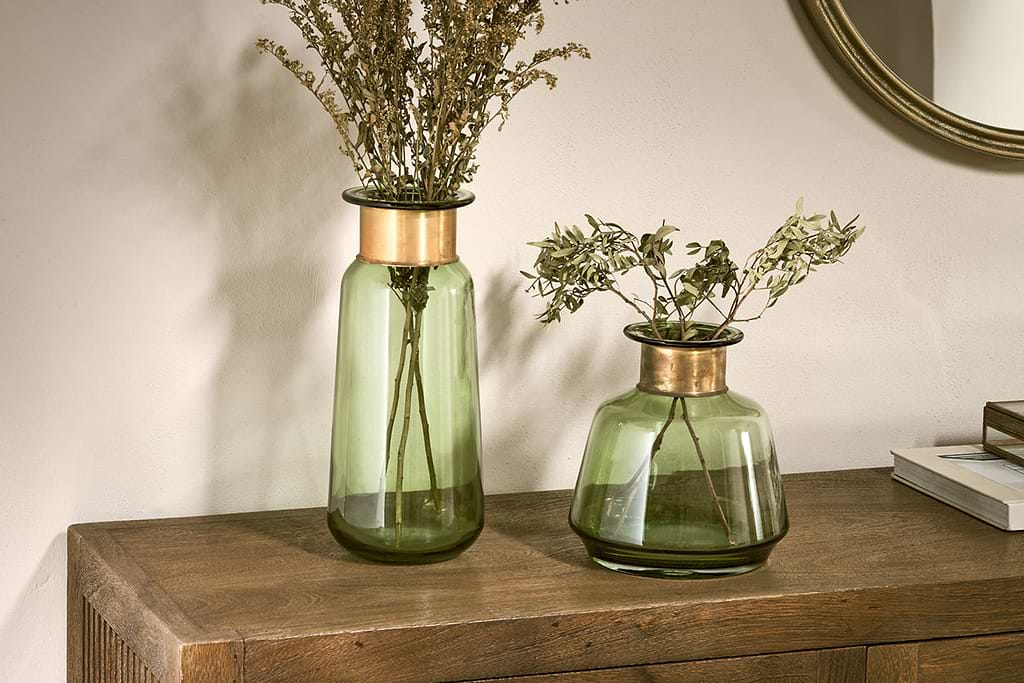
A small selection of Nkuku pieces that work across calm decor themes.
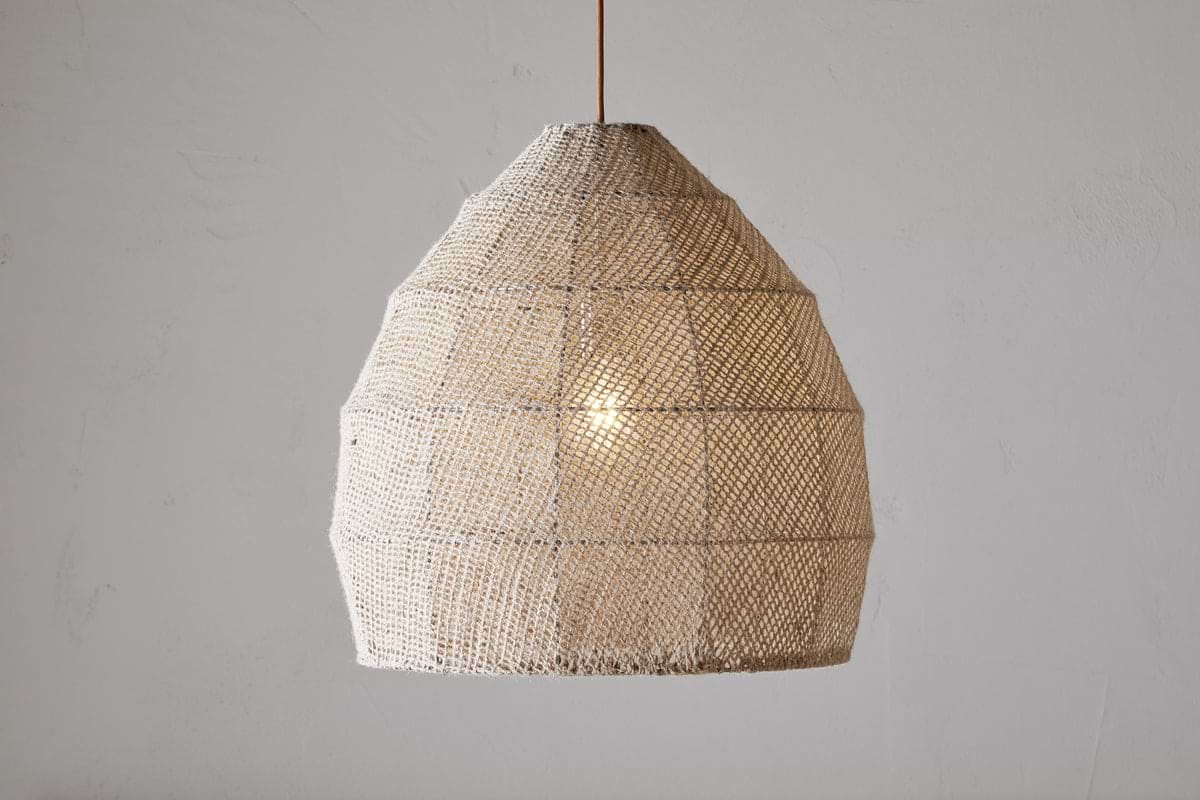
Jahari Jute Pendant
Natural woven jute, adds texture overhead without darkening the room.
View at Nkuku →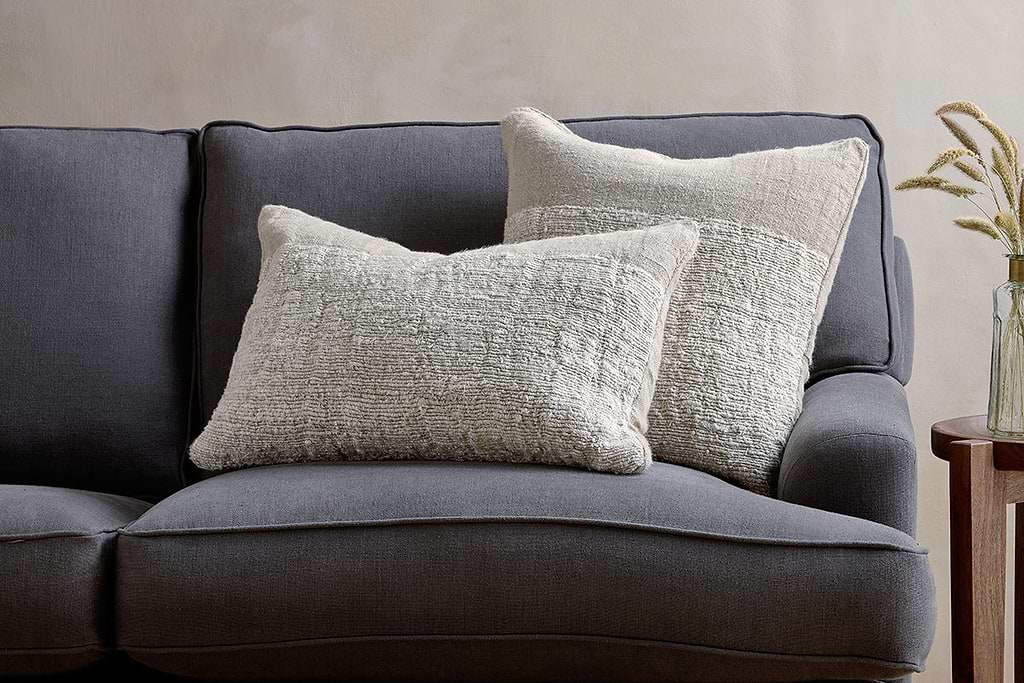
Puli Linen Cushion
Recycled linen in natural, pairs with woven textures and aged wood.
View at Nkuku →Some links above are affiliate links. If you buy through them we may earn a small commission at no extra cost to you. We only suggest pieces we think fit a calm, lived-in home.
Free guide
The Calm Shelf
12 styling ideas to help you compose calm, balanced shelves in natural texture homes.