

Many rooms end up with too many things on the floor and not enough storage at eye level. A walnut wall shelf promises to fix this, but what shows online rarely tells you if the shelf will really last. Shelves that look similar in photos can turn out very different once they arrive, especially if you can’t check the wood before you buy.
If you want storage that stays put and doesn’t warp or chip over time, you need to know what to look for and what to avoid. Today you’ll learn how to see the signs of quality in a walnut wall shelf, where these actually work best, and how to use one to calm a room down, not clutter it up. This works especially well in a small entryway when you have no floor space because a slim wall shelf can hold keys and mail without blocking movement.
The short version: A walnut wall shelf lasts longest when it’s made from solid wood, uses strong brackets, and is styled with restraint. Solid walnut feels sturdy and doesn’t sag under everyday weight. You’ll learn how to spot lasting construction, avoid common mistakes, and find real calm in where and how you use each shelf.
Key takeaways
- A solid walnut wall shelf keeps its shape and finish far longer than a basic veneer, especially with heavier objects.
- The wood grain direction tells you if a shelf will resist bending or warping as years pass.
- Most floating shelves depend on sturdy hidden brackets; weak ones will pull away or tilt.
- Keeping only two or three objects per shelf stops the surface looking busy and lets the walnut show.
- Walnut shelves with a clear natural finish darken gently with age, which most decorators find more forgiving than a heavy stain.

The problem with most walnut wall shelves
Many walnut wall shelves look sturdy online, but thin veneer and weak brackets can make them sag or chip quickly in daily use.
In a busy hallway or kitchen, most thin shelves are there for a season before edges fray or little corners flake away. A shelf that looks perfect on a website might only hold a few paperbacks before it droops or feels wobbly against the wall. Once in a while, a shelf that bends out of shape ends up hidden behind decor, never really used.
If you choose a shelf only by the look in the product photo, it’s easy to buy something that meets your needs for less than a year. A real walnut wall shelf made of solid wood holds its edge, while a veneer will show nicks faster from bags, vases, or moving hands. The cause is simple: solid walnut keeps strength across its entire thickness while manufactured veneer is only strong on the decorative face.
Heavy floating shelves with exposed brackets can sometimes steal the focus in a small room, compared to a hidden bracket or low-profile shelf. Unlike thick, visible hardware, a clean front edge and concealed supports work well in narrow entryways. Place a solid shelf where things land quickly, keys, letters, a basket, so the surface stays clean, and the wood adds depth instead of mess.
Veneer vs. solid wood: does it really matter?
A veneer walnut wall shelf feels lighter and chips quickly, while a solid walnut wall shelf takes everyday knocks without showing wear as fast.
Some brands show identical photos, but they’re often selling two things: a solid walnut wall shelf, and a thin walnut veneer stuck to a cheaper base. Veneer shelves look neat when new, until the top layer peels at the slightest dent, or the edge feels hollow to the tap.
A shelf made from genuine solid walnut brings weight and a warm grain, and when scratched, the color stays similar to the top coat. Compared to a pressed board or pine base, solid walnut feels steady when you press on it. Surface nicks are less obvious because the color runs deep into the wood.
Top Shelf UK sells walnut floating shelves described as ‘veneered wood,’ while Timber Shelves offers 100% solid black walnut wall shelving with all-natural finishes. Veneer is lighter to ship but rarely feels real in the hand. Place a solid walnut shelf in family spaces where bags or moving objects can knock up against it, so you keep sharp corners from wearing down fast.
| Type | Durability | Most common problem |
|---|---|---|
| Solid walnut | Stays flat | Heavier to hang |
| Walnut veneer | Chips and peels | Edge damage |
| Walnut effect (laminate) | Prone to warping | Visible joins |
How to choose a walnut wall shelf that lasts
A long-lasting walnut wall shelf uses solid wood, brackets rated for more than everyday weight, and a smooth, natural finish instead of a thick lacquer.
If you hope your shelf will support cookbooks or ceramics, avoid light, hollow boards with a “walnut effect” sticker. Most big-box stores, including B&Q (DIY.com) lists ‘walnut effect’ floating shelves as an option, but these can bend from just a few small planters or coffee table books. A solid walnut wall shelf keeps its straight edge and grain under everyday objects year after year.
The safest option is a floating shelf built with interior supports, look for at least two sturdy brackets hidden inside, or visible steel angles like the Hamish Solid Wood Walnut Wall Mounted Shelf. For delicate walls, spread weight closer to the corners, and avoid overloading family photos or glass vases in one spot. A shelf with a soft clear finish feels warmer than a high-gloss one, and lets the grain pick up light during the day.
Compared to shelves with visible screws, a carefully handcrafted shelf, such as those found through Bespoke Nature, uses smooth lines that keep dust from building up in seams and joinery. Use a shelf like this as a focal support above a low bench or radiator, especially where clutter tends to pile up, so the surface always looks finished.
Where this works best
A walnut wall shelf fits best in rooms needing slim, open storage where floor space is tight and natural light can pick up on the wood’s texture.
Hallways, entryways, and powder rooms often lack storage that doesn’t feel bulky. Placing a shallow walnut wall shelf above shoe racks, heaters, or below a window keeps things reachable but out of the way. In kitchens, a wall mounted walnut shelf creates a spot for salt bowls or small mugs that might crowd a counter.
Each walnut shelf offers a spot to store everyday items without adding clutter to the floor. Bedrooms with little wall depth can use a single shelf as an accessory landing strip, keeping jewelry or a water glass close without crowding a nightstand. Floating shelves in reading areas make a spot for a stack of books and a lamp, without blocking natural light.
Avoid crowding shelves in bathrooms or behind busy doors, where constant damp or knocks can wear down the finish. Unlike built-in storage, a walnut wall shelf brings flexibility, move or swap the shelf for a Nkomi Basket if storage needs change. Place shelves at shoulder or eye level where you reach for keys and small things daily.

How much weight can a walnut wall shelf hold?
A solid walnut wall shelf with sturdy brackets typically supports what’s needed for books, baskets, or dishes, while most veneer shelves can only manage a few lightweight objects.
Most floating shelves are strongest when fastened to a wall stud with brackets designed to support moderate weight. Standard solid walnut shelving from Timber Shelves is built for more than just a few frames or planters, typical design holds more than a dozen paperback books without bending. Veneer or ‘effect’ shelves, especially from large chain retailers, may start to sag after just two small vases or a compact speaker.
If your home has uneven plaster or older drywall, floating shelves using heavy-duty hidden brackets work better than shelves hung only by two screws on the ends. The cause: spreading weight evenly keeps edges from pulling away, reduces bowing, and means everyday storage, a Nkomi Basket or sturdy bowl, can stay put.
Compared to basic hardware, solid-walnut floating shelves with concealed steel brackets look lighter but carry more weight. For display near light sources, the natural grain in solid walnut gives dimension that simple laminate lacks. Install shelves in living spaces above a heater, window, or small table, where lightweight decor and everyday items share space, and shelves feel safe to use every day.
Styling and placement
Styling a walnut wall shelf works best with a neutral color palette, spare grouping, and one tactile object, so the wood stands out and the room stays calm.
Even the most beautiful walnut shelf looks busy when overloaded with things that fight for attention. Shelves styled with a single bowl, a folded linen, and a soft-sided basket feel bright in low-light rooms. Compared to a mixed, uneven collection, two or three objects with space between them let the wood grain set the tone for the wall.
Low placement near seating invites use, especially for small books or an everyday coffee mug. Pale ceramics, glass jars, or classic storage baskets repeat the wood’s soft lines, keeping the shelf from reading as stark. A linen curtain behind the shelf will break hard contrast, while a nearby woven item like the Nkomi Basket echoes the walnut’s depth.
Neutral shelf styling can help a small home feel uncluttered when palette and materials are kept to three or fewer. A bare walnut shelf looks unfinished, while a crowded shelf feels heavy. Try mounting just one shelf on a long wall, especially where open storage would otherwise look busy.
Quick calm checklist:
- Choose solid walnut or a natural finish over dark stains.
- Limit shelf contents to two, three objects with room between (like a basket, bowl, or small stack of books).
- Aim for one object with visible texture, woven, clay, or unglazed ceramic.
- Keep nearby wall shades soft and neutral to avoid fighting with the warm wood grain.
- Space shelves at least one hand’s width from each other or other wall objects.
What belongs (and what doesn’t) on a walnut shelf?
Small, practical objects made from natural materials look and function best on a walnut wall shelf; too many framed photos or colorful objects can make the shelf feel cluttered.
A shelf that blends a folded linen, a smooth stone, or a woven basket allows the surface to feel calm and open. Books with plain covers, a clay mug, or a single low dish work well, especially in neutral or earth tones. Unlike a glass shelf, walnut does not disappear; the deep color and mild sheen keep it visible even in low light.
If a shelf is filled edge to edge with souvenirs or picture frames, the whole wall can suddenly feel heavy. Instead, leave gaps between items and stick to three or fewer main objects at first; add or swap things seasonally. Fragrant objects, a dried sprig, a wood-handled brush, add use and calm without crowding the shelf or fighting the walnut’s natural tone.
A walnut wall shelf feels clearest when you repeat warm, quiet materials that age at a similar pace, such as woven fiber or stoneware. Unlike metal tins or neon plastic, these keep the shelf from becoming a distraction. Start with a shelf in a quiet corner, maybe above a shoe rack, in a reading nook, or in a small bath where you want storage without extra volume.
Sometimes the room feels unsettled after hanging a new shelf, even if the location and object count seem right. The eye catches on clashing woods, too many colors, or brackets that don’t match the room’s mood, leaving things off-balance for weeks.
Those moments usually point to a need for fewer colors, fewer objects, or a single clear texture that anchors the shelf, making everything around it feel easier.
Once a single, well-placed walnut wall shelf is styled with a few calm objects, the whole room feels less busy and the walls breathe again.
Some homes buy a shelf knowing it’s a quick fix, but too often pick one that’s particleboard with walnut printed on top. It looks fine for a few months, then chips show or the board starts flexing under just a handful of items. What helps is looking for solid walnut or carefully finished veneer, matched with brackets that seem oversized on day one, because these keep the shelf flat and clean long after the newness wears off.
Save this idea for later.
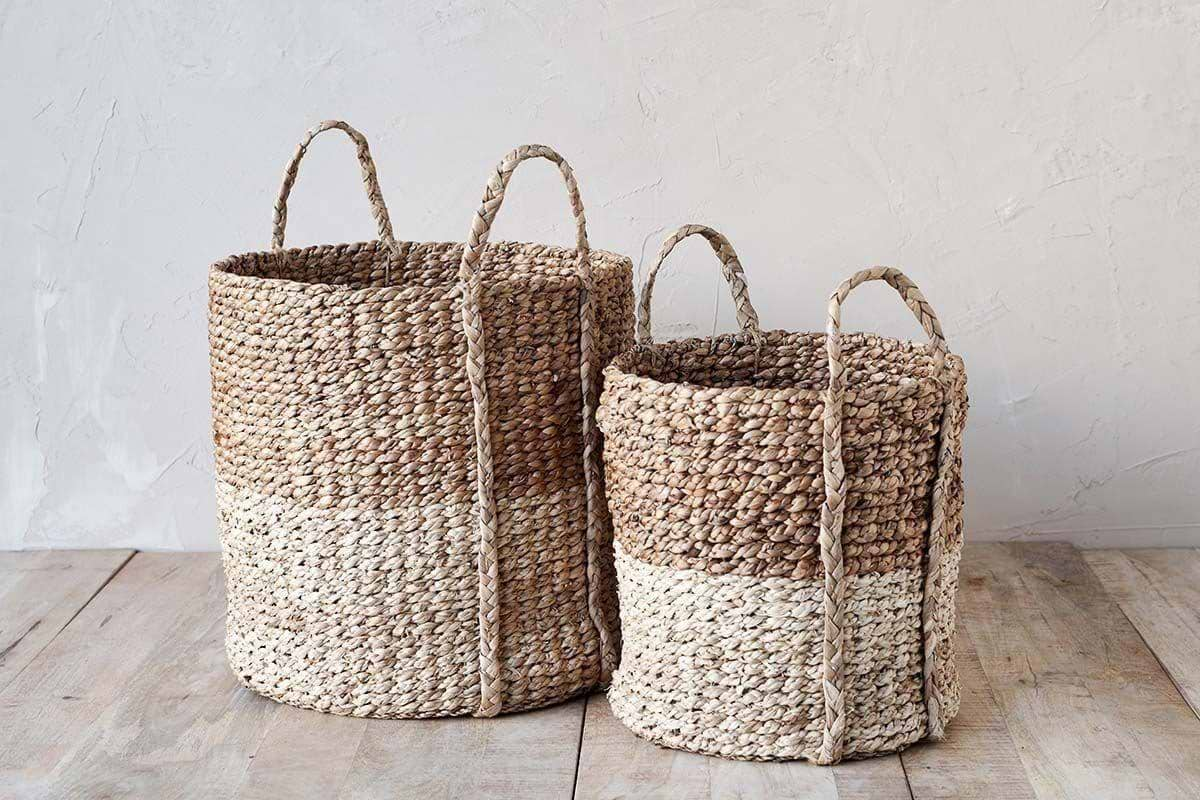
What tends to hold up with styling walnut wall shelves
After reviewing dozens of shelves, both solid and veneer, the same patterns appear over and over: shelves in solid walnut, even at a higher cost, avoid warping and stay smoother at the front edge. Reviewers often point out that natural finishes, not thick lacquer, keep dust from building up and are much easier to wipe clean between seasons.
One thing decorators stress: shelves on their own look best in rooms with calm walls and not too much ambient clutter. If more storage is needed, adding a Nkomi Basket below keeps shoes and cords out of sight, softening the scene without adding bulk or color contrast. This approach works for many home types, especially where people walk past the same shelf day after day.
, Mara, Loom & Glow
Common questions
What’s the difference between solid walnut and veneer for wall shelves?
A veneer walnut wall shelf feels lighter and chips quickly, while a solid walnut wall shelf takes everyday knocks without showing wear as fast.
How much weight can a solid walnut wall shelf hold?
A solid walnut wall shelf made of solid wood holds its edge, while a veneer will show nicks faster from bags, vases, or moving hands.
Where works best for a walnut wall shelf in a small space?
This works especially well in a small entryway when you have no floor space because a slim wall shelf can hold keys and mail without blocking movement.
What finish is best for a walnut wall shelf?
A shelf with a soft clear finish feels warmer than a high-gloss one, and lets the grain pick up light during the day.
Explore more calm combinations inside our Shop The Look .
Shop the Look
Quiet accents that complement solid walnut and handcrafted shelving.
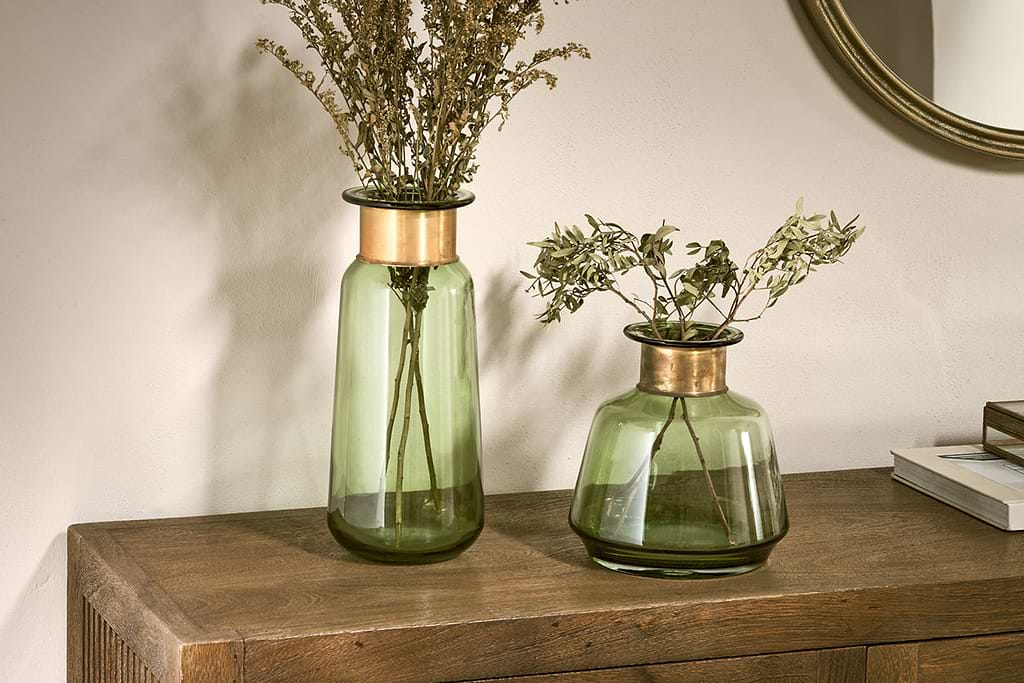
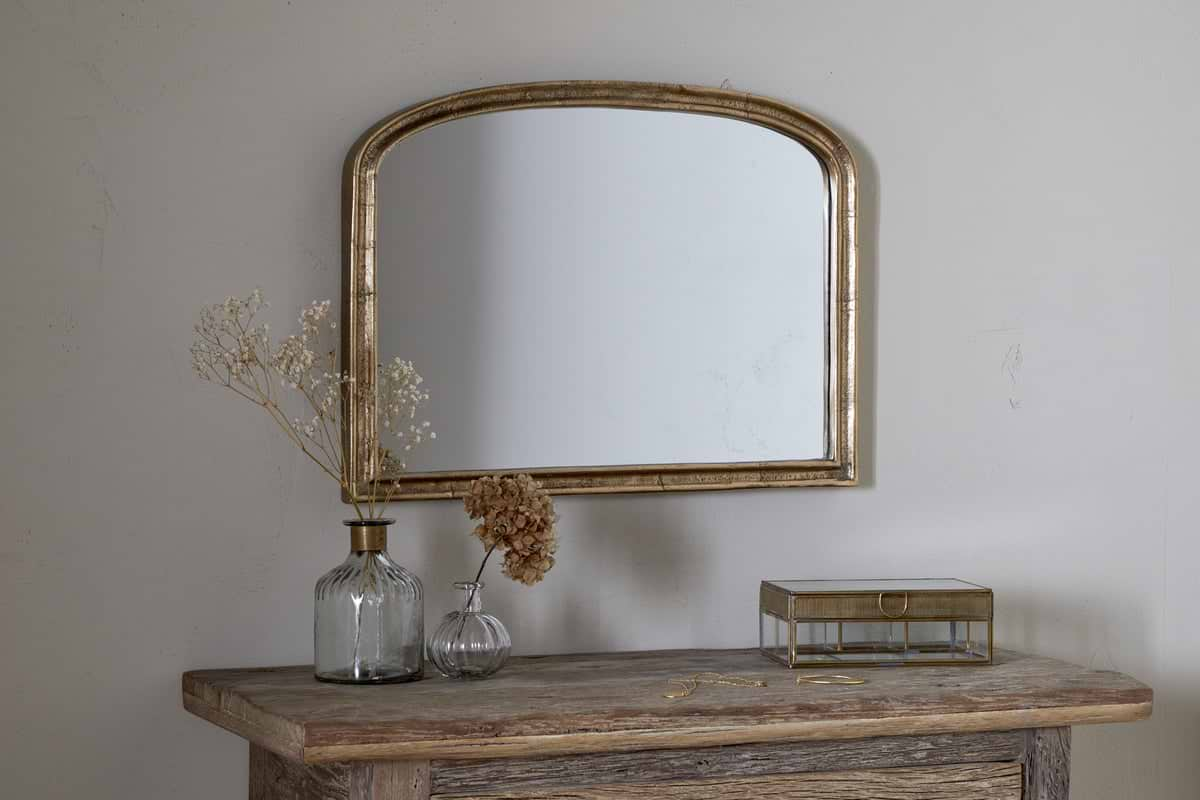
Some links above are affiliate links. If you buy through them we may earn a small commission at no extra cost to you. We only suggest pieces we think fit a calm, lived-in home.
Free guide
The Calm Shelf
12 styling ideas to help you compose calm, balanced shelves in natural texture homes.