

Many homes are left with cluttered, mismatched storage in the corners meant for chores. Most utility room ideas start and end with practicality, but the result is often a cold, mismatched cupboard that feels nothing like the rest of the house. Odd angles, basic shelving, and dumped boots make it hard to keep order, especially in rentals or small spaces.
You can change this by shifting a few habits, streamlining what you keep visible, swapping some hard materials for softer ones, and repeating one or two natural textures. The smallest tweaks calm the space and help it flow with the rooms you love. This works especially well for a small utility room when you have to fit laundry and coats together because it stops the corner from spilling over into the hallway.
The short version: Utility room ideas that use stackable, natural storage and repeat one tone turn a clutter-corner into a calm, practical space. Purge what you don’t use, stick to a limit, and add one element, like fabric or a basket, to soften the room at a glance.
Key takeaways
- A utility room works best when open shelving holds daily-use items and hides the rest in closed baskets.
- Natural materials like linen and wicker cut the harsh look of plastic tubs or metal racks.
- Small utility room ideas should focus on wall-mounted storage to keep the floor clear.
- Boot room ideas can anchor an entry spot even when there’s no true boot room.
- The right light and one calm color make a narrow utility feel open, even with stacked jobs.
- What should a utility room actually do first?
- Where this works best
- How do you keep a small utility room from becoming a dumping ground?
- What materials and finishes are calm, not clinical?
- Styling and placement
- How do you blend cloakroom, boot room and wet zone in one?
- How should you light a windowless utility space?

What should a utility room actually do first?
A utility room supports daily living best when stacked chores, laundry, cleaning, storage, are grouped by frequency and hidden where possible. Shelves for daily-use detergents and hooks for coats keep surfaces clear and avoid visual noise.
Some utility rooms feel like forgotten cupboards. The key job of any utility is supporting routines, washing, hanging, and storing what can’t fit elsewhere. If bottles fall every time you open the door, the space is being asked to hold too many different jobs in one.
Open shelving for laundry detergents, set above a worktop, is a common solution that allows a quick grab for essentials but leaves the rest tucked away. Putting baskets on upper shelves helps keep sports gear or dog leads off the floor. This is not just tidier; it also means you spot what’s running low.
Compared to deep cabinets that swallow everything, a shallow run of open shelves shows only what’s meant to be found while closed crates underneath hide what you rarely use. A shelf works best when about two-thirds of the space stays clear, reducing visual clutter and making cleaning simpler. Daily jobs run smoother once every item has a purpose and a spot to land.
Where this works best
Small, shared, or awkwardly shaped rooms benefit most from clear utility room ideas and careful storage. Entry points and under-stairs spaces gain calm when jobs get zoned.
Narrow under-stair areas, windowless corners, or the side of a kitchen are common homes for micro-utility setups. In apartments and rentals, the laundry, boots, and cleaning supplies are squeezed against one wall, often with no natural light or room for a closed door. When more than one purpose sits in a cramped space, small moves, a single tall cupboard, repeated baskets, make a bigger change than adding more shelving.
Placing a stackable laundry basket beside a tall, slim cupboard lets you handle separate loads or indoor drying without cluttering all surfaces. If a space serves as both a pass-through and a laundry, flooring matters, a small piece of wipeable vinyl holds up to spills by the washer while a jute mat at the entry corral boots and cuts wet footprints in the hallway. This approach brings needed order even in rental homes, where fixing shelves is tricky.
Avoid overfilling a galley-style utility with low, bulky cabinets that cut off the walkway. Too much closed storage in a windowless zone can make the air feel heavy, so blend open and closed elements for balance. Open hooks above a small bench keep coats off wet boots, while baskets can slide out as chores shift.
How do you keep a small utility room from becoming a dumping ground?
A small utility room stays manageable when every item is either used weekly or stored up high and out of the way. Stacking, sorting, and limiting open space cuts back on clutter before it starts.
In rental homes or flats with tight laundry corners, clutter piles up fast. Piles of coats, overflowing baskets, and cleaning sprays stacked in the open make a small area feel even tighter. The simple step of grouping, relocating all shoes to one box, cleaning products to a closed crate, breaks this cycle.
Compared to lining up bottles along every surface, a wall rack or hanging shelf gives even non-drillers a way to get items off the floor. IKEA organises its utility and laundry range into key categories, baskets, racks, and bags, that can squeeze into even the narrow spots (IKEA organises its). A rolling basket or clip-on caddy also suits renters who need a minimal, moveable fix.
If the area is used for both laundry and entry, single-purpose bins (one for school bags, one for cleaning, one for recycling) stop daily clutter from mixing in the same pile. A bag with handles, easy to lift out, is less trouble than a heavy, deep plastic tub. Setting one basket for daily laundry and an open shelf for washing powder helps even small rooms breathe.
What materials and finishes are calm, not clinical?
Materials like pale wood, untreated wicker, and washed linen soften the look of a hard-lined utility space. High-gloss plastic reads colder than a basket or a clay bowl on a shelf.
White melamine and metal dominate utility rooms because they are cheap and easy to wipe down. However, they quickly start to feel cheap or harsh, especially in a room with little light. A simple switch to one or two natural materials, wicker baskets for laundry, a wooden bench for changing, a linen curtain under a worktop, makes the difference between a space you hide and one you can show.
According to Magnet Kitchens, Shaker cabinets painted in calm shades like French Clay and Sumi Black pair well with oak-effect vinyl. Stone or clay pots hold clothes pegs and soften a shiny surface, while baskets in seagrass or jute stop shelves looking like an office file room. A Belfast sink in a matte finish holds up to splashes without drawing the eye like a steel tub.
Unlike all-plastic laundry caddies, a natural fiber basket doesn’t squeak on floors or crack under pressure. Woven baskets age better, showing gentle wear over time, while plastic yellows and bends. A run of linen-blend bags for dirty washing feels less stark than a set of wire racks.

Styling and placement
A calm utility works when each type of storage is grouped, with closed baskets near the floor and open shelves up top. Consistent spacing and repetition anchor the look.
Setting open shelves above waist height keeps daily-use items out of direct sight. Baskets on lower shelves hide stray socks, while tall hooks at the door hold bulky coats and bags that can weigh down a small corner. Keeping at least a palm’s width between baskets avoids the compressed, busy feeling of shelves stacked top to bottom.
Compared to scattering bins or hooks every few inches, aligning them in a run along the wall pulls the space together. This also limits the urge to overfill, as there’s only so much you can fit in a single line. Keeping baskets and crates similar in size avoids the visual jumble of a mix-match system.
Choosing a palette of no more than two main colours (often pale wood plus one fabric) means even plastic baskets won’t jar. Soft white, oatmeal, or sage settle best with plain vinyl or jute underfoot. A single accent, a clay bowl, a small plant, can pull focus without clutter.
Quick calm checklist:
- Keep only two main materials, wood and wicker or linen and clay.
- Limit open shelves to one level above the worktop.
- Stack crates vertically when space is tight, never more than three high.
- Stay with two main colors, neutral and muted.
- Anchor hooks or rails in one straight line.
How do you blend cloakroom, boot room and wet zone in one?
A single area handles coats, boots, and laundry better when roles are zoned, wet boots by the door, towels on high rails, and hats or gloves boxed above.
Many homes have only one entry niche or small end-room to serve as cloakroom and laundry. Wet umbrellas mingle with canvas tote bags, and dirty shoes edge right next to the washing machine. Keeping the wet zone by the door, with a rubber or jute mat, stops water from reaching the main floor. A shelf just overhead provides a place for hats or shopping bags untouched by dirt.
Table: Storage options for blended utility/boot/cloak space
| Storage type | Best for | Placement |
|---|---|---|
| Baskets (wicker or jute) | Boots, gloves, daily shoes | Floor or low shelf by entry |
| Wall hooks (wood or metal) | Coats, hats, dog leads | Above bench or mat |
| Open shelving | Detergent, towels | Above waist, away from wet zone |
| Covered box/crate | Seasonal gear, cleaning products | High shelf or tucked beside machine |
Unlike tall built-in cupboards, baskets or crates can move as the season shifts, summer shoes slide out for sandals, winter for boots. Stacking crates for hats and gloves above the main bench means you don’t dig for what you need. Small handmade storage solutions often use recycled wood or cloth to add a softer look to necessary mess.
Day to day, zoning brings relief: boots don’t crowd cloth, laundry gets its nook, and coats hang dry above the splash line. Even a windowless zone feels more controlled when everything has a rough border.
How should you light a windowless utility space?
Cool white overhead light makes cleaning easier, but a diffused lamp or warm bulb softens the shadows and stops a boxy look. Daylight bulbs on a flat ceiling keep the color clear.
Many utility rooms rely on one exposed bulb or a cold LED above the washer, harsh, but not practical for sorting socks or cleaning scuffed floors. Swapping for a covered glass or linen shade wrinkles the glare, makes the lint less visible, and stops the room from feeling like a basement. Where the space is narrow, additional wall-mounted lights make tasks more comfortable, especially on low winter afternoons.
According to Magnet Kitchens, under-cabinet lighting is a smart swap for dark corners, especially in rooms where open shelving sits above a Belfast sink or stackable worktop. Warm-toned LED strips tucked behind shelves can mimic window light and doubles as a night path for early mornings. Even a rechargeable stick-on lamp, left by the door, steadies the mood.
Compared to overhead spotlights that cast stark shadows, layered soft light makes even a galley utility feel wider and calmer when chores drag on after dark. One warm bulb paired with a pale wall spreads light and flattens shadows, letting the storage fade into the background.
The moment you pause in your utility space and feel distracted, it’s usually because the spot looks unfinished or crowded. Maybe there’s a tangle of shoes under a bench, or old hooks pulled off the wall. Over time, you notice the room gets messier quicker than anywhere else, but it’s hard to spot the problem until you want to actually clean or fold laundry there.
If you repeat one calm colour, keep most of the floor visible, and choose a soft, stackable storage piece, the space quickly feels more finished and easier to keep up.
Sometimes a single wire rack or too many bins overwhelm a small entry, making every stray item jump out. Rushing to add storage without sorting, or picking heavy, closed plastic boxes, leads to a stuffy, overfilled look that won’t last. The air feels heavy, the clutter won’t stay gone, and even with daily tidying, the area never looks like it fits the rest of the home.
Once you swap a harsh piece for a soft-edged basket, stack up instead of spreading out, or drop one element off the list, the space breathes and slows the pace of clutter.
Save this idea for later.
What tends to hold up with calming utility spaces
The utility spaces that truly feel finished often use no more than two main materials, repeated across their shelves and floors. Professional reviewers and decorators frequently note that open shelving in a pale finish, rather than gloss white or chrome, is less likely to collect dust and fingerprints. Matte finishes get recommended again and again for shelves near windows, because they don’t catch glare the way a glossy tray does.
Stackable baskets, especially in linen or jute, survive daily shifts in use without warping or colouring over time. Areas with both laundry and boot room jobs succeed most when boundaries, floor mats, single-colour crates, add structure. These details, subtle as they are, help storage work quietly for years.
, Mara, Loom & Glow
Common questions
How do you make a utility room look nice, not just functional?
The simplest way to make a utility room look nice is to use natural materials in storage, like baskets and pale wood, then limit color and shelf clutter. A hidden basket, a linen curtain, or a single plant can soften the look and match the rest of the home without fuss.
What are the current utility room design trends?
Current utility room design trends favor open shelving, muted colors, and the use of natural materials such as jute, linen, or clay. Stackable storage, matte finishes, and flexible zones for laundry and boots are popular, especially in small or rental homes seeking a calm look without built-ins.
What should you actually include in a utility room?
A working utility room should include space for laundry, washing basket, drying rack, detergent, and storage for coats, shoes, and cleaning tools. The fewer items you keep visible, the easier it stays calm. A wall rack, a basket, and one closed shelf are usually enough.
What are the laundry room trends worth following this year?
This year, laundry rooms use grouped storage, stackable natural baskets, and open shelving for daily-use supplies. Soft colors and flexible crates keep the space calm and easy to maintain, while subtle lighting and pared-down surfaces match modern, practical homes with limited space.
Explore more calm combinations inside our Shop The Look .
Shop the Look
A wall shelf and natural basket keep utility spaces both functional and calm.
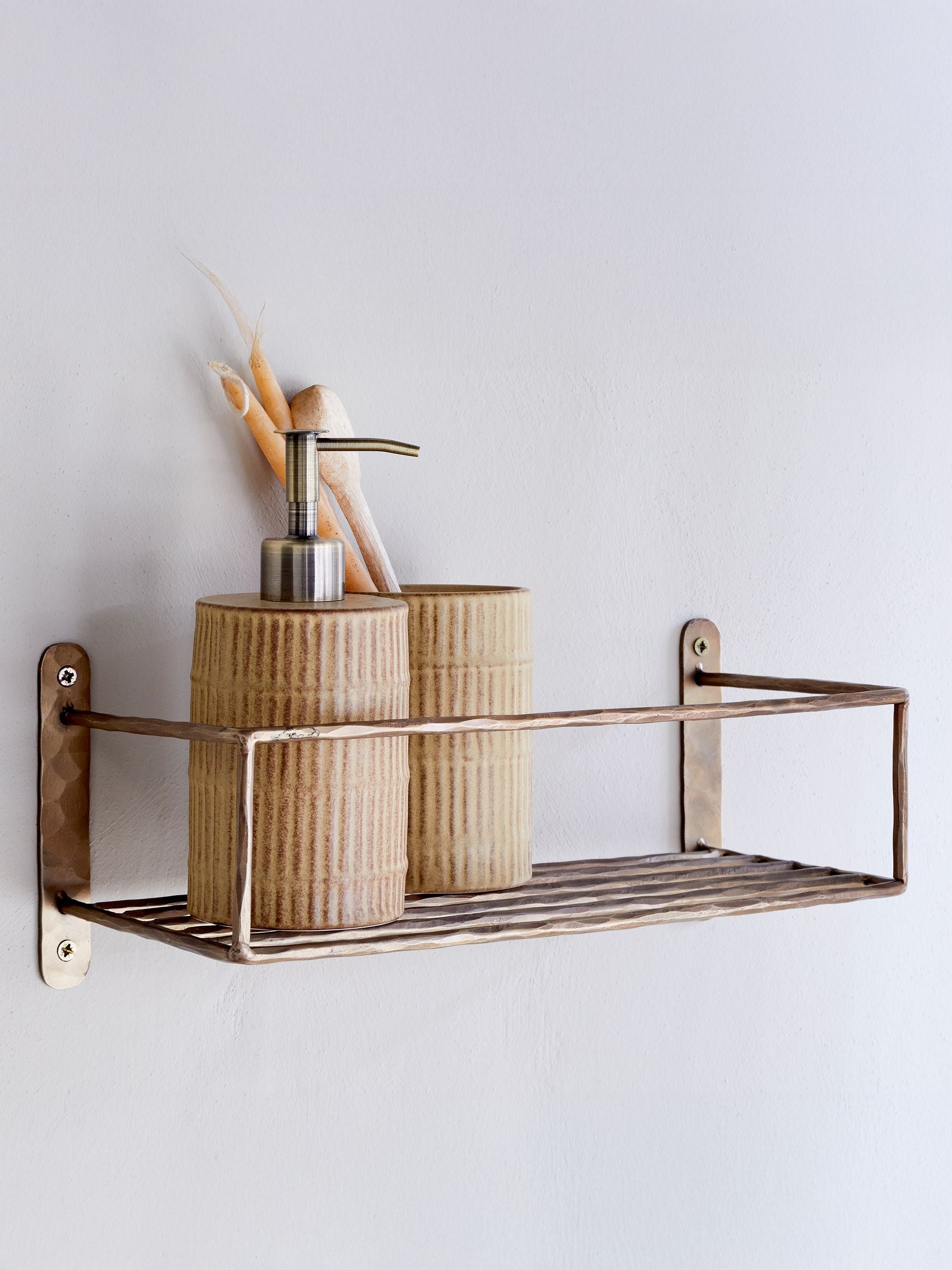
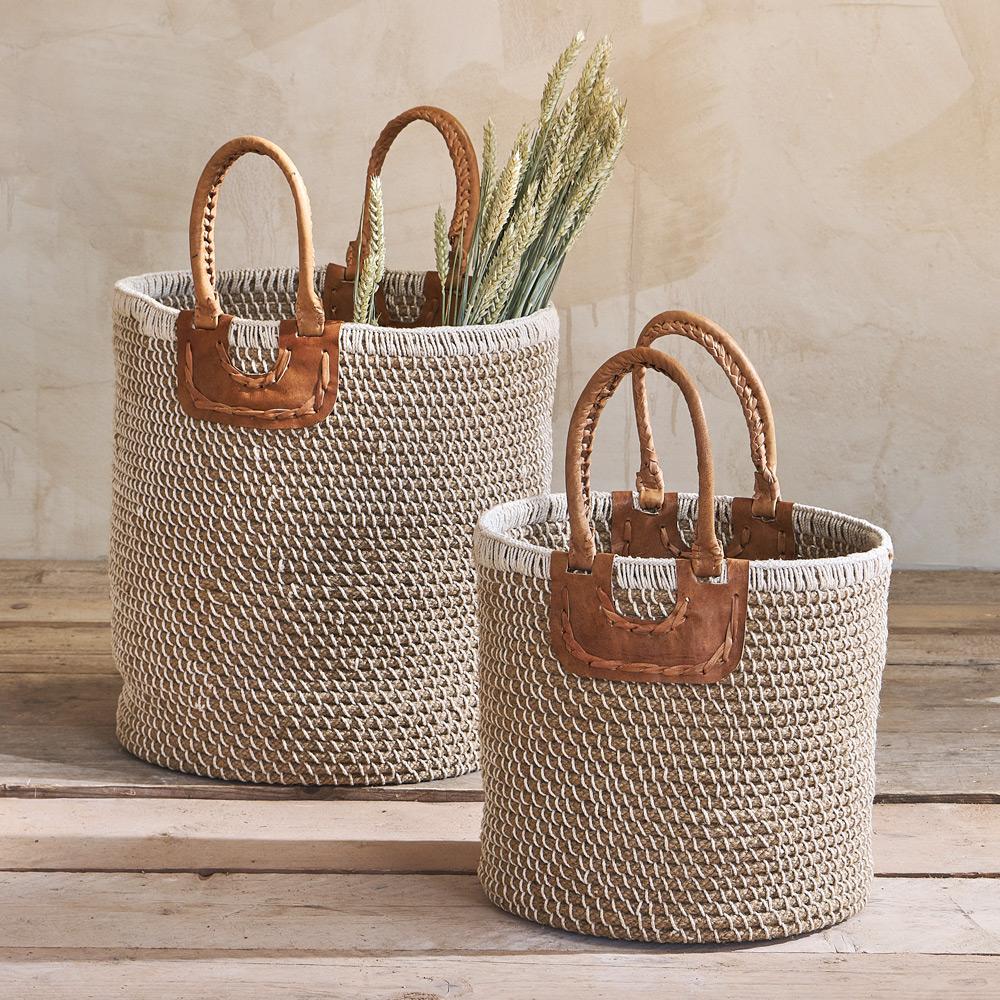
Indra Coil Basket
Natural coil weave, neat enough to leave out, large enough to hide clutter.
View at Nkuku →Some links above are affiliate links. If you buy through them we may earn a small commission at no extra cost to you. We only suggest pieces we think fit a calm, lived-in home.
Free guide
The Calm Shelf
12 styling ideas to help you compose calm, balanced shelves in natural texture homes.