

Even a small balcony in a typical UK flat can get crowded fast. Most small balcony garden ideas look simple in a magazine, but in real homes, plants topple over, pots fight for the same spot, and too many surfaces make it all look messy. The usual Pinterest photo doesn’t show tight spaces, odd corners, or plastic planters left from a past tenant.
You can make a small balcony feel softer, calmer, and less cramped with a few practical changes. Today you’ll see how to use natural material home decor, choose plants and containers that fit, and lay out everything so it feels like an extra room. This works especially well for a rental balcony with privacy screens when floor space is tight because it keeps the area usable and welcoming.
The short version: Small balcony garden ideas work best when you keep surfaces simple, use a few organic textures, and group plants by light and space needs. Even limited areas can feel restful with clear zones, subtle lighting, and careful material choices.
Key takeaways
- A balcony garden succeeds when you know the light, check weight limits, and plan before buying anything.
- Jute, rattan, and weathered wood suit most balcony climates, and they hold up well outdoors.
- Using vertical planters frees up the floor and avoids clutter on narrow balconies.
- Low-maintenance options like succulents, herbs, and plastic pots suit renters or those short on time.
- Solar lanterns extend balcony use after dark without cords, according to Simpolo’s outdoor tips.

Why does a balcony need a plan?
Every small balcony garden works better with a plan because random plant buys and mixed decor quickly crowd the space. A simple plan brings order and lets each material and leaf shape stand out.
Most people start by ordering a few pots or bringing home whatever looks lively at the shop. In a small balcony, these good intentions often create clutter. A handful of odd containers and scattered greenery pull the eye in too many directions. The floor goes from empty to blocked, and the space stops making sense.
Planning matters most for small or shared balconies, where spare inches count and every object needs a place. Instead of fighting heavy, random pots and patio chairs, walk the balcony and list what sunlight, wind, and rain hit during the day. Jot down the biggest surface, railing, floor, or wall, that might anchor the whole layout.
Compared to indoor rooms, a balcony’s tight space and changing weather turn even simple tasks, like watering or moving a worn planter, into awkward jobs. When you build a layout on paper first, it’s easier to spot if you’ve chosen too many different materials or ignored corners that could take vertical shelves instead of wider bins. A plan also helps avoid buying more than you need, which keeps calm in the final look.
A good rule: A balcony garden works best when each pot and shelf fits together visually and leaves a patch of open floor so you can still step out with coffee.
Planning first stops constant rearranging and makes watering, cleaning, and lounging easier over a long UK summer. Start by standing in the balcony doorway and decide what you want to see first: green leaves, a rattan chair, earthy home decor, or soft linen fabric in the breeze. Placing the biggest piece first lets you see what else really fits later.
Where this works best
Small balcony garden ideas fit surprisingly well in rental balconies, tiny flat patios, and narrow urban nooks where each new planter or cushion shapes the mood. These spaces benefit most from layered but restrained natural textures.
In many rental flats, the balcony is little more than a strip wide enough for one chair or two plant pots. Walls can be plain or pebbledash, floors solid or tile, and railing height is rarely a choice. Some balconies get constant sun; others are shaded by neighbouring buildings or a cloudy UK sky for days.
Even so, a balcony garden works in nearly any space, as long as you choose the elements that suit its real conditions. Think of patterned jute rugs under a seat, narrow wooden shelves for trailing herbs, or a linen curtain secured with a pebble. Each material adds to the calm without claiming too much room. A wall-hung rattan tray offers a place for a mug without needing a side table.
Avoid copying indoor looks straight onto the balcony. Unlike a living room, water can seep through pots and wind shakes lightweight containers. Earthy home decor needs to handle sudden changes in light and the grit of rainfall. Rattan chairs work better on covered balconies than ones exposed to constant rain. Wood adds weight but can warp if edges get soaked too often. A calm balcony feels grounded, not full of mismatched furniture.
For renters, detachable shelves and baskets mean removing everything is quick. A removable jute rug or portable stool gives the same warmth as permanent changes, fitting small balcony garden ideas that have to flex around tenancy rules.
How do I check the basics before I start?
Balcony garden success starts with checking sun, wind, and building rules before purchasing any pots or planters. Knowing your balcony’s limits guides every material and layout choice.
The first step isn’t picking colors or shop hunting, it’s observing. According to Ginger With Roots, take a day or two to watch the balcony: which hours get sun, where shadows fall, and how wind sweeps across the floor or against the walls. Note what you want to keep clear (doorways, edges, any drain holes) so nothing blocks an exit or creates a puddle in a storm.
Most block flats and rental buildings have weight rules for balconies. Often, hanging planters and wall shelves that hook over a railing are allowed, while drilling or screwing into walls is not. If you’re not sure, ask the landlord. Plastic planters and lightweight wood stand up best to UK weather and are easy to take with you later, while heavy ceramic or stone looks good but can be hard to move when cleaning or moving out.
Unlike a full garden, a balcony is usually not built for soil spills or deep plant roots. Instead of guessing, check if there’s a lip or tray to catch water run-off from planters, and choose pots with saucers so they do not stain the floor. Planning for both the climate and the rules makes each decision easier: climbing plants may thrive on a south-facing balcony, but will look sparse on a shaded north wall.
Making these checks before buying avoids surprises. For instance, mixing large terracotta with woven home decor can weigh down a rail or look messy when wind moves light and heavy items differently. Small balcony garden ideas come together much more smoothly when you work with your specific space, not against it.
After noting sun and wind patterns, group your intended items by exposure, shade-loving pots together, sun-hungry herbs as a set, textures like rattan shielded where the rain falls hardest. This is the quickest way to keep everything looking intentional and not thrown together.
How do I mix natural materials without chaos?
Combining jute, linen, rattan, and wood on a balcony looks calm only if you set a clear hierarchy: one main texture, two accents, and a restrained palette. Grouping by role prevents visual noise.
Most eye-catching balconies use natural material home decor for softness, but the look turns messy when every object is a different type. A big jute rug sits flat and stays put, grounding the layout. Over that, one or two accents, like a woven rattan stool or a weathered wood crate, bring warmth, while a small linen cushion or curtain adds a lighter touch. This lets each material show up separately, without overwhelming the eye.
A bare balcony can feel cold and echoey. Adding a single, larger jute mat sets a calm base, while a woven home decor piece, a small ottoman or shallow tray, brings a different texture without shouting for attention. Compare this to scattering five small straw baskets across every surface, which splits up the view and makes the balcony feel busier, not richer.
Unlike glossy finishes or bright plastics, organic home decor catches the light softly, blurring harsh lines and blending well with green leaves. If you must mix in plastic containers for weather protection, pick sand, stone, or clay tones to blend with the natural fibres, or hide them behind a rattan basket or wood crate for a layered look.
A widely shared approach for limited-space balconies is to create a “base + accent + living” formula: a jute rug grounds, one wooden or rattan piece anchors, and the green from herbs or succulents brings life. Stick with two or three surfaces at most, and cluster similar items, as random mixing quickly gets chaotic in a tight footprint.

Styling and placement
Place larger pieces first, anchor seating or planters where they fit best, and build upward or outward in small groups to avoid mess. Focusing on one main texture per area keeps things calm.
Start by putting the biggest item, a rattan chair or plant stand, in its natural home, usually a corner or the wall opposite the door. Next, layer the rug or mat under this focal point. Soft, neutral home decor absorbs light and marks out a clear “zone” on the balcony, which makes the space look more open than filling every gap.
Group plants and containers by shape, texture, or color. Line up herbs in a trio of plastic pots in one spot, or stack a set of lightweight hanging planters on a metal rail, above head height. This not only makes watering easier but also stops the eye darting between colors and textures. A shelf unit against the wall can support a mix of succulents and small chicken wire climbers, providing both greenery and structure without stealing floor space.
In a balcony that gets little sun, use a linen curtain as a backdrop or wrap to cut glare while still letting breeze filter through. Hang a shallow woven tray or planter at eye level to create a focal point that needs almost no upkeep.
Quick calm checklist:
- Choose one main texture (jute, rattan, wood) to ground the space.
- Group planters together, not scattered, for a unified look.
- Limit the palette to two or three tones: sand, ecru, weathered grey.
- Anchor one object as a focal point, a sturdy chair, a bold plant, or a woven rug.
- Keep open floor space for movement and keep furniture clear of door swings.
Unlike a crowded shelf stuffed with five different materials, styling with restraint makes a small balcony garden both functional and soothing. Pull up a chair by the main planter and let textures do the work, not the clutter.
| Material | Best Use | Key Care Tip |
|---|---|---|
| Jute | Rugs, mats | Shake out regularly and dry after rain |
| Rattan | Stools, trays | Wipe with a dry cloth, use under cover |
| Linen | Cushion covers, curtains | Wash in cool water, air dry |
| Wood | Planter stands, boxes | Seal ends, allow for drainage |
| Plastic | Planters, baskets | Use neutral shades, cluster behind natural textures |
Once you fix the main layout, your balcony can double as both a rest spot and a small garden for herbs or succulents, with every item easy to move or clean as needed.
For more ideas on layout and must-haves, see IKEA’s balcony must-have suggestions.
Which planters work for tiny balconies?
Planters that work for tight balconies are lightweight, have good drainage, and can be grouped or stacked vertically. Choosing a few matching shapes creates visual calm and saves space.
Small spaces need stackable or hanging planters that keep the floor clear. According to Garden Design, a common approach is attaching pots or shelves to the balcony wall or rail, using hooks or chicken wire to hold lighter containers for trailing plants or herbs. This lets succulents, climbers, or a mini herb garden thrive without crowding the only walkable spot.
Lightweight plastic pots win for balconies; they clean up easily, come in subtle clay or sand colours, and don’t strain the railing. Wood crates last well for a season or two, giving an earthy home decor feel, but avoid letting them sit in a puddle. Some renters use wide, shallow trays or lined baskets to shield plastic pots from view, a fast fix for visual unity when containers can’t match perfectly.
Unlike classic round planters, narrow rectangle boxes slide onto railings or shelves and make it obvious where everything belongs. A vertical garden of mixed plant pots lets herbs grow at eye level, while keeping bigger floor planters for tall grass or leafy foliage in the corner.
Solar lanterns are easy to tuck between planters and serve double duty for evening mood, as noted by Simpolo. This means you use one hook both by day and after sunset.
Group planters by height to avoid the skewed look of one tall pot among very short ones. Use saucers or pebble mats below pots to collect stray water and stop surfaces from staining or going slippery after watering. For more about easy green setups, low-maintenance balcony plants often suit the most stubbornly small spaces.
How can I add warmth and use the balcony at night?
Adding solar lanterns or soft LED lighting makes a balcony usable after dark and turns even the smallest garden corner into a spot for calm. Low-level, indirect light brings out textures and stops the space feeling stark.
A balcony often feels unfinished once the sun sets, but lanterns designed for outdoor use are safer and more versatile than string lights with plugs. According to Simpolo, solar lanterns are a low-effort way to extend balcony time, especially when combined with textured rugs or a linen cushion for seating.
Position lanterns or battery-powered lamps on low shelves, plant stands, or along the railing. Their warm light slides across jute or rattan, picking out rough grain and weaving that might hide in daylight. Instead of hard overhead bulbs, try one main lantern and one smaller lamp at floor level. This avoids glare and makes even plain plastic planters look more interesting.
Compared to harsh task lighting, a few subtle sources soften the lines of metal planters and keep the mood close to indoor comfort. Use light to highlight your favourite zone: a small herb garden, the edge of a linen throw, or the wood tones of a stool. Solar lanterns also meet rental rules and need no wiring.
Cover the shelf with an earthy rug or a pale napkin to boost the lantern’s glow and link the whole balcony back to the neutral home decor inside. For more ways to layer night lighting gently, see balcony lighting ideas.
What tends to hold up with small balcony garden layouts
Looking across many UK balcony gardens, the spaces that age best use just two or three surface materials and repeat their colours or textures from floor to shelf. Reviewers often mention that too much variety makes even clean, organised balconies feel unsettled, while keeping one or two grounded pieces, like weathered wood or sturdy rattan, helps everything settle in quickly.
A pattern decorators point out is that matte and pale finishes, especially those in organic home decor, cope better with the constant shift between sun and rain. According to installers, stacking vertical planters or using detachable shelving offers flexibility for renters, since any upgrade can be removed and updated at the end of a lease. Over time, these details matter more than squeezing in extra planters or squeezing decor into awkward corners.
, Mara, Loom & Glow
What containers work best on tiny balconies?
Vertical planters free up floor space and prevent clutter on narrow balconies where every inch matters. Lightweight plastic or weathered wood containers suit rental balconies because they’re easy to move and take with you when you leave. Avoid heavy terracotta or stone unless your building allows the weight; instead, choose pots in sand, stone, or clay tones that blend visually with natural fibres like jute and rattan. Always use saucers underneath to catch water run-off and protect the floor from staining.
How do you use a small balcony after dark?
Solar lanterns extend balcony use without needing cords or outdoor sockets, fitting the restful mood without adding visual clutter. Position them low on shelves or hang them from a railing hook to cast soft light across the space without overwhelming it. This approach works especially well for rental balconies where you cannot install permanent fixtures. A simple linen curtain clipped to the railing also creates a sense of enclosure and privacy at night.
Common questions
Why does a small balcony garden need a plan before buying plants?
Every small balcony garden works better with a plan because random plant buys and mixed decor quickly crowd the space. A simple plan brings order and lets each material and leaf shape stand out.
What natural materials work best for a balcony garden in the UK?
Jute, rattan, and weathered wood suit most balcony climates, and they hold up well outdoors.
How can I save floor space on a small balcony?
Using vertical planters frees up the floor and avoids clutter on narrow balconies.
What should I check before starting a balcony garden?
Balcony garden success starts with checking sun, wind, and building rules before purchasing any pots or planters.
Explore more calm combinations inside our Shop The Look .
Shop the Look
Nkuku pieces that transform a small balcony into a quiet, planted corner.

Parwaha Marble Bistro Table
Off-white marble with brass-coloured iron legs, small balcony, big presence.
View at Nkuku →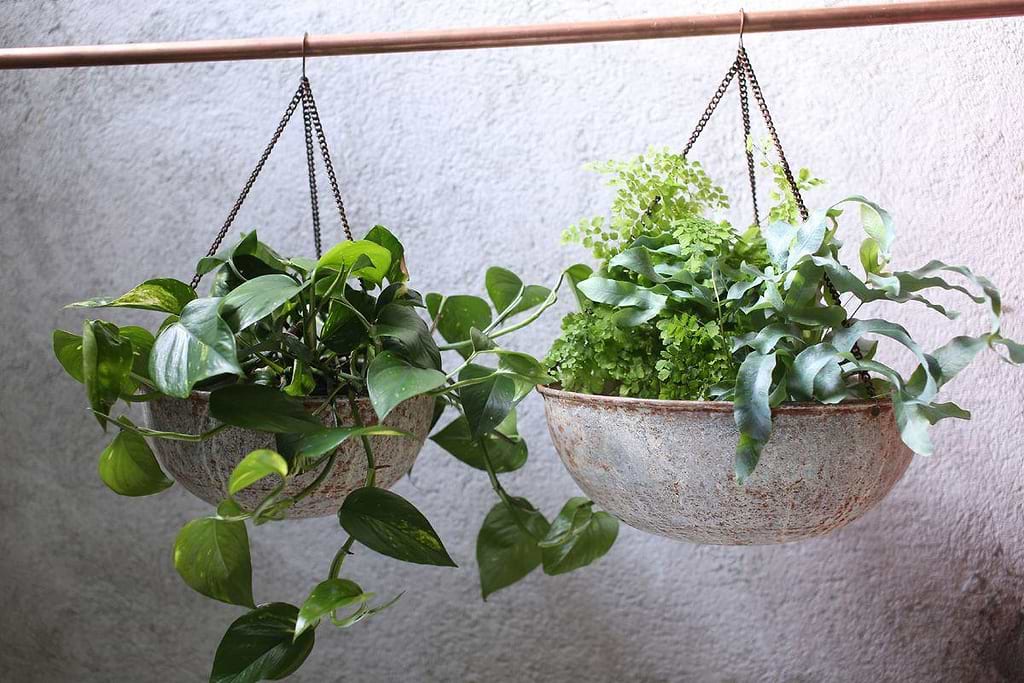
Abari Round Hanging Planter
Minimal frame, round profile, saves floor space on tight balconies.
View at Nkuku →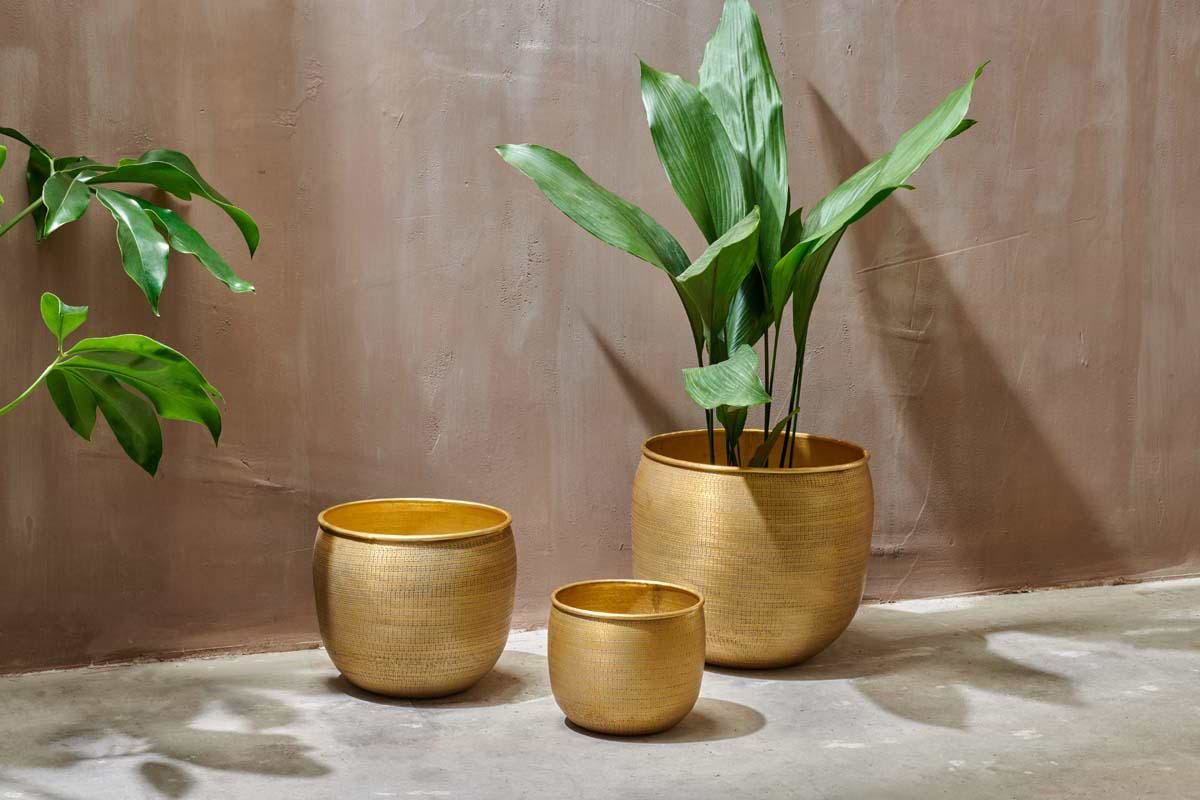
Tembesi Etched Planter
Antique brass with detailed metalwork, refined accent for plant displays.
View at Nkuku →Some links above are affiliate links. If you buy through them we may earn a small commission at no extra cost to you. We only suggest pieces we think fit a calm, lived-in home.
Free guide
The Calm Leaf
12 quiet ways to bring dried botanicals, stems, and natural textures into calm spaces.