
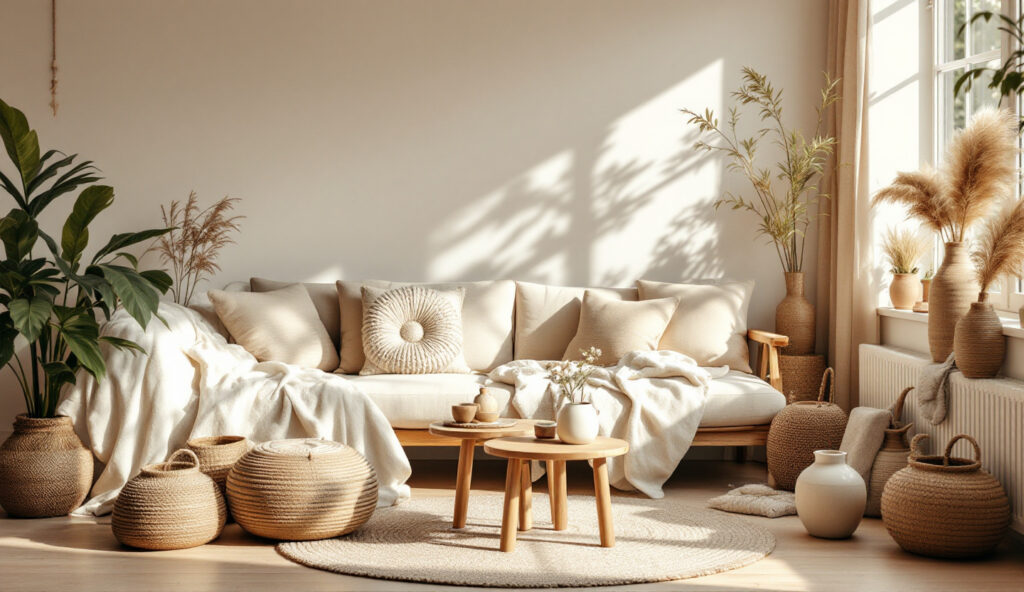
Cluttered shelves, noisy patterns, awkward furniture, many mens decor ideas start off strong but end up feeling either too cold or too impersonal. Most homes land in a comfortable rut: a plain room with dark colours and heavy surfaces, but not much warmth or soul.
The aim here is clarity. Remove the pieces that add nothing, choose new ones for their feel and use, and apply calm colours where you need visual rest. This works especially well in a small apartment when daylight is limited because every surface will pull its weight.
The short version: Mens decor ideas work best when you pair strong, simple lines with natural textures and a neutral palette. This approach strips away clichés and brings warmth and function to rooms of any size. A few well-chosen objects can make a space feel both inviting and unmistakably personal.
Key takeaways
- A masculine interior looks grounded when you balance dark hues with light wood, leather, and tactile fabrics.
- Choosing a smaller palette keeps rooms calm and stops clutter building up.
- Plaids, green accents, and layered materials add quiet detail, according to Architectural Digest.
- Functional decor like a wooden bench or sculptural lamp works best when each piece stands out without competing.
- One strong focal point, such as a textured headboard or large artwork, organises the rest of the room and invites relaxation.

What is ‘masculine’ decor beyond the stereotypes?
True masculine decor means using a handful of honest materials, calm shapes, and one or two personal touches, never relying on clichés like oversized leather sofas and dark walls alone.
A lot of “men’s rooms” start with heavy furniture, deep paint, and basic metalwork. But once you strip away what is expected, a matching recliner, a sports print, a hard surface, it’s clear that real comfort and character are missing. Instead of filling every corner, the best approach lets each piece breathe a little.
Swapping novelty decor for something natural, like a wood side table or a linen chair, feels less forced and lasts longer in daily life. Some spaces keep just one focal object, such as a single clay lamp or a framed photograph, which zeroes out visual noise and brings the room together.
Compared to styled-out “man caves,” a calm masculine bedroom uses fewer items and thicker textures. When you focus on the things that help you slow down, like the soft give of leather or the way a wool throw absorbs light, everyday rest becomes easier.
Adding one piece at a time, seeing what actually helps you use the room, grounds the design in real life. Skip collections of accessories and trends that will fade next season.
The best masculine rooms are never just about dark colours or “statement” furniture. They feel personal because the choices make sense for how you live, and that effect grows stronger over time.
The core palette: how do colours and textures set the tone?
A room with neutral colours and natural texture looks calm, while too many surfaces in hard metal or bright plastic feel harsh and unfinished.
Start with what suits how the room is used: restful spaces often work best with neutrals, warm beige, taupe, olive, and charcoal, layered in matte finishes. Designers favour plaid patterns, shades of green, and warm wood tones for masculine spaces because these shades soften strong lines and bring in a natural sense of order.
Leather, wood, and coarse linen all catch the light differently. On a headboard, leather has weight without looking bulky, while oak or ash warms a wall in a way metal can’t. A dark green wall or a simple gallery of black frames stands out more when the backdrop is a steady, simple tone underneath.
Compared to rooms with only hard-edged surfaces, adding one nubby wool pillow or swapping in a plaid throw pattern (which designers love, according to Architectural Digest) brings depth to an otherwise flat space. The mix of these materials and careful uses of paint or fabric invites you to rest rather than keeping you on guard.
A palette limited to three or four shades makes rooms feel quiet and keeps objects from fighting for attention. The most grounded rooms often use only one bold accent, like a deep forest green blanket, set off by lighter surroundings.
Try this approach in a shared lounge or study. One soft item, like a low, woven ottoman, interacts with the light differently than a metal trunk or glass table. Over time, those surfaces resist wear better than plastic or painted MDF.
Where this works best
Masc-focussed decor works best in rooms that need calm, such as bedrooms, home offices, and small living spaces with limited daylight.
Home offices and compact bedrooms benefit most from these pared-down mens decor ideas. A narrow hallway or a low-light den can use one strong colour and a solid, tactile item, like a wooden bench or slate lamp, to anchor the whole space. In shared spaces, look for empty stretches of floor or awkward corners; even in rentals, a light, warm rug or soft curtain can change how time is spent there.
In an everyday setup, adding a single shelf of grouped objects, a stack of plain hardbacks, a bowl for keys, one framed sketch, gives function without fuss. The table next to your sofa or the blank spot near the entry is a good candidate for upgrading surface or storage. A shelf that actually gets used is better than one just for show.
Avoid copying bar sign clichés or generic “man cave” wall art in areas meant for rest. Overdecorating with dark faux-leather, oversized gadgets, or busy posters crowds out the chance for the room to settle. One strong note, a woven basket, a folded wool blanket, a matte wall sconce, does more than a dozen small accessories.
If your space has a lot of built-in finishes you dislike (like glossy cabinets or patterned flooring), focus on portable objects and new fabrics for the softest shift. Even a lightweight ottoman or jute rug makes a difference.
Let the key material or colour guide what stays and what leaves. When you edit the room to highlight only what works, every piece finds its place.
What are the key pieces for a grounded room?
One textured anchor, such as a wide headboard or solid wood table, gives the room weight, while a few soft supporting pieces (plaid, wool, ceramic) keep things from feeling stiff.
The first choice is often seating, a compact fabric sofa, a wooden chair, or a thick leather bench. These heavier pieces store their shape and age well over years of use. For storage, choose nightstands, shelves, or a low dresser in wood or matte-finish metal. Surfaces that can handle both weight and touch work best.
Lighting matters more than most people realise. Unlike overhead strips or spotlights, a desk lamp in ribbed steel, a fabric-shaded floor lamp, or an old-style globe bulb gives evenings a calmer glow without bright glare. A single lamp is usually enough; too many competing light sources chop up the room and make it feel busy.
Artwork and objects fill in what’s missing. Instead of grouping lots of small decor, hang one bold print with simple lines or frame a map, the point is to add something you like to look at for its shape or story, not to fill a quota. Rooms set in neutral home decor gain even more focus from one standout piece like a sculpted bowl or vintage clock.
The fabrics you choose should stand up to use, toss a plaid blanket over the end of the bed, use a wool runner on a skinny table, place one patterned pillow against the solid couch back. Designers pick these blendable accents for warmth and history: they wear well and look better with time.
| Key Piece | Main Benefit | Typical Material |
|---|---|---|
| Headboard | Pulls attention to the bed, softens vertical line | Upholstered fabric, wood, or leather |
| Bench or Ottoman | Offers seating or surface, easy to move | Wood, leather, woven textile |
| Lamp | Sets mood, softens hard corners | Metal, ceramic, linen shade |
| Artwork | Personal focus, breaks up blank spaces | Canvas, framed print, wood mount |
| Basket or Tray | Keeps clutter contained, adds tactile detail | Jute, rope, clay, matte metal |
Pick the item that solves one specific daily need and adds a textural shift, especially in a room that otherwise feels plain.

Styling and placement
Spacing and simplicity matter most: group objects in small clusters and let each stretch of surface show through, rather than filling every spot.
Begin by working with what you already have. A deep windowsill can hold a single bowl or a lamp, while stacked books and a small plant fit comfortably on a bedside table. On a longer console or media unit, divide the surface into thirds, leave most of it open, set one side for storage, and anchor a piece of art or a vase on the other.
A bare shelf reads colder than one with a single woven basket holding remote controls. Compared to cluttered arrangements, setting limits, no more than a few objects per zone, makes cleaning simpler and keeps the focus where you want it. Place your anchor piece first, such as a lamp or framed work, then layer a softer item nearby.
Windows benefit from soft linen curtains to break up daylight without looking frilly. Wall hooks and rails suit smaller entryways or bedrooms, containing hats, bags, and scarves in tight rows so the space doesn’t sprawl.
The biggest difference shows over time: bare tabletops collect dust and seem unfinished; groupings of objects that serve a daily function, baskets for keys, trays for chargers, keep surfaces useful and satisfying to look at.
Quick calm checklist:
- Pick materials you can touch: wood, leather, jute, linen, clay, matte metal.
- Keep two-thirds of each surface empty for visual rest.
- Limit the main palette to neutral or warm shades, browns, olives, off-white, muted blues, deep green.
- Use one strong focal point per grouping (lamp, artwork, or bowl).
- Let storage be open: baskets, trays, wall rails look better than closed plastic.
This approach works equally well in a bedroom, kitchen, or entry way, wherever clutter tends to build up, start by clearing then group what remains.
How do you make a rental or small space feel intentional?
A rental or compact apartment feels calmer when you use moveable objects, like fabric, rugs, or art, that can be placed anywhere and taken with you later.
Small-space decorating rewards creativity. Without room for big changes to floors or paint, focus on the parts that touch your daily life: drape a wool blanket over an armchair you can’t replace, lay down a neutral rug to cover cold tile, or use tall, simple shelving to stack books and baskets.
Wall decals, framed drawings, and floor lamps all shift the feel of a room without drilling holes or painting. Compared to bulky built-ins or bright plastic bins, these lighter touches add warmth while staying landlord-friendly.
Avoid crowding every surface or stacking too many small accessories. Instead, choose one area for storage (a bench with baskets in the hallway, a nightstand with soft lighting in the bedroom), and repeat a texture, plaid or ribbed cotton, for unity. Fewer, larger objects settle the eye and make cleaning easy.
According to small space decor ideas that designers favour, incorporating vertical interest, such as hooks or a tall mirror, lifts the eye and stops rooms from feeling boxed in.
Start small: swap one synthetic throw for a woollen one, move a lamp or artwork to a new spot, and see which change you actually notice. With each step, the room reads quieter and feels more like yours.
Common mistakes and how to avoid them
Overdecorating and ignoring texture are the most common mistakes when using mens decor ideas; too many patterns and all-hard materials make a room feel noisy and flat.
Adding objects for the sake of filling a shelf or wall doesn’t solve the main problem. Most rooms with clashing colours, mismatched styles, or groups of tiny items end up looking thrown together and lacking purpose. In a masculine bedroom, for example, too many metal frames or patterned pillows can overwhelm instead of supporting calm.
Unlike rooms with all neutral tones and no supporting texture, those that mix just a few colours and match two or three tactile materials (leather, wood, wool) always settle down best over time.
The right fix is usually to remove more than you add. If something doesn’t serve a daily use or invite you to touch it, move it out of sight. Rely on one good lamp, one sturdy tray, or a solid bench to do most of the work. According to key styling tips, sticking to a single strong palette and simple shapes keeps bedrooms both practical and inviting.
Another mistake is layering too many mismatched woods or painted surfaces. It’s better to repeat one finish, like oak or matte black, than to juggle several. Even in a mixed-material wooden home decor room, let one tone or grain pattern dominate.
To avoid the feeling of an unfinished space, make sure you place at least one soft object near the hard ones: let a linen runner soften a console, or a basket break up a solid bookcase. This rule stands up in any style and keeps everything grounded.
Most people realise something feels off when the room looks heavy but never quite comfortable. Things that once seemed useful, extra shelves, cushions, wall prints, start to blend together and lose their purpose. The space can feel unsettled instead of welcoming.
The single most helpful shift is to choose one material or finish as the room’s anchor, and let it guide what stays.
Mistakes show up fast: placing too many hard or shiny items in one area makes the room look unfinished, while clashing patterns build visual noise you can feel after a long day. Many homes end up with rooms that look busy from the minute you walk in, making downtime harder to find.
Making small decisions, a single good lamp, or a linen runner on the table, changes daily use and the mood of the space.
Save this idea for later.
What tends to hold up with mens decor ideas
Working with a shorter palette and honest textures is the most reliable way to keep a room feeling settled. Reviewers often note that thick, tactile fabrics, wool, linen, aged leather, hide wear and look better the longer they’re lived with. Matte surfaces and low-profile lighting get recommended often, especially for shared or rented rooms where glare or dust can be a problem. Designers point out how repeating just one finish, such as oak or blackened steel, makes even old furniture calm the mood of a busy corner. There’s no trick, just finding the few materials that actually support how the space gets used and building from there.
, Mara, Loom & Glow
Common questions
How do you make a man’s room look aesthetic?
The best way to make a man’s room look aesthetic is to use a neutral palette, honest materials, and one strong focal object. Fewer, larger pieces and real textures, like wood, leather, or linen, create a simple, calm layout. Lighting and personal artwork finish the look in a grounded, useful way.
How should a man decorate his house?
A man should decorate his house by choosing a few sturdy, tactile materials and limiting the colour palette to just a few shades. This approach cuts down on visual clutter and lets each object serve a purpose, whether for seating, lighting, or storage. Personal objects and functional decor make the space feel unique.
What are good accessories for a man’s bedroom?
Good accessories for a man’s bedroom include a woven or wooden tray, a plaid or wool throw, a ceramic table lamp, and a framed print or photo. These pieces add texture and usefulness without crowding shelves or surfaces. Strong choices age well and reveal more personality over time.
What do guys typically put on their walls?
Guys typically put framed art, maps, black-and-white photography, and simple shelves on their walls. Instead of covering every spot, focusing on one large print or a gallery of meaningful objects creates more impact. Keeping displays simple prevents rooms from feeling crowded or restless.
Explore more calm combinations inside our Shop The Look .
Shop the Look
A few Nkuku pieces that add texture and warmth without fuss.
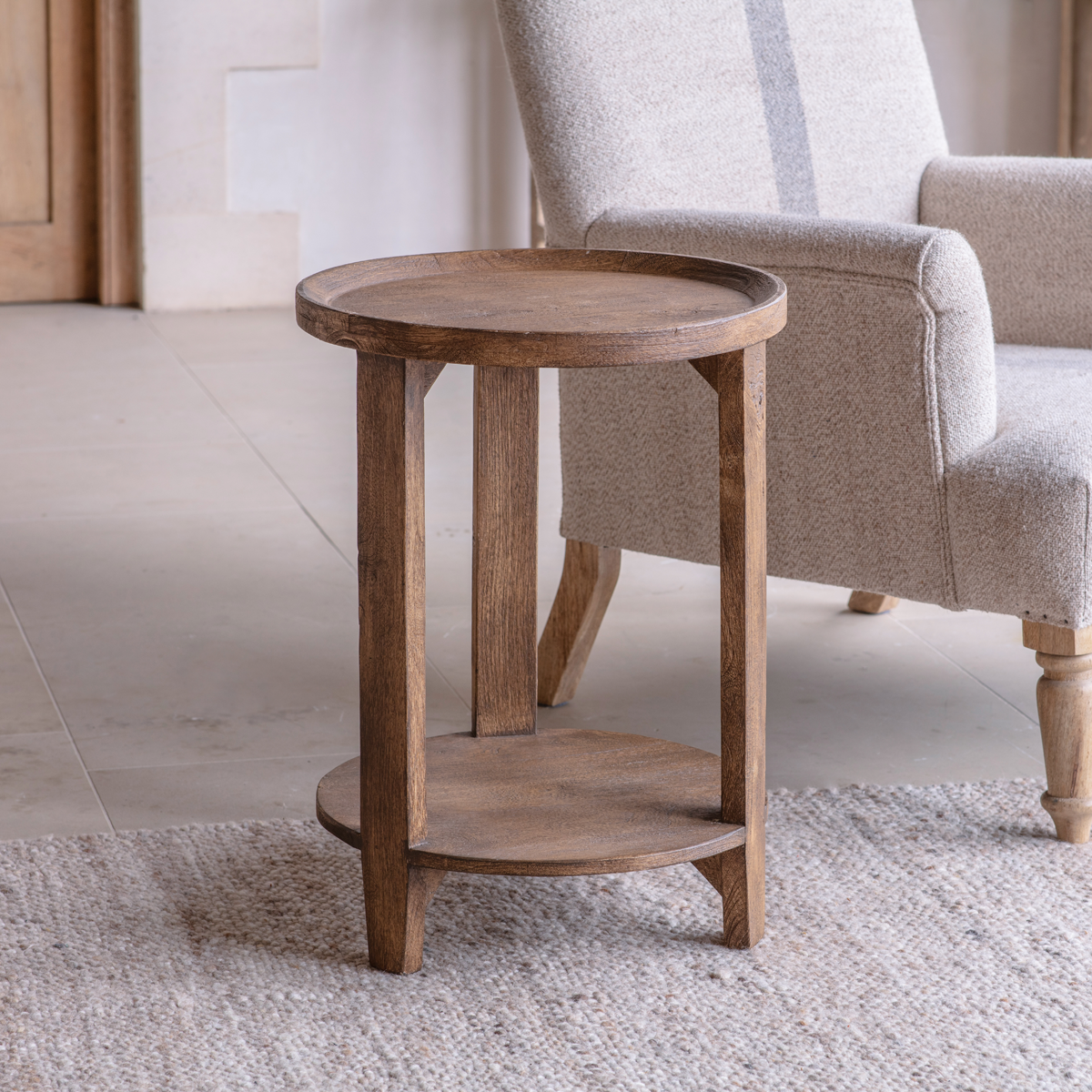
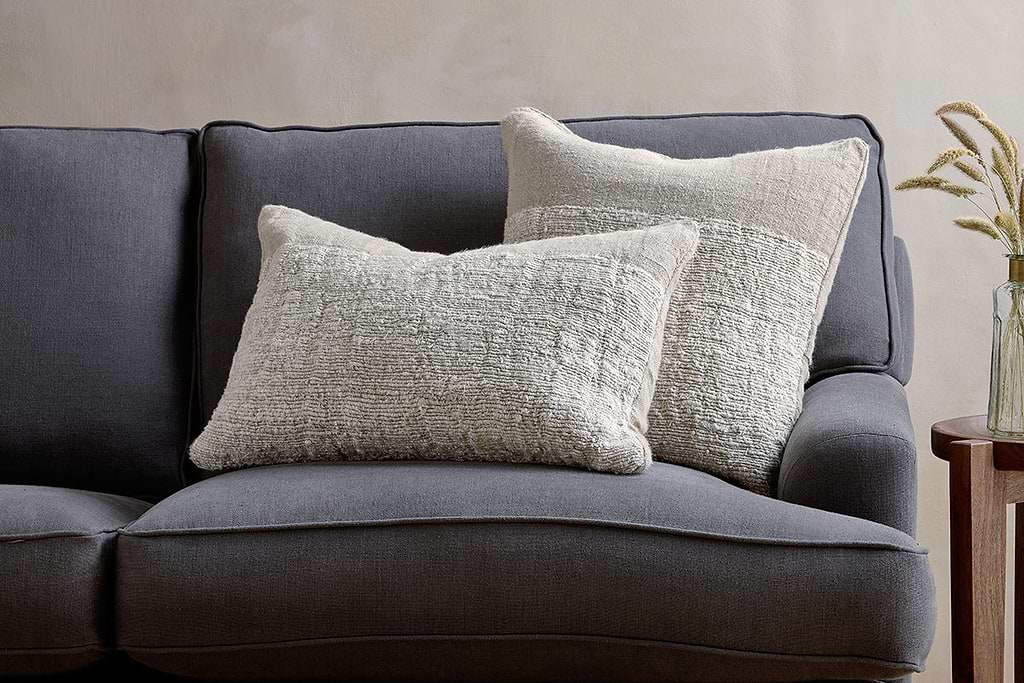
Puli Linen Cushion
Recycled linen in natural, pairs with woven textures and aged wood.
View at Nkuku →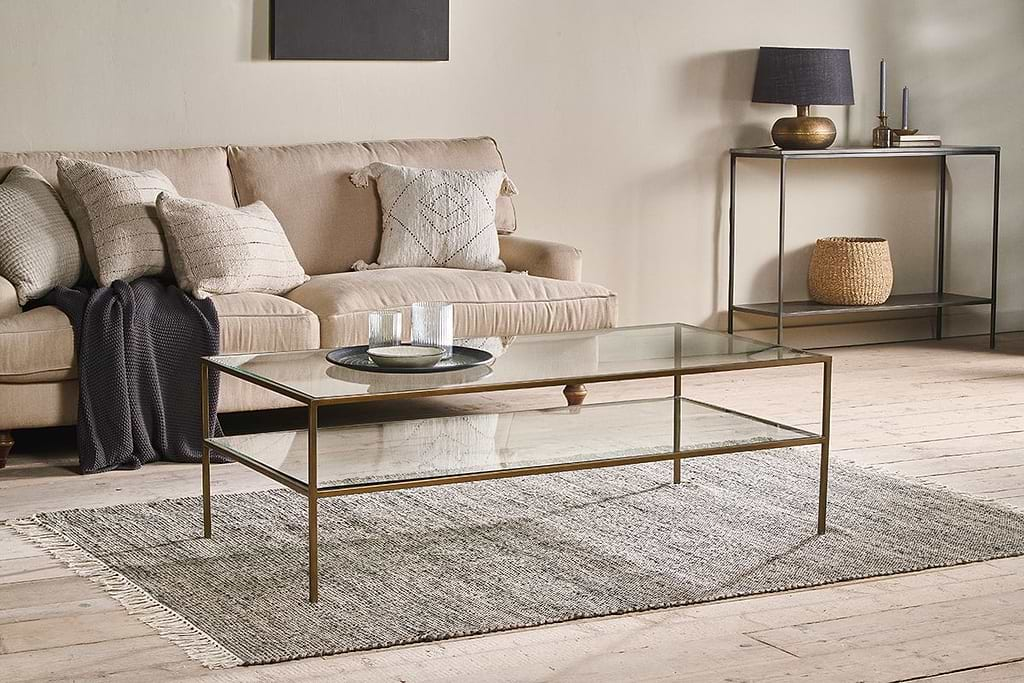
Some links above are affiliate links. If you buy through them we may earn a small commission at no extra cost to you. We only suggest pieces we think fit a calm, lived-in home.
Free guide
The Calm Shelf
12 styling ideas to help you compose calm, balanced shelves in natural texture homes.