

It happens everywhere, hallways, living rooms, rented flats, shelves fill with too many objects, and the question of how to decorate shelves without looking cluttered never really goes away. You pull together your favorite books, a plant, a frame, and somehow the shelf feels busy instead of calm. Even a small mix of things can make open shelves feel overwhelming, especially when space is tight or storage is limited.
Today, set up a shelf that looks open and purposeful, not crowded. You’ll see what to remove, what to keep, and how to choose what goes back. This works especially well in a small apartment living room when you need every shelf to be useful because the room feels busy fast.
The short version: The best answer for how to decorate shelves without looking cluttered is to use the subtraction method: start with an empty shelf, then add only what creates a single clear focus. This small shift makes shelves feel steady and open, even in busy rooms.
Key takeaways
- Grouping items in odd numbers creates a more natural look, according to Sojo Design.
- Mixing horizontal and vertical stacks stops shelves from looking too rigid or too busy.
- Leaving some shelf space open lets the wall colour show through and keeps the area light.
- Using one strong material or colour on each shelf helps break up the clutter for a calmer effect.
- One tall vertical object per shelf anchors the group and makes the styling look finished.
- How do you start styling shelves so they don’t feel crowded?
- Where this works best
- How to edit your existing decor using a subtraction method
- What makes a group look balanced instead of busy?
- Styling and placement
- How do you use colour and texture on shelves without adding clutter?
- What to do with shelves holding too many books

How do you start styling shelves so they don’t feel crowded?
The simplest way to stop shelves from feeling crowded is to begin with nothing on them at all, then add back only a few favourites one at a time. This approach clears visual noise and helps you see what really belongs.
In many homes, shelving blends storage with display, cookbooks next to bowls, bins holding keys across from photos. By pulling everything off, you give yourself a blank slate. You see traces of dust, uneven paint, and all the old items piled up over time.
Unlike jumping right into arranging, clearing the shelf first slows down your choices. The “5-minute reset” simply means taking every object off and wiping the surface clean. You then return only those things that have a clear shape or meaning, one by one, so the shelf stays open.
Most people skip this reset, but according to Shelved, shelving often feels wrong because it becomes a landing spot for whatever’s left over in the room. Tackling it empty helps you see both the wall and the things you value against it. Try this reset with a hall console or the top ledge of a bedroom built-in: you’ll see fewer small piles, more space for the objects that remain.
Where this works best
The subtraction method keeps shelves clear and relaxed in small rooms, shared living areas, and anywhere clutter piles up fast. Starting simple works even where storage is tight, less on display leads to more breathing space.
Living rooms with open shelving, narrow hallways with slim ledges, and kitchens with floating shelves all pick up clutter quickly. Small apartments feel this most. Without much closed storage, every bit of surface ends up showing more than it should.
Subtracting first has daily benefits, things feel easier to find, and the few pieces left out look special. A clear shelf in a dining nook makes the space seem larger. Even in a child’s room, one row of favorite books and a soft basket for odds and ends invites use, not mess.
Avoid using this method only for display shelves in rooms where storage really matters, like pantries or laundry rooms. There, too strict a subtraction can make everyday use less practical. The right match for this approach is any spot where you want shelves to feel part of the room, not just storage squeezed into every gap.
How to edit your existing decor using a subtraction method
Editing with subtraction means pulling every object off, grouping only what feels necessary, and leaving gaps so the shelf can “breathe.” This strips away busyness before adding back anything else.
Begin by removing all items from the shelf, books, little dishes, stacked mail, picture frames. Only wipe and put back what you want to see every day or what helps anchor the space. A bowl that collects change and keys, one small framed photo, a sprig of green in a clay cup, less makes each feel more solid.
Shifting from a packed shelf to one with a few strong pieces takes off visual weight. A shelf with one jute basket and a stoneware vase feels steadier than one holding three baskets, assorted bottles, and a stack of books slipping over the edge. This is the “ten-second test”: if you can’t name its purpose right away, it’s probably adding noise.
For display in a rental kitchen, for example, limit what stays. Too many mugs and jars in different patterns can make a shelf look scattered. Instead, pick one or two items per material or colour, just the pale mixing bowl and the wooden spoon in a jar. This keeps the shelf functional but light, and easier to keep tidy between uses.
What makes a group look balanced instead of busy?
A shelf group feels balanced when there’s one clear focal point, the items are arranged in odd numbers, and open areas let the wall show through. Leaving breathing room stops every object from fighting for attention.
Shelves often look crowded not just from the number of objects, but from having too many things of the same size fighting for focus. Unlike grouping everything in a straight line, placing three pieces, a tall vase, a short stack of books, and a bowl, creates a steady triangle shape the eye can settle on, following the odd numbers rule from Sojo Design.
Even on deep built-ins, alternating a vertical item (a plant, a framed print) with something low and horizontal (a bowl, a tray) breaks up the row. This softens hard edges and keeps the group from feeling stiff. Too many small objects scattered across a shelf can look busy, while a single larger vase next to a book stack looks deliberate.
Allowing 1-2 open spaces on each shelf means the paint or wood grain behind can show through. The shelf looks lighter, and each object “belongs” without getting lost in a crowd. In a dining area, this might mean one wooden cutting board, a small ceramic pitcher, and a napkin stack, spaced apart so none seems squeezed.

Styling and placement
Shelves look calmest when each object gets its own zone, nothing is crowded, and at least one piece is tactile, basket, linen, rough clay. Spacing objects apart creates a softer, more finished feel.
On an open shelf in a living room, use large pieces to set the shape, one stack of books, one ceramic bowl, a woven tray. Unlike filling the whole shelf with small scatter, these anchors give everything else a place to “land.” Stand a single plant pot or tall bottle on one end and keep a plain area in the centre for air. The principle of ‘less is more’ applies here, as noted by Shelved, removing objects is often enough.
If some objects look heavy or flat, add a textural detail, layer a soft linen napkin under a dish, or line up a small branch on the shelf. Compared to only hard surfaces, even one soft texture changes the whole feel. Keep tall things at one end or between shorter stacks, this brings the eye up and down naturally and stops the group feeling boxy.
Quick calm checklist:
- Choose one material or finish per shelf, wood, rattan, matte ceramic.
- Leave some space between objects so nothing touches edge-to-edge.
- Limit each shelf to one or two colours for calm, one anchor object per row.
- Mix vertical and horizontal stacks to break up a rigid look.
- Always allow parts of the shelf surface or back wall to show.
Try this set-up on an entry shelf: a rough basket for sunglasses near the door, three hooks for keys underneath, a single green plant on top. Every piece does its job with nothing extra, and the shelf never feels piled up.
How do you use colour and texture on shelves without adding clutter?
Use a narrow palette and repeat a few textures so shelves feel steady, not scattered. Mixing colours only within one family and adding just one new texture per shelf works best.
Many shelves look noisy because there are too many colour stories at once, blue book, orange bowl, pink frame, green plant. The one-colour rule helps: choose one main colour and only bland versions of others (beige, oatmeal, sage green, off-white). The shelf looks calmer, yet not dull. This is the foundation for neutral shelf styling that makes a space feel finished.
Texture matters too. Shelves with only hard surfaces, glass, metal, glazed ceramics, tend to reflect light sharply and look crowded, while one rough object like a jute basket, linen runner, or woven tray softens the area. Compared to plastic bins or too many see-through jars, one sturdy natural basket hides clutter and makes the shelf look more finished.
Limit shelves to one strong new texture per row, just the rattan or just the clay. Adding plants or a small wooden tray brings in a living edge and pulls eyes away from the lines of books or heavy decor. For a calm shelf styling formula, this method always works best in busy spaces.
What to do with shelves holding too many books
To keep bookshelves from looking packed, group books so some stand upright and some lie flat, with space left open at the ends. Varying stacks makes even a full shelf feel lighter.
Many homes end up with far more books than shelf space, especially in rentals or family rooms. Lining all the spines edge-to-edge reads heavy, while leaving gaps or turning a few books sideways breaks up the bulk. According to Sarah Montgomery, mixing horizontal and vertical placement “creates visual interest” and avoids the library look.
Try the “vertical anchor”: at least one tall object (a vase, a large art book, a plant) stands per shelf, with a stack of 3-5 books lying flat beside it. Use bookends as focal points, a weighty stone, a sculptural wood block. A bare shelf feels flat, but a single basket at one end, or a plant trailing down, cuts the line and opens things up.
Instead of keeping every book on show, store extra volumes in a covered box elsewhere. This leaves a few favourites out while making space to breathe. On a Kallax shelf, hide clutter in baskets and style exposed squares using the same odd-number and palette rules as open shelves. Your shelf will look calm and still be useful.
What tends to hold up with shelf subtraction and styling
Across hundreds of rooms, subtraction always seems to work best when people start with a blank shelf and give up the idea that every inch must be filled. Decorative baskets and matte ceramics keep their good looks over time, even as contents change. Reviewers and designers alike recommend grouping in odd numbers, three or five objects at a time, because it softens the shelf and stops it looking forced.
Matte finishes get recommended again and again for shelves near windows, because they don’t catch glare the way a glossy tray does. The most consistent results come from repeating one or two materials across shelves, instead of mixing metal, glass, and plastic together. These tricks are simple, but they hold up with regular daily use.
, Mara, Loom & Glow
Common questions
How do you decorate an empty bookshelf without buying new items?
Use things you have in new ways: try grouping solid-colour books, pulling out one pretty bowl, or using a plant as an anchor. Rotate in framed photos, a favourite mug, or even a stack of linen napkins for texture. This method lets shelves feel new without extra cost.
What is the basic rule for arranging items on a shelf?
The main rule is to keep objects in odd numbers, vary height and size, and leave space between groups. This approach makes arrangement feel more natural, less stiff. Try using a triangle shape: a tall vase, a short row of books, and a low bowl together always look calm.
How can I make my built-in shelves look thicker and more substantial?
Use a row of books lying sideways as a visual base, or add a wood or stone tray that sits flush to the shelf. Lining the back with a roll of textured wallpaper also helps shelves read deeper. Layering large items in front cements the effect without DIY work.
What is the best way to organise a bookshelf that is both functional and stylish?
Start with books you use often, group by colour or size, and mix in one item with texture, a woven basket, a plant, or a bowl. Leave space between blocks to avoid overloading. This method gives each item a purpose and keeps the shelf light and practical.
Explore more calm combinations inside our Shop The Look .
Shop the Look
A couple of quiet Nkuku accents that add interest to a shelf without adding noise.
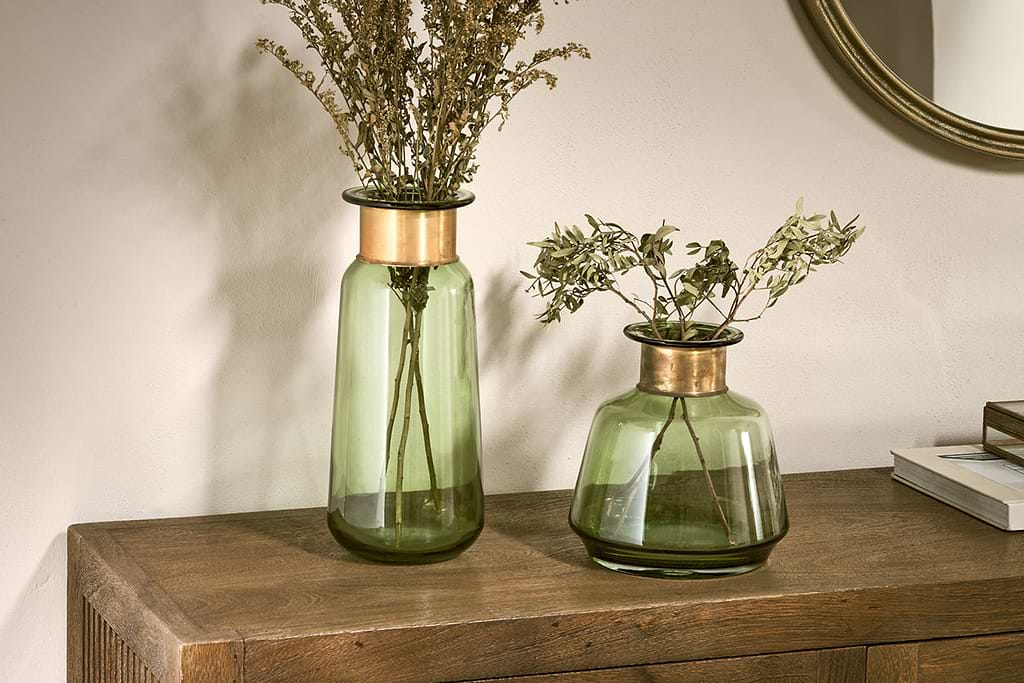
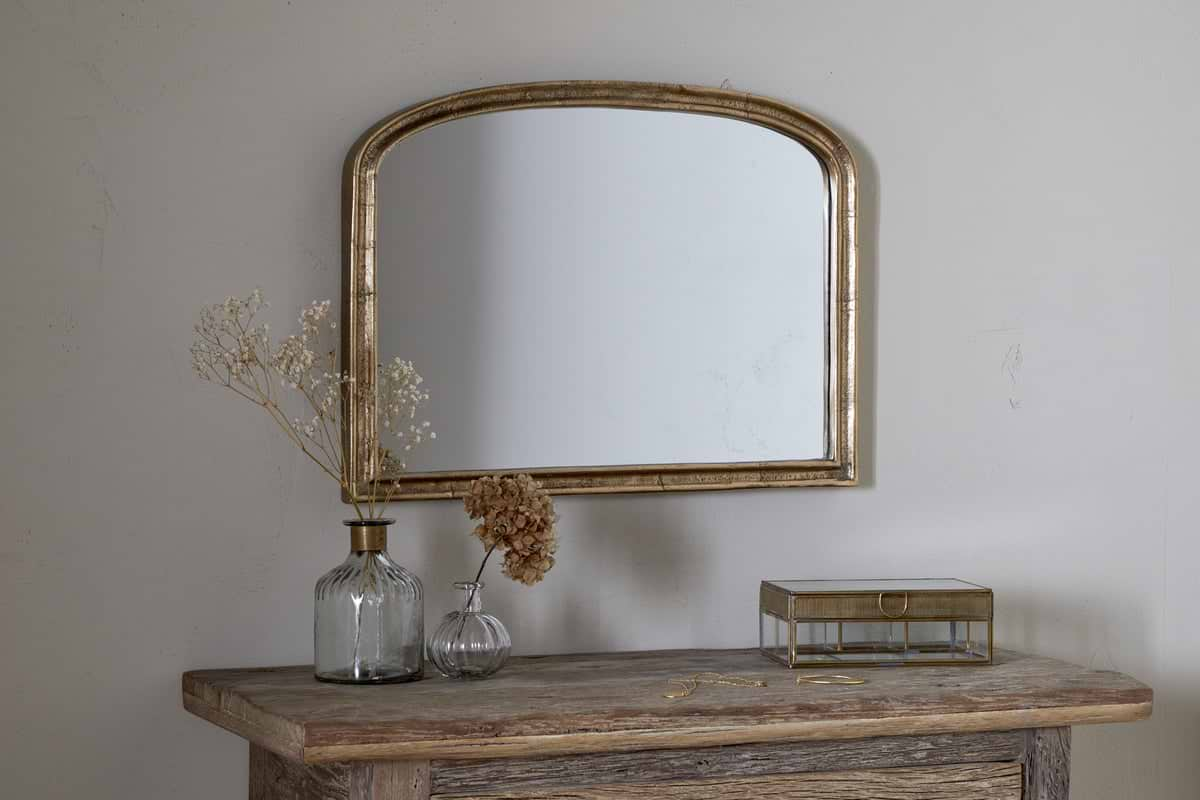
Some links above are affiliate links. If you buy through them we may earn a small commission at no extra cost to you. We only suggest pieces we think fit a calm, lived-in home.
Free guide
The Calm Shelf
12 styling ideas to help you compose calm, balanced shelves in natural texture homes.