

Many homes look finished but never settle into comfort. The furniture fits, the colors work, yet something in the room is missing. In the UK, people often use the home from home saying to describe places that have a true sense of welcome and ease, but getting there isn’t always simple, especially in a rental or a new flat where rooms can feel flat, busy, or generic.
By making a few clear choices, simplifying what sits in view, adding the right materials, repeating small textures, or editing down dominant colors, you can shift how a room feels day by day. This works especially well in a rented lounge when the layout is awkward because it lets you anchor the space without turning the room upside down or breaking your lease.
The short version: The home from home saying means a space where you feel at ease, not just housed, and you can create this with small, concrete shifts in texture and placement. Everyday choices, from a repeated material to a lowered lamp, make a room feel familiar, layered, and comfortably lived in.
Key takeaways
- A home from home is defined as a space where you feel instantly comfortable, according to Wiktionary.
- A textured material, like jute or linen, softens sharp edges and makes a rented room feel familiar.
- Layering with one or two personal objects in reach works better than filling every surface.
- The most familiar feeling in a room comes from predictable light, such as a lamp that stays in the same spot.
- Rooms with fewer colors and a single focal point tend to look more settled and intentional.

What does ‘home from home’ really mean for a room?
A ‘home from home’ means a room feels safe and lived-in, not just filled with the right objects. The key is setting up comfort you don’t have to think about.
In many dictionaries, the phrase ‘home from home’ points to more than just decor or neatness. It’s an environment, sometimes a single chair, sometimes a whole rented flat, that feels as if it has always made space for you.
Unlike showrooms with matched, untouched finishes, a home from home has marks of daily life in reach: a well-used mug, a shelf that keeps your daily book, even a basket with a small snag along the edge. Rooms like this never feel staged. Instead of displaying objects, they let you use them.
If your room feels too borrowed or uncertain, one reason could be that nothing stays in the same place for long, lamps drift, baskets shift, cushions swap places, so no comfort lands. Keeping one lamp in its corner or setting a familiar bowl by the door sets a rhythm that makes people settle more deeply every day.
For anyone renting, this also works as an anchor in a space with changing rules or layouts. You feel in control of what is yours, even in a flatshare or rental with beige walls and rules about holes in plaster. Settle your key touchpoints first.
Where this works best
Areas used often but overlooked, like hallway drops, kitchen tables, or window ledges, benefit most from the home from home approach. These spots can shift quickly from bland to comforting with one or two touches.
Busy hallways often miss the small, tactile signals of home. These are the places you drop your keys, leave your tote, or toss the post. But if left bare, they feel cold and in-between, especially in shared homes, flats or student lets.
Setting down a rough-woven tray for keys, hanging a canvas pouch, or repeating a soft material in one spot makes these areas read warmer. These details draw you in and give your hands something familiar to land on, which is why even a small switch, like switching a plastic tray for a woven one, changes the way you cross the threshold.
Avoid styling with too many loose baskets or storage pieces in one zone. Too many types of storage or overlapping patterns work against comfort, and create a sense of confusion rather than ease. If the hallway is narrow or shares with a kitchen, sticking to a single color or three repeated materials keeps things calm and familiar every day.
How do you make a rental feel familiar without painting?
Soft textures and portable lights work better than painted walls at making a room feel familiar. These can be moved if you switch flats or need to reset a layout quickly.
Rented rooms can feel staged, with standard fixtures and laminate floors. Painting is often not allowed or sensible. What helps most is layering materials that age well, linen, soft cotton, or jute underfoot, and lowering light with a plug-in lamp or shaded bulb.
Unlike a full wall of color, a single natural-fiber rug or draped throw can be taken with you and keeps its softness over years. When you change flats, these become familiar anchors wherever you go, while a painted wall resets to blank as soon as someone else moves in.
Most renters also store things they don’t use daily. Placing a folding chair with a neutral cover, or using a stackable, natural basket for shoes, has two effects: you gain storage and you introduce a lived-in, relaxed look that feels more permanent than balanced piles or empty space. Use these portable pieces near high-traffic doorways or in a corner nook that tends to look abandoned.
The four ingredients of a familiar-feeling space
A familiar-feeling space usually has four things: one repeating texture, a soft light, a clear focal point, and an everyday object within arm’s reach. These give comfort without effort.
The most comforting rooms keep light simple and low where you rest. In living rooms or near your bed, a single shaded table lamp works better than ceiling spots. According to reviews of warm minimalist home designs, side lighting avoids glare and lets the room relax at night.
Natural textures, especially those that show a bit of age, like a linen curtain with a crease, a clay bowl with an uneven rim, break up too-smooth surfaces and quiet down echoey rooms. Unlike glass or plastic that show every smudge, these materials look more forgiving and improve with wear.
Personal objects should be picked up, not only displayed. One small shell dish for rings by the sink, a marker at your desk, a favourite candle near the bed, each grounds you where you need it. Compared to shelves stacked with too many objects, one or two in daily use feel natural and never forced.

Styling and placement
Repeating the same material, spacing out objects, and keeping a calm palette helps a room settle visually. These are more forgiving, and less tiring, than trend-led touches.
Styling begins with what you choose not to put out. In a new home, many fill every shelf, but bare spots feel lighter. Most designers recommend leaving about two-thirds of surfaces clear; this lets each object breathe and gives your eyes space to rest.
Using a single woven basket, linen runner, or unglazed clay pot on both sides of a room draws lines and connects spaces, unlike mixing many materials that clash at a glance. These small links between corners pull a room together and make daily life easier; you always know where to reach, and the room stays settled.
For renters, not all colors feel restful over time. Neutral or earthy tones create a backdrop that doesn’t fight for attention. If you want to warm up an existing sofa or table, throw a cotton blanket in a muted tone, or change a lampshade to unbleached fabric. Both soften the space and hide minor marks.
Quick calm checklist:
- Limit surface clutter: keep most shelves and tables clear.
- Repeat one or two natural materials across soft and hard surfaces (like linen and jute).
- Use only three main colors (plus wood, white or black as accents).
- Place one object you use daily within easy reach.
- Keep a soft light source at hand instead of relying on overhead lights.
This approach works best near main entryways or the corners where people tend to pause, as those are the places that quickly signal either chaos or calm.
What common mistakes prevent the ‘home from home’ feeling?
Overfilling shelves, mixing too many patterns, or rarely moving key objects prevent a room from feeling like a home from home. The fix is editing down and repeating key choices.
Many homes start with a burst of decoration, then stall. Open bookcases fill with books and objects, but nothing feels connected. A shelf crammed with mismatched frames reads more like a storage zone than a comfortable room.
Mixing more than three strong patterns (on pillows, rugs, or curtains) can overwhelm, especially in a small apartment. Patterns fight for attention and leave nowhere to rest your eye, compared to repeating one color or texture, which connects the room quietly.
Rooms also miss out when everyday objects get moved constantly, or lamps travel from room to room. Stability matters: keeping the same bowl in the same corner, or using one rug to ground a chair, lets both the eyes and the body rest. Small routines build the familiar feeling over time.
How to use the saying without sounding cliché
Using ‘home from home’ works best where it’s honest, describing comfort, settled routines, or familiar materials, never just as filler in marketing or small talk.
Many see the phrase in hotel ads or Airbnbs, but its strongest use is personal. Saying a friend’s flat feels “home from home” signals a real ease, you know where the mugs are, you can leave your book out, and you’re welcome to settle in.
According to the Collins Dictionary, the phrase often comes with simple examples: a spot you use often, a safe place for study, or a room with a soft chair and open locker. These touches make the difference between generic and genuinely welcome.
Unlike phrases that feel forced, like “cozy retreat” or “curated sanctuary,” keeping to plain descriptions is more direct. The best compliment is that a room acts like a home from home, not that it simply tries to.
Often, the moment you notice something off comes late at night or after cleaning, the space is tidy but still feels cold, unsettled, or unfinished. There’s nothing wrong on paper, but it doesn’t feel like you want to linger.
One typical mistake is over-styling: adding décor for the sake of it, buying storage pieces with no real use, or chasing trends that look good online but sit awkwardly in real rooms. Most homes end up visually busy or oddly empty, which makes daily routines less relaxing. Too much variety in texture or color, without repeating any one material, keeps comfort at arm’s length.
Bringing in one piece that grounds the room, a soft lamp, a basket, a personal mug on the table, instantly helps you reclaim the space for daily use, making the room easier to live in.
Save this idea for later.
What tends to hold up with familiar-feeling rooms
Reviewing many rooms and reader questions, one thing stands out: natural materials continue to earn trust because they age gracefully. Cotton, wool, and jute show signs of long use without looking tired, so renters and owners alike rely on them. Another pattern decorators mention is that matte finishes get recommended again and again for shelves near windows, because they don’t catch glare the way glossy trays or pots do.
Moving toward personal comfort, instead of just hitting “finished” on the checklist, shapes whether a room feels familiar every day. Small visible signs of use, a book partway open, a kettle out instead of stowed, a lamp in its usual corner, do more to put people at ease than any big design statement.
, Mara, Loom & Glow
Common questions
What does the word ‘home’ mean to you?
The word ‘home’ usually means a place where you feel safe and at ease. It is the environment where your routines and comforts stay close, no matter how the outside world changes. Many people find home in a flat, a room, or even one familiar chair.
What are some other phrases that mean ‘home away from home’?
Other phrases include ‘second home,’ ‘safe haven,’ ‘personal retreat,’ and the related term ‘home from home.’ Dictionaries like The Free Dictionary often list ‘home away from home’ together with ‘work from home’ and similar comfort-based idioms. These phrases stress the feeling of ease and belonging.
What are some memorable quotes or phrases about home?
Famous quotes about home include “Home is where the heart is” and “There’s no place like home.” Phrases like “home from home” and “safe environment” highlight the emotional comfort found in a lived-in space. Such quotes have been used for centuries to explain why certain rooms feel special.
What does the saying ‘out of house and home’ mean?
The saying ‘out of house and home’ means being deprived of your home, often through being overwhelmed by guests or by circumstance. It’s used to describe a situation where resources run out, leaving you unsettled. This phrase is almost the opposite of ‘home from home,’ which is all about feeling secure and comfortable.
Explore more calm combinations inside our Shop The Look .
Shop the Look
A handful of familiar Nkuku pieces that make a new space feel gently lived-in.
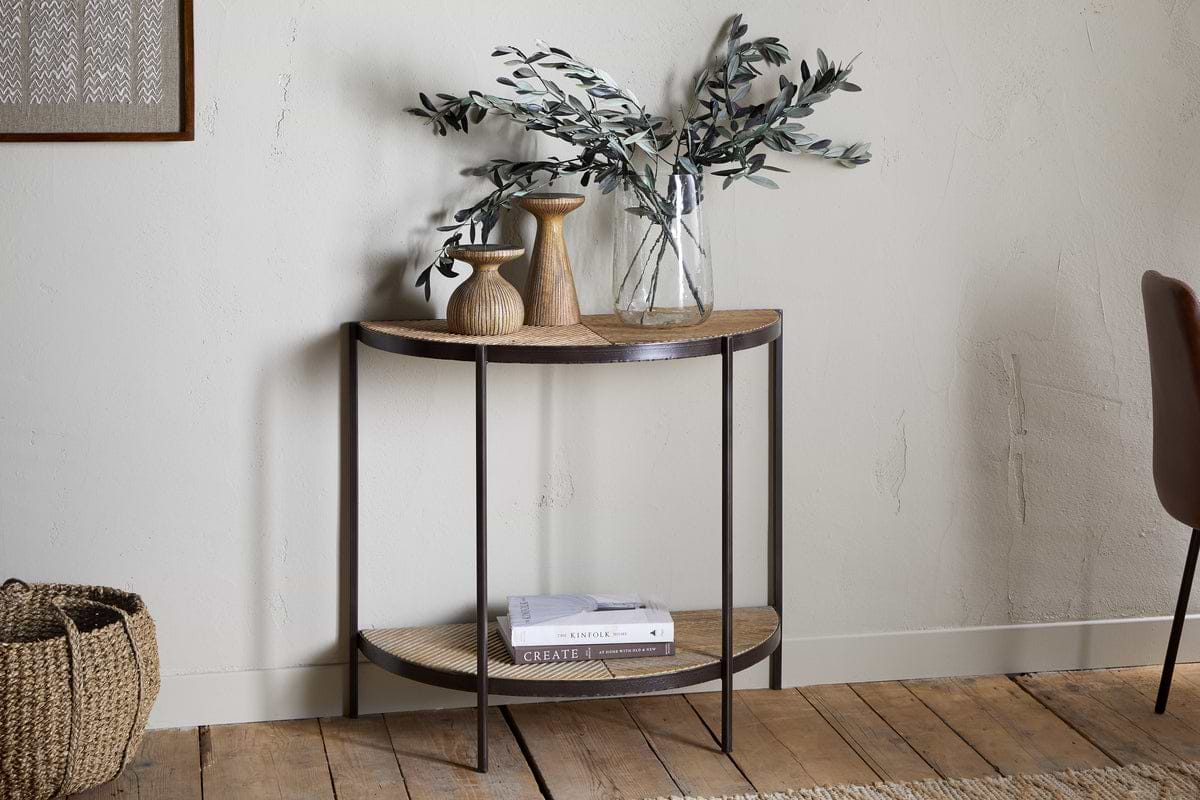
Aasha Console Table
Half-moon silhouette in mango wood; anchors entryways and narrow walls.
View at Nkuku →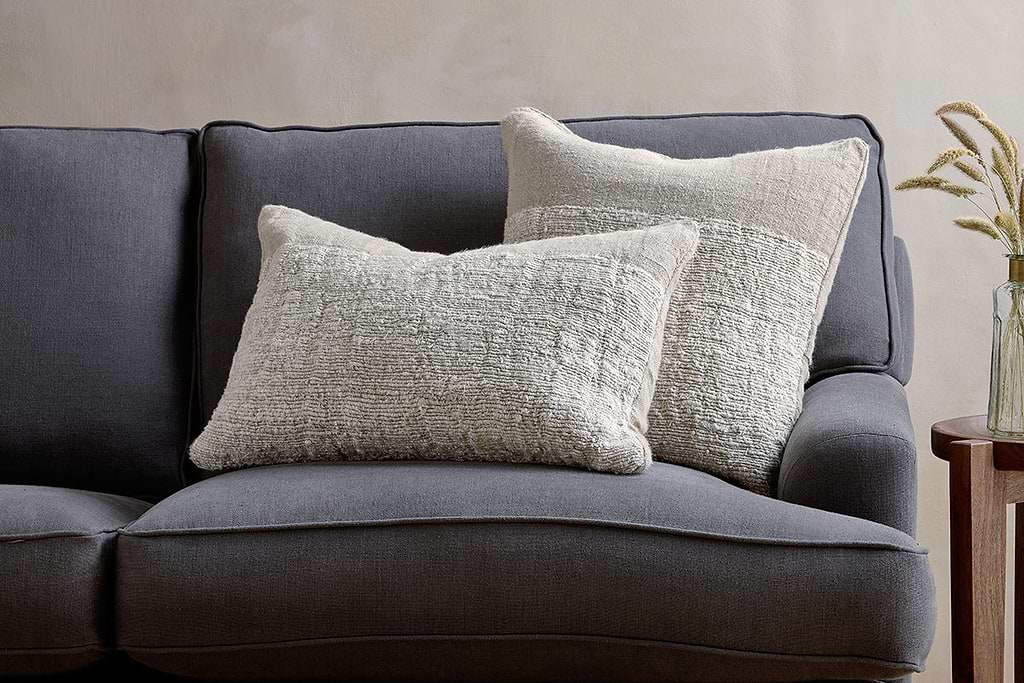
Puli Linen Cushion
Recycled linen in natural, pairs with woven textures and aged wood.
View at Nkuku →
Some links above are affiliate links. If you buy through them we may earn a small commission at no extra cost to you. We only suggest pieces we think fit a calm, lived-in home.
Free guide
The Calm Leaf
12 quiet ways to bring dried botanicals, stems, and natural textures into calm spaces.