

Many small rooms feel cluttered or dim, especially when the only mirror has a pale or shiny frame. Using a dark mirror can seem risky, some worry it will make the space darker or highlight all the wrong things. But the heaviness of a dark frame can anchor a busy wall, pulling scattered elements together without adding mess.
Today, you’ll learn how to shift a distracted, low-light corner into a more grounded, finished spot by swapping in a dark-framed mirror. This works especially well for small bedrooms or narrow entryways when clutter or low light is the main challenge, because the dark edge creates one clean focal point and tames everything else around it.
The short version: A dark mirror in a small, dim room draws the eye to one grounded point and makes scattered corners feel less busy. It simplifies how the light bounces, anchors the wall, and gives messy rooms a finished edge, without adding more clutter or glare.
Key takeaways
- A dark mirror frame works by creating a focal point that reduces visual noise in cluttered or low-light rooms.
- Grounding a wall with a single dark feature helps scattered corners feel tidy and contained.
- Choosing the right spot opposite a light source multiplies the light’s effect.
- Letting one dark frame stand alone keeps the room from feeling heavy.
- Most affordable dark mirrors are made of metal, wood, or wrapped rattan for under-shelf or hallway use.
- What is a dark mirror in home decor?
- Why does a dark frame work for small, dark, or cluttered rooms?
- How do you choose the right dark mirror for your space?
- Where this works best
- Styling and placement
- How do you prevent a dark mirror from making a room feel heavier?
- What types of affordable dark mirrors are available?

What is a dark mirror in home decor?
A dark mirror in home decor features a frame with a deep tone, usually black, charcoal, or dark brown, which draws the eye and outlines the reflective glass. Unlike screen-based uses of the phrase, a decor dark mirror changes how a wall feels physically, not how a story unfolds visually.
A home decor dark mirror usually means any wall or standing mirror with a black, near-black, bronze, or deep wood surround. This frame color adds a border that stands out against soft plaster, light wood, or pale paint. Most options use metal, wood, or painted composite, but some wrap their frame in rattan for a softer shadow edge.
The role of a dark-framed mirror is different from the Black Mirror TV series, which creates drama through changing technology. In your home, the physical object controls light, reflection, and where your eye lands on a crowded wall.
Compared to frameless or gold-edged mirrors, a black or dark frame changes the mood: it sets a “stop” point on plain walls and lets everything else stay quieter. Painted or stained frames also show fewer smudges and fingerprints than pale ones, especially in a high-touch hallway or bath.
Using a dark mirror here works well to give a sense of order and boundary where a plain mirror might get lost in pale surroundings or blend into visual mess. The effect is strongest with artless, simple glass instead of ornate frames or decorative carving.
Why does a dark frame work for small, dark, or cluttered rooms?
A dark frame breaks up clutter visually by setting one clean edge around the mirror, so scattered objects feel less overwhelming. The eye rests on the frame first, not the mess, which makes a busy room feel more settled.
In a crowded entry or tight bedroom, visual noise often comes from both things and reflections layered together. A dark mirror acts like a period at the end of a sentence, it gives the wall a defined finish. Unlike a frameless or bright-edged mirror, which can float and disappear, a dark frame shows exactly where attention should land.
The main reason this works: contrast. On most walls, especially pale ones, the frame gives a strong outline for the glass, so the reflected light feels focused, not scattered around. Overfilled bookcases or laundry bins beneath a dark mirror also draw less attention than if a shiny brass or frameless mirror sat above them.
Instead of making the space feel heavier, a properly placed dark-framed mirror clears up confusion by acting as the “anchor” among smaller or lighter items. If a mirror reflects a cluttered surface, the darker frame “contains” the busy scene inside it, similar to how a black picture frame separates a family photo from its background.
To put this into practice, set a dark mirror across from your main natural light source so it reflects the best open area, rather than doubling up clutter or doorways. This keeps the corner from feeling boxed in.
How do you choose the right dark mirror for your space?
The right dark mirror for a small room has a slim frame, matches the strongest line on the wall, and sits across from the best light source. The wrong one is bulky or crowded by nearby dark objects.
Start with proportion. A mirror with a thin metal or wood frame fits most interiors and does not overwhelm a short hallway or tight alcove. Experts often recommend that the frame width echo another main element in the room, like the window trim or shelf edge, so nothing looks random.
Another rule: Don’t pick a dark mirror that’s wider than the furniture beneath it. A console with a full-length wall mirror needs the mirror a bit narrower to keep the ceiling from feeling lower. Rounded-corner frames soften harder lines on walls with square moldings or rigid shelving, while rectangles work well next to doors or windows.
Most affordable options fall into three types, slim black metal, dark-stained wood, or rattan-wrapped. Each has a different effect on a room. Rattan softens and adds texture, black metal is crisp and industrial, and dark wood reads warmer, especially among natural materials.
The best affordable mirrors for tight budgets usually start below 50-60 GBP. Most are sized for bathrooms, entryways, or small bedrooms but can look more generous when grouped with lighter decor, like a pale woven rug or linen curtains.
Where this works best
A dark mirror works best in small bedrooms, entryways, or hall corners where the space is dim or feels scattered. The frame gives scattered objects a single visual focus, pulling the room together.
Rooms with low windows, rented flats with pale walls, or apartments with limited daylight are some of the hardest to style without looking mismatched or dreary. In these settings, a dark-framed mirror pulls attention to the middle of the wall, lifting the mood above crowded surfaces. Soft rugs, baskets, and pale bedding help dampen echoes and bounce extra light around.
Applying this idea in a small bedroom means putting the mirror above a narrow dresser, letting the dark outline guide the eye upward. In a hallway, a dark mirror acts as a clear destination, drawing people inward instead of letting the space feel like an afterthought.
Avoid wedging a dark mirror into a cluttered corner full of other dark-toned decor, such as black shelving, chocolate frames, or dark-heavy art. Too many deep elements side by side can make the space feel boxed in or cold. Instead, try keeping the mirror as the single dark detail, with everything else paler or in natural tones.

Styling and placement
A dark-framed mirror needs open space around its edges and at least one light or pale object opposite it to soften the contrast. The placement matters just as much as the mirror itself.
Hang a dark mirror where it “catches” the best daylight, not the shadowiest corner. For many homes, this means centering it on a wall across from a window or at the end of a hallway that feels spare. Setting the mirror too low behind clutter will only reflect mess, so clear off the surface below it.
Spacing helps a lot. Most stylists suggest 10-15cm of bare wall between the frame and anything next to it, allowing the dark edge to breathe and the glass to reflect light cleanly. Placing plants, ceramics, or books close by can soften the effect, but avoid lining up too many dark objects beside the frame.
Quick calm checklist:
- Choose a matte or lightly brushed dark frame (metal, wood, or wrapped rattan) to limit fingerprints and soften glare.
- Keep the space below the mirror uncluttered, one bowl, small vase, or stack of books is enough.
- Use pale or natural textures near the mirror: linen, pale wood, or ceramic break up the darkness.
- Hang with enough empty wall on each side so the dark line feels anchored, not cramped.
Apply this rule where rental limits mean you can’t repaint: a dark mirror can mark out a visual center, so you can skip wallpaper or bold art and use natural objects for softness instead. A small mirror styling strategy calls for keeping everything else nearby simple and light.
How do you prevent a dark mirror from making a room feel heavier?
To keep a dark mirror from weighing down a room, use only one other dark item in its sightline and keep the rest of the palette light. Spacing matters more than frame thickness.
A dark-framed mirror pulls the eye, but too many dark pieces nearby quickly make the room look closed-in. One mirror with a single black lamp or dark wood stool works, but add more and the space starts to sag visually. The less you cluster dark objects, the more “lifted” and open the room feels.
Glass also helps. Reflections automatically double the brightness of a window or lamp angled across from the mirror. If the frame is matte, it won’t reflect harsh outlines or fingerprints, unlike gloss lacquer or mirrored frames. Lighter curtains, pale table runners, and jute baskets around the space stop the mirror from acting like a black hole at eye level.
Compared to glossy mirrors, matte finishes draw less attention to dust and smudges, and natural fiber or lightly brushed metal show wear better over time. Use one dark accent for grounding, but keep the background open for the best effect.
Try this: pair a dark-framed mirror with woven baskets or pale ceramics underneath to keep the area both useful and uncluttered.
A dark mirror works best when it sits as a single bold mark among paler or softer surfaces.
In a dark living room, use the mirror to echo the lines of a window, not fight with heavy curtains or bulky furniture.
What types of affordable dark mirrors are available?
Affordable dark mirrors for small spaces include slim black metal frames, rattan-wrapped rounds, and dark wood sunburst styles. Most work as hallway or bathroom mirrors and avoid extra visual clutter.
Black metal rectangle mirrors usually run on the slimmer side, making them easy to hang in entryways or bedrooms. The neatness suits modern or industrial rooms, especially over a shoe rack or small console. A rattan-wrapped round mirror adds just a touch of warmth and works above a dresser or next to a wardrobe, softening the dark edge and mixing well with linen curtains or pale bedding.
Sunburst shapes in dark-stained wood are less common but can break up long flat walls, offering a gentle alternative to all-straight lines. Compared to heavy, ornate frames, these designs stay well under the typical budget for wall mirrors, especially in shop sales or online marketplaces.
| Type | Main Material | Best Spot |
|---|---|---|
| Slim black metal | Steel or aluminum | Entryway, hallway, near door |
| Rattan-wrapped round | Natural rattan, MDF | Bedroom, above a chest, next to curtains |
| Dark wood sunburst | Veneered or solid wood | Living room, feature wall |
Most budget options slide under the 50-60 GBP range, while the rare hand-finished type goes higher. The slim metal designs suit renters, since they’re lightweight and easier to mount without drilling large holes. For texture, rattan balances the hard edge of black without feeling flat.
To apply: Hang a slim black metal rectangle in a hallway where it can reflect back a stretch of wood flooring or white wall, catching the best available daylight.
For anyone fighting a cluttered or low-light space, there’s a moment, often while tidying yet again, when the room still feels unfinished, and the problem isn’t stuff, but lack of focus on the wall. Selecting one dark-framed mirror, instead of layering lighter frames or prints, breaks through this. Suddenly, the space pulls together, and the sense of scattered mess starts to resolve into one direction.There’s a practical shift when you decide to make the dark mirror the anchor: it reduces the loudness of everything else, becomes the single strong mark, and everything around it feels less thrown together.Most homes that miss this step end up with too many small frames, or mirrors that disappear into the wall, so clutter stays visually loud. The downside is a sense of busyness or lack of finish, even after you’ve cleaned.Once you use one dark mirror as a focal point, the rest of the room calms down, both in the mirror’s reflection and outside it.Save this idea for later.

What tends to hold up with styling dark mirrors
Most reviewers, stylists, and decorators come back to two points: first, a dark frame only grounds the space if it’s the main line your eye lands on; and second, matte and natural finishes almost always age best. Matte black and dark wood frames are steady favorites because they keep fingerprints, chips, or glare to a minimum. In practical terms, that means fewer visible marks after daily use, especially in hallways or shared bedrooms.
One rule is consistent: a dark mirror’s frame works best when it’s not crowded by other bold details, letting the wall “breathe.” This approach, leaving space and choosing one strong line, gives the calmest look, even on a tight budget.
, Mara, Loom & Glow
Common questions
What is a dark mirror?
A dark mirror is a mirror framed in a black, charcoal, or deep-colored material for home decor use. Unlike the “Black Mirror” TV series, this term means a physical mirror that anchors a wall or room visually, not a screen or tech metaphor. In decor, it’s chosen for its visual weight and outline, not digital storytelling.
What is the Black Mirror TV series about?
The series Black Mirror is a science fiction anthology that looks at society’s relationships with technology and its possible effects on daily life. Each episode stands alone, with new characters and settings, according to Wikipedia. Its stories often take a darker turn and ask viewers to think about tech’s place in everyday moments.
Is Black Mirror available on Netflix?
Black Mirror is available to watch on Netflix. All current seasons and episodes are streamed on the platform, so viewers can access the entire anthology in one place. Its popularity has grown widely through Netflix distribution since its earliest seasons.
What is the Dark Mirror book about?
The Dark Mirror book is a historical fantasy novel unrelated to TV or home decor. Its story centers on myth and ancient culture, following characters in a world that blends magic and reality. The tone is far different from either the Black Mirror TV series or modern home design ideas.
Explore more calm combinations inside our Shop The Look .
Shop the Look
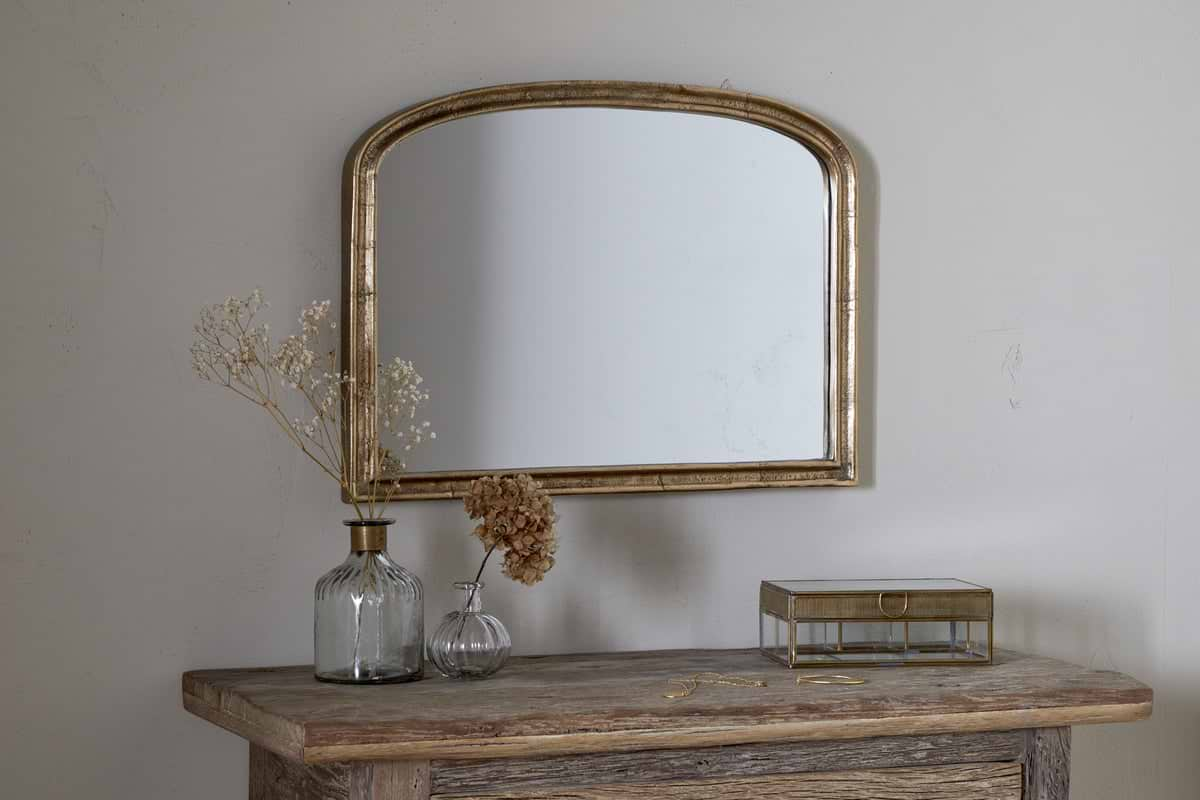
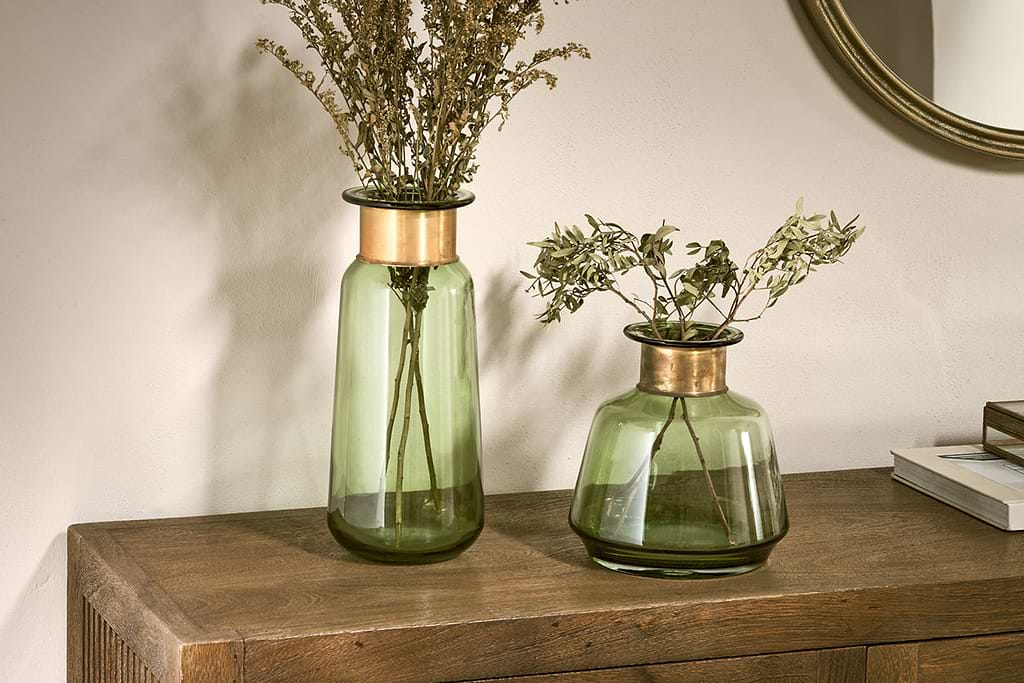
A small antique mirror and soft vase to calm a darker corner.
Some links above are affiliate links. If you buy through them we may earn a small commission at no extra cost to you. We only suggest pieces we think fit a calm, lived-in home.
Free guide
The Calm Shelf
12 styling ideas to help you compose calm, balanced shelves in natural texture homes.