

Most renters face the same roadblock when they want a bespoke balcony: making the space feel personal without angering a landlord or risking the deposit. A bare concrete floor, plain railings, and zero privacy are all too common in small, overlooked outdoor spaces.
This guide offers practical, rental-friendly ways to shape a balcony that feels layered and custom. You’ll learn which pieces to keep or swap, how to set limits with color and materials, and which upgrades make the biggest difference. This works especially well for small apartment balconies when permanent change is not allowed because every piece is removable at move-out.
The short version: You can create a bespoke balcony using temporary flooring, portable privacy screens, and movable planters, no permanent changes needed. Choosing flexible pieces and clear boundaries brings a personal look to any small outdoor rental.
Key takeaways
- A bespoke balcony is possible without any permanent installation or alteration to existing surfaces or railings.
- Rental-friendly outdoor tiles and rugs can change the feel underfoot and are fully removable when moving out.
- Freestanding privacy screens and hanging planters add visual layers without screws or drilling.
- Battery-powered or solar lights bring warmth without needing to wire anything to the building.
- Juliet balconies offer open views but do not create a standing platform, according to industry sources.
- Where this works best
- What makes a balcony feel bespoke?
- How do removable floors and outdoor rugs change the space?
- How can privacy screens and rail planters layer a small balcony?
- Warm light without wiring: what are your options?
- Which plants work best for a low-maintenance, custom look?
- Styling and placement

Where this works best
A rental-friendly balcony update works best on small outdoor areas with plain finishes and rules against permanent changes. Focus on spaces needing softness and privacy, not permanent transformation.
Apartment balconies, concrete ledges, and even Juliet balconies all share a few basic constraints. There’s usually an unfinished floor, open railings, and sometimes only enough space for a chair or two. Older buildings might have exposed metal, while new apartments offer very blank, grey surroundings.
The best approach in these situations is to use removable surfaces, like click-together patio tiles or an outdoor rug, to define the area. Vertical elements, such as a bamboo screen or a few rail planters, build privacy without drilling. These changes can make even the most basic balcony feel characterful and distinct.
Avoid adding oversized or heavy features, such as massive plant pots or built-in seating, which can overwhelm both Juliet balconies and narrow walkways. A large bench looks clunky on a slim platform but suits a garden terrace better. Instead, pick light, easy-to-move items like a small folding table or a single ceramic stool.
What makes a balcony feel bespoke?
A balcony feels bespoke when it includes one standout material, repeats a few calming colors, and builds visual depth using both horizontal and vertical elements. Consistency and restraint give the space a thoughtful feel.
A bespoke balcony looks different than a mix of random chairs and pots. Layering is key: one tactile base (tiles, decking, or a flatwoven outdoor rug), some texture at eye level (a soft curtain or leafy planter), and a repeating accent like brass or matte black in a few pieces. Compared to throwing together leftovers from indoors, having a clear material limit keeps the space from looking busy.
Rental-friendly options, such as composite decking tiles, machine-washable outdoor rugs, and lightweight planters, offer ways to bring in color or softness without any construction. A bare balcony feels colder than one with intentional layers of texture and tone.
Pacing also matters. If every surface is crammed with stuff, the eye has nowhere to rest and the area reads chaotic. Sticking to three main materials, such as bamboo, soft cotton, and weatherproof powder-coated steel, keeps the mood calm while adding interest.
How do removable floors and outdoor rugs change the space?
Removable floors and outdoor rugs cover cold, unfinished balcony surfaces and make a space easier to use barefoot or with light furniture. Adding a soft base changes how the area feels right away.
Most renters face grey composite or plain concrete underfoot. Peel-and-stick outdoor tiles, click-decking, or a flatwoven rug can mask those surfaces without tools or glue. Outdoor rugs are especially practical where moisture or dirt is likely, as most are designed to resist mold and can be rinsed or even machine-washed, according to balcony design sources.
Unlike regular indoor carpeting, an outdoor rug stays colorfast and sheds water. This stops the balcony looking bare on cloudy days and means you can enjoy time outside even if the floor isn’t new. Tiles, particularly composite styles, lock together over most flat surfaces and lift straight up later, making them much easier at the end of a lease.
Compared to doing nothing, just laying down a rug or tiles signals the balcony is cared for. The effect is immediate: a rug feels softer under bare feet, anchors seating, and makes the entire balcony read as one zone rather than leftover outdoor space.
| Option | Comfort | Removability |
|---|---|---|
| Peel-and-stick tiles | Firm, raised surface | Fully removable, leaves no trace |
| Outdoor rug | Soft, textured underfoot | Rolls or folds up instantly |
| Composite decking | Stable, durable base | Clicks apart by hand |
How can privacy screens and rail planters layer a small balcony?
Freestanding privacy screens block views into a balcony, while rail planters bring greenery higher up, creating a feeling of enclosure and softness without permanent work. Both are easy to remove if needed.
Many renters want to spend time outside but feel exposed. A bamboo or reed screen can stand on its own or tie loosely to balcony railings, softening the view from neighboring windows. Freestanding screens made from untreated wood or weatherproof metals are popular because they won’t rust or break down quickly. Rail planters clip on without tools, giving a Juliet balcony or any slim ledge the look of a much deeper outdoor room.
Compared to curtains, planters or screens offer privacy without blocking all the light. Hanging rail planters filled with trailing vines or hardy grasses lift greenery up to eye level. Instead of placing every planter on the floor, using the rail frees up surface area below for small seating or storage.
Unlike mounting boards or permanent fixtures, these pieces use light ties, clips, or simply stand up, making them low-risk in a rental. The combined effect is a more private, layered look where a person can move freely without feeling on display.

Warm light without wiring: what are your options?
Battery-powered lanterns and solar string lights add warm light to a balcony without any wiring, transforming the mood after dark. These options are simple to install and take with you later.
Getting the right lighting is often overlooked on small outdoor spaces. Permanent options are out of reach for most renters, but solar-powered string lights, compact LED lanterns, and battery-based spotlights all offer gentle light with no wires needed. LED string lights work well wrapped around railings or hung above, while a small lantern or rechargeable light sets a glow on a side table.
Outdoor use is safest with lighting designed for wet weather, especially battery lanterns with sealed switches or solar panels made for rain. Solar lights soak up daylight and click on automatically after sunset, making them hands-off. Unlike plug-in styles, portable battery versions can live outside all season without cable clutter or landlord headaches.
Compared to overhead security lights, putting a small lantern or dotted string on a balcony makes the space inviting for reading, sharing food, or just winding down. The light feels softer and shows textures, the grain of wood, weave of a rug, or leaves of nearby plants, more clearly.
Which plants work best for a low-maintenance, custom look?
Low-maintenance balcony plants thrive in small pots, offer good coverage with little care, and create instant visual interest at several heights. Use a mix of upright, bushy, and trailing varieties.
The best balcony plants need little watering and handle the sun or wind of higher floors. Look for upright “thrillers” (like grasses or compact bamboo), “fillers” (herbs, small flowers), and “spillers” (trailing ivy or pothos) to make each planter feel rich. Self-watering pots are a strong option, keeping soil damp for several days, handy for busy renters or summer trips.
Unlike thirsty houseplants, balcony options that thrive outside tend to bounce back from missed watering or cooler nights. Compared to sticking to one tall plant in a corner, mixing shapes and heights builds a much fuller look that feels tailored rather than thrown together. The contrast between spiky, oval, and soft leaves stops a narrow space from looking flat.
For a tighter spot, rail planters or hanging styles let you grow more without sacrificing floor area. Succulents, ferns, or drought-tolerant mint all suit container life. For those interested in more garden ideas, this small balcony garden guide has curated picks with pictures of easy combinations.
Styling and placement
Balcony styling stands out when it starts with one anchor piece and builds around it, using restraint in color and spacing. Overcrowding loses the custom feel fast.
Styling a bespoke balcony relies on clear limits. Start with one “anchor” item, such as a sculptural plant, a patterned outdoor rug, or a weatherproof accent table like a small drum-shaped stool. Arrange other elements (planters, cushions, screens) to work with this main focus. A balcony layout works best when there’s room to walk and nothing blocks the main sightline from inside.
Compared to spreading things evenly, clustering cushions or plants into one or two groups creates places for the eye to rest. Using a consistent palette, such as natural wood, neutral linen, and a touch of brass (the muted glow of a Kiko Brass Frame is a subtle example), keeps the look considered and never overstated. Avoid using more than four distinct materials, as too many create visual noise.
For renters, leaving at least one-third of the balcony floor visible stops the space from feeling cramped or cluttered. A folding chair or slim table can be tucked away easily when not in use, suiting small spaces that double as storage or laundry drying areas. Placement and restraint are the difference between a functional nook and a visually soothing corner.
Quick calm checklist:
- Use no more than three core materials (such as wood, metal, cotton)
- Choose one anchor: rug, plant, or bold planter
- Cluster groups instead of spreading items out
- Keep at least a third of floor space open
- Repeat accents (brass, matte black) for subtle unity
The best spots for these techniques are small balconies that need to feel like a finished room rather than an afterthought. Finish by tucking unused items away or storing them inside to keep every view outside calm.
Most renters realise something feels “off” the first time they step outside and notice a jumble of storage bins, mismatched planters, or shoes blocking the door. The balcony feels unfinished or spare, no matter how many individual things are squeezed in.
The practical shift is clear: define a limit for color and material, choose one focus piece, and group others so the eye moves easily. With this boundary, even a small or awkward balcony feels inviting.
Ignoring these rules is common. Many people put every spare item outside, leading to clutter and wasted space instead of calm. A balcony that feels crowded or busy ends up unused and less enjoyed, especially at night or when hosting friends.
Once you pare back to the right pieces, the whole space becomes easier to keep tidy and feels personal. Fresh air, more light, and a spot to relax follow naturally.
Save this idea for later.

What tends to hold up with small-balcony layouts
The best results with rental balconies come from keeping things simple but textured. Decorators and real apartment owners consistently find that outdoor rugs and foldable furniture wear well and keep balconies usable, even in changeable weather. Matte-finish planters and screens get recommended a lot for their glare-free look and because they don’t show water marks or dirt as much as glossy plastic.
Portable lanterns and solar string lights also hold up after seasons of use, far better than bargain indoor lamps repurposed outdoors, which often fail or discolor. Lightweight planters suit most renters because they don’t lock a person in to one layout. Over time, spaces with fewer, better pieces stay calm and feel easy to care for.
, Mara, Loom & Glow
Common questions
How much does it cost to have a balcony built?
The cost to have a balcony built varies widely but often ranges from several hundred to several thousand pounds, depending on materials and complexity. Bespoke designs, such as those installed by specialist balcony fitters, are typically at the higher end. Rental-friendly updates, by contrast, require only a small fraction of that cost.
Do I need planning permission to put a balcony on my house?
You generally need planning permission to add a new balcony to a house, especially if it changes the look of the building or privacy for neighbors. Rules differ by council, so it’s essential to check local requirements before starting any construction. Temporary, freestanding elements rarely trigger permission needs.
Does a balcony add value to a home?
A balcony can add value to a home by increasing outdoor living space and appeal. Homebuyers often see balconies as a sought-after feature, especially in apartments or small houses. The exact value depends on design, size, and usability but is usually seen as a positive improvement.
What is a normal balcony called?
A standard projecting balcony is simply called a balcony. A Juliet balcony is a shallow version that provides a safety barrier but does not have a platform for standing. Each style suits different space and planning needs.
Explore more calm combinations inside our Shop The Look .
Shop the Look
A few Nkuku pieces that lend a quiet, personal feel to a rented balcony without any permanent alterations.

Parwaha Marble Bistro Table
Off-white marble with brass-coloured iron legs, small balcony, big presence.
View at Nkuku →
Parwaha Iron Bistro Chair
Distressed iron with curved oval back, pairs with the bistro table or stands alone.
View at Nkuku →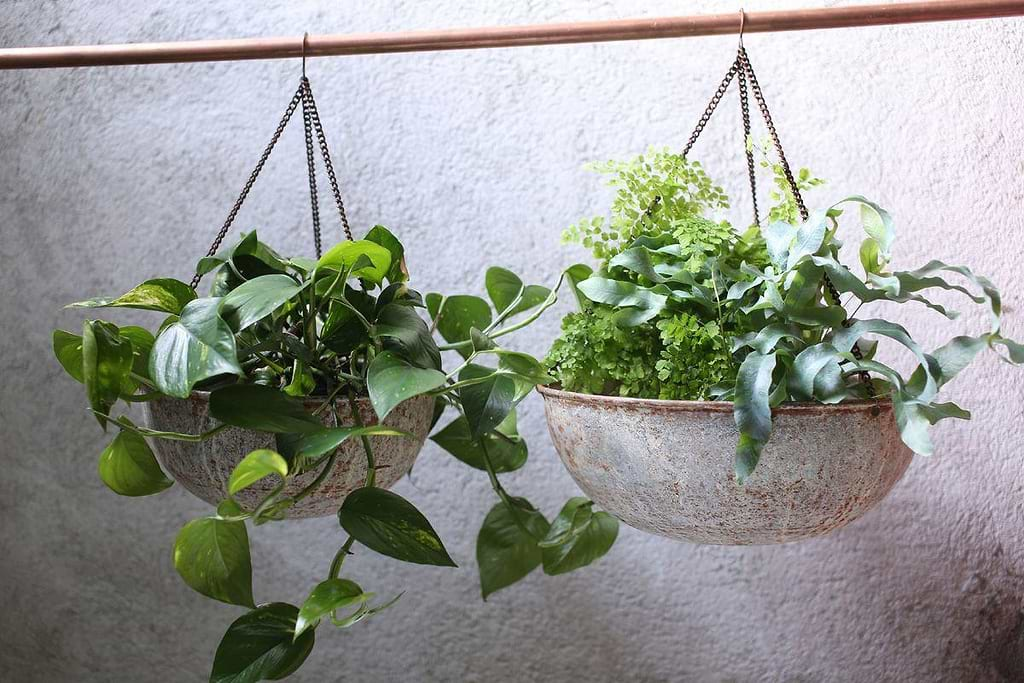
Abari Round Hanging Planter
Minimal frame, round profile, saves floor space on tight balconies.
View at Nkuku →Some links above are affiliate links. If you buy through them we may earn a small commission at no extra cost to you. We only suggest pieces we think fit a calm, lived-in home.
Free guide
The Calm Shelf
12 styling ideas to help you compose calm, balanced shelves in natural texture homes.