

Many UK homes rely on curtains uk found at chain retailers. Most are synthetic, shiny, and look out of place in rooms meant to feel calm or lived-in. Polyester curtains collect dust and light oddly, so rooms feel cheap or unsettled, especially in rentals where you can’t drill new holes or change the windows.
What actually works is stripping back to plain, natural-fibre panels. Removing busy layers, skipping bold patterns, and choosing neutral fabrics creates quieter rooms without trying too hard. This works especially well in small rentals with low light when you avoid shiny polyester because it helps the space feel softer and less cramped.
The short version: To avoid the usual problems with curtains uk, choose natural-fibre panels in a neutral shade that hangs simply and fits your window. Neutral, lightweight curtains in linen or cotton absorb glare, don’t show stains easily, and soften light, making a rented or awkward space feel more relaxed and finished.
Key takeaways
- Ready-made curtains from UK retailers mainly use polyester blends, which often look shiny and gather dust quickly.
- Curtains made from linen or cotton absorb light softly and make rooms feel less cluttered, even with plain walls.
- Eyelet and pencil pleat headings suit different window heights; eyelet panels hang smoother in low-ceilinged rooms.
- Made to measure options fit hard-to-size rental windows, while most ready-made panels come in limited sizes.
- Thermal blackout linings help block noise and chill, these are available in natural and synthetic fabrics.
- The problem with most ready-made curtains
- Where this works best
- How do you choose curtain fabric that doesn’t cheapen your room?
- Does curtain heading style affect how a room feels?
- Where to buy curtains in the UK (without the overwhelm)
- How to measure your windows for curtains (the renter-friendly way)
- Styling and placement

The problem with most ready-made curtains
Most ready-made curtains at UK retailers use synthetic fabrics that catch the wrong kind of light and make rooms feel busy or flat.
In a typical small UK living room, rental-issue curtains are thin, shiny, and often hang awkwardly. The texture and drape of polyester panels means sunlight flashes off them in stripes, while dust gathers along the seams fast. Instead of blending in, these curtains pull the eye, and not in a way that feels calm.
Some UK retailers stock “easy-care” mixes, but “easy” rarely looks lived-with. Unlike linen or heavier cotton, polyester keeps a static crispness, so panels don’t relax into soft folds. Rooms feel on edge, with every mark showing up high up against the window glass.
Noise comes into play, too. Many synthetic ready-made options are so thin, you get both city sound and glaring daylight at once. Choosing fabric with body, natural or lined, cushions noise and dulls the edges of bright mornings. Curtains work best when they’re substantial enough to hang in straight folds without clinging to window frames, which is why most polyester looks off in small UK bedrooms.
Most people default to ready-made curtains for the price, but ready-made curtains are available in a narrow set of head styles and only a handful of shades. Feeling “off” in the room often starts with the window because the fabric never disappears, not fully blending with the rest of the space. A room seems colder when the curtain shines under ordinary house lights.
In daily use, natural-fibre options, creased, textured, draw less attention. Eyelet or pencil-pleat in cotton looks relaxed instead of brassy, so mornings and evenings feel steadier.
| Material | Light Effect | Room Feel |
|---|---|---|
| Polyester | Reflects sharply | Sharper, colder |
| Linen | Diffuses, soft | Softer, quieter |
| Cotton | Mutes gently | Laid-back, lived-in |
Even if your room gets little sun, sticks of synthetic fabric bring an artificial weight. Hang a plain linen panel and the rest of the room has less to compete with, especially in narrow lounges or awkward bedrooms.
Where this works best
Natural-fibre curtains are easiest to live with in rentals, north-facing rooms, or anywhere glare and noise make it hard to relax.
Rental homes and terrace houses often have windows set into shallow recesses or fitted off-centre. Store-bought curtains rarely match both the window and the wall. In a compact flat, a plain panel in off-white or oatmeal solves two issues: it reduces light bounce and doesn’t draw attention to uneven walls.
Daylight filtered through linen calms harsh corners in hallways and bedrooms, stopping ash-grey walls from feeling colder in winter. Unlike layered blinds, a lined curtain saves you faff but lets the room breathe. Thermal blackout panels work particularly well once chill sets in, stopping draughts along the glass. Thermal blackout ready-made panels often include basic linings and tiebacks, helpful if your space faces the main road.
Avoid matching linen curtains uk with high-gloss paint or lacquered furniture. The clash between natural and high-sheen finishes is sharp, making the space look less considered. Flat matt finishes on woodwork or bare floorboards always sit better alongside textured, natural drapes.
Fitting a single pale curtain in a busy shared living space strips out visual noise, allowing you to use more colour in rugs or throws without the whole room feeling jumbled.
How do you choose curtain fabric that doesn’t cheapen your room?
Curtain fabric looks right when it falls softly, hides dust, and catches daylight evenly; natural materials do this automatically.
Heavy velvet blocks light and noise well but can look stiff next to borrowed furniture. Chenille is warmer but fuzzier, so it marks easily. Synthetic sheers may pull in strong sun, discolouring at the hem. Linen, instead, catches the sun with a dull, calmer finish. Cotton panels stay neutral, don’t shine, and soften out creases after a few weeks of hanging.
The main difference is in how the cloth behaves day-to-day. A linen curtain doesn’t hold static, so it attracts less dust than a polyester voile. According to curtain fabric categories, textiles like linen, cotton, velvet, and sheers all fall differently, choose based on whether you want light filtered or blocked. For most living areas, a lined linen-cotton mix handles everyday wear, sun, and washing best.
A bare window lets light flood in without control, but a panel in a soft neutral filters glare and stops a room reading as “unfinished.” Unlike bold prints, calm earth and pale grey shades stand up to changing daylight and less frequent cleaning. Curtains uk that are too thin look stretched and never hang in clean folds, so rooms never feel settled.
A single curtain in undyed linen underlines furniture and textured details, baskets, wool throws, without clashing with simple storage pieces like the Nkomi Basket or rattan ottomans.
Does curtain heading style affect how a room feels?
Curtain header types control how straight or soft the folds hang; eyelet styles keep a clean line, while pencil pleat reads softer and less formal.
In a low-ceilinged lounge, heavy slot-top panels sag and crowd the top of the window. Eyelet panels slip easily along a rod and hang in large, regular folds; this draws the eye side-to-side instead of up-and-down, which suits shorter walls. Pencil pleats break up the line and look homey but need more space above the window to work well, otherwise they bunch and look wonky.
Slot tops skew simple but only fit thin rods. Tape-tops are flexible and hide odd paint lines; they’re useful when the rod sits off-centre. Most ready-made curtains come in these standard headings, so picking one that works for your window setup prevents awkward bulges or bunching.
Unlike custom-fit headings, ready-mades can gap or sag if the rod is too big or mounted unevenly. Eyelet panels stay in place with little fuss and clean easily, practical in flats where everything has to come down for inspections. Header style works best when it matches the weight of the fabric and the window proportions, keeping everything lined up.
Switching to an eyelet linen panel in a crowded bedroom keeps the look simple, letting bedding and wall art do more of the visual work.

Where to buy curtains in the UK (without the overwhelm)
Specialist online stores and certain high street chains stock more natural curtain fabrics than big-box retailers, making shopping much simpler.
Big retailers like Dunelm and John Lewis offer a spread of ready-made and made-to-measure options, some with free click and collect or easy returns. Some retailers offer made-to-measure curtain services, which means you can order exactly the right drop even for odd-sized rental windows. Most made-to-measure services allow you to select fabric, lining, and header type for a better fit, especially useful when you need thermal blackout or extra-wide panels for bay windows.
Ready-made lines are still dominated by synthetics, but higher-grade retailers carry a handful of linen, cotton, and velvet options in pale, faded tones. Shopping online from UK-based curtain specialists avoids the headache of sifting through dozens of overly patterned, bulk-buy items. Many online shops let you filter by fibre, mounting style, or lining, shortening the search.
Unlike open-shelf displays in discount stores, online and specialist suppliers show real pictures of fabric hang and texture. Seeing natural-fibre curtains in real rooms helps set expectations; if something looks stiff or shiny online, it will act the same at home. A good rule: buy curtain panels that match the wall or sofa fabric for an easy, considered look that doesn’t date, even if you’re on a budget.
Neutral living room ideas and practical styling can be found by browsing examples like neutral living room arrangements, where natural curtains act as a quiet backdrop to wood, clay, and rattan pieces.
How to measure your windows for curtains (the renter-friendly way)
Measuring for curtains in a rental means checking both window width and how panels will fall without drilling new holes or mounting extra rods.
For most rentals, you inherit the curtain pole, sometimes tucked up close to the ceiling, sometimes drilled right above the glass. Always measure pole-to-pole first, skipping any decorative finials if space is tight. Then look at how far below the sill you want the fabric to drop. A common rule: curtains work best when they land just above the floor or break slightly; anything shorter looks chopped.
If your window sits in a recess or alcove, a made-to-measure panel fitted to the space prevents drafts and awkward light leaks; off-the-shelf lengths often fall short, leading to odd gaps at the top or bottom. Made to measure services usually allow you to specify the lining and length without much extra cost on basic cotton or linen weaves.
Unlike blinds, curtains don’t need to hug the window tightly, leaving a little width past the frame makes the wall look wider, and light creeps in less. Most ready-made panels come in only three or four lengths, so check before you buy. For awkwardly sized windows, layering voiles under a shorter curtain fills visual gaps without crowding the room.
Natural-fibre curtains soften the frame even when hung slightly too short or long; they fall in relaxed folds rather than jutting out in stiff lines.
Styling and placement
Curtain styling works best when fabric and rod finish match other materials in the room and the palette stays limited to two or three shades.
To keep windows from dominating a wall, match curtain colour to the nearest large piece, think sofa or rug, instead of trying to match the flooring. A bare rod with a slightly textured finish (brushed brass, unpainted wood) blends quietly with baskets and wooden stools and lets a simple curtain do the work. Heavy, shiny rods make even plain curtains feel out of place.
Unlike blinds that cut window height, ceiling-mounted curtain rods with dropped panels stretch the space. Avoid stopping curtains short of the floor unless the window sits above a radiator, otherwise, the room can feel pinched. In daylight, pulling panels wide to the edge of the window lets in more sun while framing the view, shifting the window from a focal point to a calm backdrop.
Styling matters most when storage and clutter creep into view, think kids’ books, remote controls, and daily mess. A pale curtain draws less attention to random piles, while a textured linen echoes natural accessories like rattan furniture or the Nkomi Basket. Mixing too many unrelated colours or hanging too many panels overpowers quieter touches in the space.
Quick calm checklist:
- Limit curtain colours to those found elsewhere in the room (walls, largest rug, one piece of wood or basket weave).
- Pick natural fibres, linen or cotton, for panels and sheers; avoid glossy weaves and busy prints.
- Choose a thin, matte-finish rod in a neutral or wood shade; skip shiny chrome and black.
- Hang panels floor-length where possible, ceiling-mounted if you want to stretch wall height.
- Keep window dressings simple, one panel each side unless it’s a bay.
This way, curtains uk feel like part of the room instead of a last-minute fix.
At some point, standing in a cluttered or oddly lit living room, you notice the window area feels unsettled. Maybe the curtain gapes, always looks a bit cropped, or stands out because of a shiny finish. The space never quite reads as calm, no matter how tidy the rest gets. Choosing to limit the palette and fabric type, by repeating the main tone, anchoring using a plain rod, and minimizing hard shine, makes the biggest difference. Suddenly, the curtain space melts into the background, letting everything else do its job.
It’s easy to hang an extra panel or just “make it fit.” Most homes end up with rushed, leftover ready-mades instead of calm panels. The result is a room that reads crowded or thrown-together, too many competing shades, fabrics that never stop shining, or curtain lengths that miss the sill or floor and always need adjusting. Sticking with a plain, natural panel in a muted colour fixes that edge. Light falls more gently and rooms actually feel complete, quiet, but not empty.
Straightforward curtains let rooms feel easier to live in and keep cleaning simple.
Save this idea for later.

What tends to hold up with choosing natural curtains and simple window styling
Looking through home tours and talking with renters, one thing shows up time and again: plain linen or cotton curtains, left alone, last for years and don’t look tired even when the rest of a room changes. Matte natural finishes handle sunlight and daily dust better than shiny synthetics, and calm curtain shades give you more freedom to swap furniture or add a throw without clashing. Even with window size or ceiling height working against you, a neutral panel stands up to daily use and gives back little maintenance for how much softer it makes a room feel. Most interior stylists agree pale panels and natural rods age slower in busy homes, less tendency to yellow or mark, and easier to replace one at a time.
, Mara, Loom & Glow
Common questions
Where is the best place to buy curtains in the UK?
The best place to buy curtains in the UK is a specialist online retailer or a high street chain like Dunelm or John Lewis, depending on your focus. Online stores let you sort by material and shade, while high street shops allow you to feel fabrics and test texture in person. Most practical options have free returns and easy swaps if the panel doesn’t suit your room.
What is the current trend for curtains?
The current trend for curtains is moving away from heavy blackout towards light, natural fabrics in neutral colours and simple forms. Pale linen, cotton, and relaxed pencil-pleat styles get recommended most for lived-in, flexible rooms. The look is more about quiet surfaces than big prints or obvious panels, working well for renters and small homes.
Should curtains be lighter or darker than your walls?
Curtains should be the same shade or lighter than your walls if you want less visual weight; darker panels suit bold, grounded rooms. If your room reads busy, pale curtains bring in more light and settle the space. In older homes with deeper walls, matching tones gives the most flexibility if you redecorate later.
Where is the best place to buy curtains online?
The best place to buy curtains online is a dedicated curtain retailer or a national shop like Dunelm, which offers filtering by material, lining, and fit. These sites photograph curtains in real settings, so you get a truer sense of finish and transparency. Look for options that stock free samples or no-fee returns to keep your choice low risk.
Explore more calm combinations inside our Shop The Look .
Shop the Look
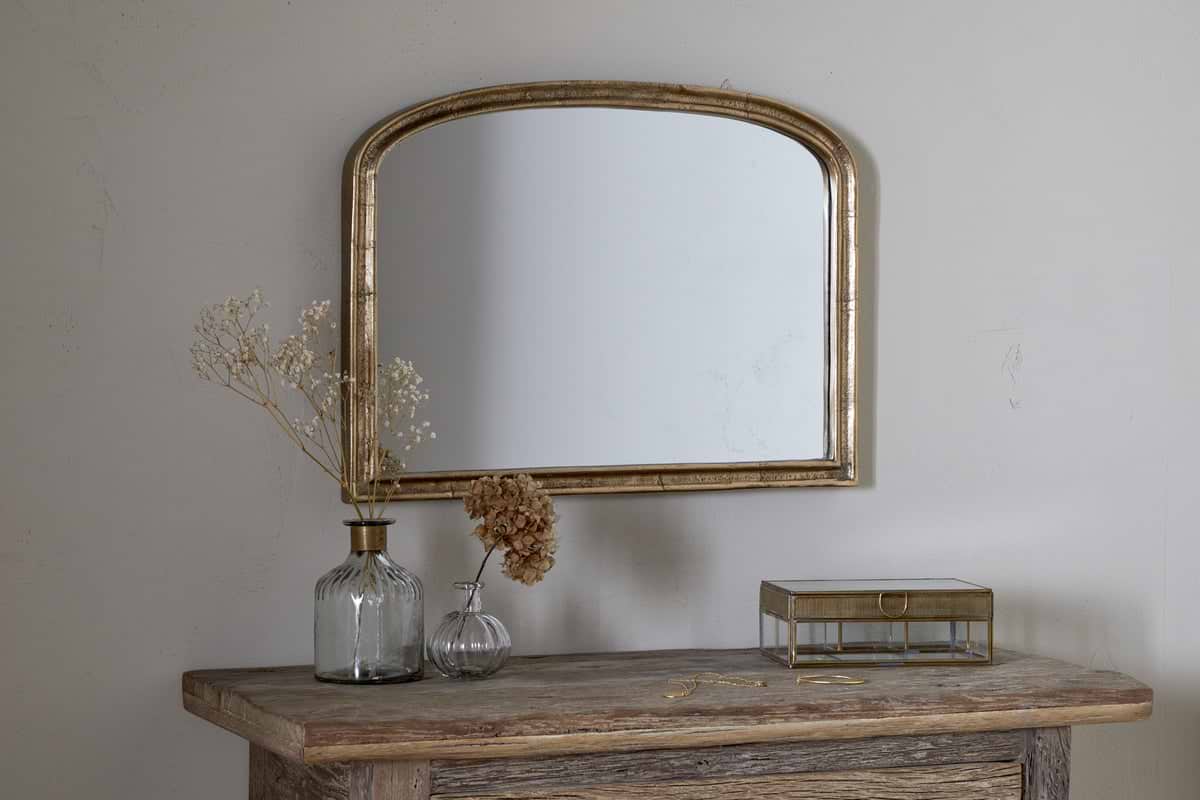
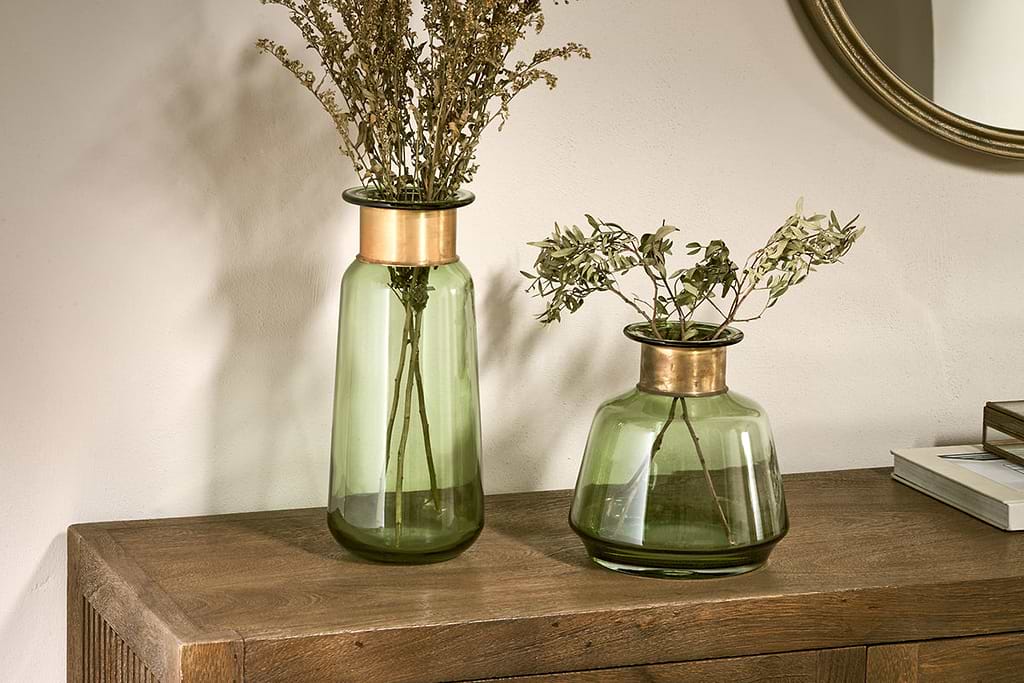
A compact mirror and quiet glass vase that work naturally with lined or linen curtains in a restful room.
Some links above are affiliate links. If you buy through them we may earn a small commission at no extra cost to you. We only suggest pieces we think fit a calm, lived-in home.
Free guide
The Calm Shelf
12 styling ideas to help you compose calm, balanced shelves in natural texture homes.