

A study room in a rented flat or spare bedroom often feels crowded by random piles, too many cables, and scatterings of mailing papers. It rarely helps with focus. Instead, it can confuse your eye and waste your time hunting for what actually matters.
This guide shows what to strip back and what to keep in a small study room, with a focus on rooms you actually live and work in, never just university dorms. This works especially well for any spare room with limited daylight or built-in storage when calm and clear focus is the main goal because small distractions quickly build up in tight spaces.
The short version: A small study room works best when you focus on one clear desk, a single source of warm light, and minimal visual clutter. By clearing the floor, repeating simple materials, and using just one or two focal points, you can create steady concentration in any spare room.
Key takeaways
- A small study room should use one main desk and a single light source to cut down on distractions.
- Using vertical storage clears floorspace and limits competing visual details in compact rooms.
- A textured surface, like a woven mat, prevents a desk from looking cold or clinical.
- Avoiding too many decor items helps a work area feel more focused and less heavy.
- The Library at the University of Sussex allows users to book a study room for up to 3 hours a day, showing the value of dedicated, constraint-based space (source).

Where this works best
A pared-down study room layout works best in spaces where distractions build up fast, like spare bedrooms used for work, homework, or day-to-day admin.
Small guest rooms, narrow box bedrooms, and even a bit of landing with a window can serve as a home study if you strip them back. Unlike library group study rooms, which students book, fill with laptops, and pack up again at the end of a session, home setups tend to gather objects that never get put away. The problem is not a lack of desks or chairs, but too many side tables, catch-all trays, and half-used shelves between sleeping, working, and everything else.
Most people start by squeezing as much storage as will fit. But often, the more furniture you add, the harder it is to settle in and do focused work. You lose energy to piles and shifting light. This guide starts with a design that removes unused pieces and makes each material and fixture work a little harder. The result: one clear surface, one good seat, and enough space between them for air to move.
Avoid using heavy, dark wood furniture or deep wall-mounted cubbies in a room that doesn’t get much sunlight. These will weigh down the space, drag the eye, and trap dust in ways a floating desk or open shelf will not. Instead, pick pale wood, woven baskets, or a simple plank shelf that stays off the floor and lets you see what you actually need.
Use a clean desk, a floating shelf for just the few things you touch daily, and a neutral palette to help the room fade back while you work.
How do you choose a desk for a small study room?
A corner desk frees up walking space and cuts down on competing edges, making movement and focus much easier in a small study room.
Many old study guides recommend a straight desk along the wall, but a corner unit usually opens up more floor. With a gentle L-shaped frame, you get an extra landing spot for books or a cup, but the main work area stays clear. This simple shape removes extra legs and keeps everything you need within arm’s reach.
Desk choice matters most in small study rooms where other furniture can’t move. A corner desk that hugs two walls leaves more open space, unlike a bulky rectangular desk, which often blocks entry or leaves unused dead zones. The effect is a room that feels larger and lighter even with the same surface size.
In spare bedrooms used for both sleeping and working, the right desk design lets you tuck files and a lamp away once work is done. According to IKEA’s study room page, corner desks are a practical base for a compact home office setup, slotted alongside a chair and modest shelving or cabinets. Even a narrow-depth design will support daily work, as long as you stick with a pale finish and limit the desktop to the essentials. A corner desk placed out of the main traffic flow becomes a resting point for eyes and mind.
Pick a light-finish corner desk or a wall-mounted table in the room’s quietest corner to free up floor, keep movement easy, and cut visual clutter.
What kind of lighting keeps a small study focused?
A single, adjustable desk lamp with warm tone light keeps distractions down and marks a visual area for work in a small study room.
Standard home offices often layer ceiling spots, strip lights, and accessories in all corners, but this increases visual noise in a small space. Instead, a single focused lamp lights just the work zone and leaves the rest of the room dimmed, which draws your eye to the page or screen without flickering shadows. Most good desk lamps come with a pivoting head and warm LED bulb, softening the edges of paperwork or a laptop.
Unlike putting three bright lights in a row, which scatters focus and heats up a close room, one careful lamp creates a zone within a zone. IKEA promotes tools for designing study spaces, like ‘Design your own SMÅSTAD’, recommending a dedicated lamp at desk height to help keep the work surface clear of other gadgets (source).
The lamp also makes packing away at the end of the day more defined; once it’s switched off, the study area disappears back into the background of the home. One warm, simple desk lamp placed to the side of your dominant hand becomes a trusted tool, not just a decor piece.
Opt for a plain, pivoting desk lamp in soft white or clay for steady light that marks the work zone without taking over the room.
How to reduce visual noise with natural textures
A woven jute mat or tray softens hard desk lines and swaps busy colors for gentle texture, grounding a study room.
Too many plastic bins, printed boxes, and bright throws add chaotic detail to a tiny room. A study room full of patterned organizers and multi-color sticky notes draws the eye in a dozen directions, leaving your mind restless. Replacing most of these with one or two textured natural items works as a visual anchor and keeps the area calm.
A single woven mat or thick cotton tray beside the keyboard soaks up loose change, keys, or the edge of a notebook, giving everything a landing spot. Compared to a printed busy rug, a woven texture fades into the background but still stops a hard-edged desk from looking cold or temporary. A soft, natural material also dampens sound and catches crumbs, requiring less daily cleaning.
Bringing in a plain jute piece, a cork pad, or a wool felt mousemat adds touch and grip without demanding attention. Unlike a pile of rigid storage bins, which can look busy and attract dust, these surfaces get better with use. For spare rooms with little daylight, the look is warm, not dull.
Put one woven mat or cork tray at the desk’s corner to soften the space and control small-item drift.

Vertical storage: what actually helps?
A single floating shelf or wall rack gives you vertical storage that clears desktop space and keeps daily essentials easy to see.
Stacking two or more shelves above a desk looks tempting, but it often fills the wall with a grid of distractions. One continuous floating shelf, set a little above eye level, lets you store a few books, past homework, or a small plant, without crowding the view. This is especially true in a rental where drill holes need to be minimal and re-usable.
Adding too many wall racks leaves surfaces dense with objects and makes the study room read as busy, even when most items are useful. According to The Library at the University of Sussex, each group study room is fitted for just enough books, laptops, and one light source, which helps explain why focused spaces stay visually light. Most floating shelves for home offices sit about as deep as a paperback, which is enough for regular use but not so much that items get lost behind each other.
Unlike a freestanding bookcase, which eats into already-tight floor area and pulls the eye up and down two separate surfaces, one horizontal shelf keeps the wall calm and the surface open for work. For color, choose white, pale oak, or even unfinished pine, something that won’t flash under direct light or compete with the desk below.
Install a single shallow shelf above the desk to store just your daily books, spare pens, and a calming object or two, for a quick, clear setup in any small room.
Styling and placement
Placing the study desk near natural light, with a limited palette and one grounded item, cuts distractions and helps keep focus.
The corner nearest the window tends to feel brighter and less boxed in, even in overcast weather. Style the main work area with no more than one or two accessories, maybe a small clay bowl or soft-edge plant. Too many tiny accents start to feel scattered. A single framed print with plenty of wall space around it stops the eye from constantly jumping.
Unlike a shelf stuffed with photos or a busy, multi-colored wall grid, one clean line on the wall is enough. A study room needs quiet gaps, not just empty space. On the desk, stacking two items, say, a small notepad on a woven tray, keeps the space grounded without cluttering the surface. Compared to spreading things out evenly, clustering a few pieces gives each a purpose and helps you clear up faster at the end of the day.
Keep cords pinned down or tucked into a simple cable basket under the desk. Floating furniture makes it easier to vacuum and means nothing gets pushed into corners for weeks. Add a single cushion to the chair if needed, but avoid large, loud blankets or throws.
Quick calm checklist:
- Limit the color palette to no more than three soft neutrals.
- Choose one natural material for both tray and shelf, jute, cork, or pale wood.
- Keep the main work surface clear except for one grounded piece (lamp or plant).
- Float shelves and desk if possible, to make the floor easier to clean.
- Cluster accessories instead of spreading them across every surface.
Style the study desk in the room’s brightest spot, float shelves to keep dust off the floor, and cluster only what you use every day.
What signals ‘focus’ in a home study?
A small potted plant or grounded natural item gives a visual cue for “focus time”, making a home study room feel defined without extra screens or tech.
In borrowed or rental rooms, digital signals like a moving screensaver don’t fully separate work from the rest of life. Instead, a living plant or a single clay pot at the edge of your desk marks the start of your work block. The shape and weight of a real object act as a physical boundary for focus.
Compared to digital timers or a collection of trinkets, a plain green plant gives a softer signal to the brain. Studies show even a small patch of nature near your work area can improve steady focus and help signal the end of a session. In small studies, even a single stalk or a sturdy-leafed succulent is enough, so long as it sits within your line of sight and isn’t lost in a mass of objects.
Placing a plant, a pebble tray, or a lidded ceramic bowl at your dominant side helps to mark the workspace and shift your mind into “work” mode, something that’s harder to do with task lists and screen backgrounds alone. Using natural texture makes the edge of your desk a visual and tactile start line each time you sit down.
Place one grounded living object, plant, pebble, or weighted ceramic, at the edge of your setup to start and end work more smoothly in a home study.
What tends to hold up with small study room layouts
Across hundreds of study room guides, tricks that skip extra decor and double up uses for each object work again and again in real homes. Reviewers often say that even well-loved rooms turn busy fast when every shelf is filled and every cord left trailing. Blackout shades rarely get used, but letting daylight guide the layout makes focus easier.
Matte finishes on shelves or lamps show fingerprints less and soften contrast near windows. Pale, textured baskets catch the eye in daylight but blend back when the workday ends. Most successful home studies keep “visual holding”, a place for the eye to rest, and avoid letting printouts, books, and supplies take over every surface.
, Mara, Loom & Glow
Common questions
What is a study room called?
A study room is also called a home office, workroom, or sometimes a den. In libraries and universities, it’s called a group study room or a private study booth. At home, the term “study room” usually refers to any space set up for reading, homework, or desk work in daily life.
What is another word for a study room?
Another word for a study room could be an office, den, or workroom. Some people use “reading nook” or “workspace” for smaller setups. The label usually depends on what the room is mainly used for, work, study, or quiet tasks at home.
What are some good places to study in Birmingham?
Good places to study in Birmingham include university libraries, public library reading rooms, and small cafés with reliable Wi-Fi. The Library at the University of Sussex has 15 group study rooms users can book for focused sessions and meetings (source). Always check local booking rules before visiting.
What are some ideas for a small study room?
Ideas for a small study room include using a wall-mounted or corner desk, adding a single floating shelf, choosing one warm lamp, and limiting colors. Adding a natural touch, like a small plant or a woven basket, also keeps things grounded and cuts visual clutter. Focus on less, not more, for a steady work spot.
Explore more calm combinations inside our Shop The Look .
Shop the Look
A compact side table and slim floor lamp bring function and focus to a small study without clutter.
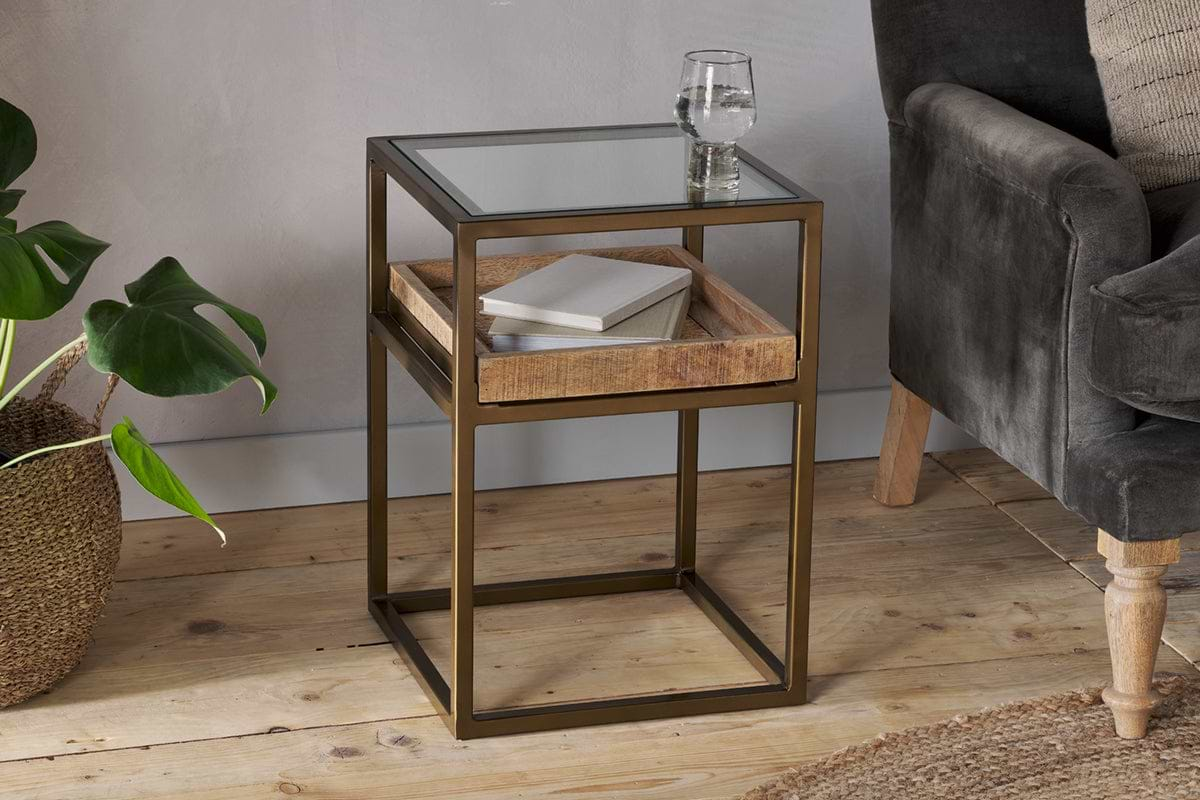
Luzon Side Table
Iron and mango wood with display shelf, small footprint, double function.
View at Nkuku →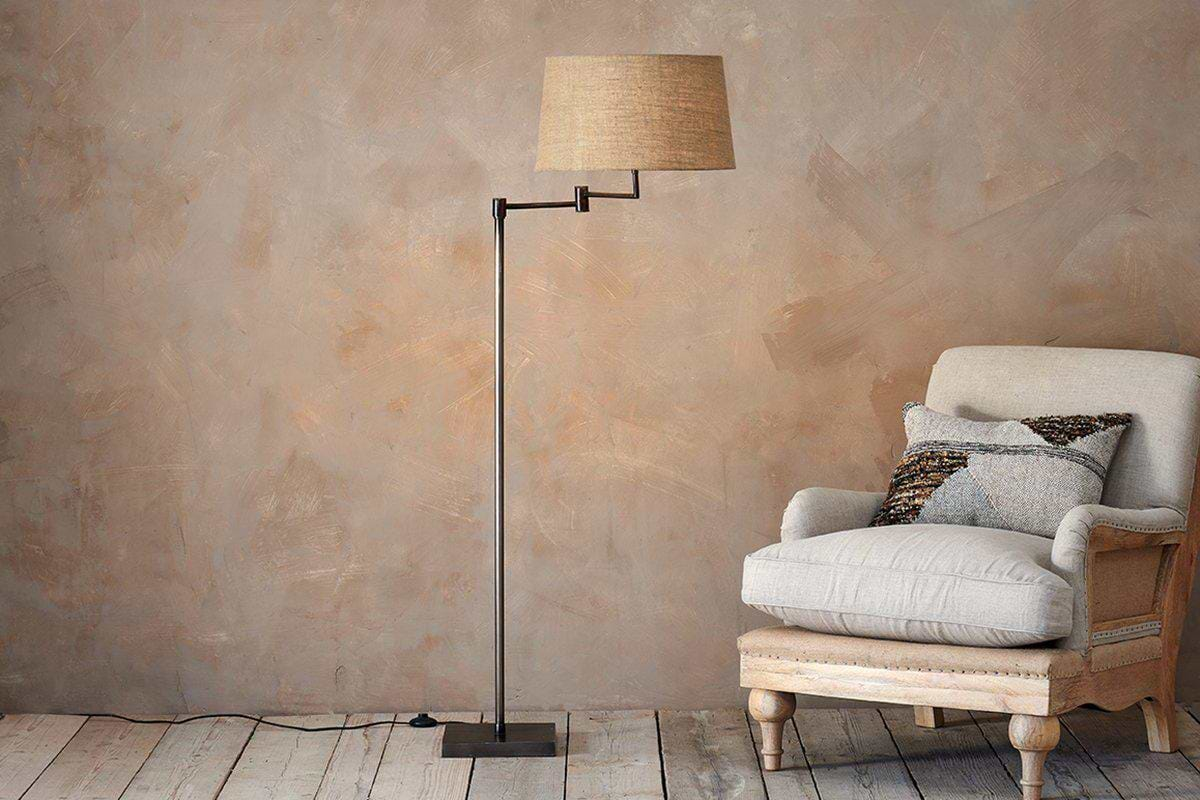
Some links above are affiliate links. If you buy through them we may earn a small commission at no extra cost to you. We only suggest pieces we think fit a calm, lived-in home.
Free guide
The Calm Shelf
12 styling ideas to help you compose calm, balanced shelves in natural texture homes.