

The best large wall clock for a living room is one with a diameter that fills about two-thirds of the width of your available wall space, typically between 60 and 100cm for a balanced, statement look. Measure the open area above your main furniture, like a sofa or console, to prevent the clock from feeling too dominating or oddly small. A silent movement mechanism is better for living spaces as it avoids disruptive ticking, and natural materials like wood or bamboo create a softer, more cosy feel than glossy metals.
It’s easy to buy large wall clocks for living room walls and discover too late that the scale feels wrong, too dominating, oddly small, or awkward to place near the sofa. Even a well-made piece loses its appeal when the clock face limits where you can hang art, shelves, or lamps, turning a small living room into a busy corner instead of a calm spot for reading or hosting friends.
This guide helps you measure before you shop, find the right style, and make one clear choice instead of clutter. You will learn how to spot sizing mistakes, choose between silent and ticking mechanisms, and settle on a single, fitting focal point. This works especially well in a small living room when you want a statement piece that grounds the space without taking over because a focused layout keeps things calm and easy to use.
The short version: The best way to choose large wall clocks for living room use is to measure your open wall area and select a diameter that takes up about two-thirds of the space above nearby furniture. A large clock works when it anchors the wall but stays clear of doorways or shelves, making the room feel less crowded and more finished.
Key takeaways
- A large wall clock looks balanced when centered above a sofa or console rather than off to the side.
- Silent movement wall clocks avoid the constant ticking sound that can break a calm atmosphere.
- Most oversized wall clocks range between 60 and 100cm wide, according to Homary’s large wall clock range.
- Round and geometric faces with natural materials read softer than metal or LED styles in a small room.
- Measuring wall width before buying prevents sizing mistakes that make the room feel cramped or empty.

What actually counts as a large wall clock for a living room?
A large wall clock for a living room usually means a clock wider than a dinner plate, with most oversized models running 60 to 100cm wide, based on Homary’s large wall clock range.
Buying for a living room, “large” means something visually weighty, not the compact faces you see near a bathroom sink, but a diameter that takes up most of the space above a sofa or sideboard. Some brands, like Homary’s large wall clock range, list clocks as large at 60cm or above, while their biggest, statement pieces go around 100cm wide. Wayfair’s Oversized Wall Clocks category distinguishes wall models from mantel, pendulum, or alarm clocks for this reason: size and visual impact come first.
Selecting a true large clock lets you avoid the “lost” look a small office clock has in a bigger room. Unlike floor clocks or standing options, a wall clock pulls the eye upward and fills blank vertical space. A round clock face, sunburst pattern, or geometric outline often reads larger than a square one of the same width because the edges stretch the visual field.
Compared to a cluster of small frames around a television or bookshelf, one big clock brings focus with less fuss, and keeps things simpler to dust and move if needed. A round, open-face style suits rooms with low light or minimal natural decor, since it adds shape without heavy shadow.
A large wall clock is best hung on a clear section of wall, above a console or sofa, where there is no other big artwork competing for space.
How do you measure the right diameter for your room?
The simple rule is to measure your wall space above key furniture and aim for a clock with a diameter that fills about two-thirds of that width.
In a small living room, walls often press up against windows or doorways, leaving awkward corners where art can’t fit. Take a tape and measure the open area between the top of your sofa and the ceiling, and from one edge to the other that isn’t blocked by lamps or shelves. Oversized clocks look best when they leave a hand’s width of wall showing on all sides, crowding makes even the nicest design feel wrong.
Unlike a gallery wall, where you can juggle frame sizes after hanging, a single piece needs pre-checking. Most people misjudge, going by eye or photos alone. Look at Wayfair’s Oversized Wall Clocks filters as a reference: groupings by width and height help you narrow your choice before ordering. Standard advice is two-thirds the width of the furniture below, a rule most decorators apply.
Compared to a smaller clock centered above a small table, an oversized clock anchors a wall, too large, and it can force furniture away from where you want it, or risk hitting the next wall over. A large clock lets you avoid a patchy look, while leaving enough space to add a shelf or basket underneath for depth.
Check your largest open wall area, and choose a clock that fills most, but not all, of that space for a settled look.
Where this works best
Large wall clocks for living room use look best in spots with open wall space above your main seating, away from busy corners or doorways.
Small apartments and open-plan rooms benefit most from the grounding effect of a single oversized clock above a sofa or credenza. When storage is limited, using vertical space is practical. Geometric or round clock faces soften hard window lines and can bridge living and dining zones in shared areas, especially when colour and finish blend with your main palette.
In homes with low light or multiple doorways, it’s better to keep the big clock near the main sitting area, in a spot where people sit and pause, not passing by in a hurry. Placing it too close to a hallway or door risks constant bumps or makes it hard to read the time from anywhere comfortable. If you want to keep the eye moving gently around the room, use the clock as a pause point rather than a punch.
Avoid hanging a large wall clock above a radiator or narrow hallway, where heat and cramped space can skew the look or even warp materials over time. Unlike a gallery wall, which can adapt to odd angles, a large clock needs a stretch of uninterrupted wall. A bare clock face against a heavily patterned wallpaper can look busy; instead, pair it with solid or subtle textures, like plaster or painted walls, for more breathing room.
Choose the open stretch above your main seat, usually opposite windows or next to natural baskets, for a steady, useful view that feels part of the room, not tacked on.
Materials, finishes, and natural details
A large wall clock made from wood, bamboo, or stone brings a calm, tactile feel that blends well with soft furnishings and woven baskets.
Wood frames, natural fibers, and light finishes make a big clock blend rather than shout. Metal wall clocks, such as matte black or brushed gold, tend to look crisper and more modern, while natural woods or pale bamboo soften any harsh edge. Homary sells an 80cm Japandi-style stone-shape wall clock, which reads as quietly sculptural, more decor than gadget.
Unlike glossy finishes, which catch the light and can look cold, a powder-coated or matte style feels gentler by day and glows evenly at night. Wall clocks with Roman numerals can look traditional but, in pale oak or soft grey, feel right at home with a linen sofa or wool rug. A geometric wall clock pulls the look toward the modern, but if materials are too shiny, it risks turning stark.
Compared to an LED wall clock or strong-colour accent, a material like unvarnished wood stays warm through the seasons and never clashes with neutral throws or baskets. Pairing natural clock faces with a Nkomi Basket (woven, round) ties the textural story together, useful for anyone going for a cozy but uncluttered mood.

Is a silent movement clock better than ticking?
A silent movement wall clock is better for living rooms because it avoids the constant ticking sound and helps the space stay restful, especially late in the day.
Living rooms often double as quiet reading spots, places for chat, or as work-from-home corners. Ticking clocks, especially the oversized kind, hung on bare plaster, can magnify the sound, making it hard to relax. Homary’s large clock listings now include a 26 inch silent wall clock with voice-activated features, showing that silent movement and smart controls are no longer just for desk clocks.
Unlike classic pendulum or mantel clocks, most modern oversized wall clocks can be found with a smooth sweep, called silent or non-ticking. This feature is built in and is often called out in product listings. Choose this type if your living room is used for naps, quiet evenings, or if you dislike repetitive noise while working from the sofa.
Compared to a ticking clock, a silent movement fixes the problem before it starts. With one in place, even a big clock fades into the background noise of the home, letting you focus on conversation or the television.
A silent sweep, especially in shared rooms, brings relief for anyone sensitive to constant background sound and helps the room keep its calm at any hour.
Styling and placement
A large wall clock works best centered over your main sofa or console, kept clear from shelves and bold art, so it stands out without fighting for attention.
The easiest styling trick is to treat the clock as the anchor: center it over your main seat, bench, or straight stretch of wall, don’t push it into a corner or above too many shelves. Too close to a bookcase, and it competes for focus. Too far from the center, and the clock reads like an afterthought.
Compared to placing art on both sides, using a single large clock and leaving breathing space around it makes a stronger, more stable statement. If the palette is neutral, soft whites, pale wood, muted greys, a textured piece like a bamboo or woven face can add depth without adding visual clutter. A metal wall clock in gold or black works well against pale paint, but looks harsh against cool concrete or bright blue walls.
Many decorators recommend pairing the clock with a single natural object below, such as a clay bowl or the living room shelf decor ideas shown on Loom & Glow, building up interest without crowding the view. A round clock face echoes the shape of round baskets and softens boxy layouts, especially in shared spaces or studios.
| Feature | Large Wall Clock | Small Wall Clock |
|---|---|---|
| Diameter | 60-100cm+ | Below 40cm |
| Placement | Above sofa/console, single focal point | Entryway, kitchen, or nested among art |
| Best Style | Round, geometric, sunburst, open face | Square, simple numerals, plain finish |
| Noise | Silent sweep best for calm | Ticking less noticeable |
Quick calm checklist:
- Pick a clock with wood, stone, or matte metal if you want it to blend in.
- Center the clock over a sofa or console, not wedged near a doorway.
- Keep at least a hand’s width of wall visible on all sides.
- Stick to soft neutrals, avoid bold, clashing colours for calm.
- Pair with one object or basket below, not a crowded shelf.
Keep the main wall simple by using a neutral or light paint. Place a woven or round object below for a doubled effect that keeps everything grounded.
Common mistakes and how to avoid them
The biggest mistake is choosing a clock far too large or too small for the wall, making the room feel off-balance or awkwardly empty.
People often order large wall clocks thinking big always works, but when the clock runs close to the ceiling or side wall, it swamps the room. A clock that’s too small barely reads, lost above a sofa and surrounded by empty wall, a weak focal point that does nothing to anchor the room. Stick to the two-thirds rule, and always mock up with paper or painter’s tape before you drill holes.
Unlike a wall print, a heavy clock needs a secure anchor. Many skip this, leading to crooked placement or bent fixings. Read weight guidelines before hanging and skip lightweight adhesive hooks for big models, especially those made from metal or dense wood.
If your wall is already crowded, with art, shelves, or television, adding a large clock makes it feel even busier. Choose a different wall, or rethink if you need it at all. Compared to doubling up on big items, a single statement piece gives the eye somewhere to settle, better for calm, especially in a small living room.
Hang the clock where there’s space to see it from most seats, but far enough from radiators or swinging doors so it stays safe and visible day to day.
What tends to hold up with large statement clocks for living rooms
Statement clocks bring focus to a room quickly, but the success depends on both sizing and finish. Reviewers mention that pale woods or matte surfaces show less dust than glossy blacks or shiny gold, which need more upkeep in sunlit or open rooms.
Decorators nearly always recommend testing paper templates before hanging, not just for size, but to see if the face catches the right light. Materials like stone-composite or powder-coated steel weather use better on high-traffic walls than mirrored or glass-front styles. In most cases, keeping the look simple, and the clock at eye level, draws better comments than layering too many details nearby.
, Mara, Loom & Glow
Common questions
What size should a large wall clock be for a living room?
A large wall clock for a living room usually means a clock wider than a dinner plate, with most oversized models running 60 to 100cm wide, based on Homary’s large wall clock range.
How do I measure the right diameter for my living room wall?
The simple rule is to measure your wall space above key furniture and aim for a clock with a diameter that fills about two-thirds of that width.
Where should I hang a large wall clock in my living room?
A large wall clock is best hung on a clear section of wall, above a console or sofa, where there is no other big artwork competing for space.
Are silent wall clocks better than ticking ones for a living room?
Silent movement wall clocks avoid the constant ticking sound that can break a calm atmosphere.
what's the best wall decor for a living room?
The best wall decor for a living room is a large wall clock with a diameter between 60 and 100cm, made of natural materials like wood or bamboo, chosen to fill about two-thirds of the width of the available wall space above a sofa or console for a balanced look.
Explore more calm combinations inside our Shop The Look .
Shop the Look
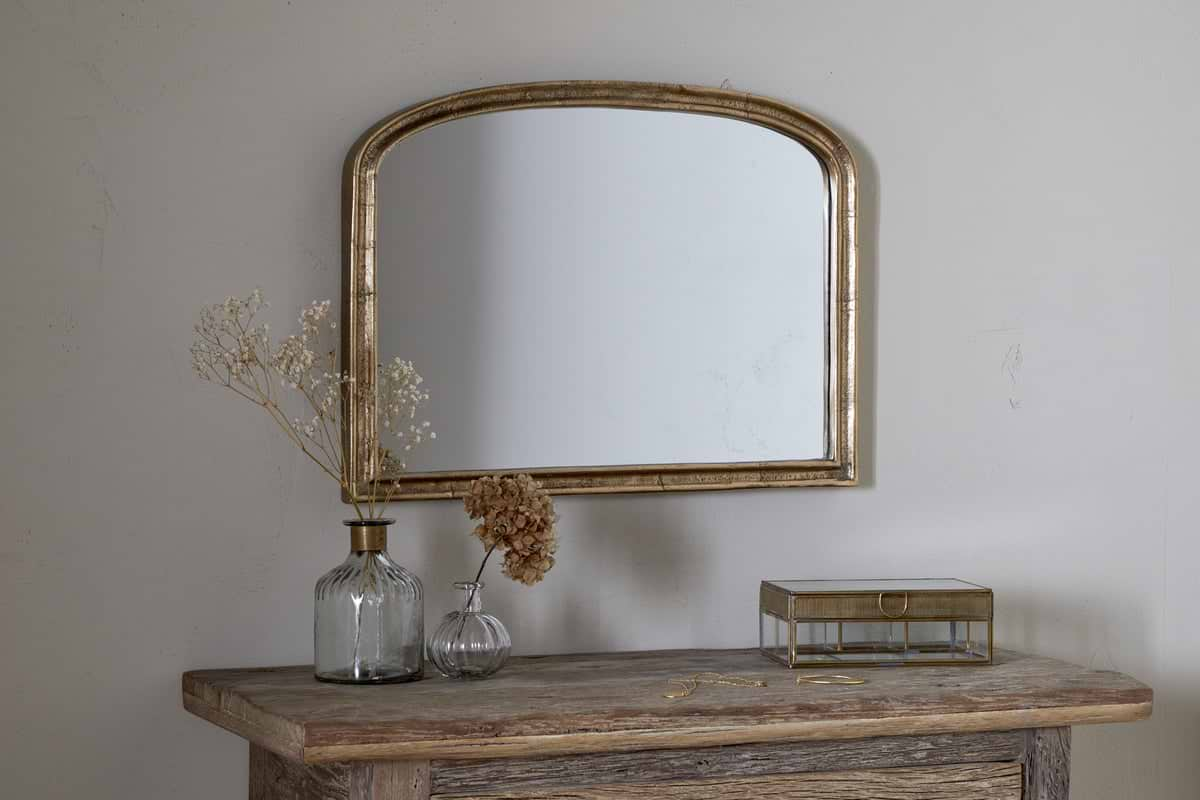
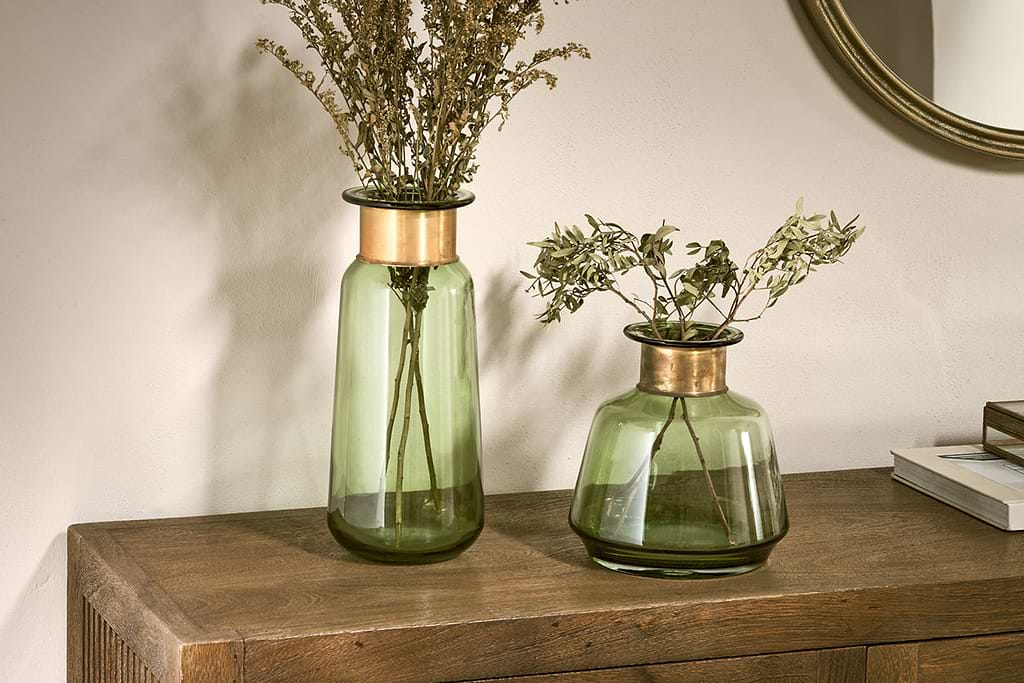
A few pieces to ground a large wall clock and complete the living room.
Some links above are affiliate links. If you buy through them we may earn a small commission at no extra cost to you. We only suggest pieces we think fit a calm, lived-in home.
Free guide
The Calm Shelf
12 styling ideas to help you compose calm, balanced shelves in natural texture homes.