

Feeling exposed is common for renters with balconies facing neighbors or the street. Lease rules limit what can be attached or fixed, so many end up searching for small apartment balcony privacy ideas that won’t risk their deposit. Too often, a busy railing or bare floor makes the balcony feel neither private nor calm.
Today, you can soften sightlines, block unwanted views, and choose screen materials that work within your lease. This works especially well for renters in a small flat when permanent fixtures are not allowed because it lets you reclaim your balcony without breaking rules.
The short version: The best small apartment balcony privacy ideas combine non-permanent screens, planters, and fabric panels suited to a rental’s limits and style. Using these renter-friendly options can turn an exposed balcony into a useful, calm space without breaking your lease or your budget.
Key takeaways
- A renter can gain balcony privacy without permanent alterations by using clamp-on screens, tension rods, or tall planters.
- Outdoor curtains or linen panels block sightlines and soften the view in small spaces.
- Natural materials like bamboo or reed screens are light, easy to attach, and reduce glare.
- A small balcony appears bigger and calmer when one privacy solution is chosen as a focal point.
- Low-cost privacy hacks, like those featured in a related video, work for renters and temporary needs.

Where this works best
Small apartment balcony privacy ideas work best for flats with exposed railings, overlooked patios, or open views onto neighboring blocks.
Rental balconies often face a shared courtyard or other windows. These setups feel more public than private, especially when the railing is open or made from metal bars. Some balconies have solid walls but still feel overlooked from above or beside.
Choosing a privacy approach matches to the view, structure, and lease constraints of your home. For renters who cannot drill or bolt screens, soft fixtures like fabric panels, clamp-on screens, or tall planters provide more freedom. These work on small balconies and comply with most rental agreements, so nothing leaves marks or holes behind.
Avoid thick, heavy screens designed for houses with large patios, as these often look bulky against a small railing. In a narrow flat, oversized screens crowd the floor and block light, making it feel cramped. Instead, choose slim, lightweight options that suit small-scale spaces and work with the lines of existing railings.
For open-plan flats, softly screening off the balcony adds visual separation between indoors and outdoors without shutting out air or views entirely.
What should you check before choosing a privacy screen?
A balcony privacy screen works best when it fits your lease rules, railing type, and weather exposure. Always check restrictions upfront.
Rental agreements often spell out what is allowed on balconies. Some leases ban drilling, outdoor fabric, or anything that changes exterior looks. Others allow temporary fixtures as long as they do not leave marks, a key advantage of tension rods, clamp-on screens, or movable planters.
Weather and wind are just as important. Many small balconies get strong gusts that can pull down lightweight screens or bend thin frames. Reed or bamboo is light but must be anchored well on open edges. A renter should test placement for sway and avoid screens that rattle or blow into the neighbor’s space.
A bare railing may tempt you to grab the first screen you see, but the wrong solution causes more hassle. For example, a tall wood panel might not fit under an angled balcony roof. Unlike permanent fencing, a loose screen might need adjusting during high winds or rain. Renter-friendly fixes should be quick to put up, easy to remove, and kind to surfaces.
With a careful check, renters avoid wasted money on screens they cannot keep up, and protect both their deposit and outdoor comfort.
How can a bamboo or reed screen help with see-through railings?
Bamboo or reed screens turn open railings into semi-private walls, softening views and blocking exposure without adding heavy weight or bulk.
Metal or glass railings are common in city blocks and nearly always see-through, which leaves a balcony feeling wide open, visible to anyone on the street or in nearby windows. Bamboo and reed screens are thin, flexible, and come ready to tie, zip, or clamp onto almost any railing shape. They break up sightlines while still letting filtered light pass through.
Natural fiber screens reduce glare and add texture. Compared to plastic panels, they feel warmer and invite less condensation. Most bamboo rolls are cut to the height of a common railing, keeping the look neat. Installation usually takes about ten minutes and does not require tools if the screen is pre-wired or has built-in ties.
A bare railing reads colder and draws the eye to every passing neighbor. A bamboo screen, especially one with a fine weave, blurs the view and helps the balcony feel enclosed but not shut off. Removing the screen is just as simple, handy for renters who need to follow strict move-out rules.
Many renters find that swapping out a plastic or metal barrier for a reed or bamboo screen changes the space from exposed to cozy in one short afternoon. For material ideas and visuals, a widely shared resource on Pinterest walks through 12 real-life balcony privacy options using reed and bamboo.
What are the simplest renter-friendly privacy fixes?
The simplest renter-friendly privacy fixes use dollar store panels, tension rods, or clamp-on screens that come down easily and leave no sign behind.
Not every balcony calls for a full makeover. Many leaseholders want fast, temporary fixes they can remove if the landlord visits or their needs change. A dedicated Pinterest board, ‘Renter Friendly Balcony Privacy’, catalogs low-impact ideas like hanging tension rod curtains or setting up foam privacy panels clipped to the railing.
Clamp-on covers attach without tools. A mesh or canvas panel fitted to the exact length of the balcony conceals what’s inside while allowing wind to pass. Railing planters, placed in a line, double as screens and add green cover. In colder months, narrow rattan panels or faux hedges zip-tied to railings offer privacy without live plant care.
Heavy, complicated screens create more problems than they solve, especially in rentals, compared to lightweight rolling options, they are harder to install, move, store, or hide at move-out. Instead of investing in build-it kits, start with fabric panels, plastic fencing, or clamp screens that require little more than a few zip ties or clips.
A related video, ‘Stop Buying Fencing. These 6 Dollar Store Hacks Give You Instant Privacy’, runs through renter-tested ideas that work on a budget and support quick, seasonal changes.

Outdoor curtains and linen panels for soft privacy
Outdoor curtains or linen panels create soft, moveable privacy on small balconies and tone down harsh light without closing off airflow.
Lightweight curtains run on a tension rod or wire stretched along the inside of a railing or wall. They move with the breeze and can be gathered to one side or closed all the way for more solitude. A standard outdoor curtain is wide enough to cover an average city balcony’s front edge, while a single natural linen panel brings a loose softness to modern metal railings.
The main advantage is how these fabrics blur sightlines without making the balcony dark. Sunlight filters through linen or cotton, and the material dries quickly after rain. A muted curtain, neutral or pale, blends instead of standing out, helping the balcony feel like a private alcove instead of an improvised tent.
Compared to vinyl or polyester tarps, linen absorbs less glare and picks up less static. Unlike a solid plank or fence, it does not make a small space feel boxed in. Pairing the curtain with a matching outdoor rug creates a subtle link to indoor colors for more visual calm.
A curtain can be drawn or left open as the day changes. This flexibility is useful on balconies where privacy needs shift, morning sun, afternoon neighbors, or nighttime dinners. Remember to secure the edges if wind is a problem. For more fabric-based calm inspiration, see calm outdoor styling on Loom & Glow.
Can plants create a private balcony?
Tall planters, trellises, and climbing plants offer natural screens for balcony privacy, especially in spaces where drilling or clamps are not allowed.
Planters and vertical trellis structures lined up along a railing create a living privacy screen. Many renters use woven willow or wire trellis panels set behind slim pots, letting climbing plants such as ivy, jasmine, or morning glory grow up and cover the view with green. This solution works best in long, shallow balconies where space is tight, but height is less restricted.
Living screens adapt with the seasons, plants thicken in spring and summer, then can be trimmed back or replaced in winter. Unlike bamboo or reed, living plants need some care and water, but they also cool the space, add shade, and muffle city noise. The best climbing plants for balconies are hardy, grow quickly, and can survive in small pots.
Compared to solid screens, green trellis panels are lighter and adjust easily. A row of tall grasses or bamboo in weighted pots blocks lines of sight without fixing anything to the railings. Heavy box planters can be rolled into place and moved if needs change. A low-maintenance balcony plants guide can help narrow the list to plants that thrive in limited balcony light and are easy to look after, even for beginners.
Planters should be kept balanced at each end of the balcony to avoid a lopsided look. Grouping three or more at different heights creates depth and fuller coverage.
Styling and placement
Calm balcony privacy comes from repeating one main texture and placing screens or planters in a single line, not scattered.
Random or overly busy placement of privacy materials confuses the eye, making a small balcony feel smaller. Choose one style, such as a bamboo screen, linen curtain, or row of clay pots, and use that consistently. Unifying color and texture helps screens blend in so they don’t feel intrusive.
Placement matters more than you might expect. A curtain hung from a side wall softens direct lines of sight from a next-door neighbor. Planters grouped on the railing’s outer edge shield sitting areas from view, but allow easier light and air flow than a full wraparound screen. Avoid cramming too many types or layers together, which quickly turns calm intent into visual clutter.
Instead of scattering screens or plants at random, anchor one arrangement as the focus, either along the railing or one exposed side. This reduces distraction and makes maintenance easier, too. Compared to a mix-and-match approach, a single row or banked set always looks cleaner and settles naturally into the space.
For renters who want to try different setups without risk, lightweight privacy options can be moved seasonally. When new color or texture is needed, swap a pot or curtain, not the entire arrangement.
Quick calm checklist:
- Choose one screen material (bamboo, linen, or clay planters) as the primary look
- Space screens or planters evenly, avoiding gaps and crowding
- Keep the palette subdued, natural tones like sand, stone, and soft green
- Anchor the main privacy line to a railing or exposed side, not all four edges
- Pick one focal feature: either a screen, a cluster of plants, or a single curtain panel
Review photos of small balcony decor on Loom & Glow for examples of simple, balanced privacy placement done well.
After moving in, it’s common to find the balcony feels exposed in ways you hadn’t noticed on the viewing. Turning the key, you step outside with a mug or laptop and realize passers-by can see right through the railing. A space meant for quiet feels watched, unfinished, or too open to relax.
Picking a single approach, one material, one focal point, minimal layers, creates the visual order that most renters crave. Instead of patchwork fixes, a unified privacy line draws the eye in a calm, predictable flow. The balcony ceases to be an afterthought and settles as an everyday retreat, for breakfast, reading, or just time outside.
Many renters scatter small screens and planters, hoping it will hide them from view, but this makes the space look chaotic or heavy. Without a clear privacy line, the result is neither sheltered nor open, just busy and cluttered. Most balconies can’t carry that much load, and moving out becomes a hassle when too many parts are in play. Spaces like these matter now because city life means less private outdoor room; mishandling the privacy fix is a missed chance for real calm. Saving the balcony from visual mess opens up daily use again. The air feels lighter and the view, though shielded, becomes more relaxed.
Once you pare back to the right screen or planter setup, the balcony feels finished and easy to live with, drawing you outside more often, without worry about stares or lease issues.
Save this idea for later.
What tends to hold up with small apartment balcony privacy ideas
In reviewing dozens of small balcony makeovers, the most reliable wins blend two things: one core privacy material repeated cleanly, and soft lines instead of hard edges. Reviewers often mention that outdoor linen panels or bamboo screens show less dust and handle rain much better than plastic covers. Decorators consistently recommend grouping planters or repeating a single natural tone, since too many colors make the balcony feel crowded.
One pattern seen again and again: tacking up screens or curtains temporarily, then switching positions across seasons, gives renters cost-effective, no-regret options. According to Woodies, a privacy update changes not just the look, but also how the entire apartment feels, quieting foot traffic and making even a small flat feel more private inside as well. Most solutions hold up through wind and weather when kept light and well-anchored, avoiding both clutter and the risk of damage at move-out.
, Mara, Loom & Glow
Common questions
Are privacy screens allowed on apartment balconies?
Most apartment leases allow privacy screens as long as they do not damage structures, change the building’s exterior look, or break local rules. Always check your lease and with your property manager before installing any screen. Removable and non-drilling options are safest for renters.
How do you close off a balcony for privacy?
You can close off a balcony for privacy using screens, outdoor curtains, planters, or temporary panels that block sightlines but do not require permanent installation. Most renter-friendly solutions work without drilling or glue. Choose the method that matches your balcony’s exposure and your lease rules.
What can you do with a small apartment balcony?
A small apartment balcony can be styled as a private retreat using non-permanent privacy screening, flexible seating, and low-maintenance plants. Screening for privacy lets you use the space for morning coffee, reading, or fresh air without feeling exposed. Even a narrow balcony becomes comfortable with simple, portable additions.
How do you make a balcony feel more private without permanent fixtures?
You can make a balcony feel more private without permanent fixtures by using tension rod curtains, clamp-on screens, or tall planters as screens. These options shield views and soften exposure without leaving marks or risking your deposit. Removable privacy fixes suit renters and seasonal needs best.
can i put a privacy screen on my apartment balcony?
Yes, renters can gain balcony privacy without permanent alterations by using clamp-on screens, tension rods, or tall planters that comply with most rental agreements and leave no marks or holes behind. Bamboo and reed screens are lightweight options that soften views, reduce glare, and tie or clamp onto almost any railing shape.
Explore more calm combinations inside our Shop The Look .
Shop the Look
A hanging planter and etched brass planter layer softly on a balcony, framing privacy screens with understated greenery.
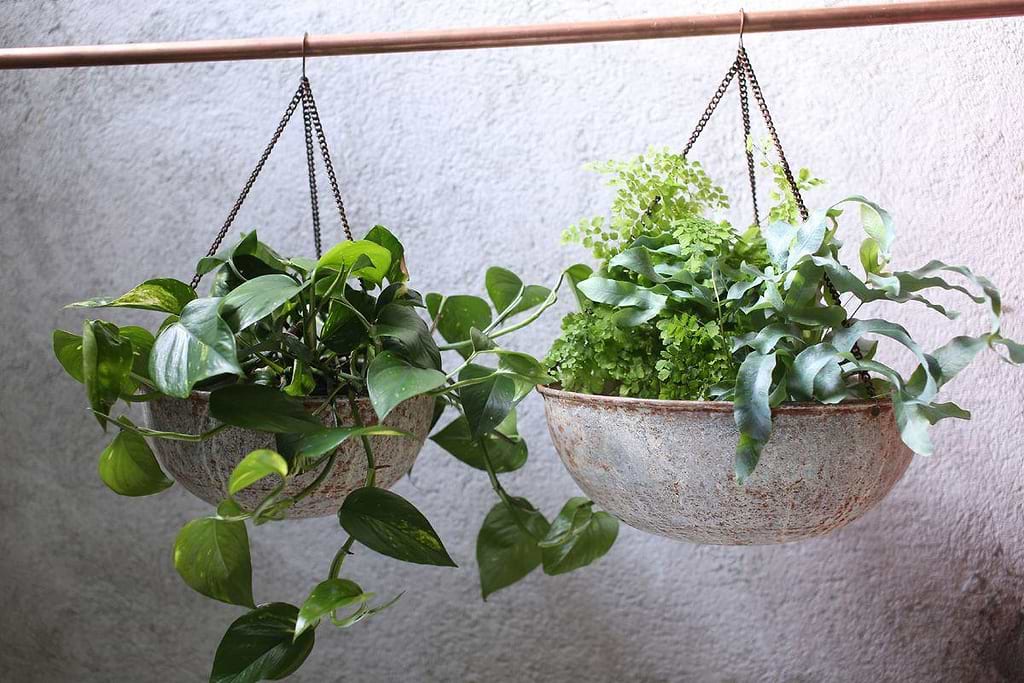
Abari Round Hanging Planter
Minimal frame, round profile, saves floor space on tight balconies.
View at Nkuku →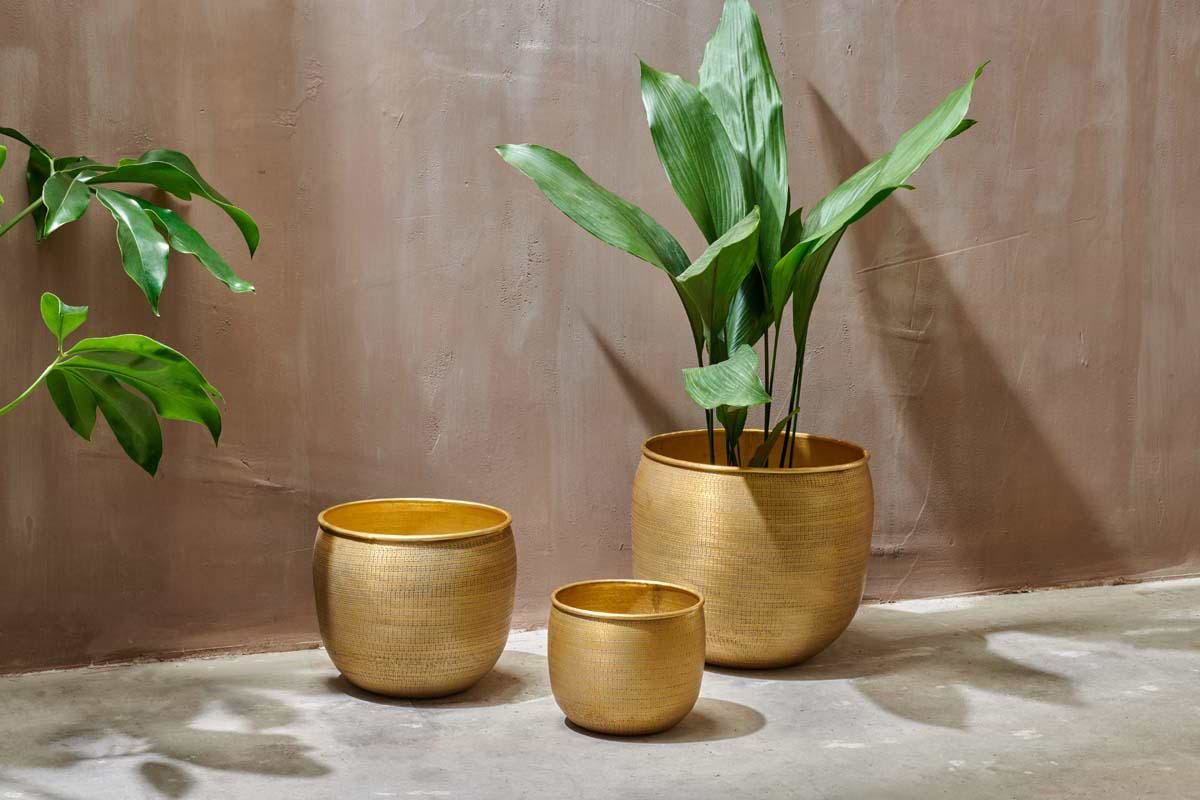
Tembesi Etched Planter
Antique brass with detailed metalwork, refined accent for plant displays.
View at Nkuku →Some links above are affiliate links. If you buy through them we may earn a small commission at no extra cost to you. We only suggest pieces we think fit a calm, lived-in home.
Free guide
The Calm Leaf
12 quiet ways to bring dried botanicals, stems, and natural textures into calm spaces.