

Clutter takes over fast in a compact bedroom. Many small single bedroom decorating ideas fail because a big standard bed frame crowds the space, leaving no room for movement or storage. The eye has nowhere to rest and everything feels squeezed together after a week of ordinary life.
Today we make choices that remove the excess: rethink the bed, lift storage off the floor, and set one focal point. This works especially well in a narrow single room when there’s only room for one bed because every piece needs to justify its place. Small decisions add up to calm.
The short version: The best small single bedroom decorating ideas work by picking one low-profile bed, adding vertical storage, and choosing natural textures for a soothing finish. This simple approach helps the room feel open, neat and restful, even in tight quarters.
Key takeaways
- A narrow bed frame with legs lets more light under and makes a floor look larger.
- Vertical storage, like floating shelves, replaces bulky dressers in small bedrooms.
- A bold headboard gives the eye one place to rest and quiets a busy layout.
- Light and calming colours help a small single room feel brighter and less crowded, according to Dreams.
- Floor-to-ceiling curtains raise the visual height and soften hard window lines.

Why do small single bedrooms feel crowded?
A small single bedroom often feels crowded because every piece pulls attention, unlike larger spaces where a bed can fade into the background. Picking too many competing features makes the room look restless.
Most compact bedrooms share the same pattern: one bed takes up most of the floor, while walls and corners fill up with hasty storage or leftover decor. Soon the eye has no direction, everything pushes forward at once, which looks and feels busy.
This kind of crowding is usually caused by having several focal points fighting for attention, like patterned bedding next to a bulky wardrobe and stacked side tables. The space feels chaotic, like a kitchen with ten spices open at once.
Unlike open-plan areas, small single beds take over the entire visual field. If every surface has something bright or big on it, the room stops feeling restful. Picking just one anchor, like a plain headboard, a suspended shelf or a single art print, pulls all the pieces into order.
One practical way to restore calm: choose just one feature for the eye to land on, and keep other surfaces matte or neutral. In daily life, this means less distraction and more ease in the morning.
Where this works best
Single-bed layout ideas work best for narrow rooms, shared spaces or small apartments with awkward walls. Choosing furniture that does not dominate lets you find more practical uses for every corner.
Rooms with only enough space for a single bed and one path to the door need careful planning, especially in shared homes, student lets, or the classic small guest bedroom. Furniture that stands tall and slim, or nestles against the wall, avoids eating precious floor or visual air.
Storage beds with drawers underneath are helpful in rooms that lack built-in cupboards, so blankets and off-season clothing have a home. A floating shelf by the bed doubles as a nightstand where space is too tight for a full table.
Avoid deep dressers or wide chests in these situations. They stick out past the bed, making it hard to walk or close the door. A single upright wardrobe, narrow but tall, is a better fit for small footprints, keeping walking lines clear and leading the eye up.
Bringing in only what the room calls for helps it feel rested fast. In a small home, ‘doing less’ can mean living easier day-to-day.
How can you choose a bed frame that won’t crowd the room?
The best bed frame for a small single bedroom is one with slim lines, legs that let light pass under, and, if possible, built-in storage. Avoiding heavy footboards helps a small room feel bigger.
Many rooms feel too full because the wrong bed absorbs all the visual energy. Boxy bases, overbuilt frames, and beds with no clearance underneath make the floor look like it ends at the mattress. Instead, pick a frame with simple wood rails and just a headboard, something you can see beneath.
Storage drawers in a platform base do double duty for rooms with no closet, especially in compact single-person flats. According to Dreams, a wooden day bed with a pull-out drawer can even turn into a guest bed, which softens the impact of a full twin or single-width mattress.
Unlike chunky divans, slim-legged frames break up the mass and keep dust from collecting unseen. Beds on legs also allow easy sweep-through cleaning and sometimes make it possible to tuck shoes or baskets below. Compared to lower boxed styles, you get a little more openness and a less blocky look.
Place the bed lengthways against the long wall, or under the window, so space feels wider. A spare frame, well-chosen, makes morning tidying easier and stops the bed from looking like it touches every corner.
What vertical storage actually works in small bedrooms?
Floating shelves and tall, narrow wardrobes keep storage off the floor, replacing bulky dressers in a small single bedroom. These tools work because they free up walking space and lighten the view.
Stacking books, baskets or even shoes on a floating shelf keeps bedside surfaces clear, especially in rooms that double as dressing and working zones. Floating shelves and tall, narrow wardrobes are recommended over deep horizontal furniture, because they solve clutter while taking up little floor area.
The classic upright wardrobe fits where a chest might crowd the wall, use one with inside shelves for underwear or even folded bedding. Baskets or bins slide onto the top to keep seasonal items hidden without needing another box under the bed.
A bare shelf reads colder than one with a small woven basket or a clay catch-all tray. Unlike deep drawers, shelves show only what you want to see, so styling stays light and flexible. Compared to a freestanding cube unit or a low set of drawers, you get the same storage function, just with more legroom and air.
Try one shelf above the bed for reading lamps or simple art. Keep clothing storage upright and leave walkways clear.

Styling and placement
Styling a small single bedroom works best when each piece is chosen for a use and a visible effect, simple, natural, unforced, never crowded. Group like with like and keep palettes narrow.
Start by choosing materials with a story, a linen duvet, a jute rug, a single wooden stool. These textures soften hard lines and give the hand and eye a gentle point of rest. If the room is already filled with heavy pieces, even a small move, like swapping one chair for a simple woven basket, can help clear the visual field.
Placement changes the feeling fast. Center a statement headboard if the wall allows, or let a bold shelf float over a plain wall, but never both. More than one focal piece can break the flow and make the room read busier. A bedroom is where you want one restful spot to land, so anything loud or overly bright can be set aside.
In small layouts, group by use: all books in one place, all sleep gear in another. Unlike scattered objects, sorted shelves keep the eye moving cleanly along the wall. Setting a long mirror opposite the bed is another trick to catch and bounce window light across the room, so one surface does double duty.
Quick calm checklist:
- Pick natural or matte finishes: raw wood, woven grasses, plain cotton, brushed ceramic.
- Limit colour palette to two or three tones, light, wood, and one soft accent.
- Go vertical: floating shelves, tall but narrow wardrobes, baskets up high.
- Anchor just one object as the focal point, bed, art, or wardrobe, not all at once.
- Leave two-thirds of exposed surfaces clear, especially on shelves or window ledges.
Keeping placement simple and colours soft works best in awkward or rental rooms, where changing paint or layout isn’t an option. One honest focal point steadies the whole room.
How do you use colour and light to open up a small bedroom?
Choosing light, calming wall colours and using floor-to-ceiling curtains creates the impression of more space in small bedrooms, according to design guidance. Mirror placement can also reflect sunlight, making the room look larger.
Pale paint lets daylight bounce more softly around a single-bed room, reducing harsh edge shadows. Busy wallpaper or strong wall stripes can pull focus and make a short wall feel even shorter. The best wall options are chalky whites, soft grey-beiges, or any gentle warm neutral, a tip repeated by many decorators.
Floor-to-ceiling curtains, even in a low-ceilinged space, can visually lift the height and make windows feel generous. Sheer linen or cotton offers privacy but still lets in street or sky light. Unlike blinds or short curtains, long panels soften the join between wall and floor and bring subtle movement.
Compared to matte painted walls, gloss surfaces may bounce more daylight, but often show fingerprints and feel colder. If you want a hit of contrast, pick a small table lamp or art print, rather than painting all four walls dark. Place a long mirror on the wall opposite the widest window, this trick returns natural light into the bed space, which is handy in a north-facing or shaded room.
Keeping colours pale, and surfaces matte, gives even tiny layouts more visual air.
What’s worth spending on, and what isn’t?
Spending on one real wood piece, a high-quality linen, or bespoke floor-length curtains pays off in small bedrooms. Skip cluttery decor or sets of small ornaments, which quickly add up to visual noise.
Good linen wears in, not out, making a single set last longer. A sturdy wooden stool or side table might cost a little more than plastic or high-gloss options, but it looks right with age, hides dents, and can move from bedside to desk as needed. Most floating shelves sit around the price of a takeaway meal; a good one usually runs $20, $40.
Unlike stacked trays or bargain baskets, one or two real jute boxes will outlast several cloth or plastic bins for under-bed storage. Compared to a cheap painted headboard, a single upcycled wooden piece can become the statement that holds the whole room together.
If a budget is tight, skip most finishing pieces and spend on the single most-used object, the mattress, the linen, or the main shelf. In a small bedroom layout, the fewer surfaces you fill, the easier it is to keep tidy and to live in every day.
One memorable, real material lasts, that’s what roots the feeling of calm.
Sometimes you set everything in place, but the space still feels slightly unsettled. Clothes pile up on the only chair, or decorative baskets start to spill out into the walkway. The room is neat, but not calming.
The moment things change is when you realise that every piece is pulling its own direction, too many bright patterns, stacked organizers, or mismatched finishes. Letting one texture or shape lead simplifies the whole spot and helps both storage and mood fall into line.
Most people overload a small single bedroom by trying to squeeze in as much furniture and storage as possible, making the space feel busier and visually heavier. The downside is a daily sense of clutter, where no item stands out and nothing feels right. This matters more if you need the room to do double-duty, sleep, study, or storage.
Once the extra is edited out, circulation improves and surfaces calm down.
Save this idea for later.
What tends to hold up with small single bedroom decorating ideas
After reviewing hundreds of small room layouts and reader submissions, one detail comes up again and again: rooms hold up best when every visible object is either in daily use or truly loved. Reviewers consistently mention that matte finishes, whether on paint, fabric, or woven baskets, avoid harsh reflections and make even narrow single rooms feel larger by daylight.
Decorators often suggest strings of natural textures, like a wooden peg rail or a single linen curtain, which soften noise without adding bulk. Using vertical storage, rather than deep storage, is a fix almost everyone keeps. Bedrooms that work over time usually set a clear focal point and let other elements take a gentle supporting role.
, Mara, Loom & Glow
Common questions
Why do small single bedrooms feel so crowded?
A small single bedroom often feels crowded because every piece pulls attention, unlike larger spaces where a bed can fade into the background. Picking too many competing features makes the room look restless.
What’s the best bed frame for a small single bedroom?
The best bed frame for a small single bedroom is one with slim lines, legs that let light pass under, and, if possible, built-in storage. Avoiding heavy footboards helps a small room feel bigger.
What vertical storage works best in small bedrooms?
Floating shelves and tall, narrow wardrobes keep storage off the floor, replacing bulky dressers in a small single bedroom. These tools work because they free up walking space and lighten the view.
How should you position a bed in a small single bedroom?
Place the bed lengthways against the long wall, or under the window, so space feels wider.
Explore more calm combinations inside our Shop The Look .
Shop the Look
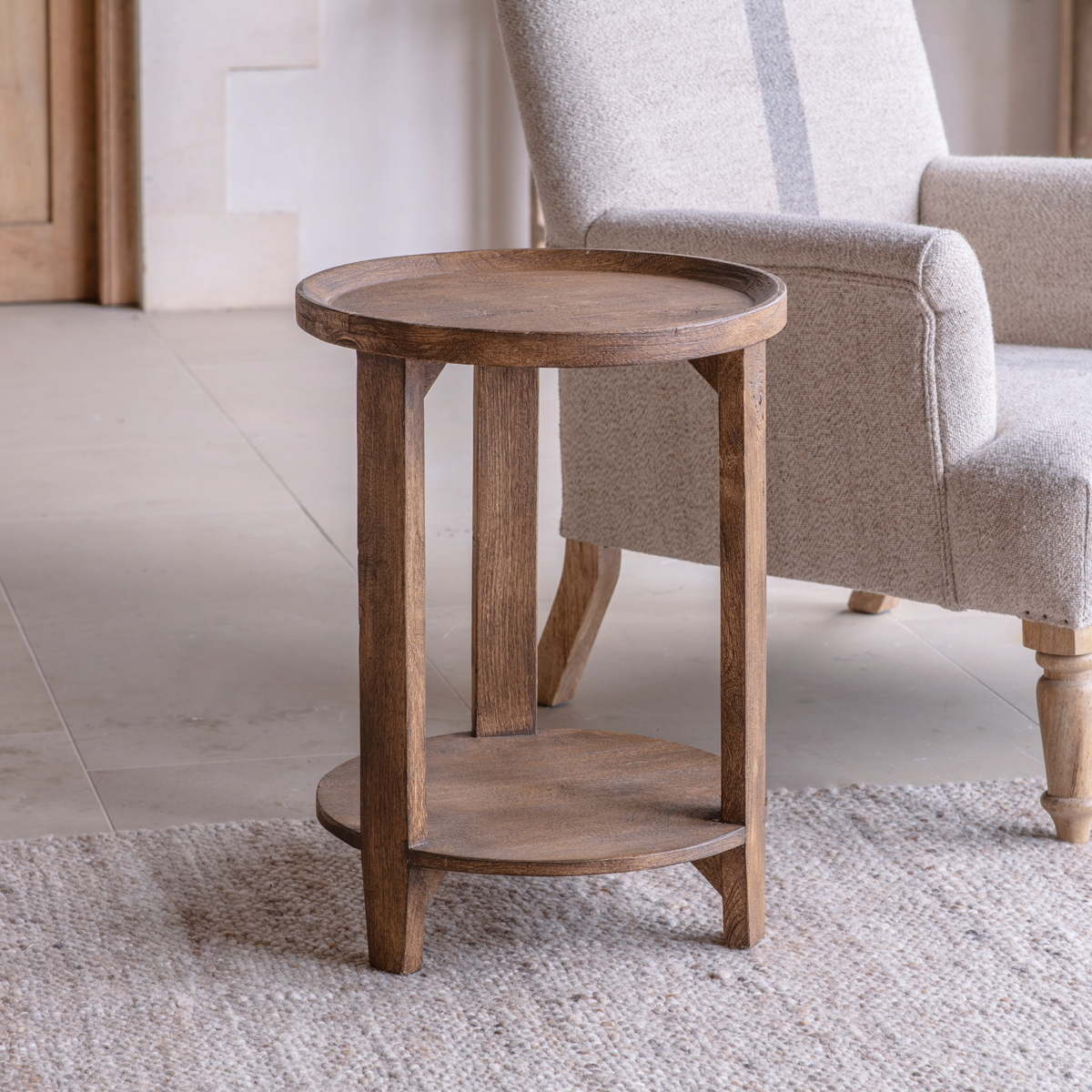
A sculptural side table, a soft cushion cover for warmth, and a small antique brass mirror to breathe light into a single bedroom.
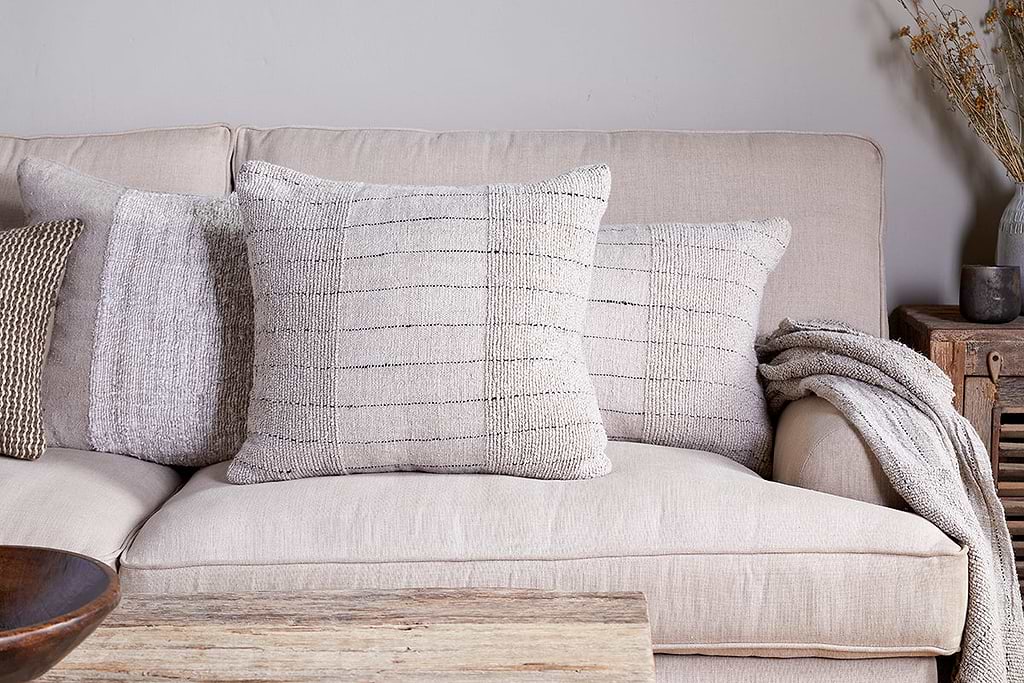
Mayla Cushion Cover
Soft hand-textured cover, instant warmth on linen sofas or chairs.
View at Nkuku →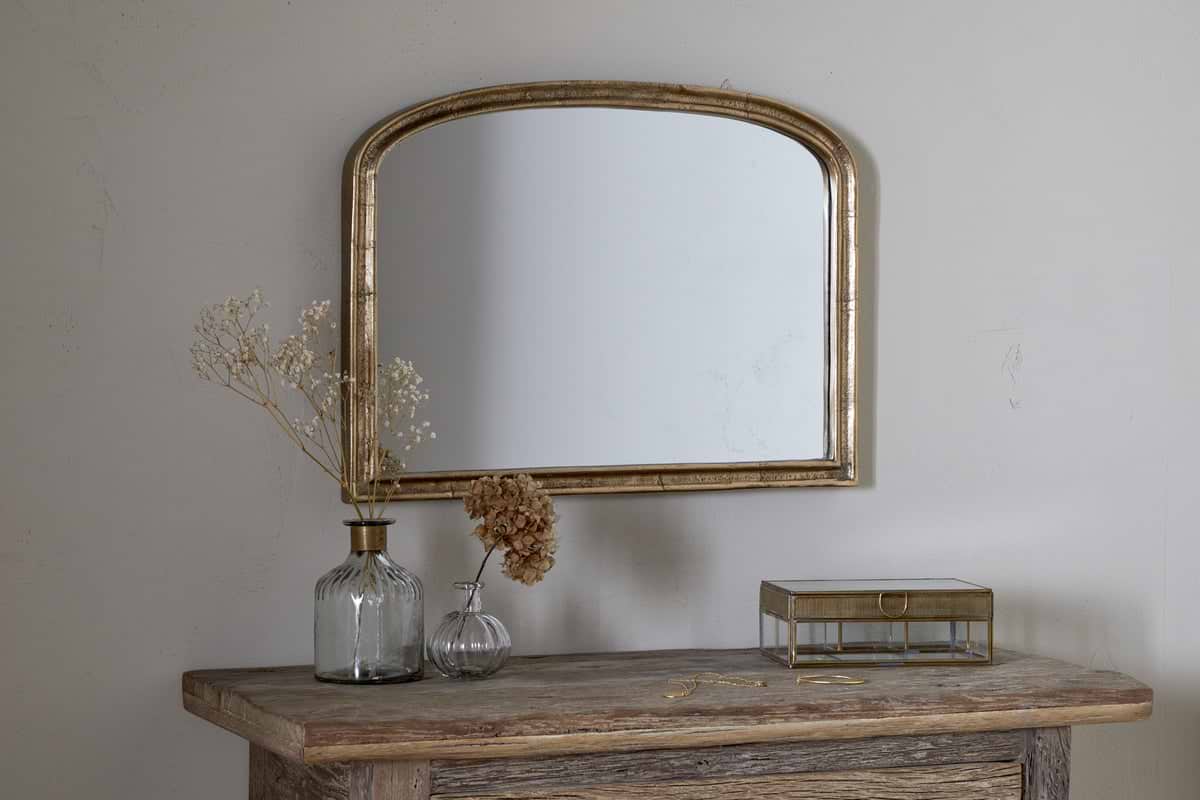
Some links above are affiliate links. If you buy through them we may earn a small commission at no extra cost to you. We only suggest pieces we think fit a calm, lived-in home.
Free guide
The Calm Shelf
12 styling ideas to help you compose calm, balanced shelves in natural texture homes.