

Many people start with a blank space and the best of intentions, but wood wall decor often feels tricky: too small and it disappears, too scattered and it feels messy. It’s a real problem, especially in rooms where furniture, light, and colors don’t match up cleanly with a new piece. Even beautiful wooden wall art can seem awkward if the scale or placement is off.
The aim here is simple: help you see how to choose and place wood wall decor that fits real rooms and real lives. You’ll see how to avoid the most common mistakes and get an outcome that feels calm and clear. This works especially well in a small living room when floorspace is tight because wall decor uses vertical space without taking over.
The short version: Wood wall decor makes a room feel more finished if you pick either one large piece or a tight group, not random smaller ones. The trick is picking the right scale and grouping for your actual wall, keeping palettes and placement simple.
Key takeaways
- Wood wall decor adds warmth and texture to a bare wall without needing loud colors or bold patterns.
- A larger piece usually works better than several small ones for calm, anchored room decor.
- Matching wood tones to existing furniture keeps the design from looking mismatched.
- For renters, lightweight wooden pieces that use picture strips skip wall damage.
- Coordinated sets, sold by Pavilion Broadway and others, take the guesswork out of grouping pieces.
- What counts as wood wall decor (and what does not)
- Where this works best
- How do you pick the right size for a large empty wall?
- One big piece or a grouped set: which looks better?
- Styling and placement
- How do you pair wood wall decor with your room’s existing wood tones?
- Can you add wood wall decor for autumn without it looking themed?

What counts as wood wall decor (and what does not)
Wood wall decor means crafted wooden pieces made for the wall, not just frames. These include wooden wall art panels, 3D plaques, carved objects, and mixed material sets.
Wood wall decor is more than just a framed print or a cheap sign. It includes geometric wall art, abstract wood shapes, simple carved panels, and phrase-based designs like those sold by Bear & Rose. These pieces usually work as a focal point, pulling in warmth and texture.
Compared to traditional framed art or posters, wood wall decor usually stands out for its surface, the grain, the weight, the shadow it casts. In a living room or bedroom, that difference shows up right away: a wooden wall hanging is thicker, tactile, and immediately more grounded than a paper print behind glass.
The key thing: wall decor made with wood is meant to be noticed for its structure. A timber frame counts as framing art, but a grooved wooden medallion or a set of sculpted hexagons are the decor itself. Unlike a gallery frame, these are the object, not just the holder.
The best way to use this is to choose wooden wall art that adds depth or layering, rather than something that could just as easily be printed on canvas. Place it above a sideboard, sofa, or bed, where the weight of real wood draws the eye.
Where this works best
Wood wall decor works best in living rooms, hallways, and bedrooms where you want to add quiet interest without crowding furniture. Natural wood suits busy spaces because it adds texture without bright color.
Most often, a bare living room wall over a sofa or a hallway that feels cold gets marked for wood wall decor. These are busy spots that benefit from a calm, natural material, and they’re also where other home decor can look too delicate or disappear in shadow. Unlike glass or lightweight prints, wood holds its shape and color in both daylight and low light.
In shared spaces with kids or pets, wood wall hangings skip the fingerprints and streaks that glass prints collect. For bedrooms, especially those with two or more wood tones already present, the solution is a piece that bridges the gap, something with mixed woods or subtle pattern.
Avoid hanging wood wall decor above radiators or in rooms that already carry four or more wood finishes, this can tilt the look toward busy or dated. Stick to neutral, low-contrast woods in these situations to keep the tone quiet and clean.
Use this setup to anchor a living room’s focal wall, or to draw the eye in a hallway where sightlines need softening but not a showy pop.
How do you pick the right size for a large empty wall?
A large empty wall looks best with one substantial wood wall decor piece or a grouped set that fills about two-thirds of the open space. Small pieces get lost and feel scattered.
In many homes, the challenge is a big expanse, the blank wall over a couch, or at the end of a wide hallway. Hanging one small artwork looks strange, but many people collect several and end up with a busy, disjointed effect. According to Pavilion Broadway, multi-piece sets are common in wood wall art because they cover more space without looking cluttered (source).
The rule of thumb: fill about two-thirds of the wall’s width with your decor arrangement and center it at eye level. This scale anchors the wall and reads as intentional, unlike a tightly-packed gallery that can feel erratic. For extra-wide spaces, consider spaced-out geometric wood panels in a simple grid, rather than trying to fill the area with a bunch of unrelated pieces.
Compared to mixing paintings or prints, wood decor in the right scale feels more connected to the architecture of the room. When the size is right, it brings the wall forward; when it’s too small or floats far above the sofa, it feels like an afterthought.
Apply the two-thirds rule above a sofa, headboard, or bare console to bridge negative space and anchor your furniture in the room.
One big piece or a grouped set: which looks better?
One large wood wall decor piece feels calm and anchors the room, while a grouped set can add movement and casual interest when you keep spacing even and colors similar.
The decision usually comes down to how busy you want the wall to feel and what furniture already sits underneath. If you have a room with varied seating or mixed storage, a single oversized wooden panel feels steady and grounds everything below. In contrast, a clean, narrow hallway or a more minimal space with a single bench often welcomes a set of small, related pieces, like those coordinated collections sold as sets (for example, Pavilion Broadway’s grouping of nine small wood reliefs).
Here’s a quick comparison for at-a-glance decision making:
| One Large Piece | Grouped Set |
|---|---|
| Anchors a main seating area | Fits long hallways, above consoles |
| Easier to align and hang | Requires planning for even spacing |
| Feels more formal, steady | Offers movement, informality |
| Higher cost up front | Buy pieces over time on a budget |
Choosing between the two is about your room’s energy: grouped sets can add texture, but too much variation in size or finish will quickly look random. Unlike a carefully-chosen single panel, a crowded gallery wall is harder to pull together unless all pieces share a clear color or shape logic.
To use this in your space, pick a main piece that’s at least half the length of your sofa for single-panel walls. For groupings, lay pieces out on the floor before hanging, focusing on even gaps and matching wood finishes.

Styling and placement
Wood wall decor works best when hung at eye level and paired with nearby materials like linen or clay for softness. Spacing and palette matter more than matching exact wood color.
Hanging wood art too high or too far right or left of furniture makes it look disconnected. For most living spaces, eye level is a safe bet, roughly the midline of your wall (often lining up with where your eyes hit standing or sitting). A wooden wall design sits best above a sofa, console, or bed rather than floating lost on an empty expanse.
If your room’s palette is all neutral, add a touch of soft fabric or ceramic underneath your wood art to prevent the wall from reading as cold or stiff. Wood absorbs and bounces natural light, so watch for glare or harsh shadow in spots near bright windows. Where fabric or baskets are nearby, wooden wall pieces look softer and more homely.
Unlike all-white gallery walls, solid wood decor invites your eye toward the surface itself, not just a printed image. Instead of using a dark frame on a white wall, use pale woods for light rooms or mid-tones for rooms with heavier furniture. Balance is key: heavier decor goes above solid furniture, while lighter pieces hang well in clusters for more flow.
Quick calm checklist:
- Pick unfinished or matte-sealed wood (not shiny varnished) to keep light soft.
- Hang art at eye level, centered over main furniture or between nearby objects.
- Keep palette to two or three wood tones, max, for a quiet look.
- Leave a hand’s width minimum between grouped pieces, never crowd.
- Pair with soft materials (linen, clay, jute) to avoid hard edges.
Set your main wooden wall piece above a sofa or entry bench, or use a group of three small shapes above a sideboard, always leaving clear space around each to help the eye rest.
How do you pair wood wall decor with your room’s existing wood tones?
Pair wood wall decor to your largest furniture tone, not every tone in the room. Combining similar tones creates flow; mixing only two tones feels relaxed yet planned.
Matching wood finishes too closely can make a room look forced, but mixing five or six types can break up the flow and feel patchy. The goal is connection, not perfect matching. A pale oak wall panel bridges ash floors and a walnut coffee table, for example, by sitting between them in tone.
According to Bear & Rose, wooden wall art pieces start from under £20, so updating a wall to better suit changing furniture tones doesn’t have to be expensive. Most designers choose either a close match to the main furniture wood or a deliberately different but coordinated finish.
Instead of struggling to find the exact match for every chair leg or cabinet, pick wood decor that’s lighter or darker than your largest piece, or one that brings together several grains in a simple geometric design. This draws the eye through the room without any single object shouting for attention.
Use these principles in an open-plan living, dining space, where the wood wall art can help smooth the shift between warm and cool wood furniture, or where the kitchen’s pale tones meet a darker lounge color.
Can you add wood wall decor for autumn without it looking themed?
Wood wall decor brings warmth for autumn, but you avoid a themed look by sticking to simple shapes and year-round neutrals, skip overt motifs and painted leaves.
Autumn home decor can slip into kitsch when it leans hard on seasonal icons or words. Wood wall hangings that last through autumn and beyond avoid bright pumpkin shades or overly folksy shapes. Instead, let natural wood grain, rounded edges, and subtle carving set the tone, these look autumnal when paired with throws and branches, but read as classic all year.
Switching textiles in the same room, adding a thick linen runner, a clay bowl of pinecones, makes wooden wall pieces feel right for cool weather without changing the wall itself. The trick is using plain, unpainted pieces or low-key wall panels, not ones with orange, red, or script decor that spells out the season.
Compared to swapping in festive art prints or seasonal banners, a solid wood medallion or geometric wall set has staying power: these adapt with each season’s accessories and work as unique home decor for the rest of the year, not just autumn. Add these pieces above natural fiber textiles or branch arrangements for the right layered effect.
Place wood wall decor above a console, next to an entry mirror, or above a softly textured rug to bring out the season’s warm side, while keeping your main pieces out year-round.
There’s often a moment after you hang new decor and step back, something feels off: the wall looks busier or less finished than before. The problem usually comes from spreading small wooden pieces out too far, or picking finishes that don’t talk to your furniture. It matters now because many of today’s homes mix too many wood styles, and what could feel calm comes off jumbled instead.
Grouping your pieces tightly or anchoring one large element brings focus and softens the space from the moment you walk in.
Save this idea for later.
What tends to hold up with wood wall decor decisions
Looking over many homes, one pattern keeps showing up: rooms that limit their wall decor to one or two wood tones always look more finished than those that layer every available shade. Matte finishes get recommended again and again in living spaces, because they maintain their soft appearance even near windows and resist smudges from daily life.
Another point that keeps surfacing in decorator advice, well-spaced wooden wall art doesn’t just fill a wall; it changes the feel underfoot, anchoring a sofa or bed in a way framed prints rarely do. The pieces that age well are those with simple cuts and subtle depth, no trend-driven shapes or sprayed-on color.
, Mara, Loom & Glow
Common questions
How do you pick the right size for a large empty wall?
A large empty wall looks best with one substantial wood wall decor piece or a grouped set that fills about two-thirds of the open space. Small pieces get lost and feel scattered. In many homes, the challenge is a big expanse-the blank wall over a couch, or at the end of a wide hallway.
One big piece or a grouped set: which looks better?
One large wood wall decor piece feels calm and anchors the room, while a grouped set can add movement and casual interest when you keep spacing even and colors similar. The decision usually comes down to how busy you want the wall to feel and what furniture already sits underneath. If you have a room with varied seating or mixed storage, a single oversized wooden panel feels steady and grounds everything below.
How do you pair wood wall decor with your room’s existing wood tones?
Pair wood wall decor to your largest furniture tone, not every tone in the room. Combining similar tones creates flow; mixing only two tones feels relaxed yet planned. Matching wood finishes too closely can make a room look forced, but mixing five or six types can break up the flow and feel patchy.
Can you add wood wall decor for autumn without it looking themed?
Wood wall decor brings warmth for autumn, but you avoid a themed look by sticking to simple shapes and year-round neutrals-skip overt motifs and painted leaves. Autumn home decor can slip into kitsch when it leans hard on seasonal icons or words. Wood wall hangings that last through autumn and beyond avoid bright pumpkin shades or overly folksy shapes.
Explore more calm combinations inside our Shop The Look .
Shop the Look
Two pieces that honour wood's warmth in a restrained, sculptural way.
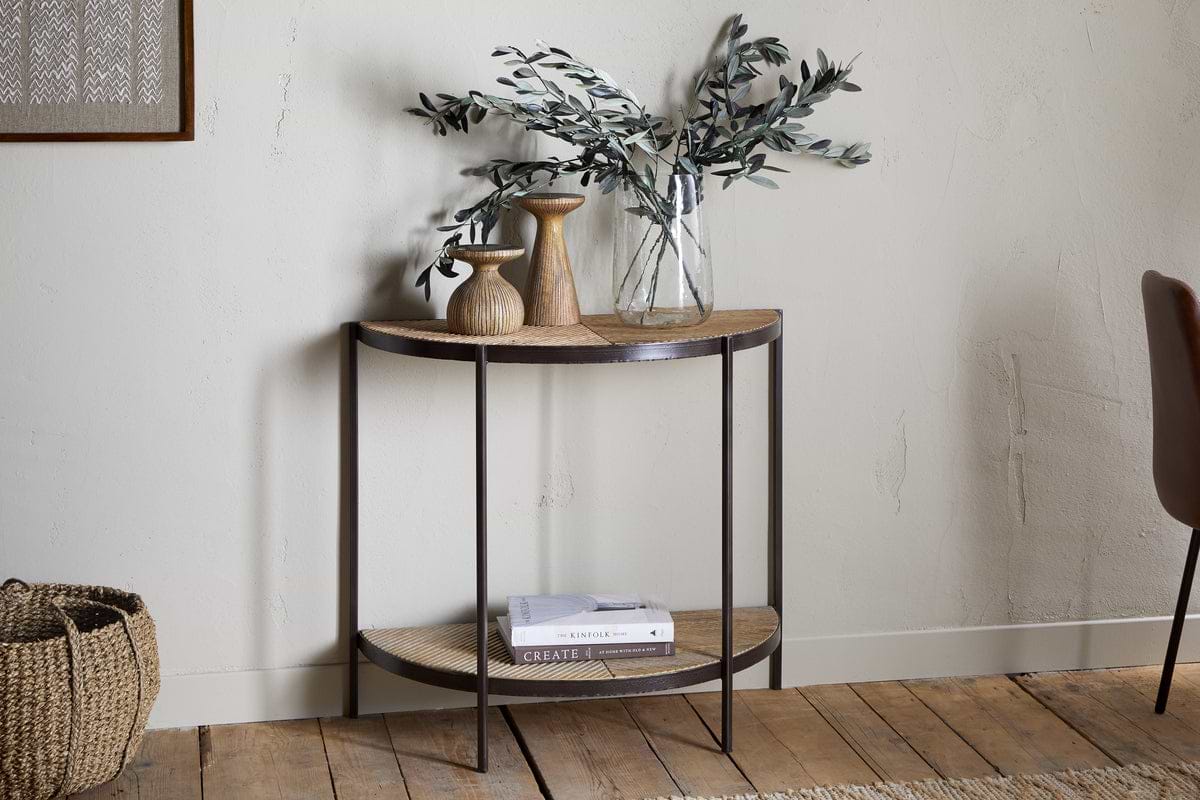
Aasha Console Table
Half-moon silhouette in mango wood; anchors entryways and narrow walls.
View at Nkuku →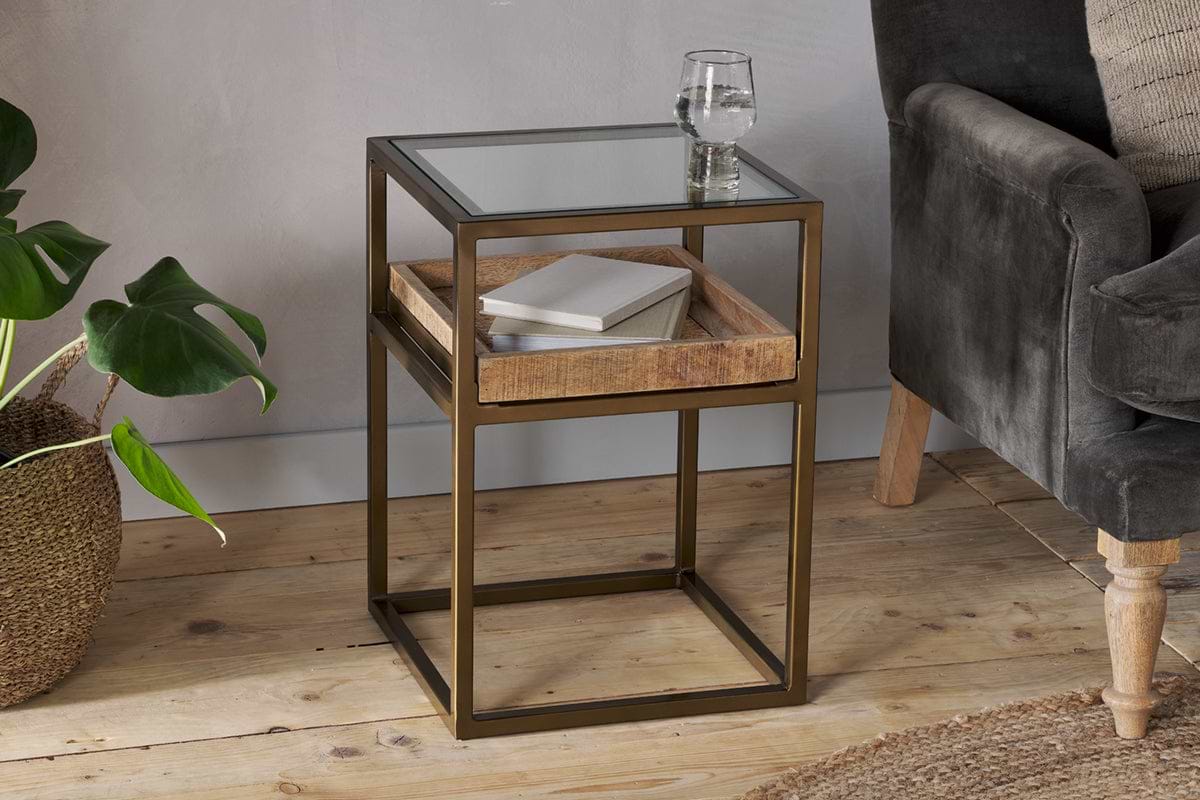
Luzon Side Table
Iron and mango wood with display shelf, small footprint, double function.
View at Nkuku →Some links above are affiliate links. If you buy through them we may earn a small commission at no extra cost to you. We only suggest pieces we think fit a calm, lived-in home.
Free guide
The Calm Shelf
12 styling ideas to help you compose calm, balanced shelves in natural texture homes.