

A bare shelf can look cold. Too many things packed together feel busy, not calm. Even when someone tries to tidy up, it is hard to know where to start. Most rooms with open shelves end up stuck between empty and overfilled. With so many shelf styling tips out there, it is easy to miss what actually works every day.
This guide breaks it down into clear choices. You will find out what to keep, what to move, and exactly how to arrange what matters. This works especially well in a small living room when the shelf is in plain sight because it helps the space feel put together without extra effort.
The short version: The best shelf styling tips use the 3-5-7 formula, negative space, and a few trusted anchors to make any shelf look intentional. Remove what you do not enjoy, add just enough difference, and use one main piece to set the look.

How do you use the 3-5-7 formula in shelf styling?
Group shelf objects in odd numbers—three, five, or seven—so the arrangement feels balanced without looking too perfect. This helps the eye move naturally across the shelf, making things look calm but never stiff.
Sometimes a shelf holds only one family photo, other times it is packed with knickknacks. The 3-5-7 rule gives you an easy way to group things so the shelf feels finished without being crowded. You might use three vases or five stacked books with a small bowl set nearby. Odd numbers keep things relaxed.
This formula works because grouped objects seem natural, not staged. An even grouping reads flatter, while an odd one adds a slight twist that feels casual. A shelf with three stoneware jars feels softer than one with only two lined up.
In a hallway or above a sofa, using this approach can stop the shelf from feeling random or busy. Instead, every object seems like it belongs, even when the pieces are different.
Try this with any shelf: start with your favorite object, and group a few others beside it. Step back and you will see a small shift—more balance and less fuss.
Where this works best
The 3-5-7 formula fits most open shelves—living rooms, bedrooms, entryways, and even kitchens. It helps shelves look intentional in easy-to-miss spots, especially where clutter or empty gaps show up.
Living rooms and bedrooms often have shelves that double as both storage and display. These rooms get used daily, so clutter grows quickly. Sticking to the 3-5-7 formula makes open shelf decor easier, giving structure when the rest of the room may feel busy.
In an entryway or a small kitchen, storage is often limited. Here, grouping objects in odd numbers keeps everyday things—like a mail tray or a woven basket—feeling put together. It also allows you to swap things out without starting from scratch each time.
Avoid crowding shelves above radiators or beds; those spots fill fast and any extra item can make the area feel heavy. Keep to the basics there, and leave empty space around groupings so that the shelf reads organized, not jammed.
Try the 3-5-7 grouping in the room you use most—it holds up best in high-traffic spots with floating shelf ideas, where too many objects can easily pile up.
What objects should anchor a shelf display?
Choose one anchor piece per shelf—a box, frame, vase, or sturdy item. This creates a natural focal point, making everything else feel organized around it.
A shelf without an anchor looks scattered. It is easy for small trinkets and paperbacks to get lost, making the shelf read like storage and not display. Instead, adding one standout object—such as a Kiko Brass Frame or a wide pottery jar—grounds the whole shelf.
Anchors work because they draw attention and give the eye a place to land. A large, woven basket makes other items, like candles or ceramics, stand out more. In a bedroom, a solid wooden box can give softer items, like a stack of linen napkins, a sense of structure.
Unlike cluttered rows, one anchor keeps a shelf display from looking like leftover storage. The anchor makes groupings look planned even when other items are rotated out.
To try this, pick one piece that feels special but neutral. Place it just off-center and build around it. It changes the mood right away—less scattered, more focused.
How do you create negative space on a shelf?
Leave clear gaps between objects so each thing stands alone and the overall effect is calm. Negative space lets every object breathe, making the whole shelf feel lighter.
Many crowded shelves suffer from a lack of space between items. When books topple into vases or art leans against planters, it turns the shelf into one long block. Negative space means simply leaving pockets of empty shelf—no need to fill every part.
This works because the eye gets a break between objects, and each object stands out more. A small photo frame looks richer with space around it than pressed against another piece. Shelves with clear gaps seem neater, even if nothing else changes.
Compared to filling every inch, leaving blank spots is harder at first—but it always pays off. The shelf feels airier and it is easy to swap in seasonal shelf vignette ideas without crowding the look.
Start by removing one item from each shelf, then slide others apart. Most people find that about two-thirds of a shelf kept open feels right.

Styling and placement
Use mixed heights and stagger placement—but keep to a simple color palette and materials for a calm look. Too much symmetry or repetition can look stiff.
Jars, bowls, and books are common shelf picks, but their effect changes depending on placement. Mixing a tall vase with a low stack of books stops the shelf from looking too neat or too blocky. Objects of varying heights pull the eye, making the arrangement feel more relaxed.
Placing a clay pot just off-center, then echoing its rough texture with a linen-wrapped candle, introduces enough variation to feel easy. If every piece lines up or repeats the exact shape and color, the shelf becomes flat. Mixing textures—wood grain, woven reed, matte ceramic—makes even a neutral shelf interesting.
Here, a small palette (earth, chalk, sand, clay colors) keeps things from getting loud or scattered. A maximal color scheme would make the shelf jumpy; tighter color choices always read calmer.
Quick calm checklist:
- Pick one anchor object—solid, simple, just off-center.
- Repeat one or two materials (wood and linen, or stone and metal) across the shelf.
- Keep most of the shelf open—leave gaps wider than the largest object.
- Stick to three or four main colors; let one be the background wall.
- Vary object heights, but do not match ends or stack in rows.
Try this method in an entry, living room, or kitchen. When everything feels mixed but tidy, the shelf blends with the room but still stands out.
How do you keep open shelves from looking cluttered?
Only keep items you like, and space them out. Take away anything that turns into daily mess—mail, tech cords, receipts—so the shelf reads finished, not crowded.
Open shelves collect odds and ends quickly. A kitchen shelf fills with mugs and spice jars. Living room shelves get chargers, notepads, or empty water glasses. Clutter comes back unless you set clear limits.
This happens because open shelves act as drop zones in most homes. If everything stays, no single item stands out. Taking away odd objects—or storing daily-use things elsewhere—keeps shelves for display, not storage.
Instead of adding bins or boxes to hide clutter, use the shelf for what you want to see: books you return to, a stone planter, or neutral kitchen display objects. Compared to hidden clutter, this makes clean-up easier and keeps the display clear.
Try checking your shelf once a week. Pull off anything that you used once and never touched again. The shelf looks more put together with just a few favorites.
How can shelf decor ideas fit a neutral palette?
Stick to soft, muted colors—clay, chalk, sand, natural wood—for calm shelf styling. Neutrals let objects catch light and shadow, instead of competing for attention.
Bright colors draw the eye, but many shelves feel crowded when every object stands out. In a neutral palette, the effect changes: a wooden bowl, a linen-wrapped frame, or a clear glass jar all stay in the background and do not fight for focus.
This works because neutral shades fade into the wall, allowing material and shape to do the lifting. Warm, natural materials like wood and linen add interest without becoming loud. Even a small shelf—like one by the bed—feels calmer in soft shades.
Unlike collections that mix every color, a neutral setup makes it easier to keep a shelf looking clean. Dust marks show less on lighter woods, and soft tones reflect the daylight more gently through the room.
To try this, pick two main colors already in your room, add one more in a basket or photo frame, and let empty space be the fourth color.
What tends to hold up with shelf styling tips
Reviewing many shelves, one thing becomes clear: clear groupings and a single anchor last through trends and seasons. Reviewers say that shelves with one strong piece—a heavy vase, a standout frame—age better than ever-changing trinkets. Decorators often recommend matte or textured finishes, especially for shelves near windows, so bright objects do not bounce harsh light all day.
Natural materials like stoneware and linen add subtle texture without extra pattern. Most readers also report that shelves with open space feel easier to clean and rearrange. Soft, low-color palettes rarely look dated, giving more room to swap objects in and out for seasons.
— Mara, Loom & Glow
Common questions
How do you use the 3-5-7 formula in shelf styling?
Group shelf objects in odd numbers-three, five, or seven-so the arrangement feels balanced without looking too perfect. This helps the eye move naturally across the shelf, making things look calm but never stiff.
What objects should anchor a shelf display?
Choose one anchor piece per shelf-a box, frame, vase, or sturdy item. This creates a natural focal point, making everything else feel organized around it.
How do you create negative space on a shelf?
Leave clear gaps between objects so each thing stands alone and the overall effect is calm. Negative space lets every object breathe, making the whole shelf feel lighter.
Explore more calm combinations inside our Shop The Look .
Shop the Look
Quiet accents that let your shelves breathe without clutter.
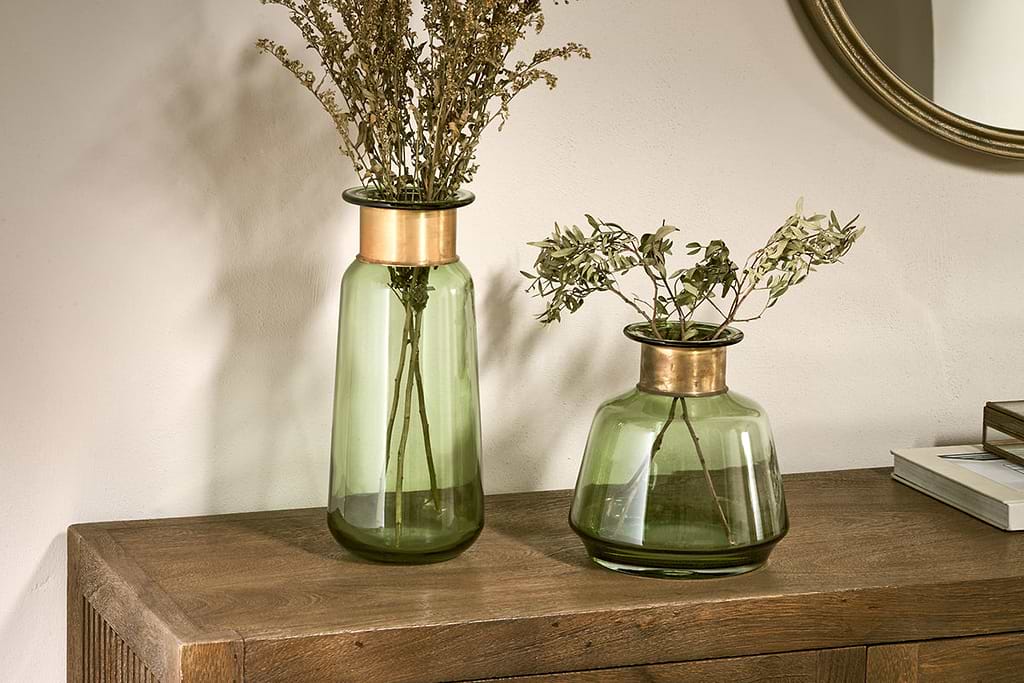
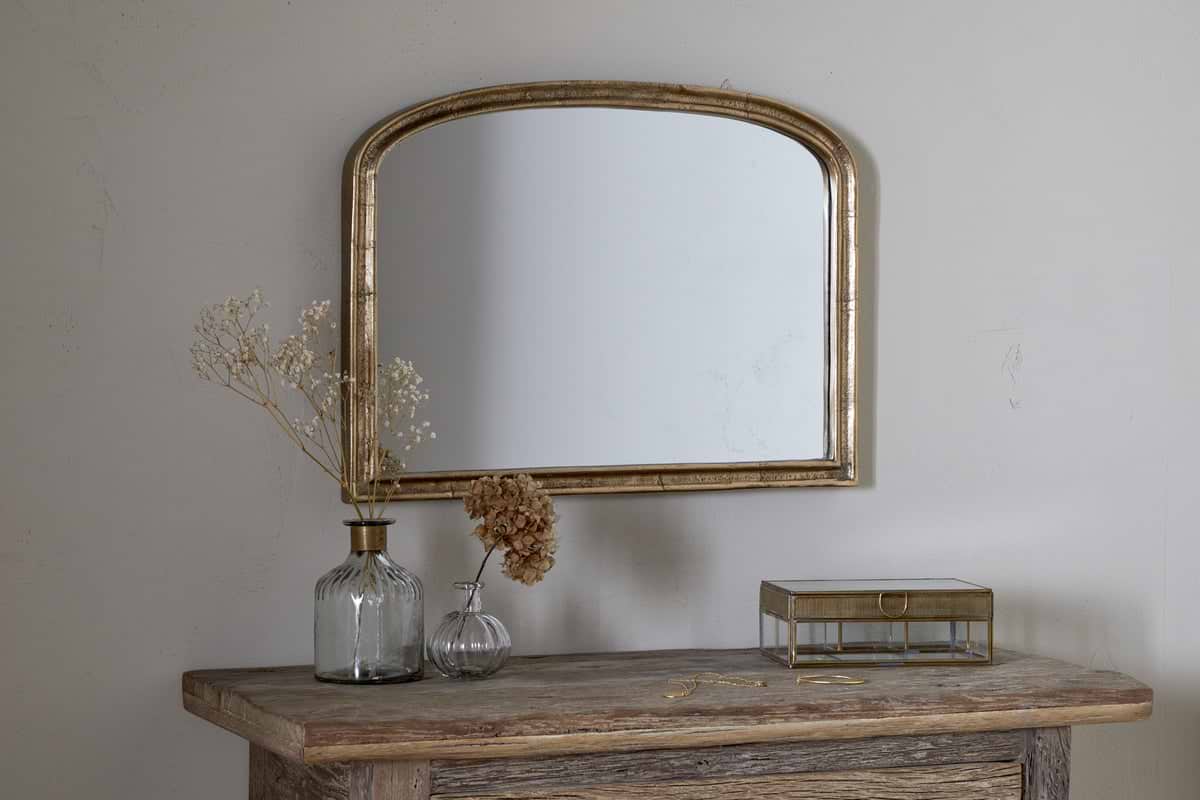
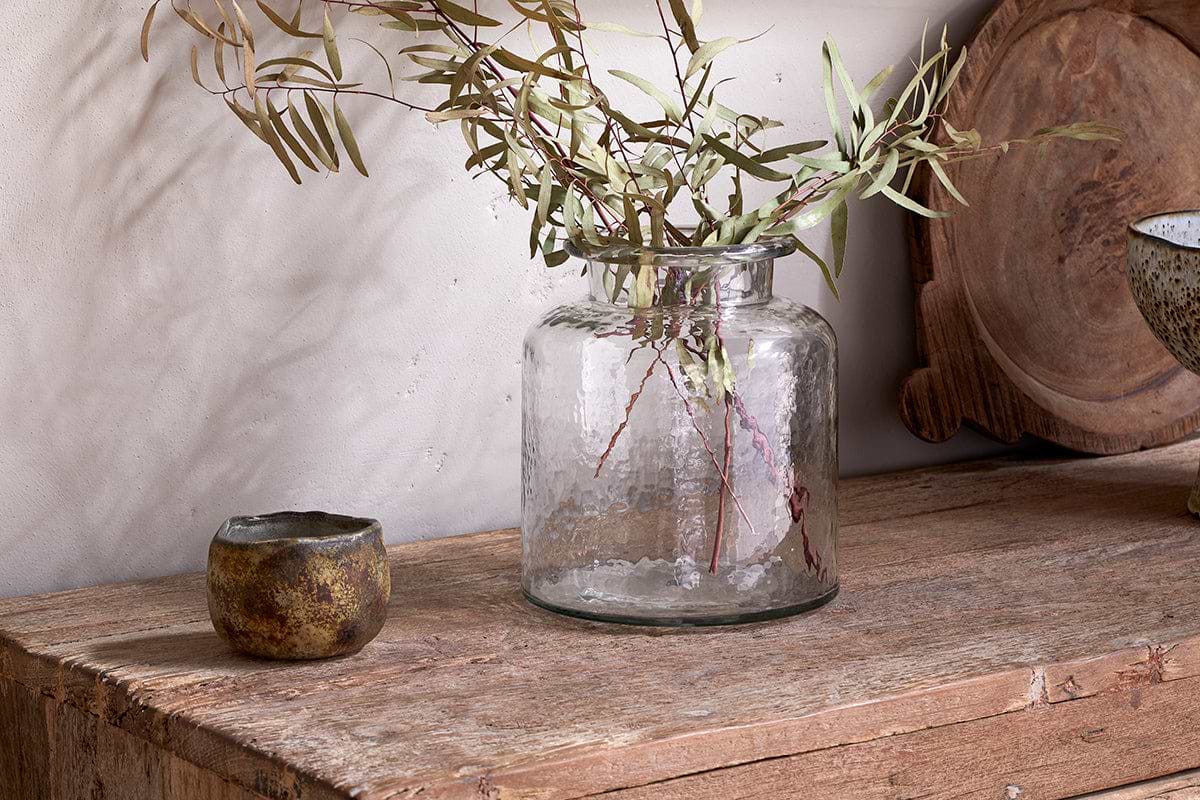
Akra Recycled Glass Vase
Clear cylindrical glass — pairs with stems or sits empty as a quiet accent.
View at Nkuku →Some links above are affiliate links. If you buy through them we may earn a small commission at no extra cost to you. We only suggest pieces we think fit a calm, lived-in home.
Free guide
The Calm Shelf
12 styling ideas to help you compose calm, balanced shelves in natural texture homes.