

Bedrooms with too many patterns, busy decor, or random furniture rarely help you feel calm. Heavy curtains, cluttered nightstands, and bright colors can make a space feel active right when you need it to slow down. Small rooms and rentals are especially prone to this — extra things seem to pile up.
It is possible to set up your bedroom so that you actually feel rested, not just surrounded by more things to clean or organize. The steps here are simple: clear out one category, bring in natural materials, and give every item a place. This works especially well in a small apartment bedroom when storage is limited because less visual noise lets you breathe.
The short version: A calm bedroom starts with removing visual clutter and choosing soft, natural materials for bedding and decor. Small changes like a lighter curtain or a neutral plant pot make your space quieter, so you actually rest better.

Where this works best
A calm bedroom approach is most effective in spaces that feel crowded or have uneven light. Small layouts or awkward shared rooms benefit most because there’s less space for clutter to hide.
Rental bedrooms and corner rooms get messy quickly when storage is tight. Keeping things simple works for these spaces: only a few soft pieces, quiet colors, and natural materials do more good here than filling every corner. If you have a narrow bedroom or one window, open space becomes even more important.
Waking up to a clear bedside table and open floor means fewer decisions as soon as you start your day. Choose one low shelf instead of a tall dresser, or just a linen pillow instead of layered throw pillows. Adding a woven basket by the door for laundry helps keep piles off chairs or floors.
Avoid heavy rugs or bright accent walls in tight bedrooms. They can make the room feel even smaller and block out natural light. Lighter curtain panels, open nightstands, and neutral wall art keep the air and light moving, which makes a difference in rooms used for both sleep and storage.
How do you choose calming materials for the bedroom?
Natural fibers like linen and cotton help your bedroom stay cool and quiet. These materials don’t hold static or reflect a lot of light, so they help the space rest.
Linen sheets and pillow covers stay breathable all year, so the bed never feels stuffy. Unlike polyester or dense velvet, natural fabrics age well and get softer with every wash. A cotton throw at the end of the bed can double as a midday cover in spring or a layer in winter.
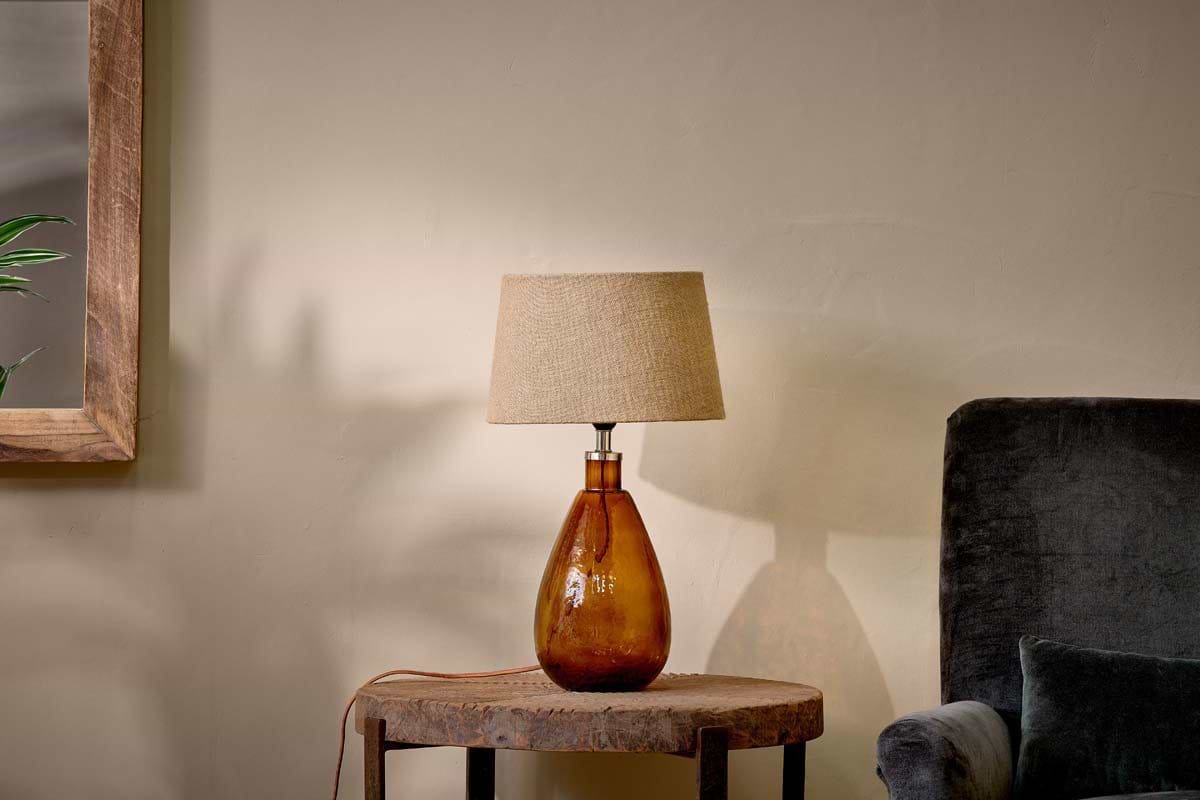
Bringing in a wood tray or clay lamp adds weight to bedside tables without feeling cold or hard. These finishes work because they don’t shine or catch attention — they blend with the room, softening hard corners and adding a sense of age that plastic or high-gloss materials never do. Linen in particular is known for helping spaces breathe, since it doesn’t trap heat and is naturally strong.
Mixing material types is key, but always keep the palette close — a rough jute basket works next to a soft cotton quilt, but metal bins or clear plastic organizers often look out of place. For a calm home aesthetic, choose what feels quiet to the touch and looks simple in daylight.
What details really matter for a slow living home?
Simple things like one clear surface, an easy-to-open basket, or a low bedside lamp make the day run slower. Detail choices matter more than having a lot of items.
In a bedroom with little space or storage, small routines anchor the whole room. Switching to a low-watt, warm bedside bulb cuts glare and helps your eyes rest at night — a cold white lamp does the opposite, even if the shade looks nice. Bedside clocks with a soft matte finish look calmer than a shiny black one, especially when paired with a wood coaster or an unglazed pottery cup.
Trading out a busy throw for a simple linen cushion cover lets other pieces breathe. Unlike patterns that jump out, a solid neutral or handwoven textile fades into the background and makes the bed quieter. The soft reset evening rituals often begin with tidying — one steady habit, like folding the blanket after use, keeps mess from building up.
It’s the details you touch at the end of the day that last. Choose a ceramic tray instead of small trinkets scattered on the dresser. A single plant in a neutral pot by the window can help filter the air and mark the start of a downtime routine, following guidance from caring for houseplants.
How to use fewer colors (and why it helps at night)
Stick to two or three soft colors so your eyes rest when lights go out. Limiting color makes small rooms look larger and helps your brain slow down for sleep.
Bright, varied colors can wake up the mind, even with the lights off. In a bedroom, bold bedding or scattered prints make it harder to unwind. Choosing two neutrals, like off-white and soft grey, solves this problem for most people. If you love a deeper hue, use it sparingly — a single clay lamp or pale green book fits better than a patterned bedspread.
Most paint stores will tint sample pots if you bring in a favorite pillow slip — this offers a way to keep walls and fabrics speaking the same quiet language. According to bedroom environment studies, a controlled palette reduces distraction, helping you fall asleep faster. A wall with less contrast goes unnoticed once the sun is down.
Compared to a rainbow of throw pillows, two well-chosen shades make bedding look thoughtful without a lot of fuss. The effect is especially strong if you avoid shiny accents or metallic prints. Tucked corners and flat sheets finish the job without noise.

Styling and placement
Group things in shallow layers and leave space on every main surface. Where you set something matters more than how many pieces you use.
Nightstands and dressers always get crowded first — mugs, chargers, half-read books. Leave at least a third of each surface clear. Anchor the bed to the widest wall if you can; put low objects like woven baskets under windows, not beside them. It helps to keep heavier shapes low, so a room feels less busy at eye level.
Mindful pause simple moments that bring you back to yourself often start by resetting surface clutter. One framed picture or cloth box next to the lamp is enough. Instead of crowding a shelf, display the most-used item and store the rest out of sight. Unlike a packed vanity, an open table lets you move around easily and see what’s truly needed every day.
Quick calm checklist:
- Choose one or two soft materials (linen, unfinished wood, cotton).
- Keep at least one third of surfaces open for breathing room.
- Stick to a close color palette: two neutrals, one soft accent.
- Use closed storage for extras — baskets, boxes, soft bins.
- Let bedside lamps or pillows form the simple focal point.
How do you keep the bedroom from looking empty?
Fill out the room with a few taller or layered textures rather than more small things. A loose blanket or curtain softens open space in a way extra decor doesn’t.
Minimal bedrooms sometimes go too far the other way: nothing on the wall, no color, and every piece shrunken down. Instead of adding more furniture, add a light wool throw at the foot of the bed or swap a hard bench for a woven ottoman. A soft, high pile rug under your toes warms up a bare floor in a way lots of little bath mats don’t.
Unlike a room full of art prints, just one wood-framed photo or a painted branch in a vase draws the eye without clutter. A set of sheer curtains helps light spread further, making plain walls feel less flat. Most bedrooms can take a trailing plant at the window without looking crowded: it adds vertical shape and catches morning light, changing as the day goes on.
Layering a long pillow or a textured cover — like the Mayla Cushion Cover — across the bed works in rooms with little else. Use vertical storage, such as wall hooks, to give coats or scarves a place so they don’t make piles on chairs or floors.
What role do soft textures play in calm bedroom ideas?
Soft, touchable textures like washed linen, chunky wool, or woven cotton bring a gentle mood to the bedroom. They also absorb light and sound, quieting the space.
When a bedroom feels hard or echoes, it’s often from too many flat, smooth surfaces. Bringing in a linen throw or thick knit pillow instantly breaks up the sharpness. Soft textures soak up both sound and extra light, making the room feel more peaceful. According to decorators, a good wool rug can last for years with only light cleaning, while also warming up cold floors.
Unlike synthetic fabrics that pile up static or look shiny, natural fibers age into softness and keep their shape. This quality matters for those who want a slow living home, letting you keep things longer and reduce waste. Tactile decor works best at the bed, near your reading spot, or wherever you spend time winding down.
Add a textured blanket across the end of your bed, use a cotton pillow with raw edges, or store bedside items in a small woven basket. These moves help soften the feel of the room without much effort or extra shopping.
What tends to hold up with calm bedroom ideas
There are patterns that come up again and again when looking at calm bedroom setups. Reviewers and decorators often agree: using matte, natural finishes makes a real difference, especially on surfaces near windows or under lamps. Soft fabric — like linen, washed cotton, or a good wool throw — doesn’t glare or stick to skin, even after months of use.
It’s also true that too many accent pieces, no matter how minimal, break the flow of a restful room. Most people who get the best results use only what they need at night and in the morning. In short, the simplest setups are the ones that last.
— Mara, Loom & Glow
Common questions
What’s the first step to creating a calm bedroom?
A calm bedroom starts with removing visual clutter and choosing soft, natural materials for bedding and decor.
What natural materials help a bedroom feel calm?
Natural fibers like linen and cotton help your bedroom stay cool and quiet.
How many colours should a calm bedroom use?
Stick to two or three soft colours so your eyes rest when lights go out.
What role do soft textures play in calm bedroom design?
Unlike patterns that jump out, a solid neutral or handwoven textile fades into the background and makes the bed quieter.
Explore more calm combinations inside our Shop The Look .
Shop the Look
Three pieces that soften a bedroom and actually help you rest.

Puli Linen Cushion
Recycled linen in natural — pairs with woven textures and aged wood.
View at Nkuku →
Some links above are affiliate links. If you buy through them we may earn a small commission at no extra cost to you. We only suggest pieces we think fit a calm, lived-in home.
Free guide
The Calm Shelf
12 styling ideas to help you compose calm, balanced shelves in natural texture homes.