

Cluttered countertops, mixed textures in a small apartment, and uneven natural materials can make a home feel busy. Many rooms struggle with mixing jute, linen, rattan, and wood without turning into visual chaos.
Today you will learn how to set a clear hierarchy with natural material home decor. This works especially well in/for a living room when natural light is low because it softens harsh lines.
The short version: Hygge home decor means choosing one or two textures to anchor your space so every material feels intentional. It offers a calm shift by layering natural elements in a measured, thoughtful way.
- How can I mix jute and linen without visual noise?
- How do you keep a space calm with natural textures?
- Where this works best
- How to avoid a cluttered look in earthy home decor?
- What role does warm wood play in neutral home decor ideas?
- Styling and placement
- How does slow living decor balance different materials?

How can I mix jute and linen without visual noise?
Mixing jute and linen works best when one texture is allowed to dominate. A simple jute rug paired with a soft linen curtain creates a natural balance.
A cozy kitchen corner often features a jute mat beneath a table set with linen napkins. A worn jute basket resting by the window complements the airy feel of the curtains. A clear hierarchy of textures helps reduce visual clutter.
An orderly shelf in the dining area displays a well-chosen set of fabrics and small natural ornaments. A jute basket softens the hardness of metal frames because its rough weave draws the eye gently away from stark lines. A bare shelf reads colder than one with a single woven basket.
The subtle interplay between a jute table runner and crisp linen placemats creates a calm visual effect. Most quality linen curtains have a naturally smooth drape that contrasts pleasantly with the coarser texture of jute floor mats. This balance can transform everyday spaces.
How do you keep a space calm with natural textures?
Calmness in space comes from limiting the number of distinct textures. Focusing on a single natural fabric in key areas guides a room towards peaceful coherence.
An open-plan living room with a mix of cushioned chairs and wooden coffee tables can often feel over-stimulated. One way to manage this is by choosing a singular texture for soft furnishings. Keeping the palette uniform avoids unnecessary distractions.
In a compact seating area, adding a single woven throw over a neutral sofa can relax the overall look. Using a single type of natural fabric brings warmth because it creates a sense of unity. A brightly colored throw can disturb the subtle balance if introduced without thought.
Layering a few pillows with consistent texture and tone can refine the chaos of overlapping colors. A calm room benefits from a disciplined approach, which is often recommended in small-space decorating. This approach makes it easier for the eye to relax and rest.
Where this works best
Natural decor techniques shine in spaces with limited storage and diffuse light. They bring focus to key textures to create a balanced feel.
Small studio apartments and rented spaces with minimal storage often require clear focal points. A living room with scattered seating benefits from a unified approach to materials. The clear use of one or two elements can anchor the room effectively.
In daily use, selecting one standout natural piece, such as a wooden console or a woven basket, can serve as a room’s anchor. A single wooden accent unifies the room because it gives a grounding focal point. A cluttered table reads busier than one with a single ceramic pot.
Many spaces, including home offices and entryways, thrive by choosing a prominent texture to define the area. The simplicity of a single natural element makes the environment feel less overwhelming. Using natural textures with restraint sets a clear visual hierarchy.
How to avoid a cluttered look in earthy home decor?
Avoid clutter by limiting the layers of texture and choosing one dominant material. This approach prevents the room from feeling busy and achieves a balanced look.
Consider a dining area where a mix of heavy patterns, rough materials, and bright colors can create a chaotic feel. Stray elements sometimes converge to make the room feel busy. In these cases, reducing overlapping textures refines the space.
The dining table might feature a simple jute runner paired with a single woven centerpiece. By reducing overlapping textures, the room feels lighter because fewer elements distract the eye. A room with multiple layered patterns appears busier than one with one highlighted texture.
On a practical level, a jute basket often runs about $20–$40 and complements earthy tones well. The natural hues are reinforced when the color balance is strictly managed; as how color works plays a subtle but vital role. A busy arrangement without focus quickly feels chaotic.
When you step back, you notice that something in the room feels off. The clutter from too many overlapping textures leaves the space feeling heavy and unfinished. This is often because many homeowners let every attractive piece find a spot, causing visual noise.
With a clear layering strategy, the room immediately feels more unified. The harmony increases when the right balance is struck and every item has its place. Save this idea for later.
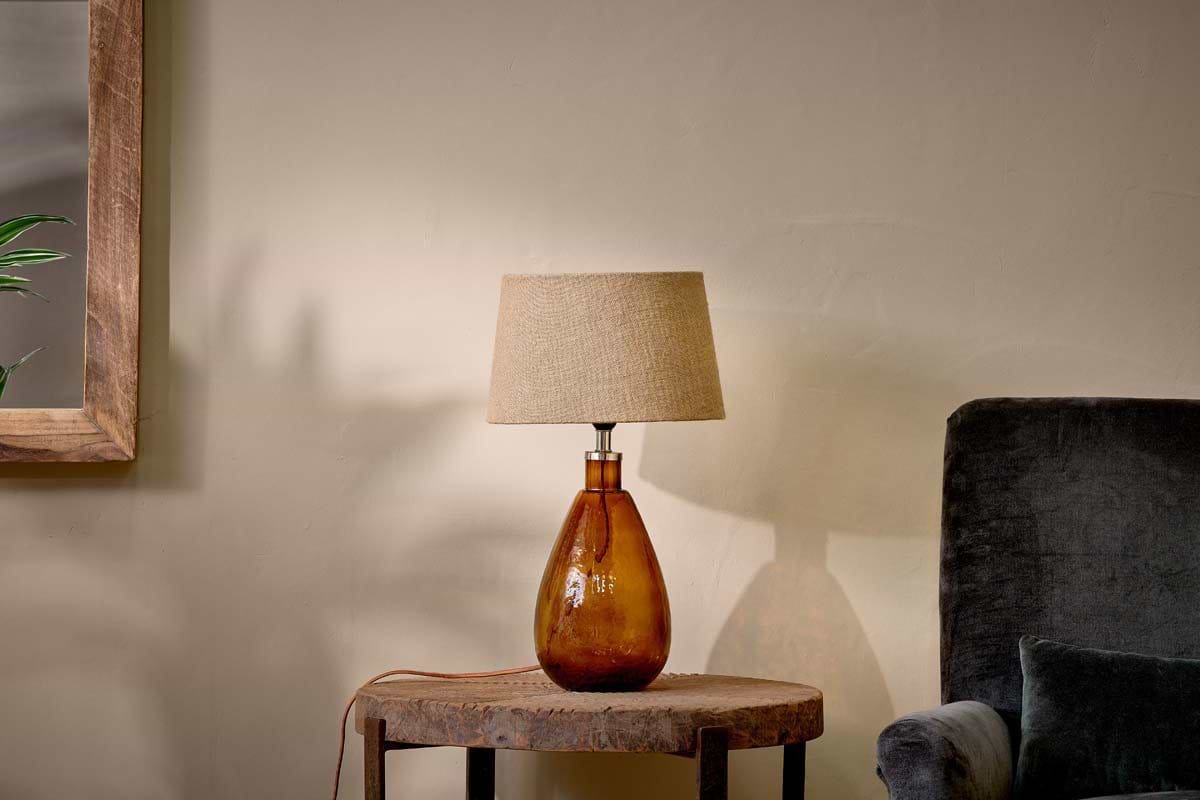
Baba Recycled Glass Lamp – Burnt Amber
adds quiet structure and warmth while keeping the room balanced.

What role does warm wood play in neutral home decor ideas?
Warm wood lends a soft touch to neutral spaces by introducing natural depth. Its grain and tone provide an inviting counterpoint to cool, flat surfaces.
A study room with a light-colored palette might feel sterile until a warm wooden bookshelf is included. The natural grain of warm wood softens the stark outline of modern furniture. The presence of wood can ground other materials and create a more cohesive feel.
In many cases, a side table or a coffee table in warm wood offers an inviting texture contrast. Warm wood adds softness because its natural grains ease the stark outline of painted walls. A painted piece reads colder than one with warm wood accents.
This approach benefits rooms that incorporate organic home decor with a measured tone. The balance between cool neutrals and warm wooden elements can create a pleasing, tactile experience. The gentle interplay between materials invites long, thoughtful looks.
Styling and placement
Styling and placement rely on clear, intentional spots for each piece. A few well-placed items bring order to a room without overwhelming it.
An entryway with various natural elements can appear disorganized without proper emphasis. Choosing a specific spot for items like woven baskets or small wooden accents brings clarity. The overall intent is to create zones that feel individually thoughtful.
A table near the door displays a neatly arranged ceramic vase next to a small jute basket. Simple placement of woven baskets balances heavy textures because clear organization guides the gaze. A scattered table reads less cohesive than one with a defined vignette.
Quick calm checklist:
- Use a limited color palette with natural hues.
- Place single standout elements at clear focal points.
- Maintain open spaces around each texture for balance.
- Combine materials like wood and linen in measured doses.
Every detail from texture arrangement to open spacing plays a key role. Clear styling with limited layers ensures the space feels curated rather than cluttered. The idea is to let each piece speak on its own.
How does slow living decor balance different materials?
Slow living decor creates balance by repeating subtle textures throughout a space. A measured approach allows each material to coexist without clashing.
A narrow hallway with mismatched accessories can quickly feel unsettled until a slow living decor approach is used. Repeated elements like a consistent textile or a matching shade across different materials help tie the room together. The focus remains on quality over quantity.
A corridor might feature a single woven basket placed on a small console next to a pair of similarly toned cushions. Repeating a textile throughout a room tempers the variety because it creates visual continuity. A busy entryway reads noisier than one with a repeated pattern.
Subtle cues, such as using the same method of finishing across a wall shelf and a table, underscore the balance. Incorporating principles akin to feng shui helps maintain flow and calm in the space. This measured approach makes the decor feel timeless.
What tends to hold up with working with natural textures
The challenge of mixing natural textures often comes from over-layering without a clear hierarchy. Many homeowners find that too many competing textures result in a confused space rather than a balanced one. Reviewers consistently note that a focal point or a repeated element is key to keeping the design cohesive.
Design experts report that when a single material is accentuated, the overall look improves. Matte finishes on wooden surfaces or a single woven basket can define the visual flow. This simple decision brings clarity and calm to everyday spaces.
— Mara, Loom & Glow
Common questions
How do I mix jute and linen without creating visual clutter?
Mixing jute and linen works best when one texture is allowed to dominate. A simple jute rug paired with a soft linen curtain creates a natural balance.
What’s the key to keeping a space calm with natural textures?
Calmness in space comes from limiting the number of distinct textures. Focusing on a single natural fabric in key areas guides a room towards peaceful coherence.
Where does hygge work best in the home?
Natural decor techniques shine in spaces with limited storage and diffuse light. They bring focus to key textures to create a balanced feel.
Explore more calm combinations inside our Shop The Look .
Shop the Look
Warm pieces that bring the soft, textured comfort hygge calls for.
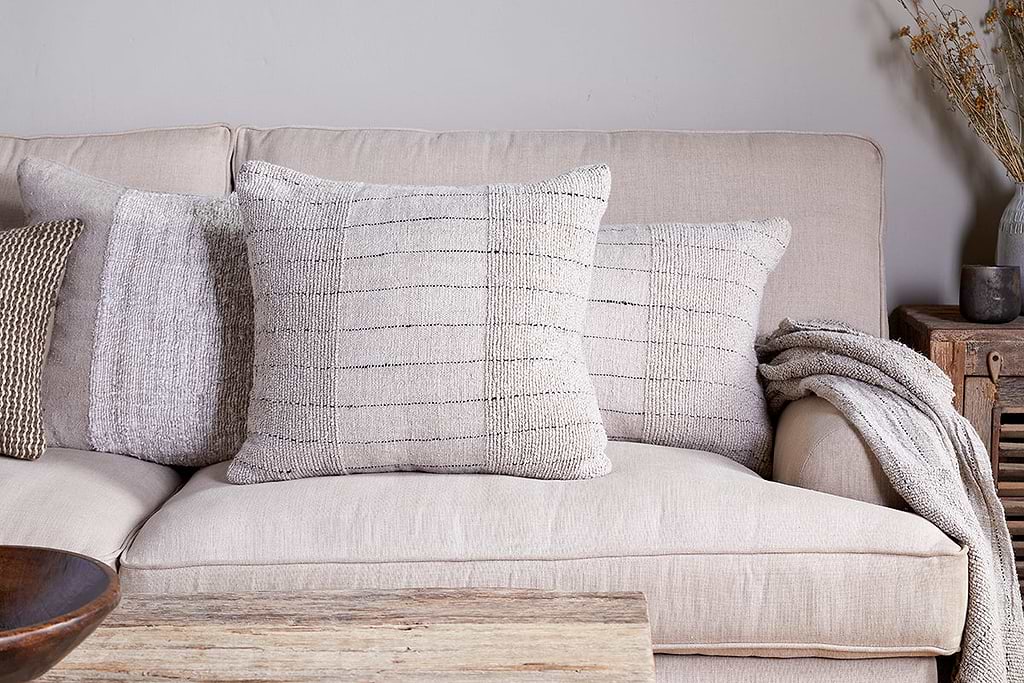
Mayla Cushion Cover
Soft hand-textured cover — instant warmth on linen sofas or chairs.
View at Nkuku →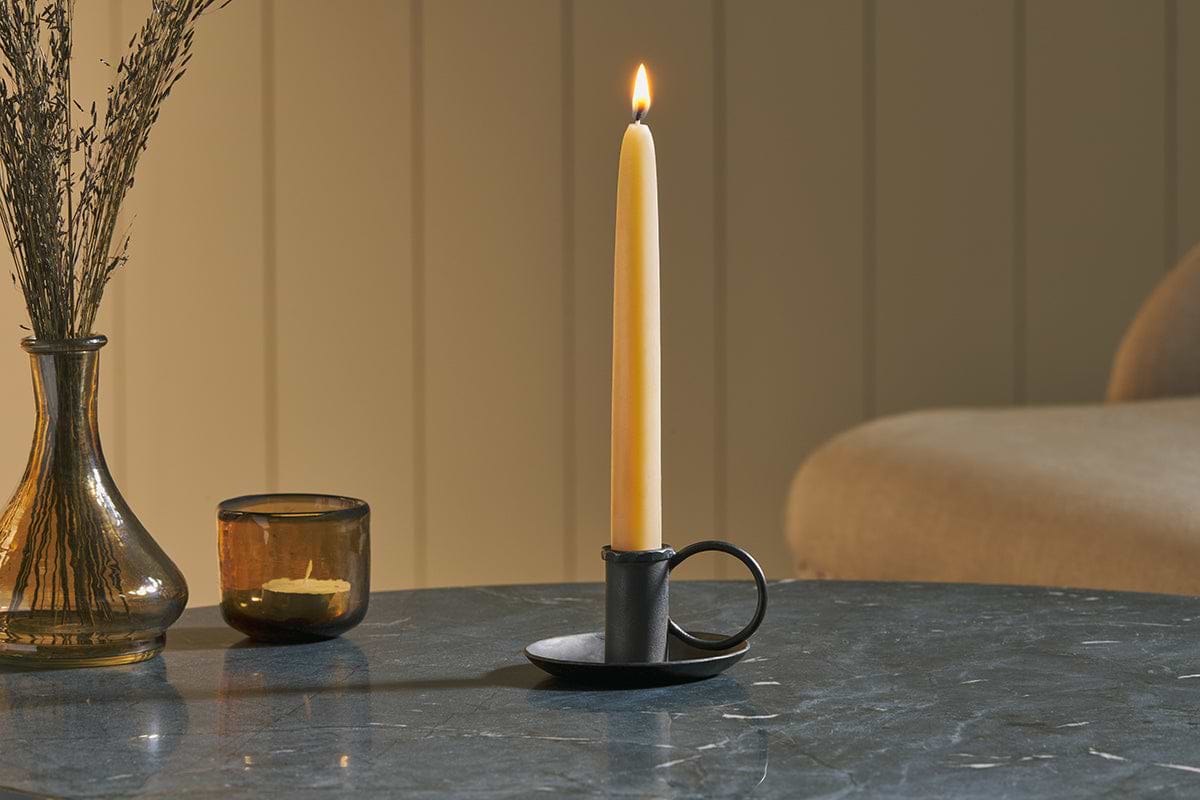
Amri Iron Candlestick
Slender iron with quiet presence — works alone or in clusters of three.
View at Nkuku →Some links above are affiliate links. If you buy through them we may earn a small commission at no extra cost to you. We only suggest pieces we think fit a calm, lived-in home.
Free guide
The Calm Leaf
12 quiet ways to bring dried botanicals, stems, and natural textures into calm spaces.