

Many living rooms suffer from a mix of textures that clash rather than complement each other. Cluttered arrangements and mismatched materials create visual noise that makes it hard to relax.
Today’s guide shows you how to choose and place natural materials so that each element works together. This works especially well in a living room when there is limited storage because layering natural materials keeps the room from feeling chaotic.
The short version: This article outlines how to combine materials like jute, linen, rattan and wood in a clear hierarchy that diminishes clutter and creates a calm space through practical design decisions.

Where this works best
This approach fits small living spaces with limited natural light. It balances contrasting textures to create a warm environment.
A narrow living room with a single seating area can feel cramped when modern and natural materials mix without planning. Natural material home decor choices, like a jute rug paired with a linen sofa cover, introduce warmth without overwhelming the space.
The room feels more considered when one element anchors the design. A shelf holding only a few woven home decor items reads softer than one overloaded with bright accents because a clear focal point reduces clutter.
When a chair or coffee table is chosen to highlight a specific texture, the room gains a sense of balance. In practice, this means selecting a dominant material so that every other accessory supports that choice.
Choosing a Focal Texture
Select one material to serve as the room’s main textural anchor. A dominant fabric or finish can guide the overall decor scheme.
Many living rooms have too many competing materials. When a primary texture like smooth linen or a warm wood tone is identified, other elements can naturally follow its cue. For example, choosing organic home decor pieces that echo that texture brings unity.
A cozy setting might start with a soft fabric sofa and a clay bowl on a side table. A bare shelf reads colder than one with a single woven basket, often making the textural choice the gentle leader in the design. This works because a primary texture creates a clear design vision that guides each supporting element.
The process involves quiet observation of what feels most natural in the space. In everyday use, a well-chosen fabric can help a room settle into a soothing rhythm.
Balancing Jute and Linen Layers
Layer jute and linen in a way that each material stands out yet supports calm visuals. Both add tactile interest while keeping the atmosphere light.
A living room with worn jute rugs and crisp linen curtains presents a serene contrast. The jute’s coarse look meets the softness of linen in a subtle dialogue, ensuring that neither overpowers the other. When paired thoughtfully, these materials ensure the room feels balanced rather than busy.
For example, a jute basket on a side table balances a linen throw draped over a chair, providing a natural counterpoint. One texture softens the firmness of the other, fostering both visual and tactile interest. This works because complementary textures create an implicit order that calms the space.
The layers should be placed to encourage a natural flow from one area to the next. In daily life, a balanced layering can transform a static room into a space worth lingering in.
Living room ideas for organic home decor
Living room ideas include choosing organic home decor pieces that ground the space in natural materials. A neutral palette and simple textures define the approach.
A well-used living room can benefit from touches of natural textures that recall outdoor materials. Neutral home decor ideas, such as soft wood finishes paired with rattan accents, add depth without creating a cluttered feel. The approach ensures that every piece contributes to a calm, grounded environment.
One coffee table with gently worn wood and a few organic accent pieces, like a clay lamp, gives the space a coherent story. A bare shelf appears less inviting than one styled with a single well-placed woven decor item because a thoughtful selection directs attention subtly. This works by aligning textures and colors to create a unified look.
At times, small living rooms require delicate choices where each piece speaks softly. Within a shared area, a carefully chosen color and texture can pull everything together in a seamless manner. In one instance, a favored feature was the subtle tone of a well-loved Otas Teddy Cotton Armchair – Off White, which tied the room together without shouting for attention.
In that quiet moment of reflection, the homeowner often notices that despite many beautiful objects present, something feels off when placements compete for attention. The decision moment arrives when you realize that every element should share a calm narrative. A misplaced accent can steal focus from a natural wood finish, leaving the space feeling crowded.
Too many competing textures make the area feel busy and heavy. When you simplify the arrangement and choose one dominant texture, the space becomes more rhythmic and intentional. A careful arrangement of textures makes the room feel spacious and balanced.
Save this idea for later.
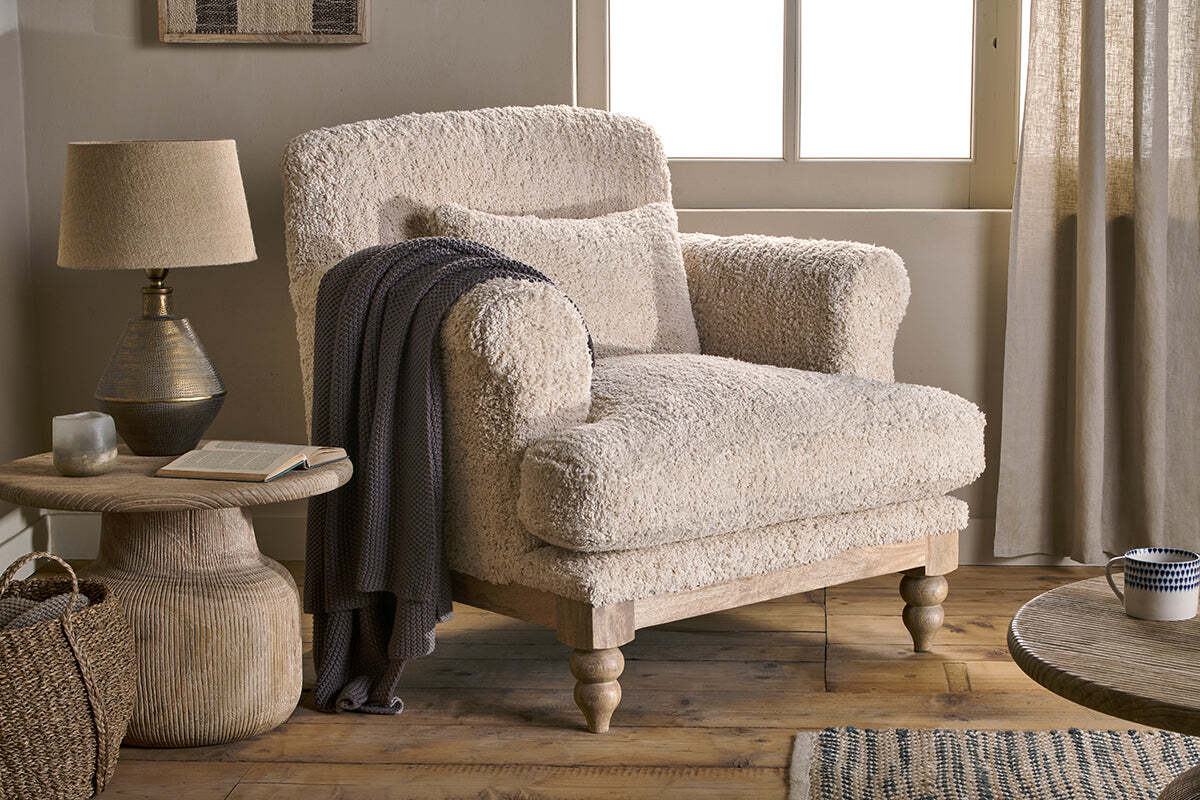
Otas Teddy Cotton Armchair – Off White
adds quiet structure and warmth while keeping the room balanced.

How to use natural elements effectively
Using natural elements effectively means grouping textures in a way that each supports a calm tone. Arrangements should feel unforced and purposeful.
A tidy living room with proper storage for natural materials feels less chaotic. When elements like rattan baskets and linen throws are grouped, they create clear zones that help the eye settle. In a small apartment, such grouping makes a high-traffic room feel orderly without sacrificing comfort.
A white wall paired with a single wooden shelf contrasts with a cluttered arrangement that overwhelms a space. A combination of textures reminds one of the quiet outdoors, where a rough tree bark sits gently beside soft moss. This works because a clear arrangement of materials keeps distractions at bay and provides a calm focal point.
Carefully selecting a single surface or side area to hold these elements can turn a busy space into a clear story. In a rental-friendly setting, for instance, adding a few natural accents can create a subtle transformation with minimal effort.
Styling and placement
Styling and placement requires arranging accessories so they open up the room. Place items strategically to produce a balanced, calm outcome.
A well-arranged living room shows careful consideration in the placement of every item. Consider a low light room where a small wooden coffee table carries a curated yet simple jute tray. When objects are grouped methodically, they enhance the room’s character rather than crowd it.
The key is to avoid overcrowding surfaces with too many items. For instance, a lone woven basket on a shelf stands out compared to a cluttered, over-decorated counter. This works because targeted placement directs the eye and allows each piece its moment.
Here is a practical checklist to follow:
Quick calm checklist:
- Limit sharp contrasts by using a muted palette.
- Ensure each piece has breathing room with sufficient spacing.
- Merge one dominant natural texture with one secondary soft detail.
Creating a cohesive tone
Creating a cohesive tone involves subtly repeating key textures and colors throughout the room. This creates a seamless flow from one area to the next.
In many spaces, the repetition of material finishes establishes unity. A living room decorated with organic home decor, such as gentle wood tones and soft textiles, tends to let each accessory echo another. Even a single linen cushion paired with a woven throw lifts the consistency of the room.
The difference is noticeable when similar textures appear across different surfaces. A specific material, repeated in cushions, curtains, or a small table, triggers a sense of order. A bare shelf contrasts starkly with one decorated gently with similar elements because unification removes disarray.
Using elements sparingly but with intention brings a clear design decision into play. The repetition reduces visual noise and instills calm, making daily routines more pleasant.
What I’ve come to know about working with natural textures
I have learned that choosing natural textures for a living room requires careful thought and patience. Over time, I realized that a well-placed fabric or a single piece of wood can completely change a room’s feel without overwhelming it. Each texture should speak quietly and support the overall calm feel of the space.
The process is not about filling every gap but selecting pieces that resonate with the space. The choices I make reflect both a care for detail and an embrace of everyday functionality. I keep returning to simplicity and the importance of subtle, well-considered touches.
— Mara
Common questions
How do natural materials like jute and linen help create a calm living room?
Natural material home decor choices, like a jute rug paired with a linen sofa cover, introduce warmth without overwhelming the space.
Why is choosing one dominant texture important for living room design?
A dominant fabric or finish can guide the overall decor scheme.
How should jute and linen be balanced in a living room?
A living room with worn jute rugs and crisp linen curtains presents a serene contrast.
Explore more calm combinations inside our Shop The Look .
Shop the Look
A glass-topped coffee table, warm amber lamp and textured cushion cover anchor a living room that breathes.
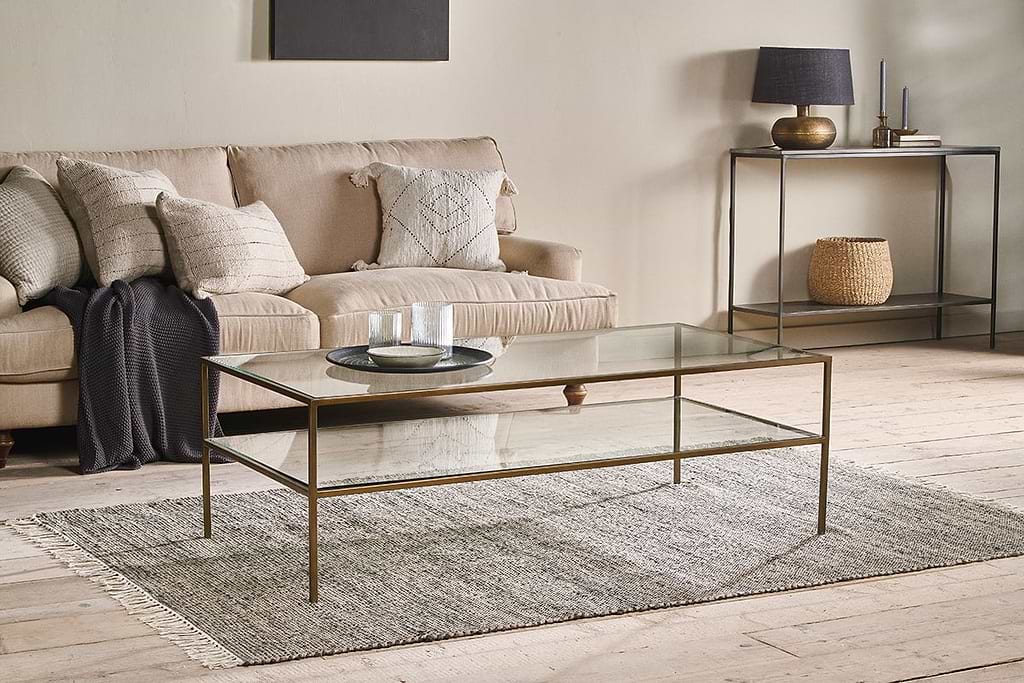
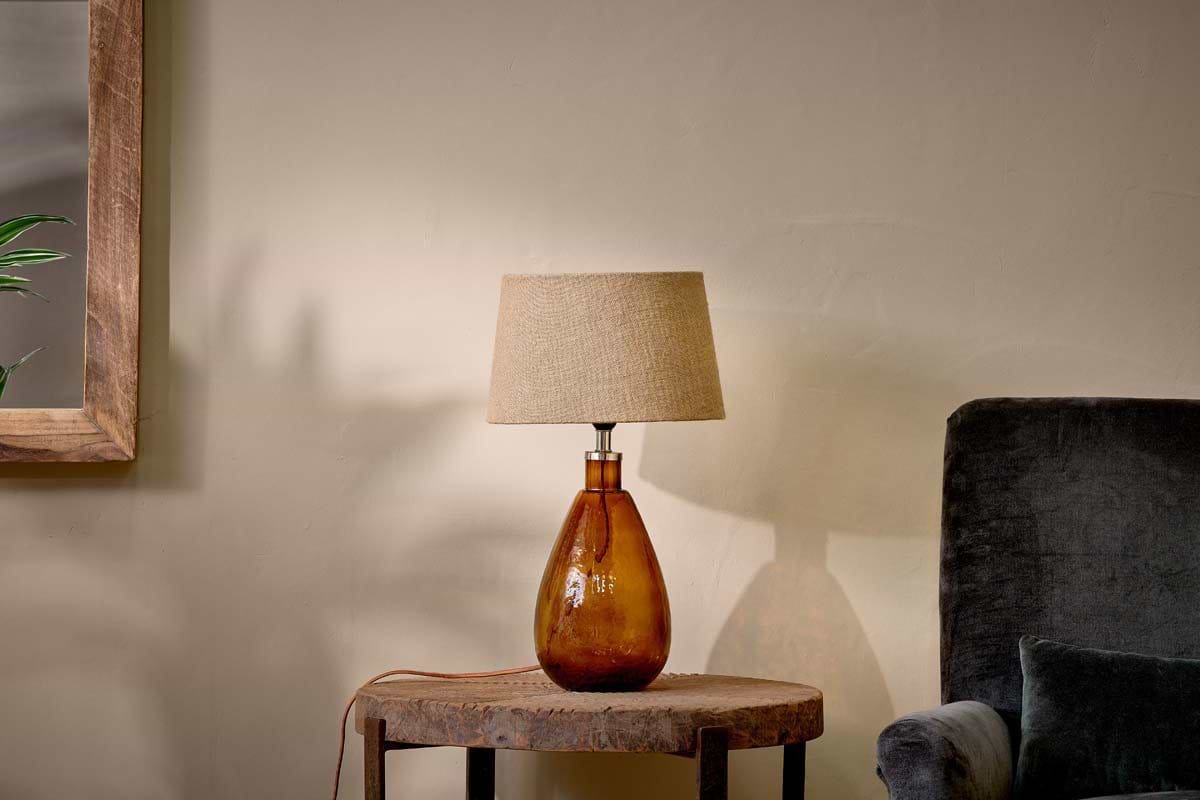
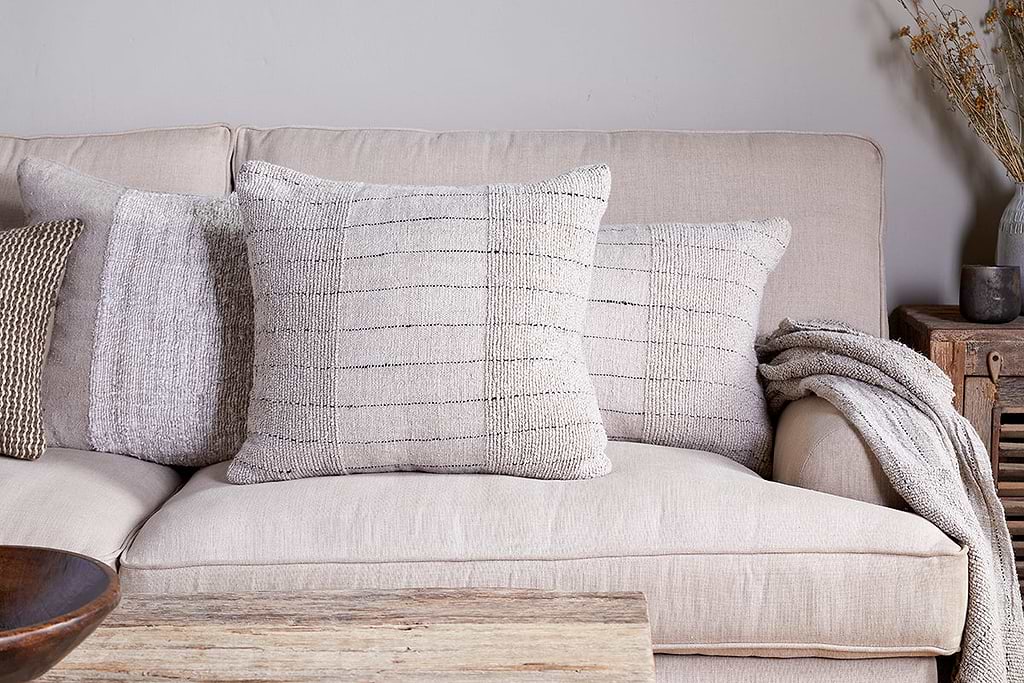
Mayla Cushion Cover
Soft hand-textured cover — instant warmth on linen sofas or chairs.
View at Nkuku →Some links above are affiliate links. If you buy through them we may earn a small commission at no extra cost to you. We only suggest pieces we think fit a calm, lived-in home.
Free guide
The Calm Leaf
12 quiet ways to bring dried botanicals, stems, and natural textures into calm spaces.