

Clutter and poor layout can make a small apartment feel cramped and overwhelming. Many rooms suffer from limited storage and awkward arrangements that drain the calm away.
Today you will learn simple ways to rearrange items and focus on one clear design decision to open up your space. This works especially well in a living room when natural light is scarce because it helps open up the space.
The short version: This guide shows practical steps to simplify and brighten small apartment decor, replacing chaos with clear, everyday choices that feel natural and soothing.

Where this works best
A focus on selective decor in rooms like living areas and kitchens can make spaces feel relaxed. The key is to remove excess items and highlight one or two soft accents.
Small living rooms and kitchens with limited storage need thoughtful arrangements. A simple coffee table paired with a few well-chosen objects can transform the feel of a space. In one narrow corridor the deliberate removal of clutter leads to a lighter, more open feel.
Every day, a clear visual line in your room can guide the eye and provide order. A shelf organized with only a few items reads warmer than one with scattered trinkets, because keeping objects minimal prevents the room from feeling busy. A bare shelf reads colder than one with a single woven basket.
Avoid mixing too many styles that compete for attention, as combining bright colors with heavy art can confuse the visual balance.
Styling and placement
A well-placed decor item can reshape a room slowly and steadily. The focus is on careful selection and placement of a few pieces that anchor the space.
In a cosy dining area, the placement of a simple vase or a small bowl makes a noticeable difference in overall balance. A tidy side table with a single lamp can give a room a relaxed vibe when carefully arranged. The use of a light fabric curtain can soften harsh window frames.
Each item should have its natural spot in the room. A heavy end table next to a wooden chair creates an unbalanced look when compared to a light stool paired with a delicate lamp. A cause and effect here is simple: if a bulky item dominates one corner, the entire room may feel unsettled.
Quick calm checklist:
- Use natural materials like cotton, wood, or linen.
- Keep placement simple and avoid overcrowding surfaces.
- Choose a limited, neutral color palette to maintain a soft focus.
How to choose a focal piece for your space
Choosing one statement decorative piece can guide your design for a room. Look for a piece with a soft, natural material or color that fits calmly in a small arrangement.
When a room appears overly busy, picking one item to draw the eye can be a practical solution. A unique art print or a handcrafted bowl can serve as the room’s anchor and bring together various small room decor elements. This approach works because concentrating the visual weight on one focus reduces clutter.
Many find that selecting a focal point clears the distraction of too many competing objects. In a bedroom with scattered knick-knacks, one well-placed mirror enhances the sense of space. A bare shelf reads colder than one with a single woven basket, offering a gentle reminder that moderation in decor softens the edges.
For instance, you might choose an item like a comforting lamp that naturally draws attention. In one dining area, I noticed that soft lighting layers combine lamps to highlight a chosen coffee table, creating a subtle focal point that ties the space together.
Maximizing natural light in small apartment decor
Emphasizing natural light improves a room by making it seem larger and more welcoming. Light fabrics and open window treatments gently flood the space, lifting the overall mood.
In rooms with few windows, thoughtful mirror placements and light window coverings can help the sun’s rays bounce around, brightening dark corners. A boosted look is achieved when a clean curtain lets in diffused daylight without overwhelming the room’s calm. Using the main concept of small apartment decor, a focus on light brings softness to hard surfaces.
The cause is simple: light opens up space when it is allowed to fill in around natural textures, so rooms gain a refreshed feel. Even in a small kitchen with limited light, a simple white curtain can change the tone of the place. A bare shelf reads colder than one with a single woven basket, reminding us that a little softness can contrast harsh lines.
Placing light-colored reflective surfaces such as a glass table in the window area further enhances brightness. This approach works clearly because natural illumination enhances the gentle, airy feel. In practice, a light fabric panel can soften a room that initially felt shadowed.

The moment arrives when you notice that, despite your best intentions, your space feels heavy and closed off. In that moment, you realize that too many dark tones or cluttered configurations are weighing on your mood.
Often, homeowners make the mistake of overcrowding narrow spaces with too many similar textures, which causes the room to feel busy and less welcoming. Overuse of dense fabrics and dark colours makes the area appear smaller and more confined. Addressing this improves the overall brightness and flow.
The change is immediate when you pare down and allow each piece to breathe. Save this idea for later.
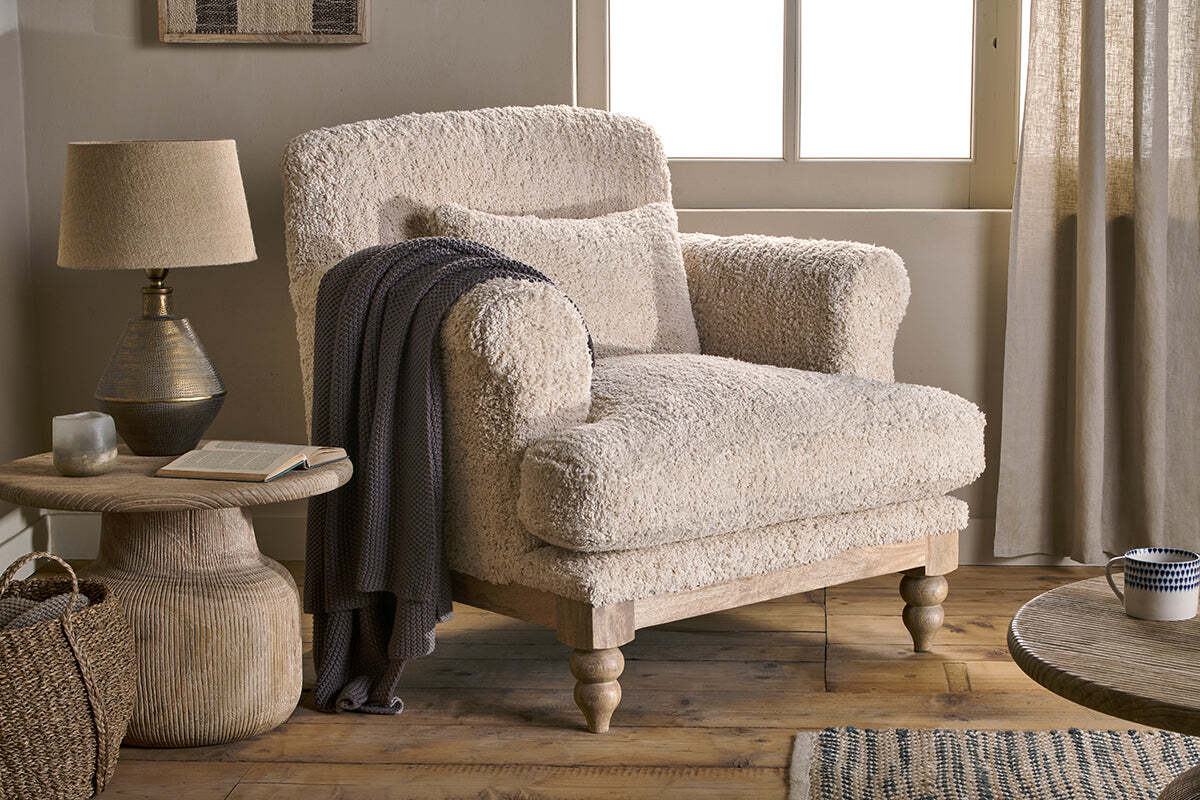
Otas Teddy Cotton Armchair – Off White
grounds the room without consuming visual space.
Integrating textures with small room decor
Layering various textures adds depth and warmth to any room. Combining materials like cotton, wool, and wood creates a naturally inviting feel in a small area.
A small apartment benefits from mixing tactile surfaces such as a linen cushion with a wooden side table. Using a soft cotton armchair or even an idea like the Otas Teddy Cotton Armchair – Off White can anchor the textural play. This method works because the contrast of materials guides the eye, giving each surface its due attention.
Every room tells a story through its textures. A fabric that appears delicate paired with a rugged wooden frame sets a soft, inviting tone. A bare shelf reads colder than one with a single woven basket, which reminds us that even the simplest fabric can warm up uninviting surfaces.
In a reading nook or a compact study, layered textures break up monotonous surfaces. The effect is clear: varied materials create a well-rounded, natural appearance that calms the senses.
Creating balance with calm small room design
Striking the right balance between visual weight and empty space can enhance a small room design. A careful mix of soft furnishings and open spaces creates a relaxed vibe.
In a modest living area, arranging furniture in a symmetrical layout can prevent one corner from feeling overloaded. Balancing a heavier sofa with a lighter armchair helps maintain an even look in a calm small room. A cause-and-effect principle applies here: when a heavy item is balanced by a lighter one, the room feels evenly distributed.
Placing a light accent near a statement piece can draw the eye and harmonize the room. For example, a small shelf with a few tokens can play an important role when paired with larger furniture. Unlike a cluttered arrangement, a clear grouping of items reads more inviting and down-to-earth.
Sometimes, including a carefully selected framed print or a small plant can complete this balanced look. In one case, I noticed that Minimal entryway surfaces styling pointed the way to achieving a spacious look in a low light area. The effect is simple: matched weight leads to a room that feels serene and measured.
Making space work with renter decor ideas
Designing for a small space as a renter means making changes without major renovations. Subtle additions and removals can lead to a more open and connected feel.
In tight apartments, focusing on movable items offers plenty of flexibility. Using elements of small room decor like a subtle rug or a carefully arranged shelf displays small space ideas that enhance the overall look. A natural approach works because reducing fixed features allows you to experiment without permanent changes.
Many renters notice that wall hangings and detachable accessories provide a fresh look without heavy commitment. When a bright painting sits next to a plain wall, the room gains a spark; a bare shelf reads colder than one with a single woven basket. The cause and effect here show that updating small details can have a major impact in visual balance.
In practical terms, shifting a few items such as a lightweight plant or an art print allows the decor to evolve with your mood. Combining apartment decor ideas with renter decor ideas creates a cohesive atmosphere that feels calm yet expressive.
What I’ve come to know about styling a small space
I have learned that working in a small area means focusing on the essentials, choosing items that have both function and a gentle beauty. Over time, I have experimented with removing excess and letting each piece have its own space. My own home feels more peaceful when I allow natural textures and a light colour scheme to lead the room.
The process is gradual and honest. I have found that a few well-placed decor items speak louder than many cluttered ones. I now see my space as an evolving canvas, one that benefits from slow choices and careful thinking.
— Mara
Common questions
How can I make my small apartment living room feel less cramped?
A focus on selective decor in rooms like living areas and kitchens can make spaces feel relaxed. The key is to remove excess items and highlight one or two soft accents.
What’s the best way to arrange items on a shelf in a small apartment?
A shelf organized with only a few items reads warmer than one with scattered trinkets, because keeping objects minimal prevents the room from feeling busy.
Why does adding natural light matter in small apartment decor?
Emphasizing natural light improves a room by making it seem larger and more welcoming. Light fabrics and open window treatments gently flood the space, lifting the overall mood.
Explore more calm combinations inside our Shop The Look .
Shop the Look
Pieces that blend function and calm in every corner of a small home.
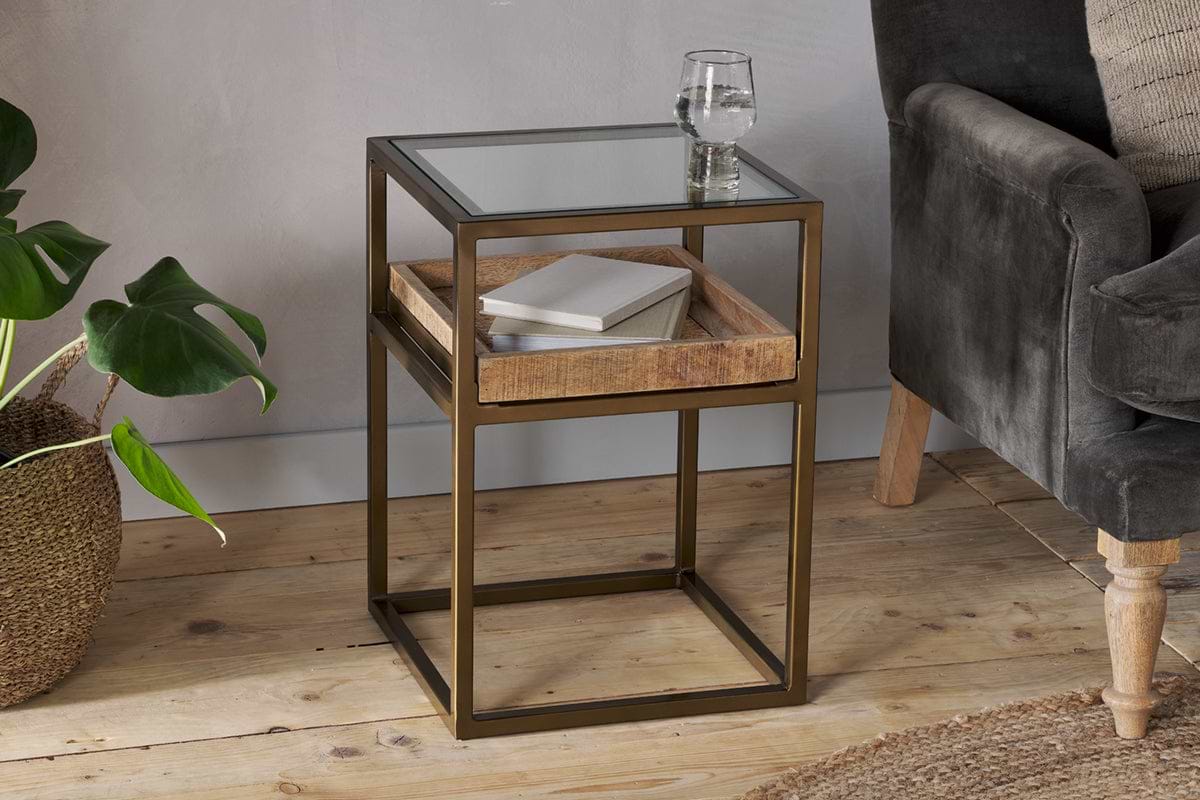
Luzon Side Table
Iron and mango wood with display shelf — small footprint, double function.
View at Nkuku →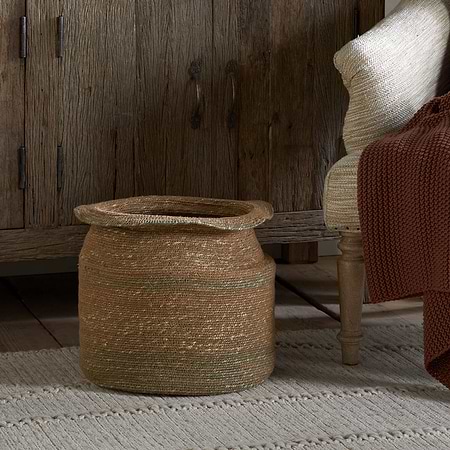

Nkomi Basket
Woven storage with a calm silhouette — works open or tucked under a console.
View at Nkuku →Some links above are affiliate links. If you buy through them we may earn a small commission at no extra cost to you. We only suggest pieces we think fit a calm, lived-in home.
Free guide
The Calm Shelf
12 styling ideas to help you compose calm, balanced shelves in natural texture homes.