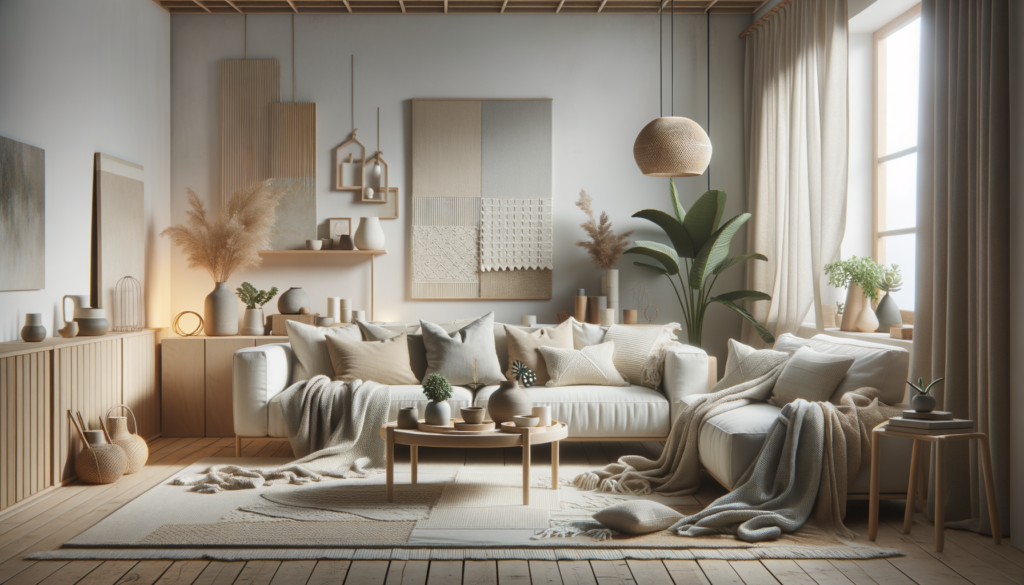
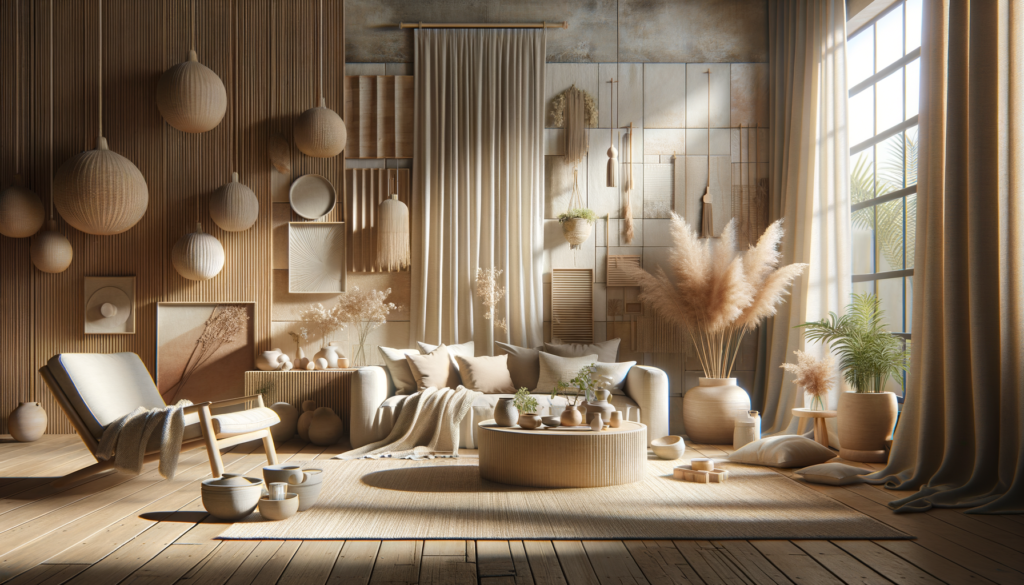
Homes with clutter and cramped layouts often struggle with creating a space that feels calm. In many rental-friendly apartments, storage is limited and awkward layouts leave little room for cozy accents. This works especially well in a shared living area when space feels tight because it softens the ambiance.
Today you will learn how to choose textures that create a welcoming environment and reduce visual chaos. You will discover a practical way to remove excess clutter and choose elements that complete your space.
The Subtle Beauty of Natural Fibers
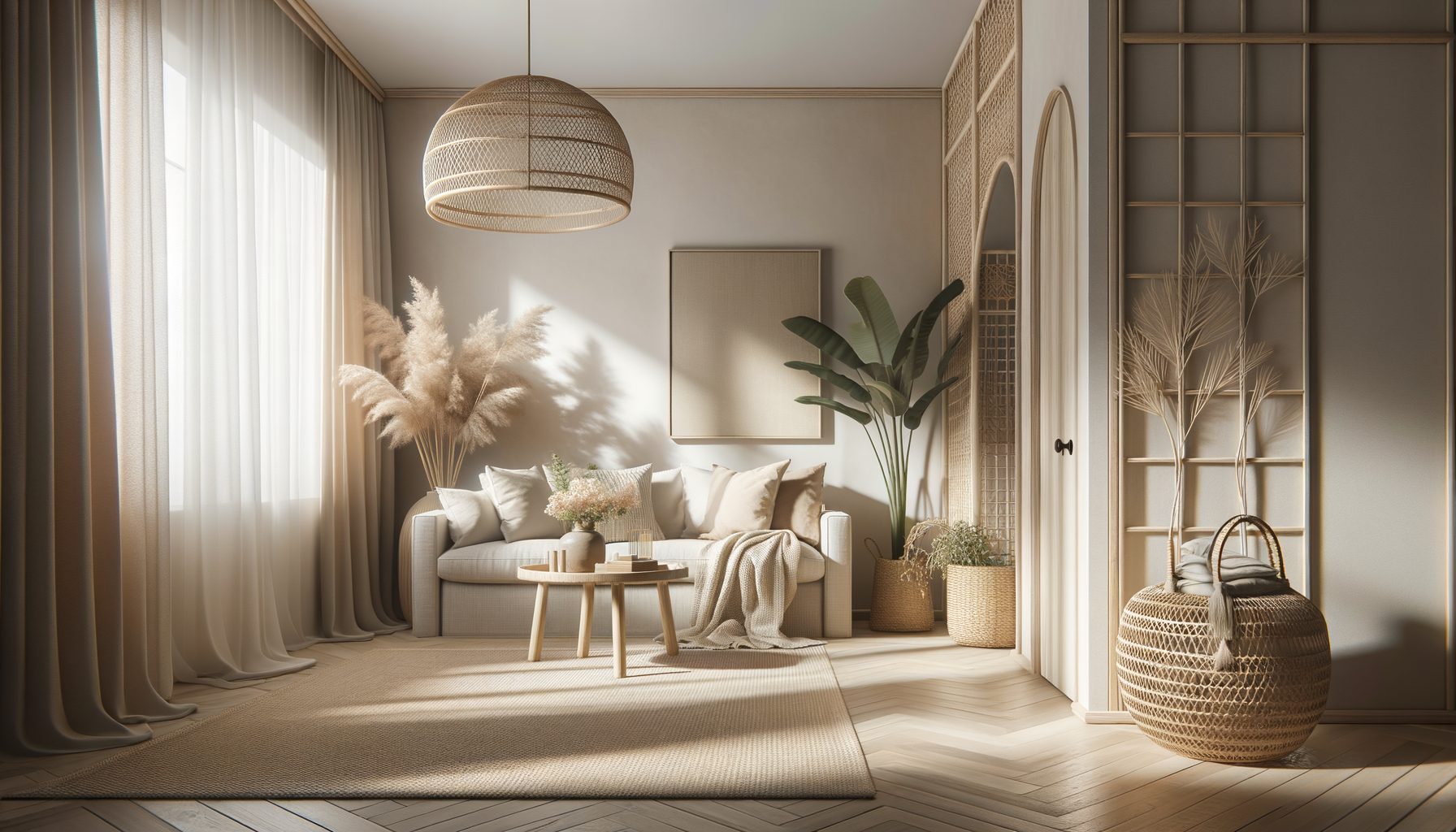
In many living rooms, the worn fabric on a simple sofa shows signs of use and character. A small dining area might host a rug that feels heavy underfoot. A narrow hallway often hides its potential behind unremarkable details. This scenario explains why natural fibers soften the room and add an inviting texture.
If you choose a gentle, woven pattern then the space feels more personal and less clinical. In a shared family room, if the chosen material is too stiff then it fails to bring warmth. Unlike synthetic finishes that look cold, natural fibers carry a subtle softness that invites further exploration.
One homeowner discovered that adding a handwoven throw changed the feel of her space noticeably. The room held a quiet energy when textures met softly on bare walls. Compared to a plain setting, the layered fibers bring a gentle focus that works because they ground the room in comfort.
This works because combining everyday tactile experiences with natural materials creates a more relaxed feel in the home. The added layers of texture boost the overall ambiance without overwhelming the eye. A relaxed living area benefits when every detail contributes to a warm experience.
Layers That Define Calm Home Decor
A small apartment living room with mismatched textiles can seem disjointed. In a quiet study, the layering of a soft woolen scarf on a chair adds a touch of comfort. In a rental-friendly space where you cannot change the walls, textured items refresh without major changes. This example shows why this works by softening harsh surfaces and balancing simple decor.
If you layer different fabrics then the room gains depth and interest without loud colors. In a low light room, if you select too many bright objects then the calm home decor loses its subtle charm. Instead of relying solely on decorative art, using layered textiles offers a more coherent and soothing result.
A modest bedroom with a mix of cushions and throws became noticeably cozier after a few changes. The pattern of soft layering creates a sense of unity during evening routines. Unlike a one-dimensional decor scheme, varied fibers establish a gentle rhythm that works because it draws the eye gradually across the room.
This works because the interplay of textures provides both visual depth and practical comfort. The combination of materials gives each piece a chance to shine without overpowering its surroundings. A refresh in layering brings an organic balance that can transform a cramped room into a more inviting place.
Warm Minimal Interiors in Everyday Living
A living room with outdated furnishings often feels uninviting and stark. In a modern condo, elements that are chosen with care help balance simplicity with warmth. In a shared space where practical needs overrule fancy design, warm minimal interiors bring comfort and subtle interest. This shows why this works by removing visual noise and enhancing everyday function.
If you stick to a refined palette then the room appears larger and more open. In a narrow corridor, if you crowd it with many patterns then the space becomes overwhelming. Compared to a disordered mix, a limited mix of warm minimal interiors sets a clear guide that works because it refines each element.
One setting in a quiet apartment blended a few key pieces with soft textiles. The subtle colors and woven accents made the area feel more lived in and purposeful. Unlike spaces that try too hard to impress, minimal choices add value by emphasizing function and simplicity.
This works because reducing excess elements enables the texture and color to speak on their own. Focusing on a few essential items builds an environment that is honest in its design. A calm home gains a clear focus when every element is chosen for both its feel and look.
How to incorporate woven textures interior
In rooms with plain walls and hard surfaces, a single woven basket or throw becomes a welcome interruption. In a modest kitchen area, a woven table runner can break the monotony of countertop surfaces. In spaces with low light, adding a warm textile is a small act that changes everything. This scenario explains why this works by bringing in touchable softness where it matters most.
If you integrate woven textures interior elements then the home feels layered without much effort. In a narrow hallway, if you neglect these details then the environment remains cold and uninviting. Instead of leaving a room stark, a woven accessory adds both comfort and a focal point that works because it distracts the eye pleasantly.
A homeowner in a rental-friendly condo placed a subtle woven runner on the floor, transforming its look. The decision to blend a natural texture among industrial finishes affirmed the room’s hidden warmth. Unlike a room that prioritizes only modern lines, including woven textures interior introduces an element of hand-crafted ease.
This works because choosing one standout woven piece anchors the space and moderates the overall look. The balance between hard surfaces and soft fibers brings calm to the area. A practical setting improved when a single textured item softened the modern edges and created a relaxed mood.
The moment often comes when a homeowner steps back and senses that something feels off. The walls and floors may seem complete, yet the space still feels busy or unfocused. In that quiet pause, it becomes clear that the details are too competing, and one texture overwhelms another.
A typical misstep is to accumulate various fabrics with little thought to how they interact. Too many competing textures can make a room feel cluttered and heavy. When you fix it, the room feels calmer and more balanced.
Save this idea for later.
For this kind of setting, the
Amri Iron Candlestick
adds quiet structure and warmth while keeping the room balanced.
Where this works best
Many small bedrooms and living areas benefit from a focused design approach that emphasizes texture over color. In a cozy sitting room with limited natural light, adding a woven throw to a cushioned chair creates a spot of interest. In a shared space where furniture must serve multiple roles, soft textures introduce warmth without complicating the setup. This example shows why this works by offsetting hard edges with gentle material accents.
If you bring in well-chosen textiles then the cozy feel of each room improves dramatically. In a space with a busy pattern on the floor, if you add clashing fabrics then the room suffers from lack of unity. Unlike a uniform approach that flattens the room, combining textured items gives a personal touch that works because it breaks the monotony.
A young professional arranged a reading corner with a mix of wooden accents and woven cushions that complemented each other. The everyday use of these textures marked a noticeable change in mood and comfort. Avoid placing too many competing textiles in a single small area, as it often creates design chaos.
This works because choosing the best spaces for texture elevation anchors the design firmly. It encourages the eye to settle on a warm zone and enhances the room’s overall livability. A well-considered nook transforms when detailing is applied in moderation.
Styling and placement
A dining area with hard surfaces and sparse decor can benefit from the careful addition of textile elements. In a small apartment, draped fabrics on a window or an accent chair enhance the room without overwhelming it. In a shared home office, strategic placement of woven items breaks the sterile look. This layout explains why this works by inviting tactile elements that soften structured spaces.
If you position textiles at key points then the room’s energy shifts toward calm minimal interiors and warmth. In a room with a dominant modern style, if you misplace a heavy fabric piece then the balance is lost. Instead of clustering items randomly, thoughtful styling creates a flow that works because it directs attention gradually through the space.
A homeowner recently rearranged a side table with selected woven accents, and the overall look became more inviting. The clear arrangement of textures helps the eye to find a comfortable rhythm. Unlike chaotic scattering of decor, a planned placement offers clarity and order because it follows a logical focal design.
This works because understanding where to place each piece creates a harmonious balance. Using a quick calm checklist helps keep styling intentional instead of decorative for its own sake.
Quick calm checklist:
- Choose one woven element as a quiet anchor.
- Keep surrounding surfaces simple and lightly styled.
- Balance texture with smoother materials like linen, glass, or pale wood.
- Avoid repeating the same woven finish too many times in one zone.
- Let negative space do part of the work.
When woven details are placed with restraint, they bring warmth without heaviness. The room feels more connected, and the texture reads as calm rather than clutter.
When woven details are placed with restraint, they bring warmth without heaviness. The room feels more connected, and the texture reads as calm rather than clutter.
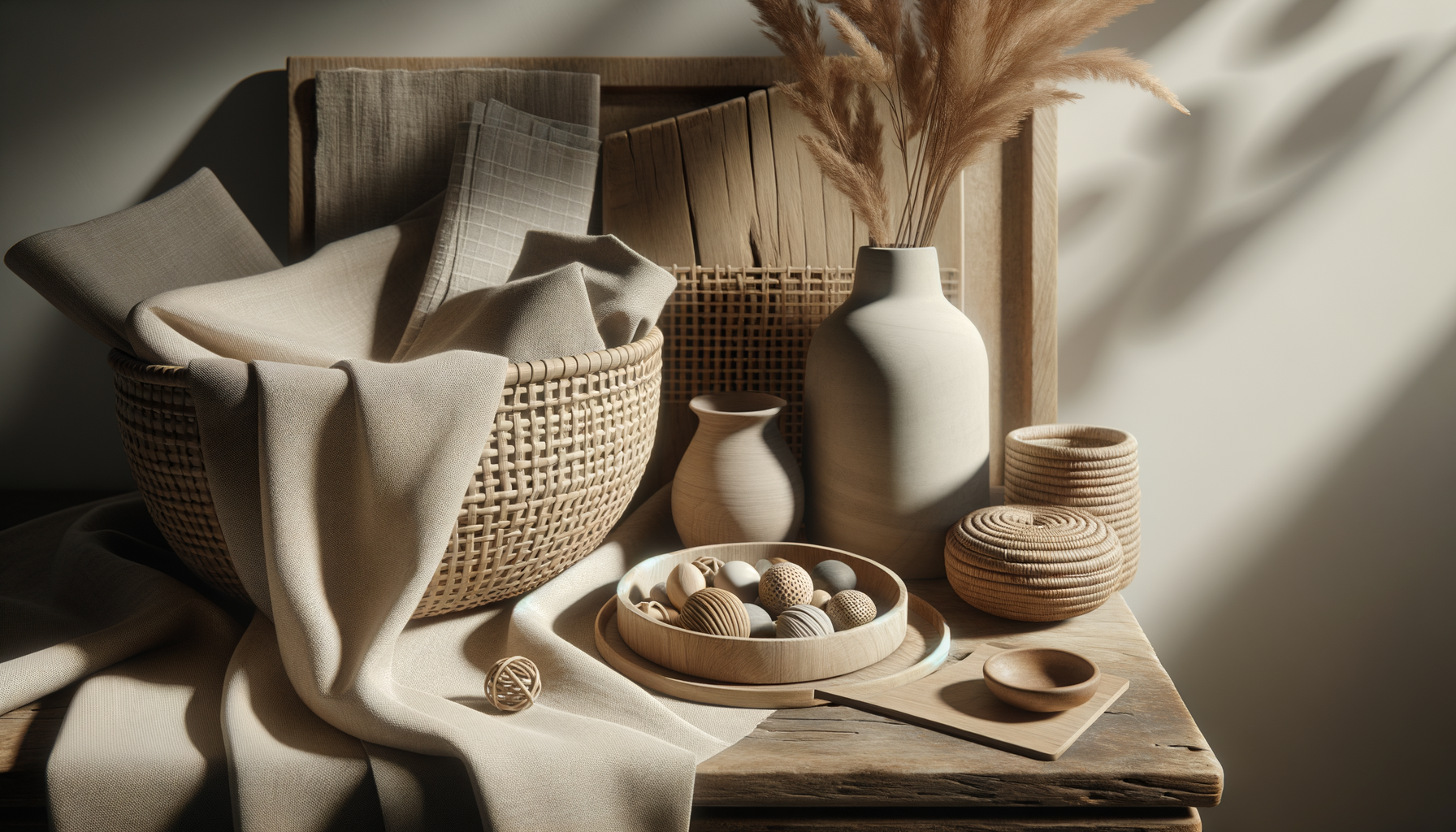
In practice, this means treating woven textures as quiet structural elements rather than decoration. A basket placed beside a sofa, a woven tray on a coffee table, or a textured stool near a window can subtly guide the eye through the room.
Because these pieces carry both visual texture and natural tone, they integrate easily with calm interiors. Linen fabrics, pale wood, ceramic objects, and woven fibers tend to reinforce each other rather than compete for attention.
Creating warmth without visual noise
The strength of woven textures lies in their ability to soften minimal spaces without adding complexity. Unlike bold decor pieces, they introduce warmth through material rather than color or shape.
Even a very restrained interior can benefit from one or two woven accents placed with intention. The result is a room that feels calmer, more balanced, and naturally lived in.
When texture is introduced this way, it doesn’t interrupt the design. It completes it.