

Homes with handcrafted elements invite a warmth that mass‐produced items cannot. A few well‐chosen artisanal pieces bring a sense of calm that fills everyday living spaces.
When natural materials lend their hands to your décor, every room feels both lived in and gently cared for. Quiet details in the kitchen make a home feel uniquely personal and true.
The short version: Handcrafted interior details create an inviting kitchen by mixing handmade decor with soft lighting and natural textures. This guide explains small shifts that bring a calm, life-affirming space to your home.

Handcrafted Inspirations
Wood and linen form the base of your home. Hand-turned ceramics and handwoven textiles bring subtle detail.
A kitchen filled with handcrafted interior details offers a quiet yet engaging character. Natural textures provide a soft backdrop to everyday meals and friendly gatherings. A carefully chosen table runner or a modest clay bowl can become a focus that feels both deliberate and relaxed.
The use of handmade decor means each piece has its own story. A distressed wooden frame on the wall or a hand-painted plate can soften the edges of a modern design. A bit of warmth shows that careful choices create a space that feels genuine, and a focus on simple details pulls the eye without distraction.
Every time you sit down for a cup of tea, you feel the difference. The natural imperfections in a hand-carved spoon remind you that quality comes from the human touch. This connection to the maker brings an enduring charm to the space, and you notice that small shifts in design build character over time.
The Warmth of Handmade Decor
Small handmade items add both texture and history. Each detail carries the mark of skill and care.
A blend of handmade decor and natural surfaces makes your kitchen feel lived in. Pieces like a handwoven table runner or a set of hand-thrown bowls create a setting that is both practical and subtly artistic. The calm effect of organic materials is seen when a textile’s soft weave reduces the clinical feel often linked with modern design.
Artisan items introduce a gentle contrast to sleek surfaces. In a light kitchen, the occasional insertion of a woven tray or a softly brushed ceramic dish pulls the eye in a soothing way. This thoughtful mix supports a gentle dialogue between cold surfaces and warm textures.
When you hang a piece of linen wall decor in a softly lit corner, the room seems to take on a cozier mood. Using handmade decor means that each object lends a unique narrative to your space. Simple choices often make the kitchen feel more inviting, and a focus on soft forms naturally improves the room’s atmosphere.
Where this works best
Appliances and tables help to frame the detailed work. Craft pieces are best observed in spaces with room to breathe.
Handcrafted interior details prosper in spaces such as small kitchens, dining areas, and corridors where there is plenty of natural light. Some areas may be constrained by the space available, yet even a simple shelf or a compact countertop display can host a meaningful artifact. Rooms that have too many competing elements might feel overwhelmed by extra detail.
Everyday kitchen use benefits from artful choices that are also functional. A small jute basket that holds fruit or a handcrafted bowl on the countertop can serve both aesthetic and practical purposes. When everyday items are chosen with care, the space gently tells a story of simplicity and authenticity.
Avoid placing too many items on a single surface when you want each piece to stand out. This approach makes it easier to appreciate each element, and the resulting blend offers a clear focal point that lights up the room. The calm mood translates into a quiet joy that makes every day a little brighter.
Light and Linen Home
Natural light enhances soft textures. Gentle contrasts, like linen against wood, create calm warmth.
A kitchen that embraces natural light brings out the beauty of each handcrafted detail. A sunny window with a handcrafted curtain lets rays fall softly over a well-worn table. The blend of light and handwoven cloth shows how simple choices can transform a kitchen’s mood.
The use of soft lighting paired with natural fibres ensures that the atmosphere remains welcoming at any time of day. A subtle glow from a pendant light or lantern can set a relaxed tone during early mornings or quiet evenings. As light touches natural materials, you observe that the room feels both airy and secure.
In a space where each element is chosen for its tactile quality, letting soft natural light flow creates a living canvas. A carefully arranged shelf can serve as a reminder that details matter. A quiet ambiance forms when contrasts are mellow, and handcrafted interior details feel complete in their soft environment.

Styling and placement
Careful styling brings calm order. Gems of handmade ethos sit best when placed with thought.
Quick calm checklist:
- Place one statement piece on a clear surface
- Keep a limited colour scheme for a unified look
- Mix soft textures with a few natural elements
- Allow spaces to breathe around each handcrafted piece
A table set for an evening meal can look heavy if every item competes for attention. Selecting one or two artisanal objects can create a clear focus that speaks softly yet firmly across the room. The choice to feature a minimal table runner and a single handcrafted bowl provides a sense of calm without overcrowding the space.
Using thoughtful styling and careful placement, you help the handcrafted interior details stand out. A well-placed vase or a small basket draws attention without disrupting the overall balance in your kitchen. This measured approach calms the space and draws the eye toward small, meaningful accents.
When right placement brings out the charm of a handmade piece, the whole room benefits. A single piece of artwork on a mostly plain wall highlights the contrast between simplicity and a touch of artistic flair. The cause-and-effect here is clear: focus on less allows every object to shine.
Slow Living in the Kitchen
Savour the moment in a well-thought-out space. Personal touches add quiet depth to everyday routines.
Slow living in a kitchen is about enjoying moments of calm with each meal prepared. Handcrafted interior details offer small reminders to take pause and appreciate the day. A hand-built wooden spoon or a carefully balanced bowl emphasises that daily rituals need not be rushed.
The emphasis on quality over quantity helps turn a busy morning into a peaceful ritual. A space that incorporates slow living values guides you toward mindful use of every item. Home kitchens that respect handcrafted traditions feel genuine and nurturing throughout the day.
In a setting where every object finds its place, the experience of preparing food becomes an act of care. A neatly arranged counter with a few wooden keepsake boxes adds charm and enlarges the feeling of space. When the environment reflects slow living, each process becomes more deliberate and ultimately more rewarding.
Often it is the small details—a handcrafted bowl here, an artisanal placemat there—that reduce the sense of haste. Even the way you organise small items on a shelf affects your daily routine. The cause-and-effect is gentle: as you embrace slow living, the room grows more inviting and authentic.
It is not unusual to see a kitchen transform by the addition of well-placed heirloom pieces. In fact, using a wooden keepsake boxes on a neat counter inspires the sequence of slow, thoughtful actions in the heart of a home.
Quiet Mood Upgrades with Craft
Simplicity adds lasting grace. Combining modern needs with natural craft gives a kitchen a humble uplift.
A quiet mood in the kitchen can be achieved by choosing pieces that blend old skills with modern functions. A dining nook may benefit from a pair of subtly designed shelves that hold family heirlooms alongside handmade crockery. Each element supports a narrative where fewer items speak volumes.
Elements like gentle diy candle holders provide diffused light and delicate warmth. A familiar space becomes even cozier when its details reflect handcraft and care. The soft glow from such items moderates sharp lines and adds a balance where modern design and rustic touches meet.
By selecting carefully crafted accessories, the ambiance becomes gentle yet inspirational. The decision to include a few carefully chosen pieces creates a room that feels intentional rather than cluttered. The cause-and-effect is plain: a considered choice in each element makes the kitchen feel uniquely warm, and a contrasting plain wall sets off every crafted detail.
SOLUTION CLARITY: The practical shift lies in selecting one statement piece, using a reduced palette and allowing each material to speak for itself. This design decision brings focus and warmth without asking you to overhaul your entire space.
DECISION MOMENT: There comes a time when the table suddenly feels off-balance, as if too many pieces are vying for attention. It is the moment you recognise that simpler is better.
Friction exists when cluttered surfaces hide the simple beauty of each object, causing confusion and an overall heavy feel. A busy counter distracts the eye and makes it hard for a room to settle into calm. A careful focus on fewer items brings clarity and charm. Save this idea for later.
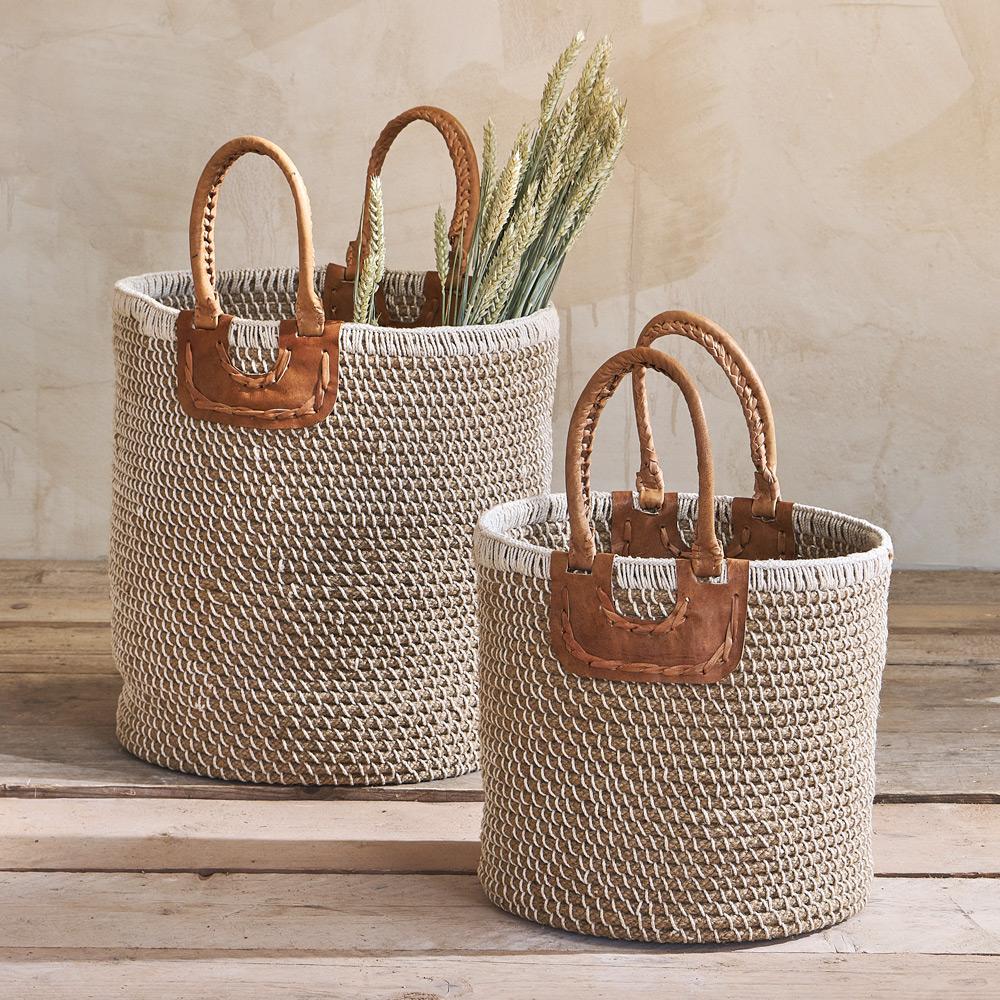
Indra Coil Basket – Natural
adds quiet structure and warmth while keeping the room balanced.
What I’ve come to know about handcrafted kitchen details
I have learned that the smallest changes often make the biggest difference in a kitchen. Adding a hand-thrown bowl or a subtly woven basket can change the mood entirely. In my own home, I appreciate pieces that speak to quiet strength and simple beauty.
The process of choosing handcrafted interior details has taught me that every object has a story. Taking time to select items that add character means that your everyday space reflects who you are. I cherish the moments when my surroundings help me slow down and enjoy a cup of tea. — Mara
Common questions
How do handcrafted items improve a kitchen’s atmosphere?
A kitchen filled with handcrafted interior details offers a quiet yet engaging character. Natural textures provide a soft backdrop to everyday meals and friendly gatherings.
Can handmade decor be both decorative and practical?
A small jute basket that holds fruit or a handcrafted bowl on the countertop can serve both aesthetic and practical purposes.
How does natural light enhance handcrafted kitchen details?
A kitchen that embraces natural light brings out the beauty of each handcrafted detail. A sunny window with a handcrafted curtain lets rays fall softly over a well-worn table.
Explore more calm combinations inside our Shop The Look.
Frequently asked questions
How many handcrafted pieces should I add to a small kitchen?
Start with one or two statement pieces on a clear surface. A single hand-thrown bowl or woven table runner allows each object to shine without overwhelming the space. This measured approach maintains calm and prevents visual clutter.
What materials work best for handcrafted kitchen details?
Wood, linen, ceramics and woven textiles form the foundation. Hand-turned bowls, handwoven runners and natural fibres complement both modern and rustic kitchens. These materials soften hard surfaces and bring tactile warmth to everyday spaces.
How does natural light affect handcrafted details?
Soft, natural light enhances the texture and imperfections in handmade items, drawing out their character and warmth. A sunny window or pendant light paired with natural materials creates an airy, welcoming atmosphere throughout the day.
Shop the Look
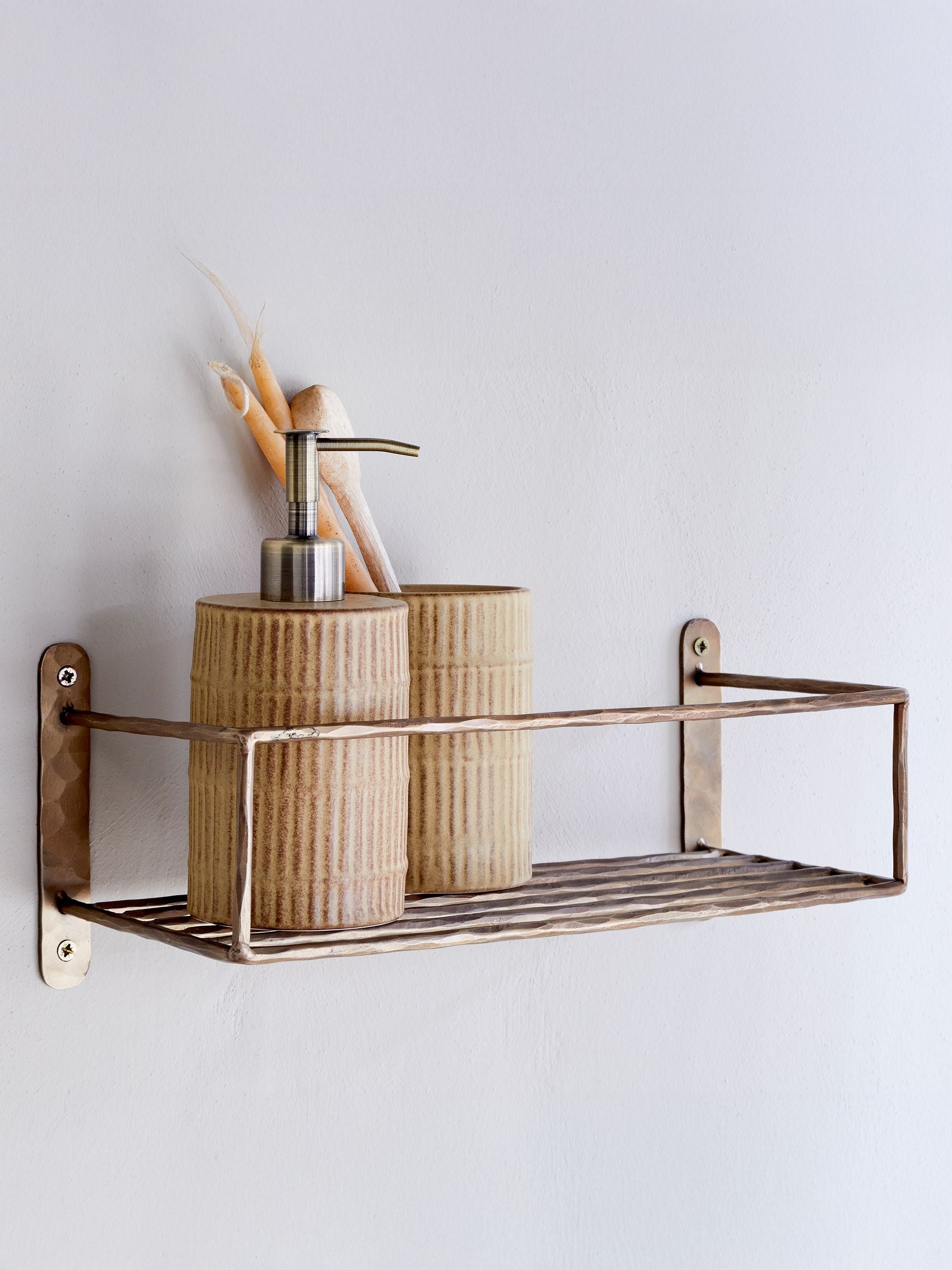
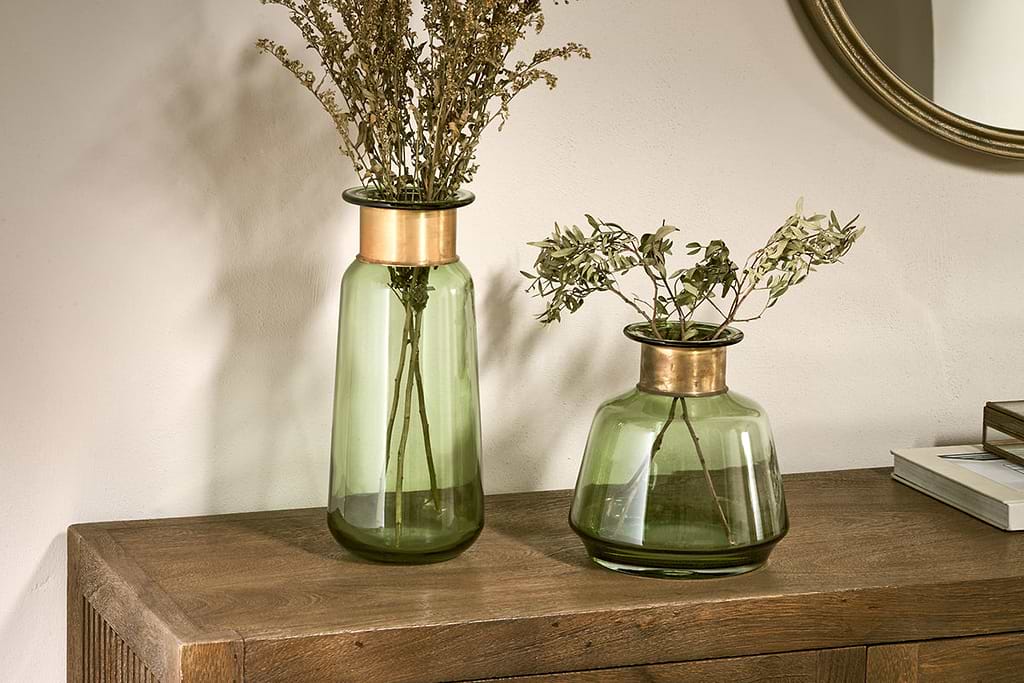
A simple shelf and soft glass vase bring handcrafted calm to everyday kitchen moments.
Some links above are affiliate links. If you buy through them we may earn a small commission at no extra cost to you. We only suggest pieces we think fit a calm, lived-in home.
Free guide
The Calm Leaf
12 quiet ways to bring dried botanicals, stems, and natural textures into calm spaces.