

Too many bathrooms with wet room setups look unfinished once you start adding toiletries and towels, because most general bathroom storage cannot survive daily damp. The best type of storage for a wet room is one that can handle humidity and constant water without breaking down or growing mould, but it’s not always obvious what to choose.
Today you’ll see exactly which storage types work, which to avoid, and how to make a small space practical without crowding the room. This works especially well for a windowless UK wet room when clutter builds up near the shower because open baskets and rusty hardware never last in that kind of damp.
The short version: The best type of storage for a wet room is built-in or wall-mounted recessed shelving made from waterproof materials like stone resin, glass or powder-coated aluminium. Choosing storage designed for constant humidity keeps toiletries dry above puddle height, stops mould and makes the whole space easier to clean.
Key takeaways
- Waterproof recessed niches and floating shelves work best in wet rooms with constant damp.
- Avoid untreated wood, mild steel or fabrics that hold moisture, as these develop mould.
- Glass, aluminium, high-grade plastics and stone resin last years in humid rooms.
- Place storage in the dry zone outside spray or high on the wall to protect contents.
- Storage is a key design consideration for wet rooms, according to industry sources.

Why does most bathroom storage fail in a wet room?
General bathroom storage fails in a wet room because open water, steam and humidity quickly break down any surface that is not sealed or waterproof.
Plenty of bathroom shelves, baskets and cabinets look smart in a standard shower room but start showing wear within months in a true wet room. Damp seeps in, steam rests on surfaces, and anything left in puddles rarely dries fully between uses.
MDF cabinets swell and the laminate peels away when exposed to water from all sides. Wire racks that work fine above a bath lose their finish, often rusting or leaving orange marks on tiles. Cotton, linen or wicker accessories go soft or start growing mildew, especially if you reach for them with wet hands.
Plastic caddies can seem tempting for price or colour but tend to yellow or crack in high heat. A bare glass shelf or stone slab can look cold next to soap or shampoo but wipes clean far more easily than a textured tray. Built-in shower niches avoid this problem because they sit inside the waterproof wall and keep bottles out of direct flow.
The best type of storage for a wet room works because it resists constant damp without needing special treatment. Positioning also matters: anything at floor level soaks up water from every shower and rarely dries fully.
To avoid frustration down the line, pick shelves, caddies or units that are specifically made for waterproof rooms, not just for bathrooms in general. Mount them well above floor level near the hand shower or above the waist.
What materials actually last in a humid space?
The longest-lasting wet room storage uses waterproof materials like stone resin, glass, powder-coated aluminium and non-yellowing plastics designed for high humidity.
Mineral-based options such as stone resin or glass are completely non-porous, never grow mould and do not warp with heat. Aluminium shelving keeps its finish far longer than most mild steel, especially if the coating is continuous and smooth to the touch. Stone resin is a durable material suitable for wet room design and does not stain from soaps or conditioners.
ABS-grade plastics designed for shower caddies hold up under both high temperature and pressure changes, which is why hotel showers and public spas often use them. Any open tray or shelf that can be lifted out and wiped with a towel makes long-term cleaning simpler and helps stop build-up.
Unlike painted wood or untreated rattan, glass shelves never soften or lose their shape. A floating shelf with drainage slots works well along a shower wall as long as water runs off and cannot pool.
| Material | Waterproof? | Stays clean easily? |
|---|---|---|
| Stone resin | Yes | Yes |
| Aluminium | Yes | Usually |
| Glass | Yes | Yes |
| MDF/wood | No | No |
| Plastic (ABS, PVC) | Yes | Varies |
| Steel (not coated) | No | No |
Storage made of glass or powder-coated metal works best near the wettest areas, especially for things you reach for daily like shampoo or face wash. Place them near waist or eye level so surfaces dry fast after every shower.
Where this works best
Waterproofed storage works best in wet rooms with limited floor space, high humidity and no natural airflow, such as basement or converted loft bathrooms.
In homes without windows in the wet room, water lingers on every surface after you shower. Closed corners never fully dry and anything that holds fabric or wood quickly develops a musty smell. Underfloor heating helps but is still not enough to keep baskets or non-waterproof cabinets fresh for long.
Wall-mounted shelves or recessed shower niches shine in these rooms because they support bottles or towels clear of puddles. They are easy to tilt or wipe down, and you do not need to move them aside for floor cleaning. A built-in soap dish, flush with the tile line, lets you keep things out of reach of stray water jets.
Avoid using any unsealed timber, basic wire racks or heavy stone trays that can’t be drained in these spaces. In a space with no window or a low ceiling, these details matter because built-up water triggers a cycle of mould, flaking paint and sour-smelling corners.
The best type of storage for a wet room sits above spray height, resists high humidity and stays away from the coldest, darkest corners.
How do you keep storage clear and clean with daily use?
Daily clutter is avoided when every used item has a clear home, preferably one that drains fully and can be wiped down in seconds.
A floating shelf beside the shower head keeps bottles upright and safe from pooled water. Choose designs with a narrow lip or raised edge to anchor small bottles so they can’t tip or create slippery patches. Storage trays with drainage holes work because any water sitting on the shelf runs off immediately and cannot leave marks.
Corner niches or flush-built shelves are the best type of storage in family wet rooms because children, guests and anyone in a hurry have an obvious place to leave things. Compared to an open window ledge or loose basket, these shelves make wiping and spraying a two-minute task, a design choice that stops daily mess from building up over weeks.
Open plastic caddies look clean on day one, but if they sit too low or hold soap scum, the effect disappears. Instead, position storage just above the main splash zone and keep one shelf mostly clear. Hanging a single towel from a heated rail nearby keeps the space calm, and the rail itself can double as storage in a pinch.

Styling and placement
Good wet room storage sits where water runs off, never in the line of direct spray, and sticks to a tight colour and material palette.
Choose glass, aluminium or pale stone finishes for wall shelves or niches, matching the hardware to taps or tile trim if possible. A seagrass basket only works if it is labelled for wet zones, treated or designed to dry within hours. Accent colour looks best when it repeats in only one place: for example, a single olive-glass pump beside frosted shelves.
For open-plan spaces, stick with two finishes (such as brushed steel and white resin) to keep the whole room simple to look at and simple to clean. Mix too many woods or plastics and the eye jumps around, giving the room a busy feel that rarely improves with tidying.
Neutral shelf styling works well in wet rooms when you anchor storage by material, not just colour, one glass shelf can read softer than metal if the rest of the room has plain, matt surfaces.
Quick calm checklist:
- Pick wall storage in powder-coated aluminium, safety glass or resin only.
- Keep floor areas open: mount storage high, never at skirting level.
- Limit shelf styling to two colours and one texture per wall for calm.
- Balance a single soft basket with open glass to avoid coldness.
For most homes with hard floors, storage works best when positioned within arm’s reach of the shower and away from low corners where water pools. This layout makes cleaning simpler and helps even the smallest room look finished.
Are built-in storage options worth the effort?
Built-in storage like recessed wall niches lasts longer and looks more finished than any freestanding option in a wet room.
Recessed niches sit flush with the tile, never block the flow and don’t catch dirt behind them. With the right waterproof backing, these shelves will outlast most surface-fit cabinets. According to industry guidance, shower niches are a space-saving storage idea, especially where every inch counts.
Unlike trolleys that can wobble or tip, a built-in shelf is always at the right height, safe from slips, and never leaves black marks on pale grout. The only trade-off is installation: you must commit before tiling, which means some renters and those with finished rooms will need a wall-mounted solution instead.
For long, narrow rooms, alcove shelving close to the entryway keeps supplies dry and avoids crowding the shower itself. Mirror-fronted niches can also double as spot storage in low-light bathrooms, reflecting any hint of daylight further into the room.
Select recessed or built-in storage when you want the room to look clean year round, even if you’ve just finished showering. In tiny rooms, these solutions help the walls stay spacious and open.
Which freestanding storage is truly waterproof?
Freestanding options that survive wet rooms use only aluminium, ABS plastic or treated resin, never plain wood, steel or fabric.
Open trolleys in powder-coated aluminium move easily and dry fast, provided wheels are rubber and do not mark. ABS plastic caddies (the kind found in spa steam rooms) stack or hook over glass, so nothing collects on the floor. Unlike natural rattan, which sags and stains under daily steam, treated seagrass in a bath basket can sit near spray for towels or dry brushes, but only if clearly labelled as waterproof.
Glass or resin trays on raised feet are useful for holding bar soap and bath salt jars, and rinse clean without leaving streaks. For rooms with underfloor heating, place any freestanding storage away from heat vents so plastics still keep their shape and finishes do not fade.
Small vanity units with PVC or stone resin casing avoid swelling and remain smooth under steam. Compared to wall cabinets with hinges, these units close flush and do not trap water, meaning fewer repairs and less frustration over time. For great performance, look for freestanding pieces with an open frame and minimal contact with the floor.
A raised trolley or acrylic basket works well for toiletries you move in and out of the shower, and can double as storage for cleaning cloths, so nothing lingers wet at ground level.
There’s a moment, after months of wrestling with rusty racks or soggy baskets, when a wet room just feels “off”, never fully clean, always half-dry. This is when homeowners start realising it’s not a mop or a deep clean that’s missing, but good storage. The difference isn’t subtle: get this wrong and the space always feels busy, heavy or unfinished, even right after a tidy.
Too many rooms suffer from well-meaning storage, bamboo caddies, plain woven baskets or “moisture resistant” cabinets, that go slimy, rusty or chew up precious floor space. The result is a room that needs daily rescue and never looks calm. You end up shuffling baskets, drying shelves or pretending you don’t see the soft, speckled patches on your towels.
Swap one of these worn pieces for a built-in shelf, a simple glass tray or a single open trolley, and suddenly your wet room feels simpler and lighter. The right choice makes wiping, sorting and even stepping in and out of the shower easier and less stressful.
Save this idea for later.
Materials and placements that consistently last
From reviewing years of reader messages and supplier returns, the clear winner for wet room storage is waterproof wall or niche shelving made in glass, coated aluminium or stone resin. These finishes resist cracking, never absorb water, and keep looking new when other options start to fade or gather mildew.
Decorators who work with windowless or especially chilly wet rooms almost always recommend wall-mounted storage fixed above main splash zones, or built-in niches. A reviewer favourite is still the flush-fit shower niche, because it blends in with tiled surfaces and never gets in the way of floor mopping. Absorbent baskets and cloth drawers lose their shape within a year, while glass and stone stay sleek regardless of how busy the home gets.
Mara, Loom & Glow
Common questions
What are cute and humidity-resistant storage ideas for a wet room?
Compact recessed wall niches and floating glass shelves are both humidity-resistant and look tidy in a wet room. Powder-coated aluminium rails add a simple accent and do not rust. Try a single treated seagrass basket (labelled waterproof), so you still have natural texture that dries quickly and stays clean in damp air.
What materials are best for wet room storage units?
The best materials for wet room storage units are glass, powder-coated aluminium, stone resin and ABS plastic. These stand up to constant moisture and clean easily, always choose units with fully sealed surfaces and drainage holes, not untreated wood or woven baskets. Avoid budget steel, mild steel or cloth storage organisers in these rooms.
Can you have storage cabinets in a wet room?
Yes, you can have storage cabinets in a wet room if they are made from waterproof materials such as PVC, resin or glass. Avoid standard chipboard or painted MDF cabinets, as these absorb water and break down. Small vanity units or wall-mounted cabinets with fully sealed doors work best if you need closed storage.
Where should you place storage in a small wet room?
Place storage in a small wet room above floor height, outside the main shower spray, and preferably in a recessed wall niche or floating shelf. Avoid crowding lower corners or next to drains, since these spots collect moisture. Keep main storage high and towards the dry side of the room for easy access and fast drying.
Explore more calm combinations inside our Shop The Look .
Shop the Look
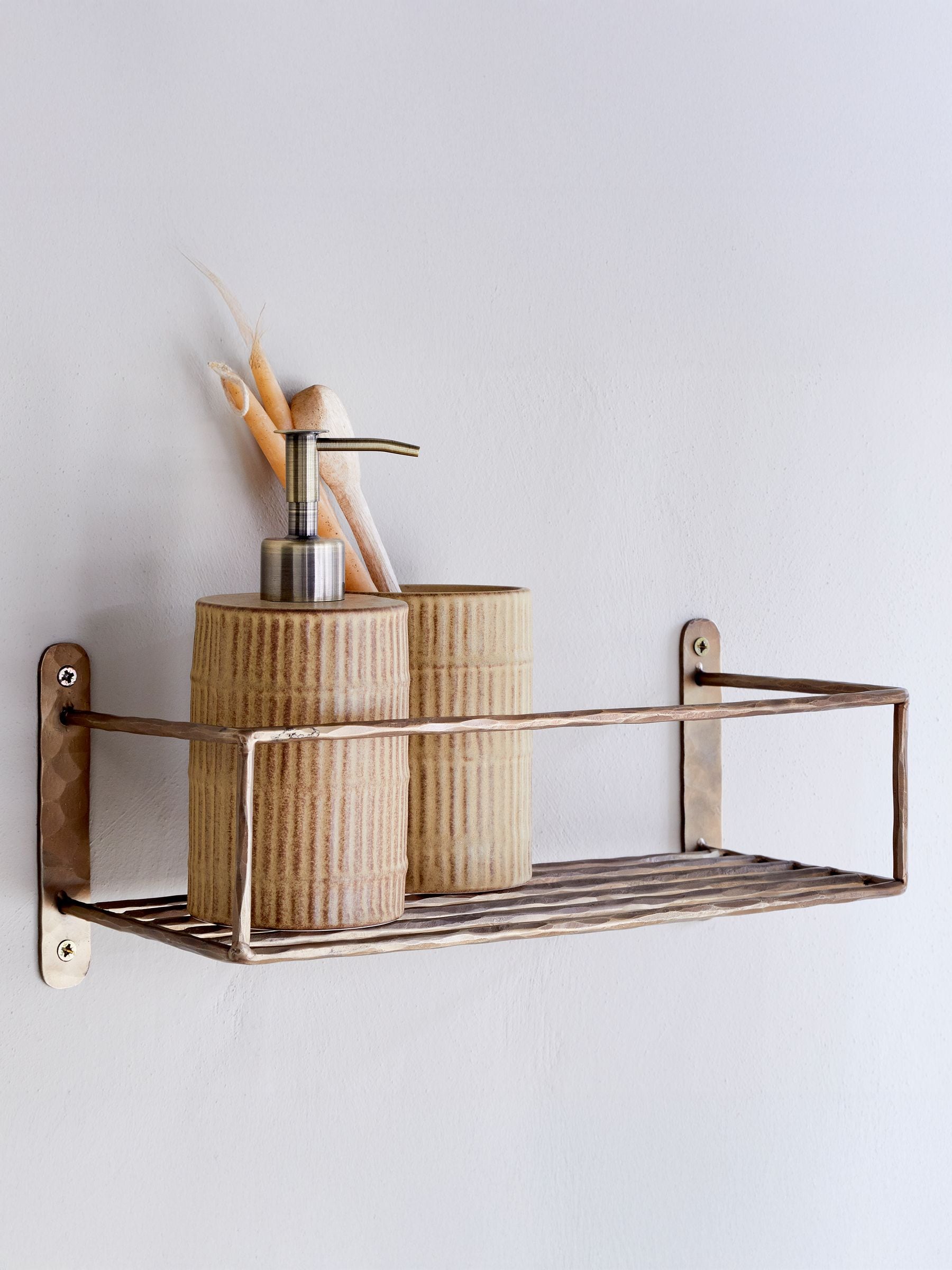
A few Nkuku pieces that suit the calm, understated feel of a well-ordered wet room.
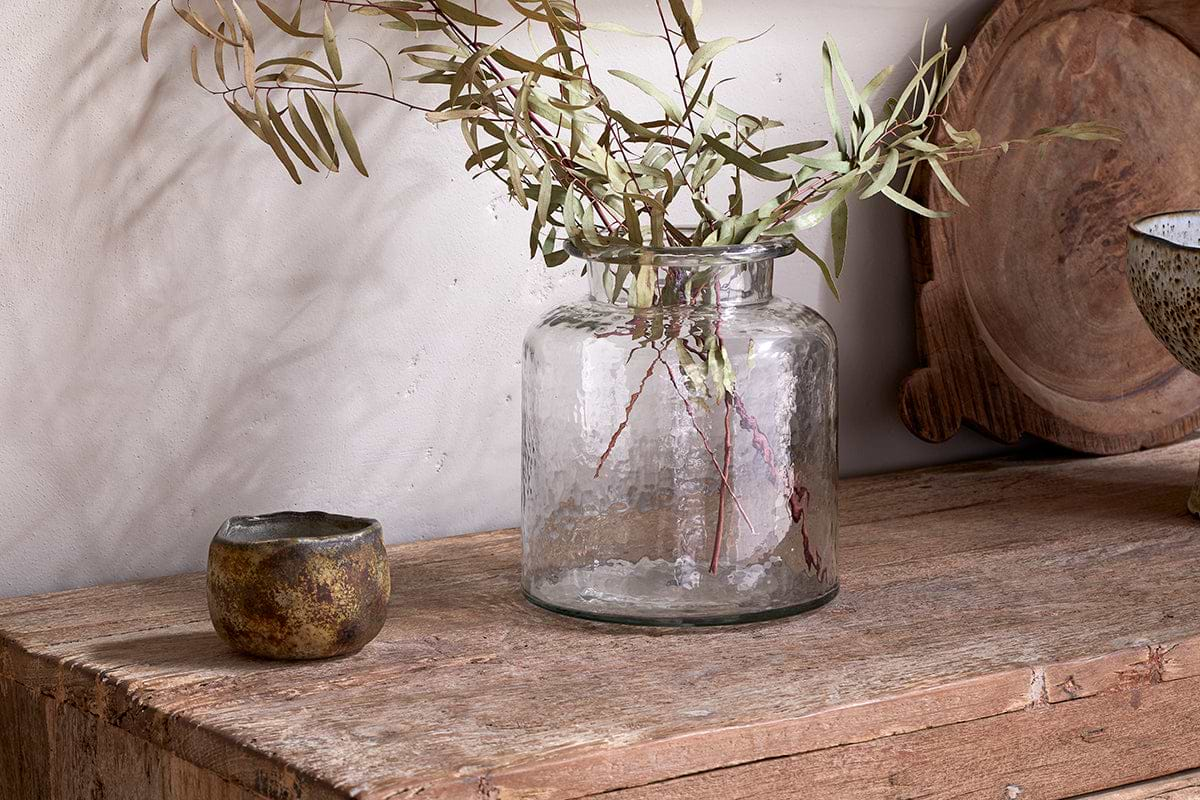
Akra Recycled Glass Vase
Clear cylindrical glass, pairs with stems or sits empty as a quiet accent.
View at Nkuku →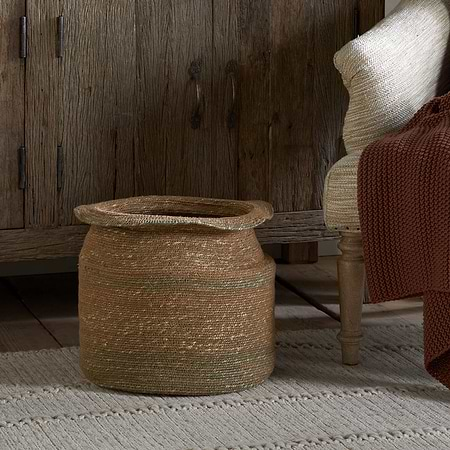
Some links above are affiliate links. If you buy through them we may earn a small commission at no extra cost to you. We only suggest pieces we think fit a calm, lived-in home.
Free guide
The Calm Shelf
12 styling ideas to help you compose calm, balanced shelves in natural texture homes.