

Sharing a guest room with a home office, sports gear, or extra storage can make any visitor feel like an afterthought. Most small guest room ideas run into clutter, nowhere for a bag, random furniture, not enough clear space. The guest room often becomes the catch-all. A calm welcome rarely survives the squeeze.
This guide shows how to pare back, zone, and use every inch well so a spare room feels inviting even with little space. You’ll learn what to simplify, what to keep clear, and how to combine comfort with practical storage. This works especially well in a spare room with limited space when you want it to feel peaceful because guests relax better with less visual noise.
The short version: The most useful guest room ideas for small spaces keep the palette light, surfaces clear, and storage discreet so the room feels calm, not crowded. A few careful swaps and one good focal point make a spare room work for guests without feeling cramped or overfilled.
Key takeaways
- A day bed doubles as both seating and sleeping space in a guest bedroom.
- Clear surfaces before styling to avoid a cluttered look in small guest rooms.
- One bedside lamp or sconce is enough if the bulb gives warm, diffuse light.
- Vertical shelves take up less floor space than bookcases and hold the essentials.
- Do not confuse cosy with overcrowded, according to The Brain & The Brawn.

Where this works best
A small guest bedroom benefits most when every item is chosen with both comfort and space in mind, not just squeezed in to fill gaps.
Spare rooms often sit in the quietest part of the house or take on odd shapes that don’t work well with big furniture. Low ceilings, angled walls, and narrow doorways are common. Shared guest rooms sometimes double as a study or the “everything else” spot. A day bed or slim single bed leaves more breathing space for movement and avoids the blocky feel of a sofa bed that is too bulky.
For everyday use, the space works better when storage is off the floor and soft surfaces stay minimal. Natural light makes a big difference, even if there’s only one window, linen curtains filter glare while keeping things open. A small rug grounds the room and absorbs some sound, which matters in a space meant for rest.
Avoid using heavy wardrobes or deep bookcases in tight guest rooms. Unlike a low bench with a basket underneath, a mirrored wardrobe can feel imposing and eat up daylight. Instead of filling a wall with shelves, use one slim vertical shelf and leave part of the wall clear. A room only feels restful if visitors have room to breathe and drop a bag.
Try this approach in a spare bedroom with awkward corners or when you need to make the most of a space you rarely use but want to get right for guests.
How do you pick the right bed for a small guest room?
A day bed or compact frame takes up less space than a double bed, and a simple linen duvet keeps it looking light and inviting.
The right bed makes the biggest difference in a small guest room, according to Dreams, because it serves as both seating and a sleep space. Most sofa beds look tidy but often feel too firm or too deep, so guests don’t rest well. A day bed with a proper mattress is a real upgrade, especially if you need the room as a sitting area during the day.
There are plenty of day beds made of pine or powder-coated steel that are strong but easy to move. Pick a model with built-in drawers if you lack a separate place for extra bedding. A slim wooden bed frame takes up less visual weight than a deep box base, and pale wood reflects light, keeping things brighter. The problem with chunky upholstered frames is they block natural daylight and visually shrink the room, especially near a window.
Try a simple linen or cotton bedcover in a neutral shade. Unlike thick pile throws or heavy blends, linen feels fresher and dries quickly if washed. For guests who travel light or need to set up a laptop on the bed, crisp white bedding and two pillows are usually enough.
A day bed works well for guest bedrooms that double as home offices or reading corners, especially in homes short on storage or with awkward floor plans.
What should you do before you style a guest room?
Clear every surface, including the spare bedside table, window ledge and open shelf, before adding anything new for guests.
Small guest rooms fill up fast, even with just a lamp, a stack of books and a tray for keys. The first step is to start with empty bedside tops, a made bed, and nothing on the chair. If the room has a desk or dresser, wipe it down and leave only one vase or bowl for small items.
A clean surface signals to guests that the room is for them, not just your overflow. The difference between a nightstand crowded with personal clutter and one holding only a glass and a small lamp is immediate. Less is better, especially when there’s little floor or surface space.
Compared to layering with throws and extra baskets, clearing first lets the best pieces stand out, and the room looks calm even when it’s small. According to The Brain & The Brawn, the problem in a small guest room is not the size but the number of competing focal points. One good rule: keep only what your guest needs for a night, and put the rest out of sight.
This step is most useful in multipurpose guest rooms or anywhere belongings seem to collect on every flat surface.
How to use storage without filling up the room?
A single vertical shelf gives enough storage for essentials without making the space look cluttered or boxed-in.
In a spare room with little built-in storage, vertical shelves offer more function than a wide bookcase. Tall shelves use wall space that otherwise stays empty, while baskets on open rungs can hide spare towels, linens or cables without looking busy. Choose shelves in wood or powder-coated steel, natural textures keep the mood calm and are easy to clean.
A bare stand-alone bookcase reads colder than one slim open shelf with a basket and a folded throw. Open cubbies let guests see what’s available instead of hunting through drawers. Compared to stacked plastic tubs, wooden baskets or canvas bins keep things soft, block the tumble of random items, and sit well on display.
For rental homes, wall-mounted shelves with removable brackets or tall ladder shelves avoid major drilling. If you have only a narrow wall, even a single floating shelf above the bed holds books, a candle or a travel clock. Most floating shelves sit about 25 to 30 cm deep, which fits almost anywhere but is still enough for everyday use. Keep about two-thirds of the shelf clear for a tidy look, according to professional organisers.
Follow this step when working with a compact guest bedroom or if you need smart storage that hides clutter but still feels welcoming.

Styling and placement
Simple, natural materials and clear zones make the space easy for guests to use and easy to reset between visits.
Styling a guest room starts with restraint, hold back on patterns and colours. Choose soft cotton or linen for bedding, add one textured throw (like natural wool or a chunky knit), and stop there. Clay or matte ceramic bowls on the nightstand give a grounded look and keep small items tidy. The fewer colour shifts, the bigger the room looks. Try a palette of off-white, mushroom, or light grey.
Placement matters just as much. Put the bed under the window if possible, anchoring the room but letting light fall across it. A mirror opposite the window bounces light and makes the room feel double its size, especially in a small space. Place a bedside lamp or a wall sconce within easy reach, but skip overhead lighting if it casts harsh shadows.
Unlike a crowded setup with five or six pillows and throws, two calm textiles and clean surfaces let the room feel open. Compared to lots of accessories, one bold vase, a single vintage print or a sprig of greenery in a glass keeps the eye moving without noise.
Quick calm checklist:
- Natural bedding (cotton, linen) in a single, light shade
- One wooden or woven basket for storage
- Limit the palette to two or three muted colours
- Bed placed near the window but clear of doors
- One soft-textured throw, not a pile
Use this checklist for guest bedrooms that need to be put together quickly or when you don’t want fuss but still want the space to look pulled-together.
Which lighting options add calm in a tight space?
A single warm light source, like a small table lamp or sconce, is usually enough for a guest room and avoids harsh, scattered shadows.
Good lighting makes even the smallest spare room feel safe and relaxed. Overhead pendants can feel strong and steal intimacy, so pick one bedside table lamp with a warm, low-watt bulb. Materials count: linen or cotton shades scatter light softly, while glass or metal reflect and glare more. Choose a lamp or wall sconce that doesn’t crowd the table, sleek, round bases in pale wood or metal take up less room and won’t pull the eye.
For rooms with low natural light, use a simple standing mirror to bounce the daylight and add depth. Blackout curtains are a smart addition, too. They block unwanted streetlight but roll back easily in daytime. Compared to uncovered windows, blackout curtains make overnight stays easier for guests who need dark to sleep.
Unlike having three or four light sources, one good lamp and a mirror opposite the window do more to keep the space gentle on the eyes. The goal is calm, not theatre. A guest room works best when there’s soft, layered light but no harsh spots on the walls.
Pick this approach for small bedrooms where adjustable, warm light is more useful than overhead brightness.
What to avoid in a small guest bedroom
Avoid filling every surface or using the guest room to store off-season clothing, as this makes guests feel like visitors in a storage closet.
One of the biggest mistakes in spare rooms, according to The Brain & The Brawn, is confusing “cosy” with “overcrowded.” Five cushions, wall-to-wall books, or bags of your own clothes on view make the room feel unsettled. Guests often have to put bags on the floor or move things to get to the bed.
Unlike a spare, clear room with a single pillow, overflowing surfaces stop a visitor from settling in. Instead of keeping your extra sports kit in the cupboard, leave at least one drawer or shelf empty for guest use. Heavy mirrors or dark curtains close in the space, while too many framed photos make it feel less neutral, stick to one print or a calm landscape instead.
For rooms that see lots of different uses or guests, pick furnishings and colours that reset easily. Neutral bedding, soft curtains and just enough storage to tuck away a suitcase make it easy to reclaim calm after each visit. To avoid friction, always keep one “landing spot” for guests’ own things.
This advice suits any guest room that doubles as your storage or if the room has become catch-all over the past year.
What works lastingly for flexible guest rooms
Rooms that feel most peaceful over time are the ones where surfaces stay clear and storage doesn’t spill into view. Reviewers of day beds mention again and again that having a real mattress, not just a fold-out, makes guests rest better and makes it easier to keep the bedding fresh. Soft, natural fabrics in dusty white or pale grey wash well and show less wear, especially in spaces that get guests only a few times a year.
Decorators often recommend limiting decorative objects to a single focus, like a clay bowl or a wooden lamp, because too many items tend to collect dust and look out of place quickly. Matte ceramics and lightly textured wood age well and don’t shine under bright bulbs, so the space keeps its softness with time. The best guest spaces are simple, practical, and spare, so each visit starts with a true welcome.
Mara, Loom & Glow
Common questions
How do you make a small guest room feel welcoming?
The best way to make a small guest room feel welcoming is to keep surfaces clear, add soft bedding, and use gentle lighting. Leave space for personal items and avoid crowding the room with your own belongings. Simple details, like fresh linens and a small rug, help guests feel at home.
What bed works best in a small guest room?
The most practical bed in a small guest room is a day bed, as it doubles as seating and sleeping space without taking up too much room. Look for options with a real mattress for comfort. A compact bed frame in pale wood or metal keeps the look light and unobtrusive.
Can a guest room double as a home office?
A guest room can easily double as a home office if furniture is flexible and storage is kept out of sight when not in use. Choose desks and chairs that tuck away, and use a day bed instead of a large sofa bed. Keep the palette and decor neutral so it’s easy to reset the space for guests.
What does a guest room need for an overnight stay?
A guest room needs fresh bedding, a place to hang or set down clothes, one bedside lamp, and a space for a bag or suitcase for an overnight stay. Essentials such as extra pillows, a glass for water, and a small mirror also make the stay more comfortable. Leave one empty drawer or shelf for guests to use.
Explore more calm combinations inside our Shop The Look .
Shop the Look
A few Nkuku pieces that suit a small, calm guest room.
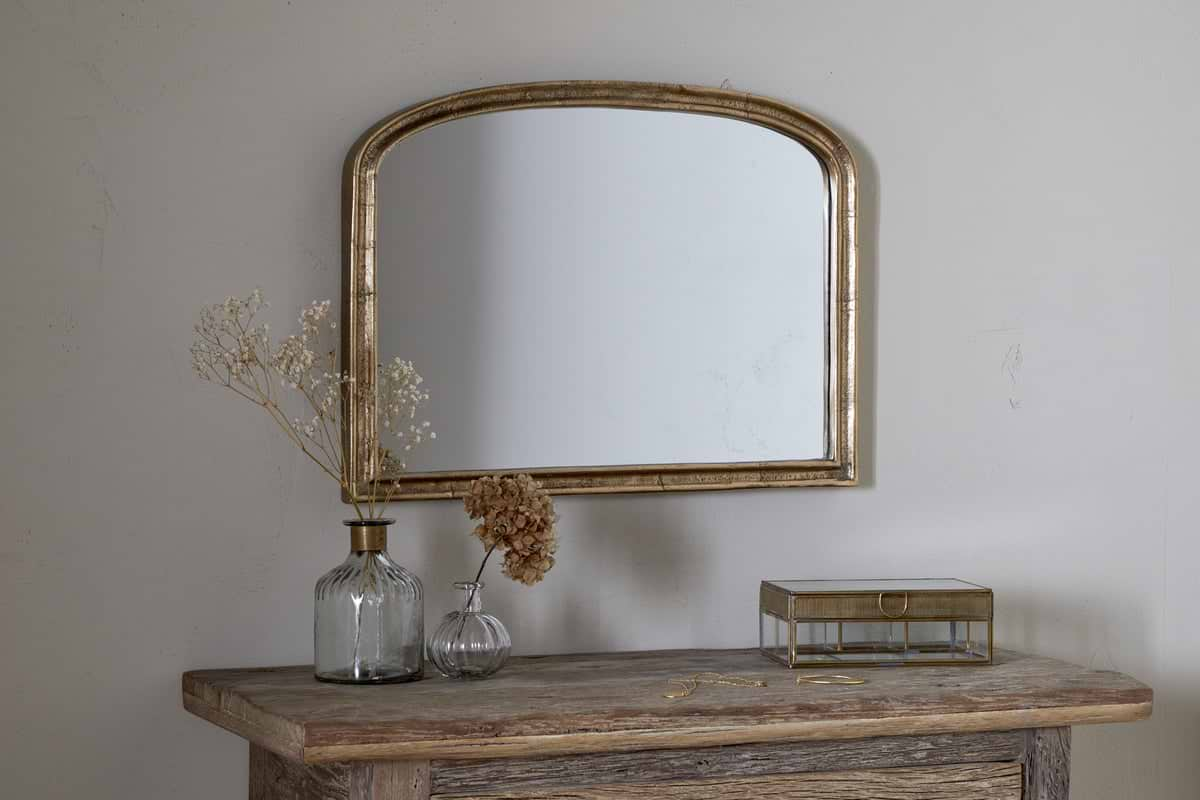
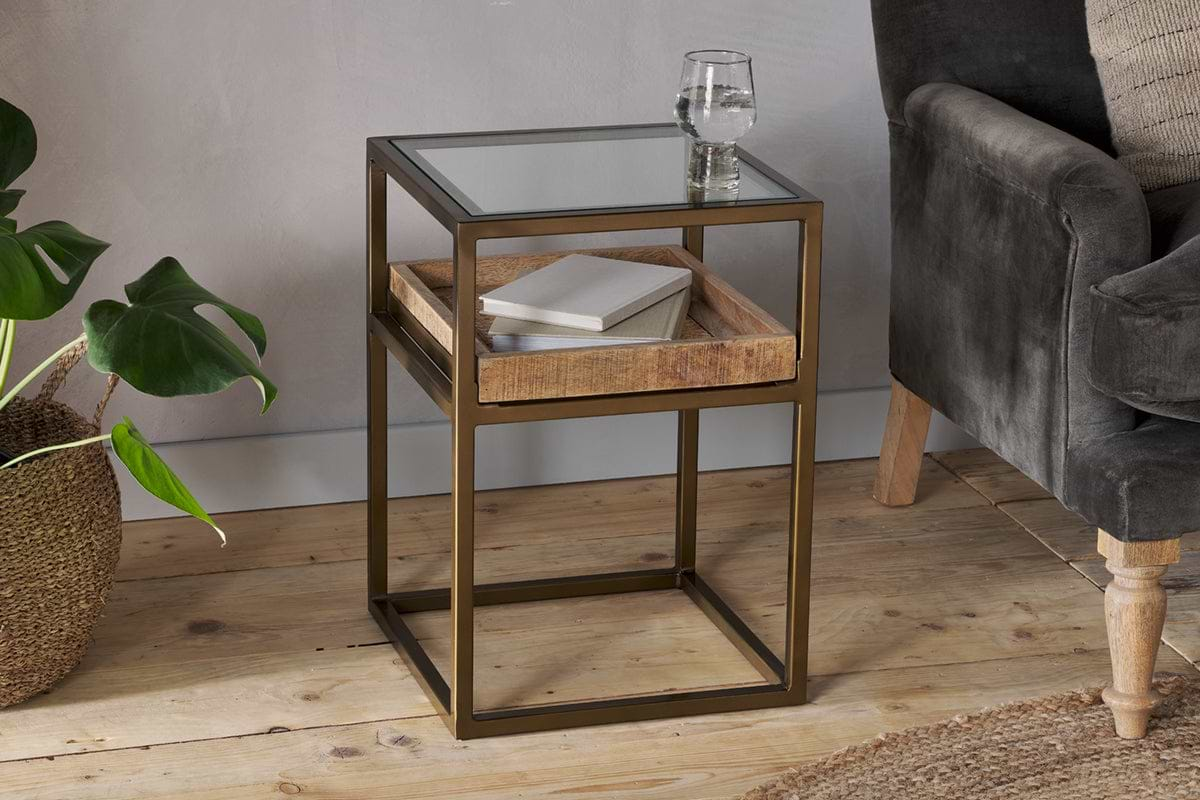
Luzon Side Table
Iron and mango wood with display shelf, small footprint, double function.
View at Nkuku →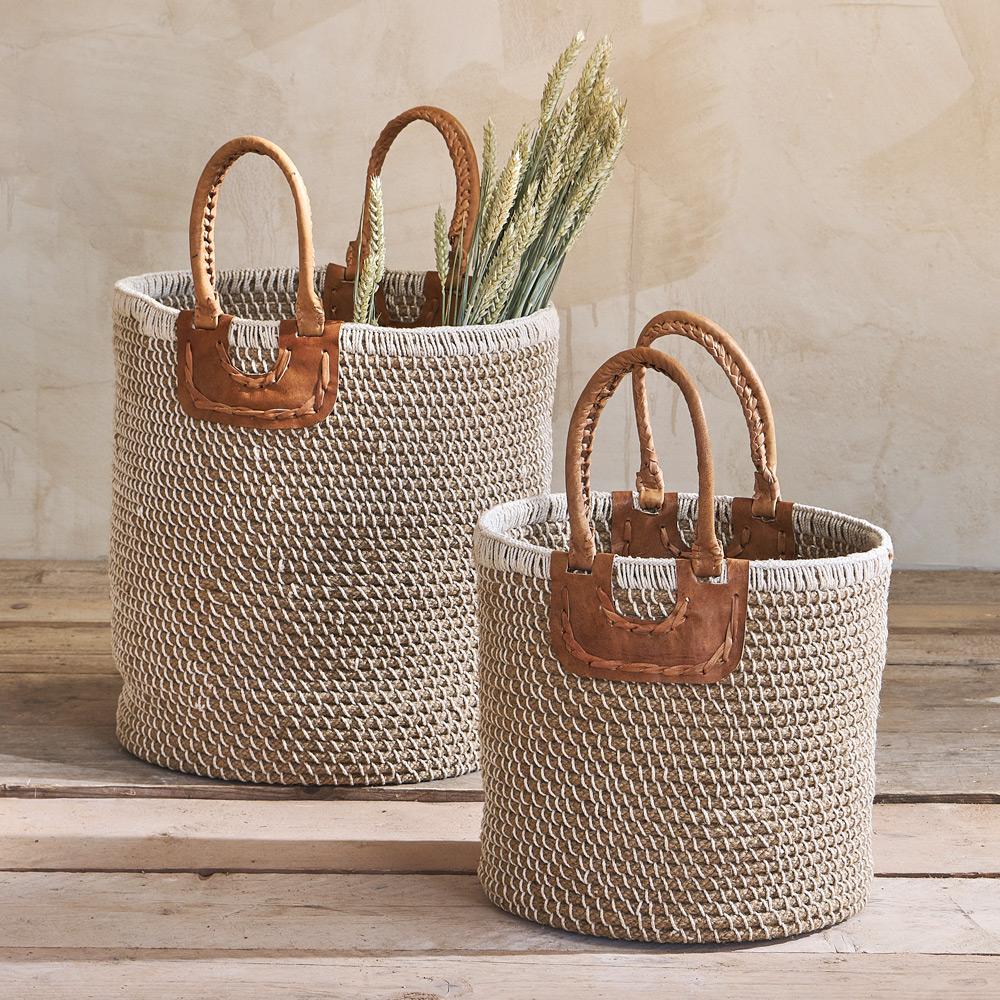
Indra Coil Basket
Natural coil weave, neat enough to leave out, large enough to hide clutter.
View at Nkuku →Some links above are affiliate links. If you buy through them we may earn a small commission at no extra cost to you. We only suggest pieces we think fit a calm, lived-in home.
Free guide
The Calm Shelf
12 styling ideas to help you compose calm, balanced shelves in natural texture homes.