
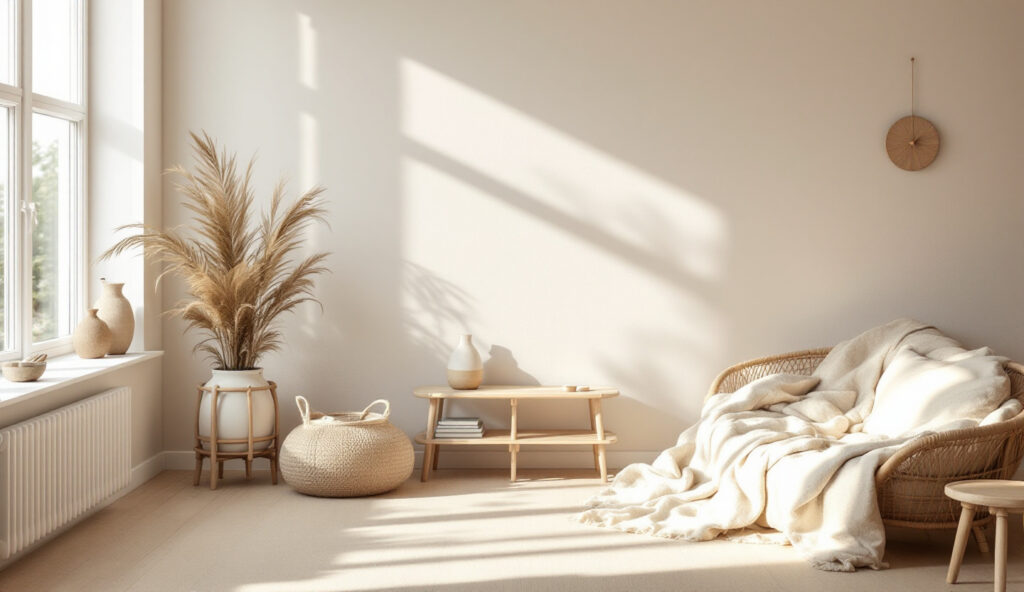
Bringing art deco home decor into a real living space usually means running into a puzzle: bold shapes and bright metal finishes can quickly make a small room feel busy, or a rental space look unfinished. Even classic features like geometric patterns or glossy woods can clash with soft lighting and the neutral tones that make a bedroom or den feel quiet. Anyone searching for a calmer, more personal space often wonders how to pull through touches of the 1920s without crowding out their own sense of comfort.
The shift is simpler than most guides suggest. Today, you’ll see how to pare back, pick out the right finishes, and control placement for a version of art deco that reads inviting, not cold or crowded. This works especially well for small bedrooms with low light when you focus on just one or two statement details because big contrasts help define zones and make the room feel finished.
The short version: Art deco home decor gives a quiet, intimate room depth by using one or two bold shapes—like a sunburst mirror or curved velvet chair—balanced with warm wood and soft light. The look feels calm when you repeat a metallic accent once, pick a single geometric pattern, and avoid crowding pieces.
Key takeaways
- An art deco room feels calm when you limit bold patterns to one surface or piece per space.
- Small rooms work best with one metal finish, such as brushed brass, repeated sparingly.
- Curved furniture softens art deco lines and keeps the space from looking harsh.
- Statement lighting gives the biggest effect in a quiet room when you pick a single dramatic source.
- Glossy finished wood and velvet both bring out the classic 1920s mood, according to Hammonds.

What is Art Deco—and what isn’t?
Art Deco is a style from the 1920s and 1930s Paris that uses strong shapes, bold patterns, and rich materials like glossy wood, brass, and marble. Unlike the fussier curved lines of Art Nouveau, true art deco home decor focuses on clear geometry, streamlined furniture, and visible luxury.
A small living room can feel dated fast if you mix up styles. Art Deco started at the 1925 Paris Exhibition, and, as reported by Hammonds, the term “Art Deco” was only applied decades later. It should never be confused with the fuss and floral detail of earlier decades.
The look stands out by using clear patterns: chevrons, zigzags, sunbursts, and stepped edges. A room with straight-legged sideboards and statement lighting quickly reads Art Deco, while filigree or carved flowers pull it away from that grounded feel.
Unlike stripped-down modernism, Art Deco always includes some reference to luxury. High-shine, smooth finishes work side by side with simple blocks of color; a soft velvet chair next to a metal lamp is a classic pairing. A room using matte black steel or rough concrete will not give the same mood, even if the furniture shapes look similar. Place a sunburst mirror at eye level on a plain wall for the purest introduction to this style.
Where this works best
Art deco home decor is easiest to use in small bedrooms, reading nooks, or compact lounges that need a focal point and a sense of order. Rooms with awkward built-ins or little natural light benefit most from its clean lines and glossy surfaces.
Flat rentals often come with boxy layouts and narrow doorways, making large art or heavy shelving feel out of place. Picking just one curved cocktail cabinet or a brass-railed side table pulls the eye and gives a room its own identity. Dark, rich wood or a marble top bounces light in small spaces, stopping the usual corner shadows from taking over.
Avoid using too many different finishes. A sideboard in glossy walnut looks thoughtful when paired with one sunburst mirror, but falls apart if you add copper, marble, and multiple colors nearby. In a soft, intimate room, pick one saturated color and one metal to keep the focus grounded. Try a velvet footstool near a window for a spot that feels calm but not stiff. For more ideas, see small space decor for subtle placement tips.
How do you use geometric patterns without adding clutter?
One geometric pattern—like chevron or zigzag—on a cushion, rug, or headboard is enough for most quiet rooms. Extra patterns stack up and look loud, but repeating a single shape makes the room feel thoughtful.
In a rental bedroom, a small chevron rug gives just the right amount of 1920s attitude. According to Hammonds, Art Deco favors strong geometric shapes for graphic impact. But a pattern on every surface—curtains, bedding, and lamps—distracts from what makes the room feel calm.
Chevron and zigzag are both staples of art deco home decor, but a lined chevron looks cleaner than the more restless zigzag in a tiny space. A sunburst mirror over a sideboard, next to plain linen curtains, feels much quieter than pairing patterned wallpaper with nearly any other motif.
Compared to maximalist looks, controlled pattern lets your eyes rest. A geometric design stands out best when it’s the only one in the room, revealing Art Deco’s order and luxury without crowding every wall. Use this rule especially in rooms where there’s not much floor space or in corners lacking natural focus. To make a pattern work, match it with one neutral color and give the rest of the surfaces space.
Which materials give Art Deco a quiet feel?
Three classic Art Deco materials—velvet, glossy finished wood, and brushed brass—set the quiet, grounded mood. Each one brings its own texture and softness without shouting for attention.
Velvet works because it soaks up light, making sharp shapes feel softer in a reading chair or pillow cover. Finished glossy wood, used on a sideboard or display cabinet, gives the room a gentle sheen and grounds corners that might otherwise feel neglected. A deep wood finish looks richer than bare pine but less severe than dark lacquer.
Brushed brass—less shiny than gold—reflects enough light to wake up a shelf edge or lamp base without feeling noisy. Unlike chrome, which often reads cold, brass pairs well with neutral stones and dark velvets. Hammonds highlights that Art Deco design uses luxury materials such as glossy wood and marble; both add depth and catch the eye.
Compared to plastic or very high-gloss metals, these three materials look and feel softer. Group them on a single surface, such as a sideboard top with a marble tray, velvet trinket box, and a slim brass lamp. This is how a small bedroom or den gets warmth and the finish never looks forced.

How do curved forms make a room feel more intimate?
Curved furniture—rounded sofas, barrel chairs, or arched lamps—softens the graphic look of art deco. A room with sharp angles and bold patterns will always feel less inviting than one with a few curved shapes.
A reading corner stacked with rectangles or straight legs can feel stiff or formal. Adding a curved cocktail cabinet or a velvet ottoman with a rounded edge breaks up lines and gives the eye a softer path to follow through the room. The result is a space that feels more personal and relaxed, even if finishes stay glossy and bold.
Unlike hard-cornered furniture that defines strict zones, curved elements suggest movement and flow. A half-moon table against the wall softens a tight hallway. In a living room, two rounded armchairs grouped near a brushed brass lamp make conversation spots more welcoming. Try placing curved pieces where natural walkways break up—at the foot of a bed or beside a shelving unit.
Compared to all-square layouts, bringing in curves stops the space from looking too formal. Rooms that use one arched mirror with only boxy storage will feel balanced, but not stiff. Look for accent furniture that brings a soft touch to a geometric pattern.
Styling and placement
Quiet Art Deco rooms work best when you limit bold details to one or two per view, ground the look with natural textures, and leave clear breathing space around standout pieces.
Start by anchoring the main wall with a single piece—a sunburst mirror or marble-topped sideboard. Clutter often builds up when colors and metals stack together, so give every feature an open zone around it. A velvet chair against a blank wall feels like a choice, not an afterthought. Pair a wooden home decor accent with one metallic lamp—any more, and the eye doesn’t know where to settle.
Use soft lighting—one pendant or a sculptural floor lamp—close to the main focal point. A room rarely needs more than a couple of strong shapes. Clean lines keep everything visible, but not overpowering. Contrast comes from repeating metals once or twice, never more. Unlike layering pattern on pattern, this cuts visual noise.
Quick calm checklist:
- Keep one surface mostly clear—use just one bowl, tray, or lamp.
- Pick a main color, one neutral, and let wood or brass count as accents—avoid the urge for more.
- Anchor the view: place the boldest shape at eye level (mirror, lamp, or geometric print).
- Give at least a hand’s width of open space between standout objects and walls for breathing room.
- Use matte or brushed over super-shiny metal to keep glare down in small or low-light spaces.
In open plans, visual gaps between sideboards, mirrors, or pendants keep each piece defined, even when sharing a wall. Spread out the details instead of clustering them. The result is a calm, balanced atmosphere that feels both designed and comfortable. For more, see natural materials for grounding.
How do you avoid mistakes with Art Deco at home?
Avoid crowding too many shiny, bold elements together—one or two statement pieces per room keep things calm. Too much pattern, color, or reflective surface will make even a large space feel unsettled.
A bedroom feels finished with a statement headboard and one metallic lamp, but adding patterned wallpaper and extra mirrors makes the room feel restless. Common missteps include mixing real and faux metals, stacking patterned cushions, or pairing both chevron and zigzag at once.
Compared to quieter styles, Art Deco leans heavily on contrast, but pushing that idea too far creates a look that’s busy instead of striking. An all-over approach—mirrored side tables, glossy furniture, patterned rugs—overloads the eye and leaves nowhere to rest. Instead of filling shelves, select only a couple of high-impact accessories, as recommended on Decor8. Focus on impactful accessories: a sunburst mirror, gold-framed print, or geometric candleholder will speak louder than a crowded mix.
Swap out unnecessary extras and stick to two or three strong details spread out across the room. A good rule: a statement lighting piece works best when it’s the only strong light source. Watch for visual weight rather than item count. For ideas about thoughtful display, check sideboard styling as a subtle way to frame bold pieces.
Art Deco accents that stay calm over time
After seeing many reader photos and decorator advice, the strongest art deco home decor blends keep to either a single standout material—one sunburst mirror, one velvet bench—or a repeated color or shape, not both. Most reviewers agree that matte or brushed brass gets recommended for bedroom or lounge hardware, because it feels softer and fits better with natural wood. Sunburst mirrors and geometric prints get called out often as details that carry the whole style without needing more.
Matte or low-sheen wood wears best over time; glossy finishes look luxurious, but can show dust and streaks quickly if placed near windows or heavy-use spots. Keeping things pared back lets each piece work harder for the room. The result tends to feel airy, steady, and not weighted down.
— Mara, Loom & Glow
Common questions
What is Art Deco-and what isn’t?
Art Deco is a style from the 1920s and 1930s Paris that uses strong shapes, bold patterns, and rich materials like glossy wood, brass, and marble.
How do you use geometric patterns without adding clutter?
One geometric pattern-like chevron or zigzag-on a cushion, rug, or headboard is enough for most quiet rooms.
Which materials give Art Deco a quiet feel?
Three classic Art Deco materials-velvet, glossy finished wood, and brushed brass-set the quiet, grounded mood.
Explore more calm combinations inside our Shop The Look .
Shop the Look
A handful of Nkuku finds with the warm geometry and rich materials that suit an intimate Art Deco room.
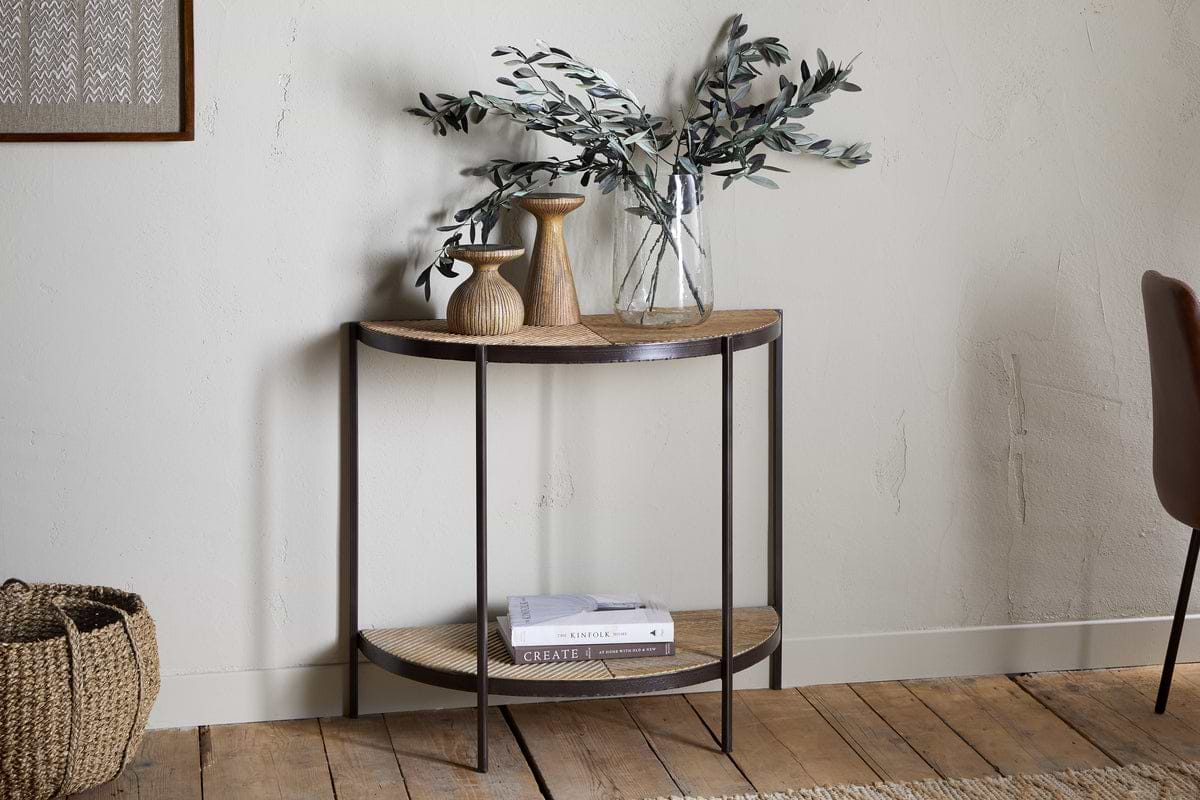
Aasha Console Table
Half-moon silhouette in mango wood; anchors entryways and narrow walls.
View at Nkuku →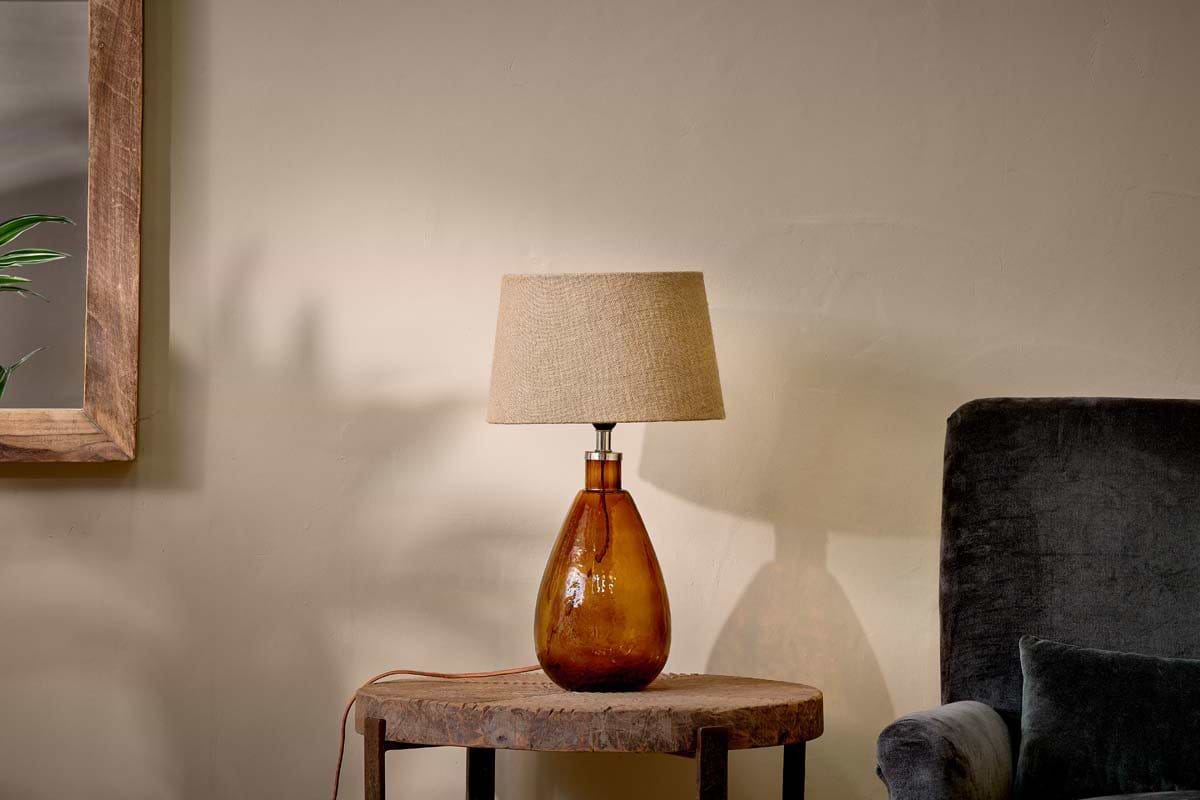
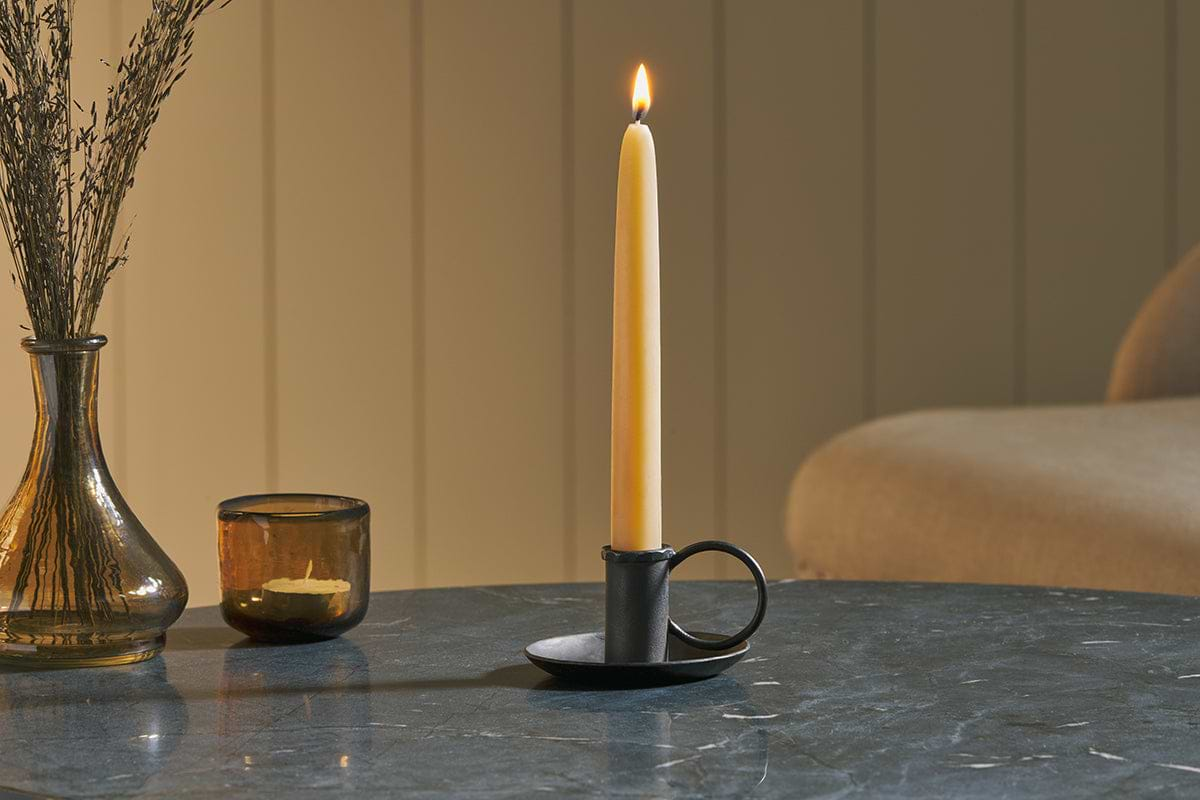
Amri Iron Candlestick
Slender iron with quiet presence, works alone or in clusters of three.
View at Nkuku →Some links above are affiliate links. If you buy through them we may earn a small commission at no extra cost to you. We only suggest pieces we think fit a calm, lived-in home.
Free guide
The Calm Shelf
12 styling ideas to help you compose calm, balanced shelves in natural texture homes.