

In many homes, the search for calm starts with clearing clutter but quickly runs into another problem: an overload of options. Browsing a home decor shop online makes it easy to fill a space with pieces that catch your eye but do nothing together. It’s simple to buy more, harder to land on what settles a room.
Today, you’ll see how to filter out noise, spot what’s worth keeping, and choose natural, unfussy materials that work with your space. This works especially well in a rental kitchen when storage is tight because a single strong piece, like a lidded basket on a shelf, anchors the look and cuts visual clutter fast.
The short version: The easiest way to use a home decor shop online to create a focused, calm room is to choose a few natural materials and repeat them in small, useful ways. Browsing slowly and keeping a clear palette helps every piece look considered. The real difference is choosing less, not more.
Key takeaways
- A home decor shop online is most useful when you filter by material and finish first, not by trend.
- Natural textures, cotton, linen, wood, steady a room and wear well in high-traffic areas.
- Photography that shows true grain, weave, or finish gives a better sense of what you’ll live with daily.
- Handmade details matter more on surfaces you touch, like baskets, cushions, and throws.
- High-street brands often look uniform, shop independent for less predictable shapes and finishes.

What defines a good online home decor shop?
A good online home decor shop makes it easy to spot quality by showing clear photos, listing real materials, and keeping the range focused. Fewer, better-edited options help you find what works together.
A shop that focuses on natural, durable materials saves time when you want a calm look. Most mass-market sites show hundreds of vases or mirrors, but a thoughtful shop gives you just a handful, each with close shots of the grain, glaze, or texture. This lets you compare real finishes, not just shapes.
Photographs matter. Flat, overlit product photos can make a wood bowl or linen cushion look cold or rigid online. Good shops show soft light, real shadows, the fabric looks the way it will on your own shelf or bed. You can usually trust a product that looks gentle and grounded even on a screen.
Unlike sites with every color and option, the best shops group objects by feel. Chalk & Moss, featured in Elle Decoration, is known for focusing on homeware with a nature connection, so every wood, clay, or linen piece looks at home with the next. A bowl of dull white porcelain on a shelf does more than a busy tray of novelty pieces ever could.
Choosing a focused shop gives your eye less to juggle, making every pick easier to see in your own rooms. For a small flat with open shelving, a site that edits for material and feel, like cotton, rattan, or stone, makes it simple to pull the room together.
Where this works best
Rooms with less natural storage or more open display benefit most from careful online homeware shopping. A clear editing approach prevents shelves and surfaces from looking busy.
Dens, kitchens, and small apartments all see the effects of clutter quickly. Short on cabinets, you rely on open shelves or wall hooks. In these cases, a careful choice matters. One woven basket, a salt pot, or a sturdy linen tea towel will see constant use and always show. With fewer places to hide things, surface items set the tone. When you shop, look for home accessories with details that improve over time, like touchable weaves or imperfect glazes.
Avoid buying in multiples just because options are low-cost. One solid wooden vase on a ledge feels grounded, but five in mismatched finishes look scattered. On a nightstand, a handmade clay bowl holds more presence than a cluster of factory accessories. Play with simple contrasts: a rough rattan tray makes a glossy lamp look softer.
Focus works best when distractions are low. In a tight hall or windowless bathroom, even one well-chosen candle holder or mirror keeps the space from looking neglected. Natural materials help these areas avoid feeling cold or temporary. A heavy cotton hand towel holds its shape, unlike synthetic, and feels better after each wash. Place a strong piece where you see it coming and going, like next to the bed or inside the front door, so it grounds the flow of the room.
How do you recognise real natural materials?
Real natural materials reveal their texture in clear close-up photos and are usually named in plain language on the product page. If you can see irregular grain, slub, or a visible weave, you’re on the right track.
Online photos are your first clue. A photo that shows the uneven surface of oak, or the soft crumple of washed linen, tells you the piece has been left natural, not disguised with heavy varnish or synthetic blends. Sites like Home Decoration World specialize in long-running textile lines and usually note fiber content right up front.
The listing details matter. “Solid oak,” “pure linen,” or “100% cotton” are specific terms. Compare this to ambiguous claims like “wood effect” or “linen look”, those tend to mean imitation. Unlike vinyl or plastic, genuine rattan or jute gets small nicks and scuffs over time, making it softer, not ruined. Texture often shows in dark corners, not just in direct light.
Synthetics tend to reflect harsh silver light in product photos. By contrast, a waxy candle in natural beeswax glows with a muted finish, not a sharp one. Most long-wearing throws and cushions are made with cotton or linen blends because they breathe and soften with age according to Habitat.
Use this rule: a material with slight variation or “slub” is more likely the real thing. Choose those visible details for pieces you’ll touch or see up close, like a cushion on the sofa or tray by the bed.
Styling and placement
A single homeware object in every zone, on a shelf, by the bed, at the entry, looks settled when materials repeat and shapes don’t clash. Spacing matters more than matching sets.
Spaces with open shelves or low tables collect clutter fast. Grouping everything in one place makes the room look busy, but spreading a few pieces, a linen runner, a wooden bowl, a small rattan box, keeps things intentional. One rule of thumb: a floating shelf looks finished when about two-thirds of the length remains clear. Stack books flat beside a soft basket, not above it.
Some contrast helps materials stand out. Compared to a surface covered in objects, a ledge with just one glass vase and a clay candle holder feels lighter and easier to clean. Heavy, dark pieces sit best near the floor; lighter shapes go higher up. Repeat a material once per room, a cotton throw on the sofa, then again as a tablecloth nearby, so the eye sees a pattern instead of a jumble.
Room function matters. In a kitchen, put storage baskets where you reach for them, deep under the table or at the end of a shelf. Bedrooms need fewer surfaces overall, choose just one anchor piece, like a lidded basket for night creams or a hand-thrown bowl for rings. Unlike most accessories, trays can move between zones as needed.
Quick calm checklist:
- Stick to 2-3 materials across shelves or surfaces (cotton, oak, rattan).
- Leave space between objects, crowding breaks the flow.
- Keep the color palette to soft tones, one accent per room.
- Counter a sleek or sharp-edge piece with a woven or rounded accessory.
- Let one item per zone be a handmade or textured focal point.
A grouped set on display feels heavy, but a single bowl or vase on a shelf draws focus. Put your softest or warmest-feeling piece where you touch it the most, like the cushion where you read or the throw you reach for when the window’s open.

Is handmade worth it for daily use pieces?
Handmade homeware, especially in high-touch items, usually wears better and feels more special because it shows repairs and holds shape with use. For things you handle often, handmade lasts longer and stays satisfying.
Handmade accessories like baskets, bowls, and throws show you real signs of craft, coarse stitches, uneven edges, or tool marks. On a shelf or entry bench, these details read as warm instead of flawless. Most factory pieces look identical; handmade options have small imperfections that help them wear in, not out. Over time, a clay mug or woven basket only becomes softer, while machine-made pieces start to look battered.
For kitchen work, a hand-thrown bowl will take knocks better than a mass-market dish. On a living room shelf, a roughly woven planter stops a space from feeling stiff, even alongside more polished wood or glass. Tatton Home’s collection of seasonal accessories, like crackle glass baubles or small porcelain decorations, are common finds in homes that want a gentle touch. According to Tatton Home, these handmade details remain in stock year-round due to constant demand.
Unlike mass-produced metal or glass, clay and soft wood pieces don’t compete for shine. Pick handmade for things you’ll use or see up close; for occasional pieces, a tried-and-true factory bowl or candle holder is easier to clean. Place your most timeworn object where it catches hands, not just eyes.
| Material | Handmade Strength | Mass-Produced Alternative |
|---|---|---|
| Linen | Softens with washing, keeps shape | Looks crisp at first; pills quickly |
| Clay | Durable; chips add character | May crack or break cleanly |
| Rattan | Loose weave adds warmth | Uniform but less flexible |
Choose handmade where the piece will get touched daily: by the entry door, next to the sink, or as a bedside catch-all. Here, small flaws feel honest, and repairs just become another feature.
When is a high-street shop a good choice?
Well-known homeware brands are reliable for basics like plain cushions, simple glassware, and stackable plates, especially if you need to match a room fast or replace a lost piece.
High-street shops, think Habitat or Style Our Home, offer broad ranges and restock often. You’ll find essentials sorted by category, with most vases, throws, or mirrors available in classic shapes and colors. Their biggest strength: the palette stays neutral, so you can buy new covers or kitchen textiles in a pinch. Habitat provides home accessory ideas categorised by product type, making it easy to pick out a linen runner or glass storage jar without sorting through bright or distracting patterns.
Unlike specialty shops, the high-street formula is about uniformity. Mass-market glass jars, for example, all stack neatly with little visual difference, a calm feature in a cluttered pantry. Still, most online brands restyle product lines yearly, so if you want an object with character or weight, look for older stock or “heritage” collections.
Choose these sites for basics: plain cotton towels for a guest bathroom, affordable planters for a row of kitchen herbs, a stack of napkins for a family table. For statement pieces, single out one item with a bit more heft or a subtle detail, a matte glaze, a wooden handle, that signals durability. Everyday basics go in high-traffic spots; reserve “special” pieces for quieter areas where they’ll be noticed.
How to avoid overwhelm as you browse
Filtering by material and color before you look at shapes keeps an online shop from feeling endless. Setting boundaries means you reach for only what fits, not just what’s trending.
Scrolling through a home decor shop online can stretch on for hours if you approach with no plan. Start with a limit: choose two materials, like oak and linen, or two shades, and ignore the rest. This immediately cuts hundreds of options to a few rows, so you only see the possibilities that fit your room’s base palette.
Most shoppers get stuck after adding too many “maybes” to the basket, ending up with items that don’t settle together. Unlike a physical shop, where you see objects side by side, online buying hides how one fabric looks next to another. Setting a soft tone by style, searching only “rattan” or “neutral”, gives you accessories you can actually layer easily.
If you feel lost, pick one mood anchor per room, a heavy throw in the living area, a woven tray for the hallway, a single mirror on a bedroom wall. Removing old, bright or shiny pieces creates clarity fast: the room feels lighter, and it’s easier to style the rest.
To stay focused, ignore homepage trends and skip to curated collections from trusted stores. Style Our Home stocks calm “Warm Embrace” pieces for this reason. A home decor shop online with a set palette in every photo gives a steadier browsing experience than one packed with seasonal brights and flash sales.
The shift often comes when someone notices the room never looks settled, throw cushions float across the sofa, kitchen counters are always half-covered, or baskets seem to multiply without actually holding what you need. It can feel like the more you shop, the less finished the room gets. The right call is editing back: pick one piece, give it space, and notice how the mood changes day to day.
The common mistake is thinking another new item will “fix” the feeling. Most homes end up with too many small containers, or stacks of objects that don’t go together, leaving rooms busy or awkward for months. Clearing out or relocating just one set of mismatched storage jars makes the entire shelf read as calm, no extra styling needed.
Once the right material or piece is in place, movement and noise seem to drop: you pause, touch, and use what’s there instead of scanning past it every morning.
Save this idea for later.What tends to hold up with shopping for calm online pieces
Designers and reviewers both mention that shops earning the most trust keep their ranges simple and their product images honest. Photographs where you can see how a linen curtain puckers, or how grain runs on an oak tray, make it much less likely you’ll get something that feels off once unpacked. Matte finishes get recommended again and again for high-light rooms, since they hide dust and let the form, not glare, stand out.
Handmade baskets, cushions, and bowls usually age better because repairs or scuffs add to, rather than take from, their look. This is something seen in the feedback for shops that prioritize small-batch or handmade lines. It’s not about perfection; it’s about texture, weight, and changes that feel human over time.
, Mara, Loom & Glow
Common questions
What defines a good online home decor shop?
A good online home decor shop makes it easy to spot quality by showing clear photos, listing real materials, and keeping the range focused. Fewer, better-edited options help you find what works together. A shop that focuses on natural, durable materials saves time when you want a calm look.
How do you recognise real natural materials?
Real natural materials reveal their texture in clear close-up photos and are usually named in plain language on the product page. If you can see irregular grain, slub, or a visible weave, you’re on the right track. Online photos are your first clue.
Is handmade worth it for daily use pieces?
Handmade homeware, especially in high-touch items, usually wears better and feels more special because it shows repairs and holds shape with use. For things you handle often, handmade lasts longer and stays satisfying. Handmade accessories like baskets, bowls, and throws show you real signs of craft-coarse stitches, uneven edges, or tool marks.
When is a high-street shop a good choice?
Well-known homeware brands are reliable for basics like plain cushions, simple glassware, and stackable plates, especially if you need to match a room fast or replace a lost piece. High-street shops-think Habitat or Style Our Home-offer broad ranges and restock often. You’ll find essentials sorted by category, with most vases, throws, or mirrors available in classic shapes and colors.
Explore more calm combinations inside our Shop The Look .
Shop the Look
A few Nkuku pieces that help a home feel intentionally calm.
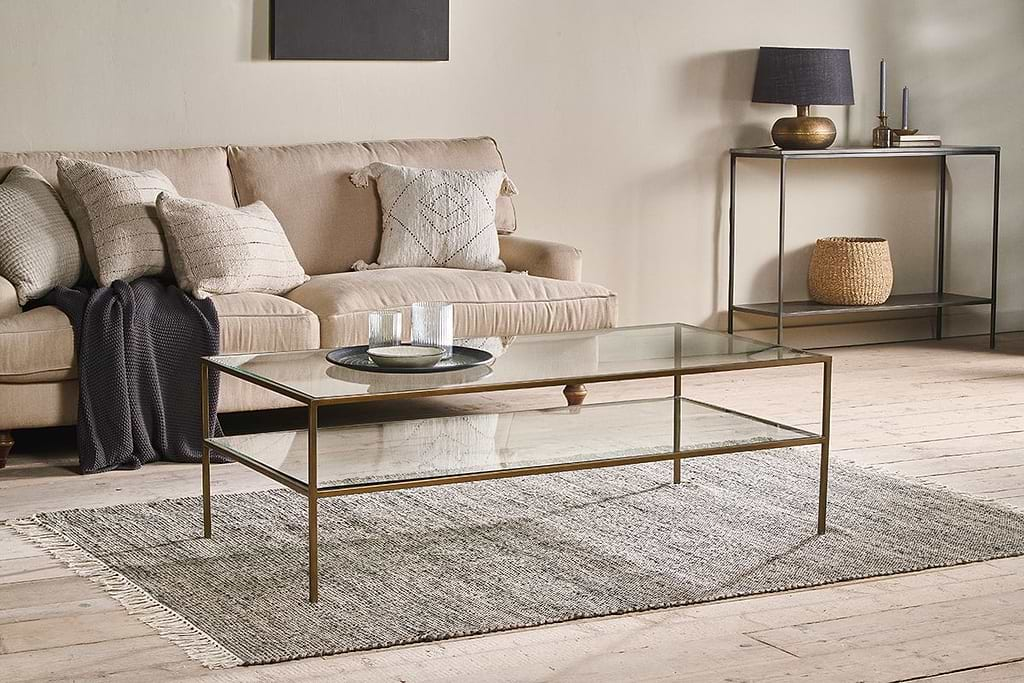
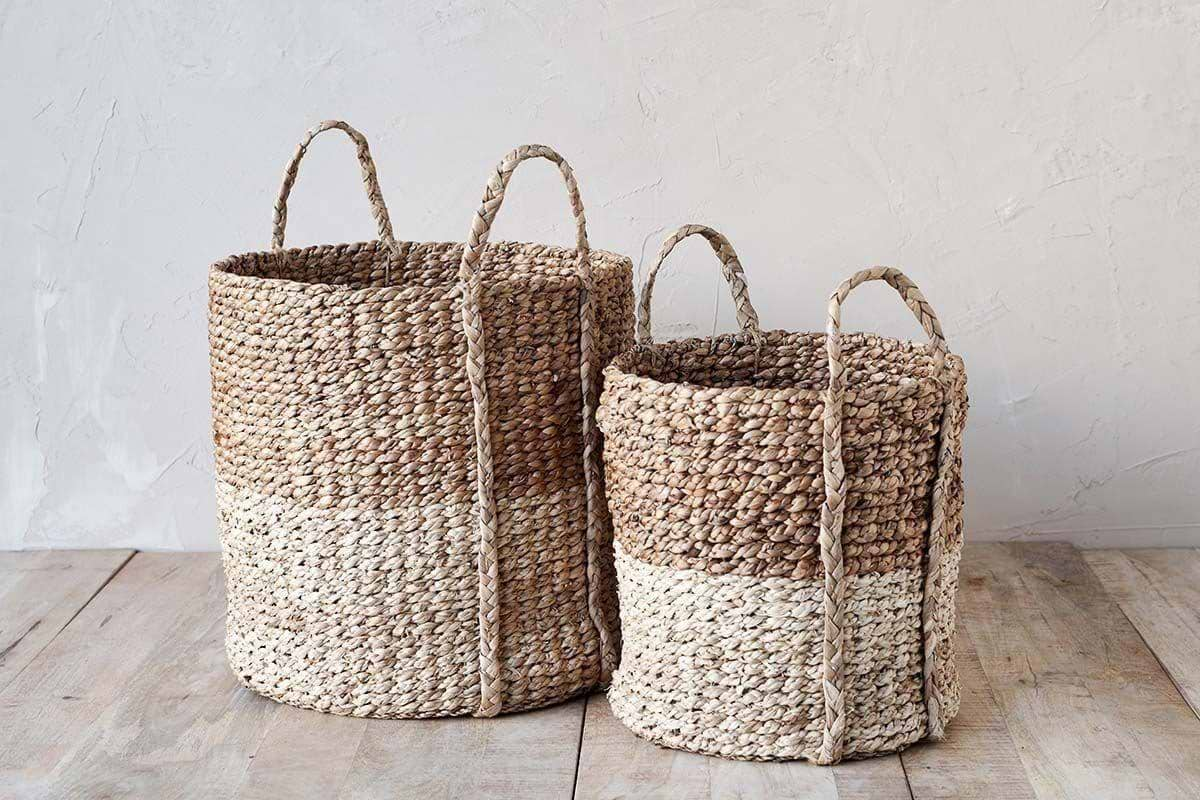
Nkomi Basket
Woven storage with a calm silhouette, works open or tucked under a console.
View at Nkuku →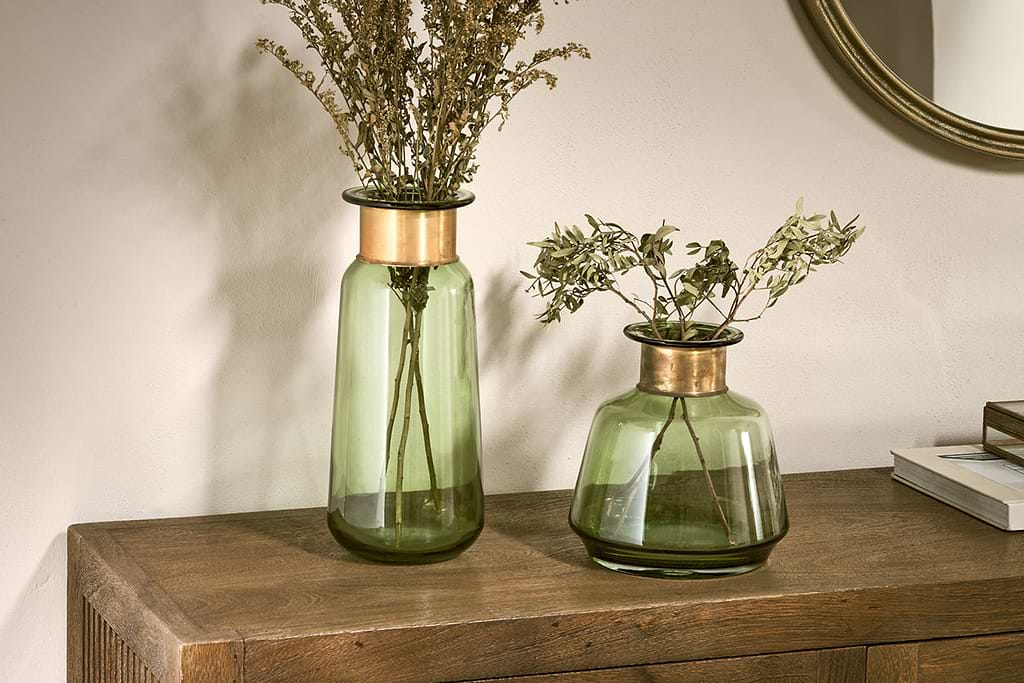
Some links above are affiliate links. If you buy through them we may earn a small commission at no extra cost to you. We only suggest pieces we think fit a calm, lived-in home.
Free guide
The Calm Shelf
12 styling ideas to help you compose calm, balanced shelves in natural texture homes.