
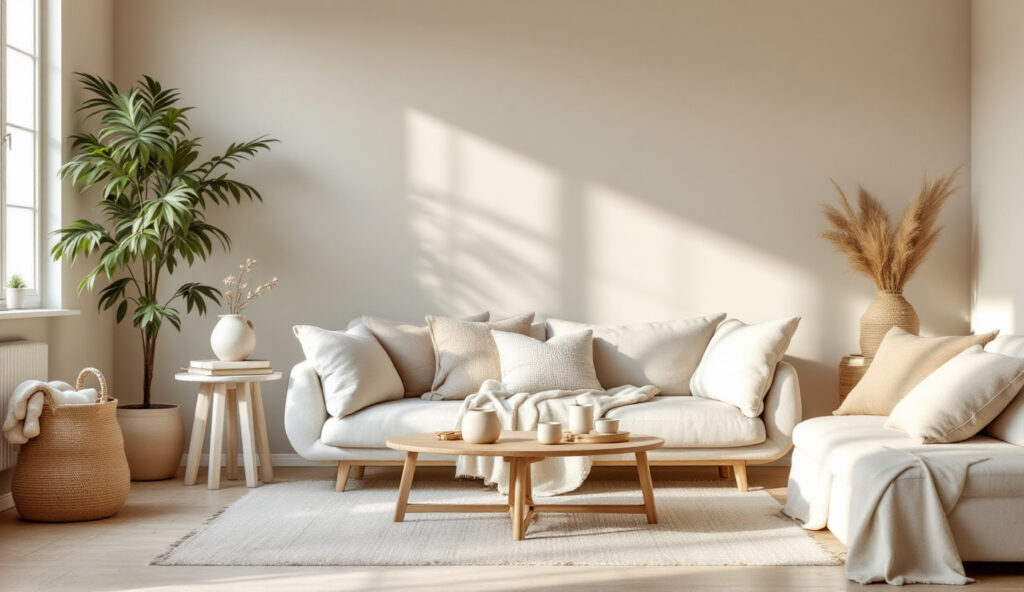
Every design-conscious renter knows the fear: a black melamine shelf is easy to install, but in a small flat or low-light room, it often looks too solid and heavy against pale walls. Instead of adding smart storage, it draws the eye, casts a shadow, and breaks up calm lines. Even styling with favorite objects sometimes makes it feel cluttered or awkward.
There is a simple way to fix this. We’ll walk through what to keep, what to remove, and how to use natural textures and practical placement. You’ll learn which small shifts make a shelf look lighter, not crowded or stark. This works especially well in a compact living room when your only wall is bright white because the right styling tricks soften the contrast and help the shelf fit into the room.
The short version: A black melamine shelf looks lighter if you pair it with pale, textured objects and keep at least half of the surface open. Simple tweaks, less clutter, more texture, one or two soft contrasts, help the shelf blend in, not dominate. These choices make the room calmer and the storage work better.
Key takeaways
- A black melamine shelf always feels heavier when packed edge-to-edge with objects.
- Light-colored, textured items break up the solid surface of dark shelving.
- Leaving open space on a shelf changes how strong or weak it looks against the wall.
- Black melamine comes in gloss, matt, and wood grain finishes, each reflecting light differently (source).
- Mixing natural materials with black shelves helps the room feel lived-in, not stark or cold.

What is black melamine? (The basics without jargon)
Black melamine is a type of engineered board with a tough, colored resin surface, used for easy-care shelving that doesn’t cost much or need sealing. It’s widely used because the finish is instant and wipes clean, but the solid color can appear flat compared to real wood.
Many rental homes have black melamine shelves or cabinets because they are practical and cheap. The surface is a hard layer bonded to particleboard or MDF, creating a uniform, durable color all the way across. With no grain or knots, this finish stays the same year after year, which makes it easy to match for new shelves or repairs.
The flatness of a black melamine shelf is what gives it strength, but also what can make it seem out of place in rooms with a lot of texture. According to GATE DIY Supplies, black melamine is sold in several finishes, including matt, gloss, and a wood grain pattern known as Black Ash, so you can pick a look that reflects or softens the light.
Unlike painted wood, melamine can’t easily be sanded down or refinished. If scratched, the surface can show wear more obviously, so, compared to plywood or solid timber, it needs careful handling on edges and corners. In a low-light room, a black gloss finish will show more fingerprints and light bounce, while a matt or wood grain surface feels quieter on the wall.
When you use a shelf like this in a home office or a hallway, its ability to keep clean is a strength. Place it where you need hardy storage without worrying about spills or dust marks, but know that softening the look may take a little planning.
Why does a black shelf feel so heavy on the wall?
A black shelf always seems heavier than a pale one because it absorbs more light and draws a hard outline against most walls. Even a thin shelf can look thick or bulky if it’s too dark for its space.
In daylight, a white shelf almost disappears, while a black melamine shelf forms a strong line and casts a small shadow. Some renters notice the room seems narrower after mounting even one of these. Most of the effect comes from two things: the amount of light the shelf surface absorbs, and the sharp contrast between the shelf edge and a pale wall.
Compared to lighter or wood-grain options, a plain black shelf stops your gaze, especially if wall paint is off-white or soft grey. Pale objects fade away against white walls, but on black, even a small ceramic pot jumps out, which can make the shelf feel loaded or overly busy. A single block of black also collects dust and smudges; on a glossy finish, every fingerprint shows.
If your room feels crowded after hanging a black shelf, usually it’s the edge lines and lack of texture making it look denser than it is. Setting a single plant or light basket on the surface balances out the heaviness and breaks up those sharp contrasts.
Try placing a black shelf in a hallway with pale walls. Once you style it with a few softer, lighter pieces, it won’t pull all the light out of the space.
Where this works best
A black melamine shelf suits compact rooms, entryways, and spots where you want storage without the look of bulky furniture. This choice works for renters and homeowners who need easy installation and simple cleaning.
Living rooms with one long wall, small dining nooks, or bedrooms with awkward closet spaces are all places where a dark shelf provides useful storage without blocking floor area. In a home office, a black shelf can double as a calm drop zone for mail and keys. If you have open floor plan or a rental with strict decor rules, floating melamine shelves are adaptable and work for temporary solutions.
Placing this type of shelf above a desk, by the front door, or near a kitchen pass-through helps keep things tidy and off counters. Darker shelving can look more built-in in a kitchen with dark counters, whereas in a room with pale floors, it serves as a small anchor without weighing down the space.
Avoid mounting a black shelf in a north-facing or poorly lit corner, because the color will seem heavier and close up the space. Instead, use it on a main wall that gets at least some daylight, or where you can add an overhead source like a wall sconce. If your shelf must go in a low-light spot, style it with lighter, rougher objects to draw the eye up and away.
To make the most of a black melamine shelf in a bright room, cluster objects in odd numbers and limit dark accessory colors.
How do you style a black melamine shelf to look lighter?
To lighten a black melamine shelf, use fewer, larger objects in natural colors, add at least one textured piece, and keep at least one-third of the shelf clear. Simple combinations look deliberate, not crowded.
Start by picking three types of objects: one plant or vase in off-white or pale green, one woven basket or natural wood box, and one small stack of books or a stoneware bowl. Lighter and textured items stand out, but their softness breaks up the dark flatness of the melamine. On a gloss shelf, a ribbed ceramic pot bounces light and makes the surface feel less blank.
The shelf should never be packed: following the “rule of thirds” means leaving open space on either side of the main cluster, so the objects look calm, not busy. You can shift the arrangement as seasons change, a dried grass bunch in summer, a soft brown mug in winter.
Unlike glass or pale laminate shelves, dark melamine needs contrast. A bare shelf reads colder than one with a soft linen-lined tray. The pattern that works best is pairing opposites, hard with soft, dark with light, smooth with rough.
In a narrow hallway, try hanging the shelf at eye level with a light wood frame above it. Place a single pale bowl and a bundle of keys or small books on the shelf to highlight the line without overwhelming it.

Styling and placement
Good styling relies on the shape and finish of what you put on the shelf; keeping gaps between items matters as much as the choice of color. Natural materials in soft shades help mute the effect of black melamine.
Think about spacing. When objects are too close together, the shelf turns into a single block, which can make the room feel smaller. If you spread objects unevenly, with at least one open gap wider than a closed fist, the shelf will look more relaxed and less crowded. A calm shelf is one you can dust easily, not one that risks knocking something over with every reach.
Materials matter. Wicker, clay, raw linen, pale rattan, and hand-finished ceramic hold their own visually next to the hard, solid look of black melamine. A soft, off-white lampshade above or beside the shelf will lift the eye and stop the shelf from reading as a solid band on the wall. Compared to plastic or shiny metal, natural surfaces offer a contrast that feels lived-in rather than cold.
For a snug corner or small bedroom, keep the surface area mostly clear, a stack of two or three books, a single sprig in a glass, and a shallow bowl for jewelry is enough. If you add a mirror or artwork just above, the whole arrangement feels lighter and more open.
Quick calm checklist:
- Keep at least one-third of the shelf clear.
- Use pale, textured objects (ceramic, linen, jute) for contrast.
- Space items unevenly rather than in a straight row.
- Mix at least two natural materials, like wood with stone or fiber.
- Skip glossy accessories, choose matte or soft finishes.
Try this setup in an entryway: add a small tray for keys, a rough-cut stone or pebble, and a loosely folded linen napkin. Light from above or a side window will keep the area feeling open, never closed in.
What should you avoid when decorating a dark shelf?
Over-filling a black melamine shelf or using too many shiny or black objects can make the shelf area feel boxed in and visually noisy. Skip tiny trinkets or multiples of the same color next to the shelf color.
Grouping small, dark objects or tech clutter together creates a heavy stack, especially in rooms with low light. Unlike a white shelf, where pale or see-through pieces fade back, a black shelf throws every item into sharp relief. Too many high-gloss ceramics reflect light unevenly, signaling chaos not calm.
Common mistakes include lining up objects edge-to-edge with no space in between, crowding books upright with dark spines, or using all small accessories at once. A shelf like this needs variety in height, shape, and tone to break the flatness. Even two bright items are better than four dark ones in a row.
If you find your shelf looks busy or like clutter, take everything off. Reset with just three objects, one with warmth, one with shape, and one that’s neutral and tactile. See how quiet it feels before adding anything else back.
In a rental kitchen, consider only glass, pale crockery, or light utensils on black shelving. If you work from home, keep only the essentials on view, a matte notebook and a cloth pen cup, leaving the rest for closed storage.
How do materials and finishes change the feel?
Switching between gloss, matt, or wood grain black melamine changes how much light the shelf bounces and how soft or flat it reads in a room. Mixed textures, like stone or linen, cut the hardness of the melamine surface.
According to GATE DIY Supplies, black melamine comes in three main finishes: gloss, matt, and a wood grain effect called Black Ash. Gloss reflects more light but shows fingerprints and dust. Matt has a softer, powdery look and hides small marks, making it a better fit for living spaces with kids or regular handling.
Compared to MDF painted black, melamine’s surface is harder to touch and doesn’t absorb moisture, so you can wipe it clean. In a kitchen or bathroom, choose wood grain effect for a bit of warmth; in a study, matt finish keeps glare off books and monitors. Compact laminate shelves with black cores and thinner profiles (often around 13mm) are also available if you want something slimmer without the edge bulk found on most melamine boards (source).
Unlike natural timber, black melamine won’t get patina or fade. If you want the calm look of pale wood, layering tactile objects like a jute basket or a coarse woven tray across the shelf face distracts the eye from the uniform color. Placing a stone paperweight or a ribbed ceramic jar beside soft textiles also lightens the mood.
Try using matt black melamine in the bedroom for a quieter finish, or the wood grain Black Ash in a kitchen alongside wood counters to blur the line between shelf and other surfaces.
What tends to hold up with styling black melamine shelves
Looking across many private photos and product reviews, one thing stands out: shelves finished in matt or wood grain black melamine are always easier for renters to style without risking that “storage unit” feeling. Reviewers often point to the way a slight grain softens shadows and helps pale objects pop without feeling random.
Another steady observation from pros is that most people try to style shelves like a store display, but what works best at home is fewer items and visible space. The rule of leaving about one-third clear never seems to go out of style, no matter the shelf size or room.
, Mara, Loom & Glow
Common questions
Is melamine as strong as plywood for shelving?
Plywood is generally stronger than melamine for shelving because plywood has layers of wood veneer that resist bending under heavy weight. Melamine is best for lighter loads or décor and works well for everyday storage in most homes. In a kitchen or office, use extra brackets for added support.
What is the best material for weight-bearing shelves?
The best material for weight-bearing shelves is usually plywood or solid wood, as they resist sagging under heavy loads. Melamine works for everyday items but will bow if too long or loaded with books. Many local shops offer cut-to-size plywood or MDF shelf boards for bigger jobs.
What are the standard widths you can buy melamine shelf boards in?
Melamine shelf boards are commonly sold in widths around 18mm and 25mm and are available as cut-to-size at most hardware stores. Board length and width can be chosen to fit your needs, which makes it easy to match with existing storage or brackets. Many DIY suppliers also offer color matching options.
Is melamine as strong as plywood?
No, melamine is not as strong as plywood, melamine boards use a particleboard or MDF core, which isn’t as sturdy for long spans. Use melamine for decorative or light storage and choose plywood or solid timber for heavy-duty shelving. Support brackets make all the difference for safety and durability.
Explore more calm combinations inside our Shop The Look .
Shop the Look
A few quiet Nkuku pieces that take the weight off a dark shelf.
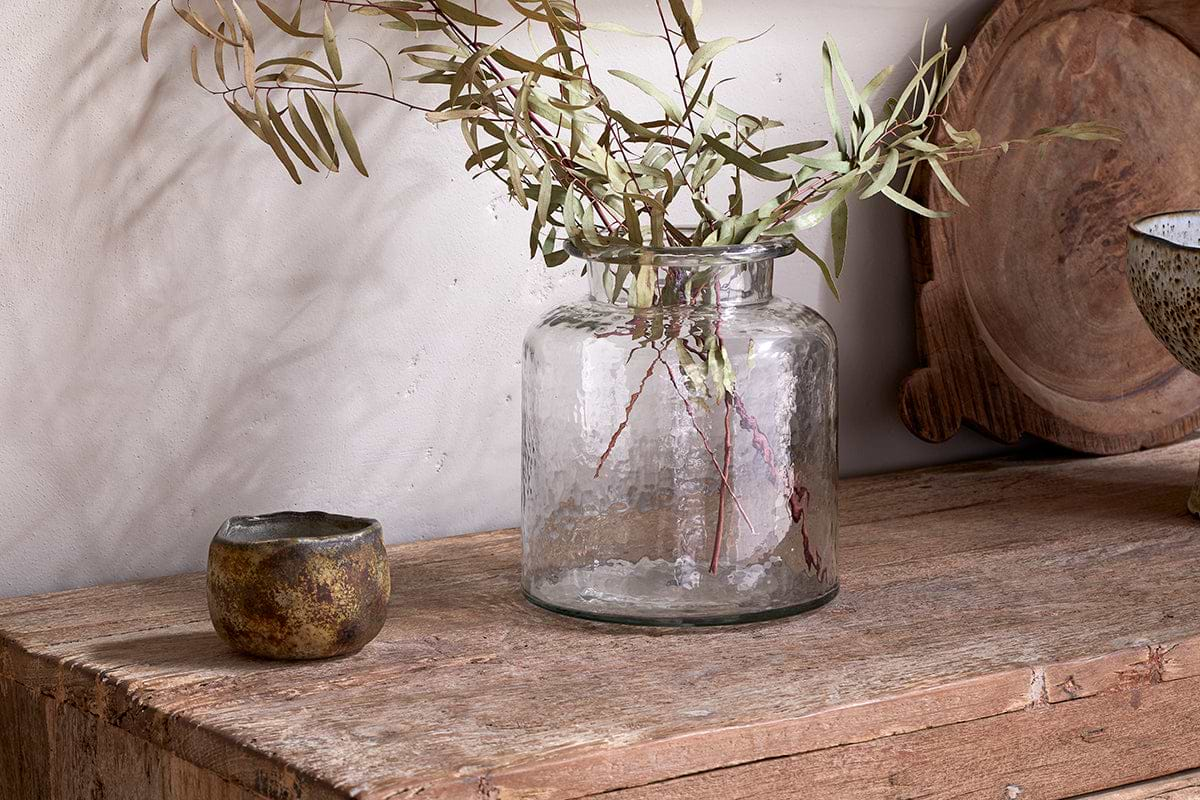
Akra Recycled Glass Vase
Clear cylindrical glass, pairs with stems or sits empty as a quiet accent.
View at Nkuku →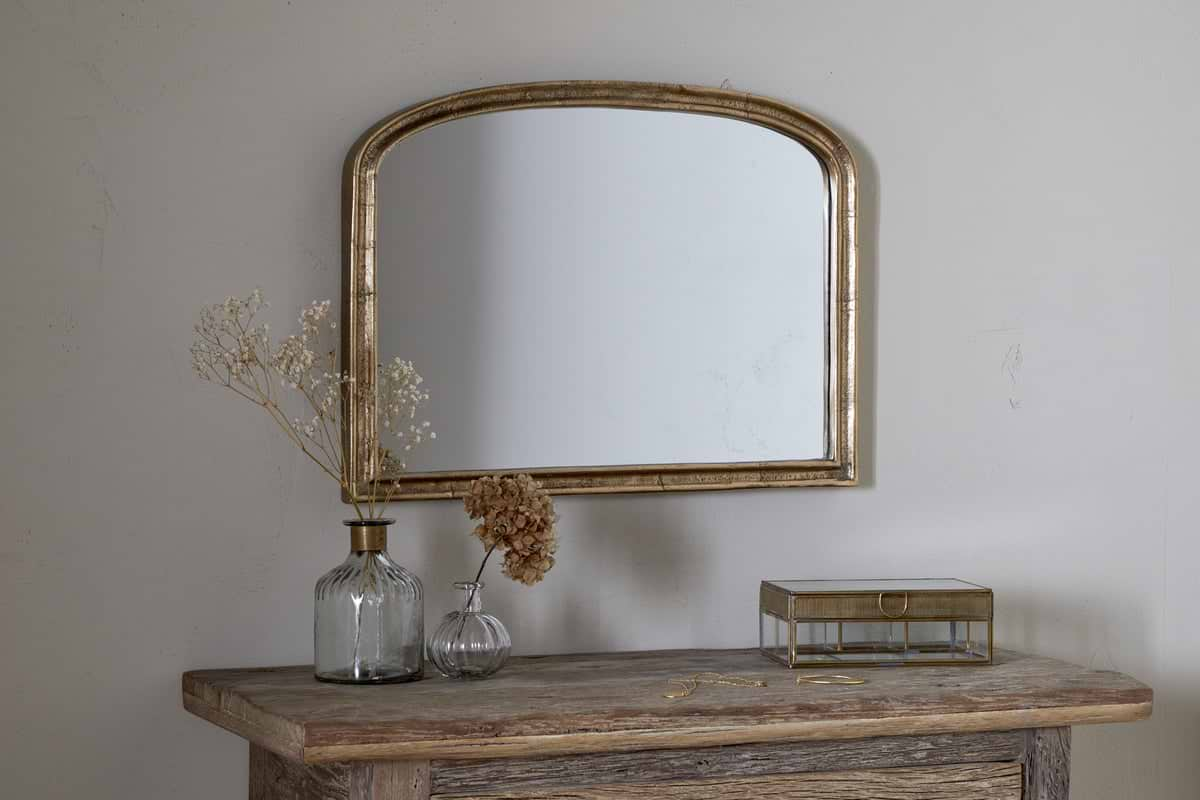
Some links above are affiliate links. If you buy through them we may earn a small commission at no extra cost to you. We only suggest pieces we think fit a calm, lived-in home.
Free guide
The Calm Shelf
12 styling ideas to help you compose calm, balanced shelves in natural texture homes.