

Clutter piles up fast. A room transformation can seem simple in photos, but real homes have bags by the door, cords under every table, and nowhere to hide the spare shoes. Generic ‘makeover’ tips offer bold before-and-after shots, but most miss what actually needs to change: too much stuff, clashing textures, and too little real wood or cloth.
Today, you’ll see how to make a calm, natural-feeling room using the things you touch and notice every day: baskets, throws, simple storage, daylight. You’ll learn what to subtract, what to keep, and which natural materials quietly change the look and feel of a space. This works especially well in a rental living room when blank white walls feel cold because small changes in texture make a big difference.
The short version: The easiest way to start a calm room transformation is to replace one synthetic item with a natural material and set one clear focal point. Avoid chasing styled trends: the biggest shift happens when you pick just a few objects, repeat the real textures, and stop hiding clutter behind closed doors.
Key takeaways
- A room feels calmer when you limit the palette and repeat natural materials in visible places.
- Most room transformation guides skip the editing step, removing low-cost plastic items changes the mood more than adding new decor.
- AI room decorator tools can show photoreal ideas, but they do not address functional problems like cord clutter or awkward layouts.
- Natural materials soften noise and feel more inviting to the touch compared to synthetics.
- For open shelves, keeping two-thirds free prevents visual crowding (according to professional organizers).

The problem with most room transformations
Most room transformation advice skips the real work: removing visual noise and surfaces that distract, not just swapping in ‘after’ props. Only a few calm, real materials last in daily life.
Online inspiration makes every room transformation look instant. You upload a photo, click ‘modern’ or ‘boho’, and see a spotless, airy room. Over 4 million people have tried RoomGPT for ideas. But these photoreal makeovers rarely match the constraints of actual homes: cords on the wall, awkward corners, doors that swing the wrong way.
Following before and after trends often leads to repeating the same issues: impulse decor buys, too many styles, none of them easy to live with. A Mid-Century look in photos can feel cold and impersonal when the only wood touches are veneer, not real grain.
Unlike a lived-in room, an AI room decorator offers instant visual results but misses the step of solving problems like open shoe racks or heavy curtains blocking light. Taking time to subtract the plastic bins beneath a bench or the tangled lamp cords creates more visible calm than any staged photo swap.
Replace a crowded ‘inspiration’ corner with a real material, like one heavy wool cushion, and the whole room reads quieter, even before you buy anything new.
How can you spot visual noise in your own space?
Visual noise means little distractions you get used to, like too many clashing objects or loud plastics, which keep a room from feeling calm. Most people only notice when they pause to see what draws their eye first.
In a small living room, cords, remote controls, and bright packaging stand out much more than most people realize. Take a slow walk and stop where your eye lands: if you keep noticing stacked items, glossy plastic, or bold colors, these build up into a persistent sense of mess.
A wooden tray on the coffee table softens clutter by grouping loose things together. A bare tabletop paired with a shiny cable cover looks unfinished and awkward compared to one with a low, woven basket for remotes and chargers.
Avoid placing too many small containers or mismatched organizers in the same sightline. Unlike a well-spaced bowl, too many catch-all bins turn useful surfaces into chaos, making a room feel busy rather than calm.
Group the most-used items on a tray or in a single basket, and remove extra packaging, this instantly quiets most surfaces in real homes.
Start with one calm focal point
A calm focal point sets the mood by drawing attention to one grounded object, like a chunky wool throw or a low wood table. Every other material supports, not competes.
Most makeover guides suggest a styled shelf or art wall, but too many colors or textures in one spot look scattered. In a narrow hallway, a heavy clay bowl on a side table makes a stronger, quieter statement than three small vases lined up.
A jute rug grounds furniture and pulls eyes away from scattered clutter. Compared to thin synthetic mats, the rough fiber catches light differently and gives touchable weight, making even a rental room feel more permanent.
Repeating the same warm tone in small ways, like a linen runner matching a cushion, prevents visual jumping and gives an easy sense of flow. One focal point, chosen for its touch or weight, shows off your style more than hunting for the latest trend.
If your room already feels busy, remove all but one center object and add back only what feels useful or soothing to the hand.
Five affordable materials that change a room
Switching just one common surface, like plastic for cane, polyester for linen, metal for unfinished wood, shifts the mood and touch of a room. These natural materials bring softness, weight, or warmth that synthetic pieces never do.
An open shelf with a single jute basket reads softer than a glass vase collection. Unfinished wood adds a dry, warm look compared to any lacquered surface, picking up the change in daylight and standing up to dings and scrapes over time.
Linen softens hard-edged chairs and lets in filtered sun for reading corners. According to Room transformation AI experts, real stone or terracotta trays ground entryways and help keep catchall surfaces under control.
Wicker stands up to use better than most thin plastic bins, with baskets commonly found under $25 at home stores. Wool throws drape well without sliding or gathering static, compared to light acrylic knits.
After you swap one of these materials for a conventional prop, leave it out, don’t cover with fabric or tuck away, so it actually shapes the room’s look and feel.

Where this works best
Using natural materials works best in spaces with too many hard edges or too little daylight. The swap helps open-plan rooms, rentals, and low-light corners feel less cold.
Rentals and apartments with lots of painted or laminate surfaces benefit quickly. Rugs, baskets, and a single large plant break up a long wall or bright corner. In rooms with sliding closet doors or bulkhead ceilings, using one heavy wood piece shifts the room’s weight downward, making ceilings feel higher, without any paint or construction.
Swapping a polyester curtain for linen lets in a softer, more natural-looking light, especially in small bedrooms that look boxy with heavy blackout drapes. A clay bowl on a console table works in a shared entry, standing up to dropped keys and grit, instead of sagging like a plastic tray.
Avoid adding lots of tiny plants or minis in rooms with heavy built-ins, too many small items can fight with strong lines and crowd tabletops. Instead of stacking trays or containers, use one solid material on each surface to keep the look open.
Replace high-gloss, light-reflecting organizers with a single matte object in places like a small living room or an awkward hallway to cut glare and pileup in one step.
How to layer textures without adding clutter
Layering textures should add depth, not busyness. Use a maximum of three material types, base (like unfinished wood), soft (linen or wool), and one basket or stone for contrast.
A small bedroom with wood floors and simple walls gains quiet depth by folding a single linen throw over the bed and setting a clay pot on the dresser. A thick wool rug underfoot, paired with a smooth glazed catchall dish, gives both touch and shape but does not compete for attention.
The 70-20-10 material rule helps: about two-thirds of the room’s visible surfaces should repeat the same main material (such as pale wood), a fifth can be a standout contrast (like basketry), and only a hint, no more than ten percent, should bring in something bolder, like a plant pot or stone tray.
| Material | Main Effect | Best Use |
|---|---|---|
| Linen | Softness, light filter | Throws, window curtains |
| Wool | Weight, warmth | Rugs, blankets |
| Unfinished wood | Dry, touchable grain | Tables, shelving |
| Terracotta/stone | Grounding, cool to the touch | Trays, bowls |
| Wicker/rattan | Structure, warmth | Storage baskets |
Unlike layering lots of decorative pillows or plastic bins, which build clutter, mixing these few dominant materials in key spots makes the space feel designed but not staged. A room with just plastic and metal stays loud and cold even when swept and organized.
To keep visual order, limit patterns and shine, especially when trying to make a small room look bigger by keeping sightlines clean and open.
Styling and placement
Styling with natural materials works best when you keep groupings simple and put items where hands will actually reach them. Avoid crowding and stick to three main surfaces in any room.
Shelves work hardest when about two-thirds remain clear, putting focus on one object per section. For side tables and dressers, set one heavy material, like a clay bowl, alone to anchor the rest, rather than a lined-up set of knickknacks.
Color palette matters: too many earth tones can feel muddy, but a single bright white planter among warm woods draws attention and calms busy spaces. Spacing is easy to overlook; placing a wool throw only partly across a sofa edge lets color and light overlap, breaking up solid lines.
Quick calm checklist:
- Choose one main material, wood, linen, or stone, as your anchor.
- Keep at least half of every shelf or tabletop plain and empty.
- Pair only two accent colors with your basics to avoid a busy look.
- Use baskets or bowls, not bins, for open storage near busy zones.
- Repeat one texture (like a linen curtain and pillow) rather than mixing many.
Compared to spreading small props all over every surface, placing your key material on just a few chosen points, like the center of a coffee table or a shelf beside the bed, quietly guides the eye and feels calmer to live with.
Try this practical rule: a shelf stays more peaceful when most of its length is left bare, unlike displays that fill every inch with books or jars.
What tends to hold up with working with natural textures
Looking through so many reader rooms and expert takes, the materials that last are always the quiet ones, wool, unfinished wood, heavy clay. Matte finishes get recommended again and again for open shelving near strong light because they don’t bounce glare the way glossy plastics do. In reviews, baskets hold up best if they have thick weaves and simple shapes rather than delicate handles or painted details.
Most designers say even a plain jute rug can shift how large and calm a room feels, especially in rentals or awkward layouts. The real power in these pieces is their touch: they stay useful every day without turning into visual noise, even when daily life isn’t styled or staged.
, Mara, Loom & Glow
Common questions
Can ChatGPT or AI tools actually redesign my room?
AI room decorator tools like RoomGPT and ReimagineHome can generate photoreal design ideas and let you experiment by uploading a photo. These tools offer fast inspiration but do not solve storage or layout issues you face daily. The final decisions, what to keep, swap, or remove, still depend on practical choices in your space.
What is the average cost of a DIY room makeover?
The average cost for a simple DIY room makeover using affordable natural materials is usually under a few hundred dollars, depending on what you already own. Keeping to baskets, throws, and single accent pieces costs less than major furniture swaps. Removing clutter and using what is already on hand are free upgrades.
How do I start transforming my room on a budget?
The best way to start transforming a room on a budget is to remove small, synthetic clutter and swap one object, like a plastic basket for a jute one. Focus on small anchors: a linen throw, an open wood shelf, or a plain clay bowl. Large changes in look come from these tiny, affordable edits.
Can I redesign my room for free using a photo?
You can upload a room photo to AI tools like RoomGPT for free to generate instant, styled renderings in different design styles. These mock-ups give ideas, but no-cost digital redesigns do not address daily needs, sunlight, or your storage limits. Use these visuals for direction, then make small, real-life changes.
Explore more calm combinations inside our Shop The Look .
Shop the Look
A handful of natural-textured Nkuku pieces that keep a calm room feeling soft and grounded.
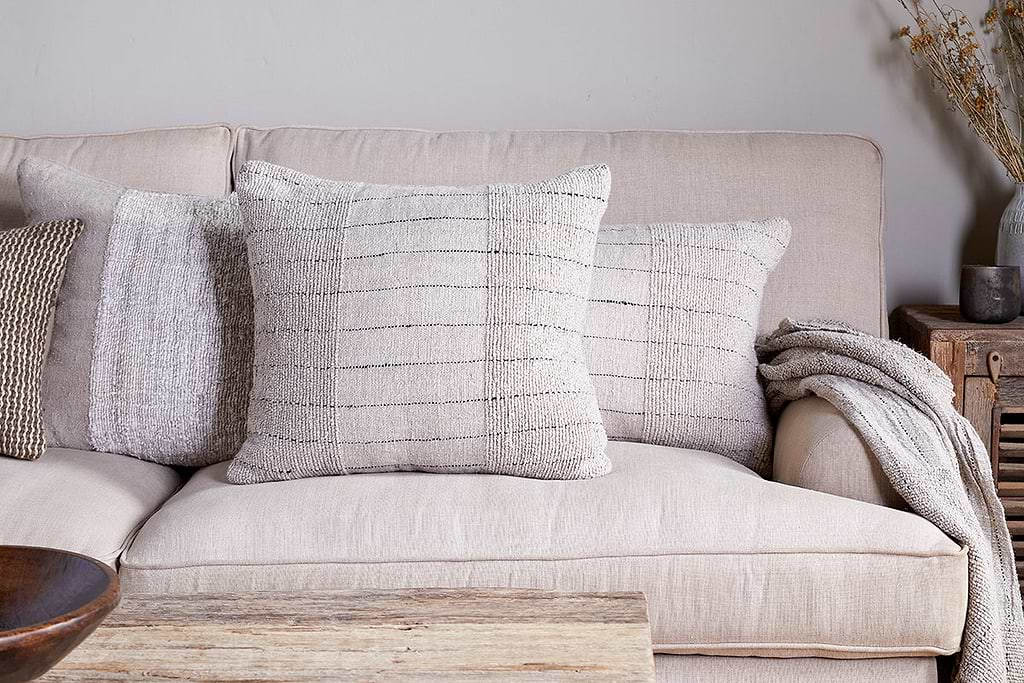
Mayla Cushion Cover
Soft hand-textured cover, instant warmth on linen sofas or chairs.
View at Nkuku →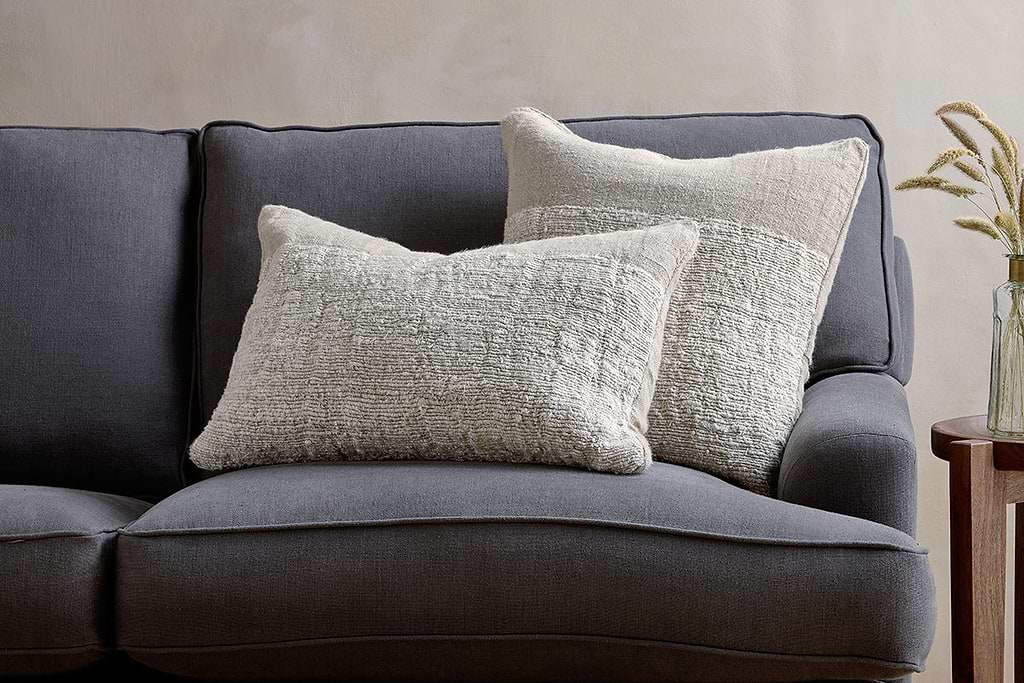
Puli Linen Cushion
Recycled linen in natural, pairs with woven textures and aged wood.
View at Nkuku →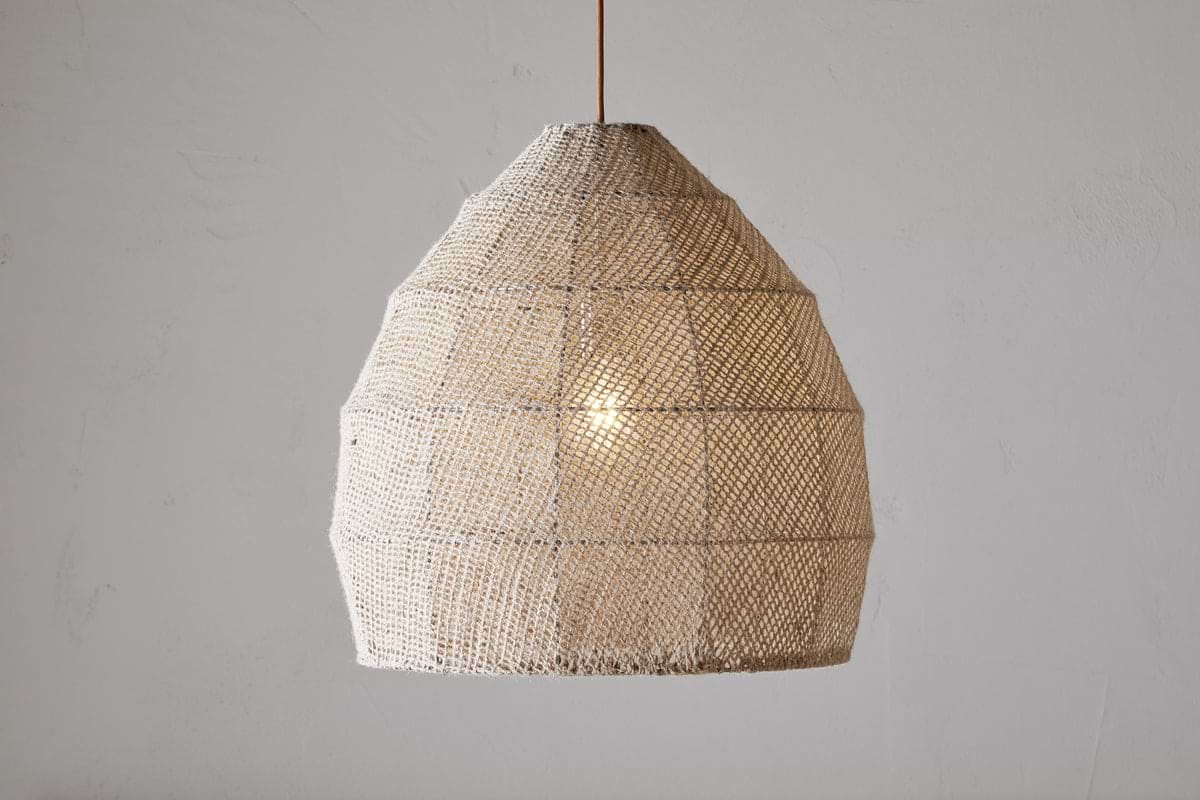
Jahari Jute Pendant
Natural woven jute, adds texture overhead without darkening the room.
View at Nkuku →Some links above are affiliate links. If you buy through them we may earn a small commission at no extra cost to you. We only suggest pieces we think fit a calm, lived-in home.
Free guide
The Calm Shelf
12 styling ideas to help you compose calm, balanced shelves in natural texture homes.