

Seagrass vs sisal rugs can seem identical in online photos, but the choice often plays out differently in real homes. In a small apartment, a heavy rug can feel jarring beneath bare feet, while a ropey fibre shows every spill or scuff in a family kitchen.
This guide strips it down to the daily facts: how these natural fibre rugs look, feel, and actually work underfoot, before you buy. You’ll see what to change or avoid, so your rooms look lighter and last longer. This works especially well for living rooms in a busy household when daily foot traffic is high because plant fibres wear so differently.
The short version: The core difference in seagrass vs sisal rugs comes down to water resistance and feel: seagrass is smoother and handles damp better; sisal is rougher but richer in color. Small moves, like swapping a rug in a high-use spot, quiet a room and save hassle later.
Key takeaways
- Seagrass fibres create a firmer, more stain-resistant rug, ideal for kitchens or dining rooms with heavy use.
- Sisal rugs show more wear and water marks, but their natural tan tones add visual warmth to calm bedrooms and studies.
- Maintenance for seagrass is easier if spills are likely; sisal suits dry, tidy spaces better.
- Flat-weave natural rugs sit low, so doors pass easily and rooms feel less crowded.
- The feel underfoot is the clearest difference: seagrass is waxy-smooth, sisal rougher, while jute is the softest option.

What’s the real difference between seagrass and sisal?
Seagrass fibres, sourced from water-grown sedge, are smoother and resist stains; sisal, from agave leaves, is drier, rougher, and more absorbent. These differences shift how each rug works in busy, spill-prone rooms.
Kitchen and dining room rugs work harder than most. A seagrass flat-weave rug stands up well where sauce or coffee splashes might otherwise stain a paler fibre. According to VietPhatCraft, seagrass fibres create a firm, dense weave that handles daily foot traffic in living rooms, dining rooms, and hallways with ease.
The surface texture tells you a lot before you even step on a rug. Sisal tends to have a ropey, slightly abrasive feel, picking up dirt more easily but showing more depth in tone. In contrast, seagrass feels cool and waxy under bare feet and sheds water, helping it look clean longer.
Compared to jute, both seagrass and sisal feel stiffer, but the visual finish is different: jute runs softer, but mats quickly in busy entryways.
You’ll notice a seagrass rug looks brighter in a room with lots of light, and the subtle greenish tint holds up to muddy shoes in a hallway.
Where this works best
Flat-weave seagrass suits high-traffic and spill-prone rooms; sisal brings warmth to low-traffic, dry spaces where comfort is a priority. Picking the right match is about the real use, not just how the rug looks online.
Entryways and dining areas face challenges: dropped shoes, crumbs, and regular sweeping. Natural fibre area rugs, especially seagrass, handle this setting well because their tight, slick surface doesn’t grip dirt or moisture as easily as sisal or jute. Hallways that open right to the outdoors benefit most from a rug that shrugs off mud or leaves, so seagrass wins here.
In bedrooms, a sisal rug works when you want texture but less worry about stains; the rougher yarn feels cushioned with slippers or beside the bed. Living rooms, especially open-plan ones, benefit from either type, as long as the rug sits out of a main dining path where repeated spills risk quick staining.
Avoid pairing sisal with damp basements or bathrooms, where moisture lingers. Sisal can mildew or stain irreversibly, so it’s not right for these rooms. In a rental where spills or heavy use are likely, seagrass will last longer and stay looking neat.
Entryways and kitchens see the biggest difference: heavy, wet shoes and food stains can break down a sisal rug fast, while seagrass stays firmer and doesn’t soak up mishaps.
How does each fibre feel underfoot?
Seagrass rugs have a waxy-smooth texture that feels cooler and firmer, while sisal underfoot is rope-like and noticeably rougher. The real comfort difference appears after a week of barefoot traffic.
In barefoot zones, like beside a bed or under a sofa, a rug’s underfoot feel changes the entire mood. Seagrass mats are less prone to scratchiness and work well for anyone sensitive to texture. Sisal feels slightly abrasive, which some find grounding but others find harsh, especially for young children or pets.
The waxy surface of seagrass means dust sits on top, easy to sweep off. Sisal’s looser weave sometimes traps grit or pet hair, so more vacuuming is needed for the same look. In living rooms or den spaces, this tactile difference can mean the rug either encourages lingering or feels too scratchy for stretching out on the floor.
Unlike a jute vs seagrass rug, a sisal mat under a work desk can rub uncomfortably on bare feet, while a seagrass runner remains cooler over long afternoons.
Next to couches or beds, the flat, dense pile of a seagrass rug means moving furniture doesn’t snag corners, and the smooth weave quiets the space, especially in low light.
Which handles water and stains better?
Seagrass rugs resist water and stains much better than sisal rugs, which spot and discolor quickly with any spill. Kitchens and eating areas change most with this swap.
Busy kitchen floors rarely stay dry, steam, spills, and splashes are constant. With their waxy outer layer, seagrass fibres let drips bead up for easier wiping, instead of soaking through. Independent tests show seagrass fibres sustaining tensile loads above 120 N per 5 cm, a threshold that aligns with commercial use, as noted by VietPhatCraft.
Sisal rugs, unlike seagrass, mark easily with water; a dropped cup leaves a persistent shadow, while a muddy shoe can stamp a permanent stain. Frequent mopping or shoes-off rules don’t always prevent damage if the rug sits in an active zone.
Compared to both, a jute rug absorbs water but is more forgiving of light stains, though it can lose shape or look matted if placed right under the kitchen sink.
A rug in a cooking or entry space should reliably resist daily moisture, so swapping sisal for seagrass in that spot saves worry and cleaning time.

Styling and placement
A flat-weave seagrass or sisal rug looks best when anchored by one main piece of furniture, with its colour picking up a wall or wood tone nearby. Overstuffing the area creates clutter.
Visual weight matters most in small rooms. A natural fibre rug with its subtle pattern softens hardwood floors but also keeps the space open. Rugs that nearly touch walls can hem a room in; instead, allow open floor border so the weave stands out cleanly and traffic flows easily around corners, especially in a narrow hallway or compact living zone.
Pairing either rug with draped linen curtains or a seagrass basket storage retains calm lines and repeats texture for an unforced connection. Wall-to-wall layouts make the rug feel like background, but layering a small, lighter rug can add depth without adding bulk.
Overloading a quiet rug with too many side tables or busy patterns nearby breaks the effect; keep to one main anchor like a coffee table or reading chair.
Quick calm checklist:
- Pick flat-weave rugs: seagrass or sisal keep a slim profile under doors.
- Allow open floor edges, avoid running rugs wall to wall.
- Keep colours simple; echo rug tones in baskets, pottery, or curtains.
- Anchor with a single main piece of furniture, like a sofa or large table.
- Limit layered patterns nearby; let the natural weave be the focal point.
A flat-weave jute or sisal rug works best in rooms that already have some wood or stone textures, while seagrass sits well against lighter painted walls or soft textiles for balance.
How much maintenance do they need long-term?
Seagrass rugs are easier to keep clean and show less wear over time than sisal, especially in homes with pets or children. The care pattern fits most busy weekday routines.
Naturally waxy, seagrass shrugs off most dirt: a quick weekly vacuum and wipe keeps it fresh. Sisal, in contrast, traps dust deep in its rough fibres and needs more patient vacuuming, especially in open plans where lint and snacks drift underfoot.
Sisal rugs usually need spot cleaning within hours for any spill, while seagrass lets minor drops dry without lingering marks. Typical advice: never soak either type, but seagrass suffers less from needing fast action and handles humid summer days better.
For calm, lasting rooms, repeat one surface texture (like a seagrass rug plus a basket) to disguise pet fur or little marks, rather than introducing multiple natural fibre types in a single spot. Most stains on seagrass respond to mild soap and water if wiped up quickly.
You’ll notice a seagrass rug stays uniform after a year in the hallway, while sisal frays slightly near chair legs or thresholds. Most maintenance routines fit into a weekend cleanup, not daily attention.
How to choose between seagrass, sisal and jute?
Start with the room’s main problem: water, traffic, or comfort. Seagrass suits spills, sisal fits dry zones, and jute is best for softness and a lighter look.
The decision isn’t just about style. For a hallway, pick seagrass for durability; for a bedroom corner or under a reading chair, try sisal if you want more depth in tone and don’t mind a firmer feel. For softness, a jute rug works where crumbs or drips are rare, like in a sunroom or low-use lounge.
Each fibre handles use differently: seagrass doesn’t discolor as quickly and resists moisture, while sisal offers a thicker, warmer look but asks for more care. Jute mats need gentler cleaning but are softer for sitting floorside; not right for muddy shoes but just right in a quiet corner.
For renters or families with pets, gravitate toward seagrass or a blend with jute in multi-purpose rooms. Large dining rooms feel calmer with sisal if heavy foot traffic or spills aren’t a daily issue.
| Fibre | Best for | Notes |
|---|---|---|
| Seagrass | Kitchens, entryways, family rooms | Most water and stain resistant; firm, waxy feel |
| Sisal | Bedrooms, studies, lounges | Textured look, softer tones, stains easily |
| Jute | Quiet zones, no wet shoes | Softer underfoot, may mat or pull in high-traffic spots |
Practical decisions like reserving jute for dry, quiet spots, or picking seagrass in the kitchen, prevent most future frustration. Use colour and texture as a rule of thumb: a seagrass rug works best when the rest of the room is kept simple and free from strong patterns.
There is always a decision moment, standing in a hallway, shoes in hand, bare feet on a too-scratchy mat, when something about the room doesn’t settle. Floors that feel sticky, or rugs that curl or catch dirt, disrupt the morning routine and weigh on the evening mood. The right time to change is when cleaning or comfort becomes a constant thought.
Often, what holds a room back is skipping the design decision that matters most: choosing one clear rug texture, matching placement to use, and stripping out any extra patterns. Instead of guessing from photos, match the rug to the room’s main need: water, comfort, or traffic. This switch makes the room look lighter, keeps cleaning simple, and lets the rest of the decor breathe.
Most people bring a natural rug home expecting an instant shift, but an overlooked detail, like the wrong fibre or a routine spill, quickly undoes the effect. Too many rugs in a single area, or mismatched colours, distract the eye and can make the room feel unsettled. Once the right piece is in the right spot, footpaths clear, and the space starts to work every day.
Save this idea for later.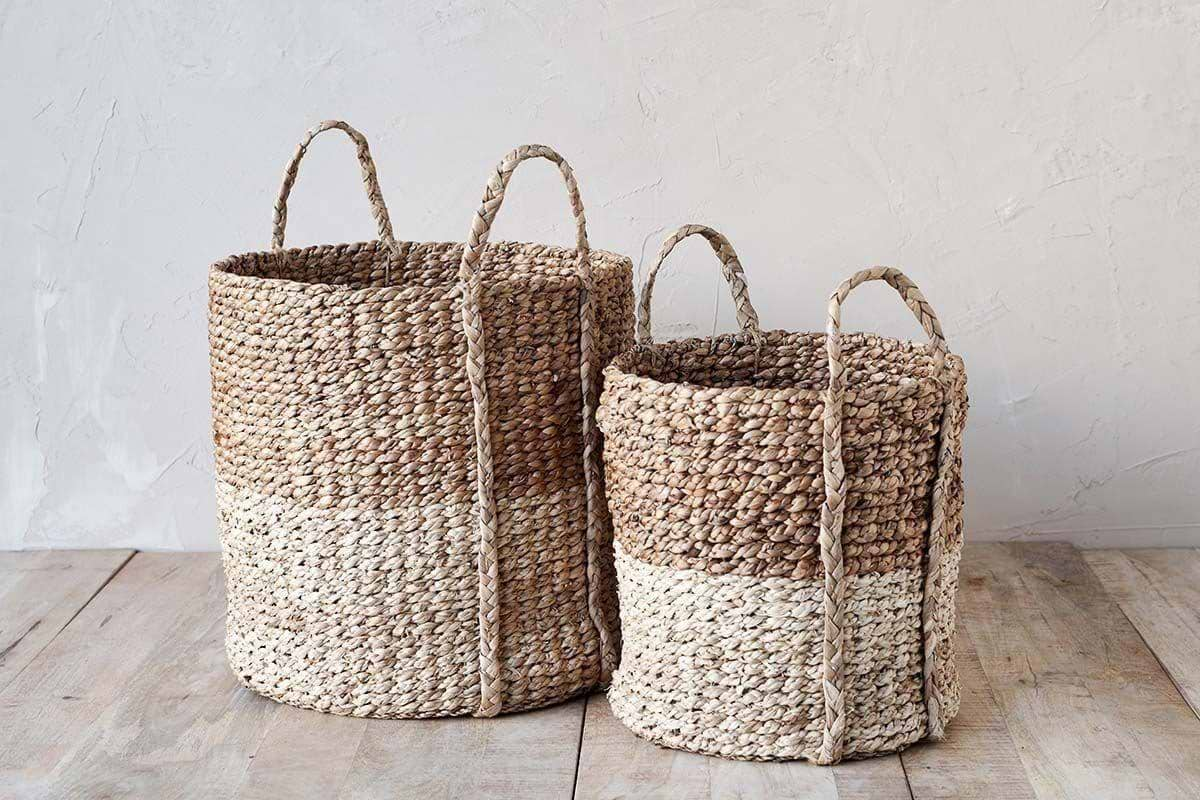
What tends to hold up with seagrass vs sisal rugs in calm rooms
Across countless rooms and reader questions, a clear pattern stands out: flat-weave seagrass is chosen again and again for kitchens, dining zones, and halls with wet shoes or food spills, simply because it resists trouble. Decorators often point out that matte, tightly-woven natural rugs cut glare and look less busy than bold patterns or solid synthetics in small, shared spaces.
One consistent tip is to repeat one natural fibre in a room, just a rug and a single basket. Too many competing textures pull the look apart. Finally, it’s striking how much longer a seagrass rug stays clean-edged and unmarked, compared to sisal or jute, after heavy everyday use.
, Mara, Loom & Glow
Common questions
What are the main disadvantages of a seagrass rug?
Seagrass rugs are slick and sometimes too smooth for stairs or areas needing grip. Their natural waxy coating resists many stains, but can limit dye options, so colour choices stay muted. Some people find them less soft compared to jute, though the easy-care surface pays off in high-traffic zones.
What are the main disadvantages of a sisal rug?
Sisal rugs absorb water quickly and stain easily, making them less suitable for kitchens or bathrooms. Their rough fibres can feel coarse under bare feet, especially for children or pets. Over time, sisal may fray or start to show wear near doorways and chair legs.
What is a softer, more comfortable alternative to sisal?
Jute rugs are typically the softer, more cushioned natural fibre option compared to sisal. They feel smoother underfoot, making them better for bedrooms or living areas where bare feet are common. However, jute rugs are best suited for dry, low-traffic rooms to avoid matting or stains.
What are the pros and cons of seagrass carpet for a home?
Seagrass carpet is highly stain-resistant, durable, and low-maintenance for busy homes. Its firm, dense weave keeps spaces looking fresh, but the smoother texture may feel cool or slippery. While seagrass suits kitchens, halls, and dining spaces, colour options stay natural due to the fibre’s waxy surface.
Explore more calm combinations inside our Shop The Look .
Shop the Look
A few natural Nkuku pieces that sit well with woven textures.
Nkomi Basket
Woven storage with a calm silhouette, works open or tucked under a console.
View at Nkuku →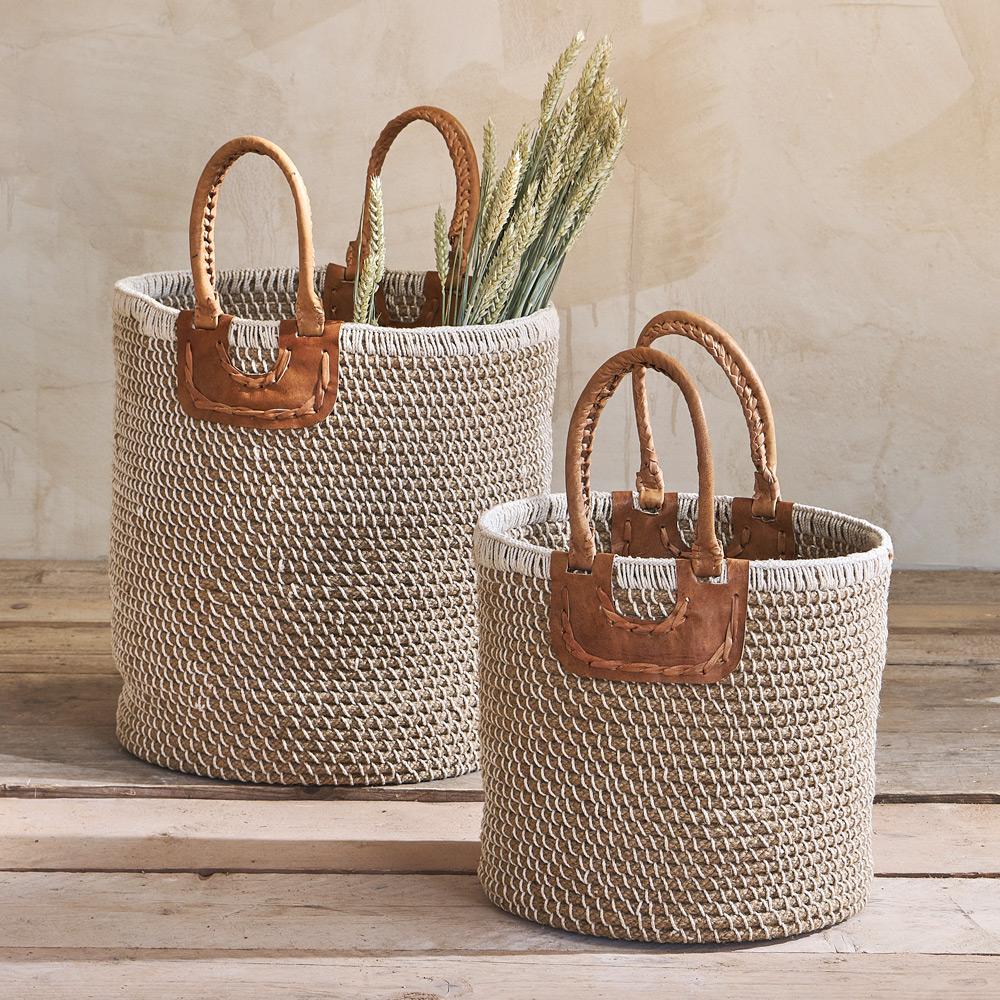
Indra Coil Basket
Natural coil weave, neat enough to leave out, large enough to hide clutter.
View at Nkuku →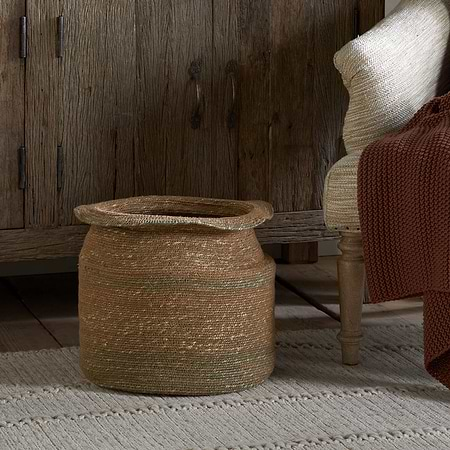
Some links above are affiliate links. If you buy through them we may earn a small commission at no extra cost to you. We only suggest pieces we think fit a calm, lived-in home.
Free guide
The Calm Shelf
12 styling ideas to help you compose calm, balanced shelves in natural texture homes.