

Many homes with minimal designs can feel a little cold or uninviting. Adding a touch of natural texture brings warmth and a sense of calm that is both visible and felt.
This guide explores ways to include elements like jute decor, linen home decor, and other natural materials so that your calm interior feels layered and lived-in. The ideas here respond to the need for both balance and gentle contrast.
The short version: Let natural materials and woven accents fill your minimal space with warmth. Simple changes in textures make everyday areas cozier without overwhelming the calm aesthetic.

Design Foundations with Natural Textures
Using a linen cushion on a wooden bench invites warmth. A soft jute rug sets a tactile base.
A modest coffee table sits beside a cosy armchair in a sunlit nook. A clay vase holds wild flowers, and a jute basket rests on a low shelf. Placing a woven basket near the window softens the bright glare and adds a welcoming feel.
There is a side table dressed with a linen runner and a small jute decor piece. The details bring in a natural balance that appeals to those who prefer understated elegance. Unlike synthetic finishes, these materials provide a tactile quality that completes the room.
A reading corner with a simple wooden cabinet and a textured pouf offers a scenario many will recognise. The familiarity of these elements makes the overall space feel less sterile and more personal. The subtle use of natural fibres softens the harsher lines of modern furniture.
Layer Your Minimal Look
Soft linen curtains paired with wicker chairs set the base. Gentle shadows play on woven surfaces throughout the room.
In a dining area, a simple jute placemat is laid out on a reclaimed wooden table. A stack of linen home decor coasters rests nearby, adding visible depth to the setting. Arranging a mix of woven placemats on the table lets diffused light create a delightful shift in mood.
A small window seat features a blend of a light cotton cushion and a natural wooden frame. The room reflects the softness of a neutral color palette that adds balance. In contrast to cold, impersonal surfaces, layered textiles transform a space into a gentle retreat.
A casual entryway sees a jute basket holding everyday essentials. The simplicity of this scenario encourages calm, unhurried movements through the home. The dependable texture of woven elements maintains a natural rhythm in your decor.
Curating Woven Textures Minimal
A patterned jute rug underlines a minimal woven style. Delicate linen cushions rest on a subtle wooden bench.
A narrow hall displays a shelf adorned with a mix of woven baskets and clay ornaments that invite the eye. The careful selection of these items highlights a calm approach that does not shout but whispers comfort. Arranging woven curtains next to a brick feature softens the starkness of modern walls, and the effect is clear.
A practical setting involves a storage bench with trimmed edges and a light pattern. The room becomes alive when a few woven accessories are scattered thoughtfully. Unlike overly glossy favourites, these natural textures interior elements bring an organic sense of style that comforts daily routines.
In one corner, a small stack of linen cushions sits with a gently worn wooden crate, showing the blend of old and new. The understated combination demonstrates that restraint can be as expressive as abundance. Many find that a carefully curated woven accent creates a sense of stability and calm.
Natural Fibres to Balance Space
A simple jute basket paired with an earthy rattan chair balances a room. Warm fibres and cool hues play together.
In a quiet study, a rattan chair faces a low bookshelf filled with natural materials. A linen window treatment filters soft daylight across a warm wooden floor. Letting natural fibres home details stand next to raw wood stabilises the room’s atmosphere with subtle strength.
A small side table displays a clay bowl neatly paired with a woven vase, echoing the room’s calm intent. The interplay of rough and refined helps the space breathe. In contrast to rigid plastics, natural fibres home accents create an inviting, comfortable canvas.
A window sill is arranged with a single vase and a jute coaster that echoes old-world craftsmanship. The care taken in these details brings the overall design into harmony with everyday life. The presence of a wood glass and soft pairing supports a grounded yet polished look.

Where this works best
A blend of linen drapes and a woven table runner works nicely in calm spaces. The texture guides an ambient warmth into every area.
In modern spaces like a living room, a slim set of jute decor pieces and a simple wooden console make a quiet impact. A small accent such as a handwoven basket near a window creates a warm counterpoint to hard surfaces. Placing a woven lamp shade near art softens the room’s overall appearance.
Avoid over-styling corners by using too many accents that compete with one another. In a kitchen with smooth counters and a natural bench, a touch of woven textiles can balance the modern feel. Unlike electric glow or overly bright components, natural accents provide a subtle, refreshing contrast.
A hallway often benefits from a narrow display, where a single woven piece becomes the focal point. Even in a busy family space, using fewer, consistent elements helps keep the calm intact. The interplay between a lean design and a carefully selected natural item ensures the room maintains its quiet charm.
Styling and placement
A small jute basket sits gracefully on a wooden console. A carefully draped linen throw invites the eye to settle.
In a living room, a mix of woven accessories placed on a shelf creates an unpretentious yet warm feel. The gentle interplay between soft textiles and hard furniture results in a balanced layout. Placing a rattan chair by a window with natural light draws attention to the room’s calming texture.
A narrow entryway uses a few selected pieces to highlight its features. A handwritten sign on a rustic board reminds visitors of the home’s ease. In contrast to stark, unadorned walls, a small jute decor element anchors the area, ensuring that the warm theme continues.
Quick calm checklist:
- Ensure ample white space
- Place natural accents near light sources
- Use a mix of jute decor and soft textiles
Creating a Personal Retreat
A quiet corner with a hint of linen home decor invites relaxation. A woven basket and a gentle clay bowl set the scene for warmth.
In a bedroom, a small woven rug under a window gathers soft light onto a wooden dresser. A modest display of natural accessories creates a personal touch. Adding a natural woven throw near the window brightens the mood of the space.
A bedside table holds a simple jute lamp and a textured frame displaying a quiet portrait. The overall setup speaks to the ease of everyday comfort and balance. Unlike sleek metal fixtures, natural textures interior design aspects ease tension and create a friendly ambience.
In a reading nook, the integration of a handwoven scarf and a worn leather armchair adds delight. The consistent use of woven textures minimal in the selection continues to pull the eye gently from one object to the next. This chance to relax in a space that feels carefully considered makes a lasting impression.
Choosing one standout natural piece, reducing the overall colour palette, and anchoring a favourite woven item can redefine a space. This design decision allows each element to breathe, giving the room a calm and considered look.
When the atmosphere starts to feel off, it is a signal to reexamine the placement of each piece. Even subtle misalignments can make a room feel scattered and unbalanced.
A common mistake is to overcrowd spaces with mismatched textures, which ends up breaking the flow. A restrained approach helps every piece play its part.
Using a restrained approach results in a calm and layered ambience.
Save this idea for later.

Sardi Star Baubles – Clear
adds quiet structure and warmth while keeping the room balanced.
What I’ve come to know about warm and inviting spaces
I have long found that balance matters more than abundance in a home. A well-chosen natural piece can speak volumes, even amongst a sea of minimal furniture. When a room feels layered with subtle textures, it tells a story of care without overwhelming the senses.
Through years of experimenting with natural materials and soft furnishings, I have seen firsthand that a calm space grows from thoughtful touches. These moments of discovery remind me that home is not a stage, but a living space that gently reflects our everyday life.
— Mara
Common questions
Why should I add natural textures to a minimal interior?
Adding a touch of natural texture brings warmth and a sense of calm that is both visible and felt.
What materials work best for layering a minimal look?
Soft linen curtains paired with wicker chairs set the base. Gentle shadows play on woven surfaces throughout the room.
How do natural fibres help balance a room?
Letting natural fibres home details stand next to raw wood stabilises the room’s atmosphere with subtle strength.
Where do woven textures work best in a home?
A hallway often benefits from a narrow display, where a single woven piece becomes the focal point.
Explore more calm combinations inside our Shop The Look.
Shop the Look
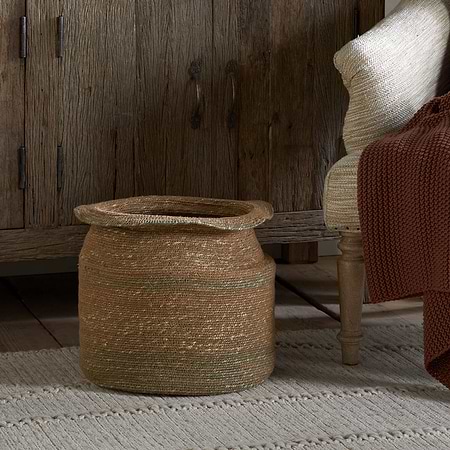
The Rana Basket, Jahari Pendant and Puli Cushion layer woven and natural fibres without stylistic fanfare.
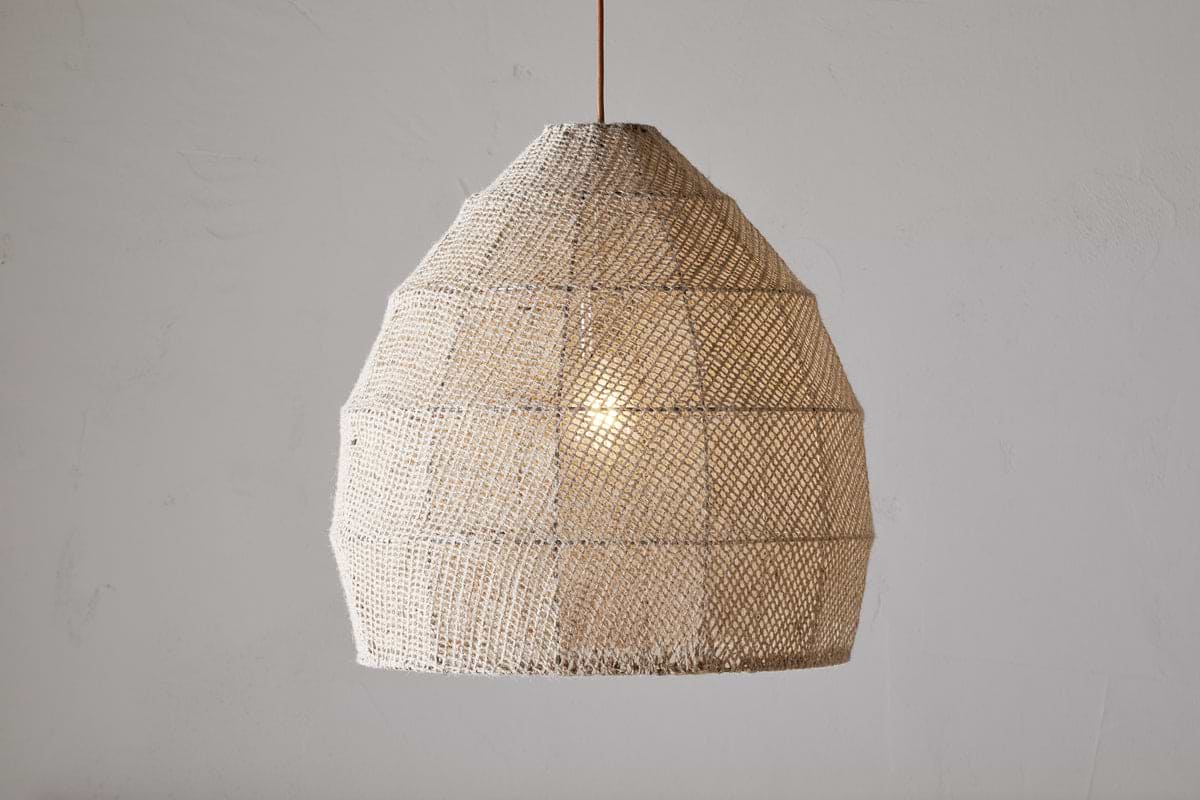
Jahari Jute Pendant
Natural woven jute — adds texture overhead without darkening the room.
View at Nkuku →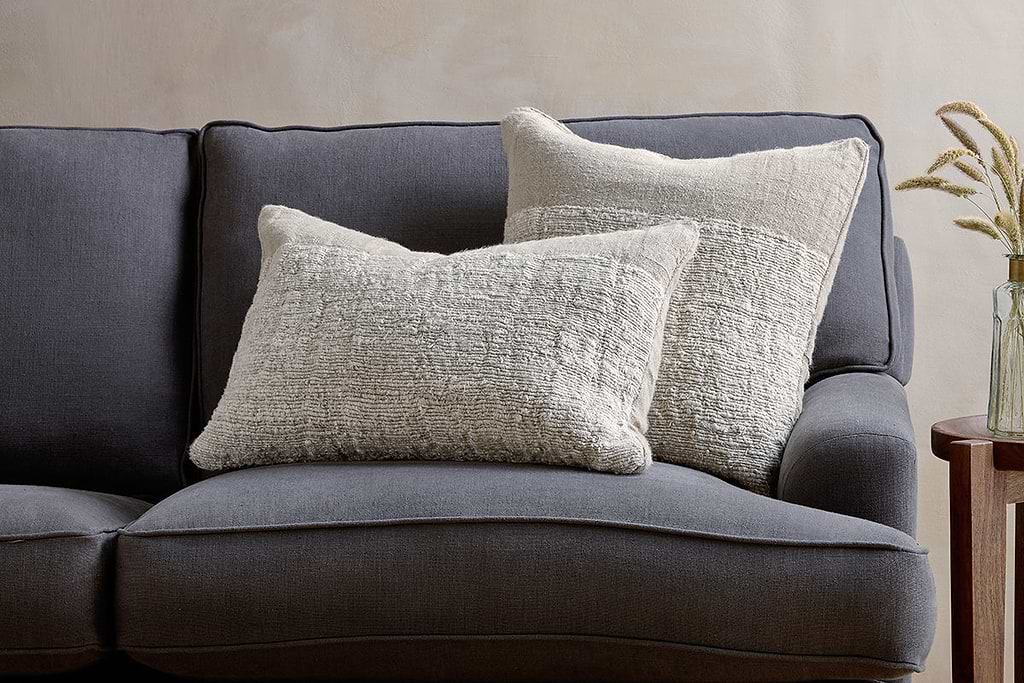
Puli Linen Cushion
Recycled linen in natural — pairs with woven textures and aged wood.
View at Nkuku →Some links above are affiliate links. If you buy through them we may earn a small commission at no extra cost to you. We only suggest pieces we think fit a calm, lived-in home.
Free guide
The Calm Leaf
12 quiet ways to bring dried botanicals, stems, and natural textures into calm spaces.