

It’s common to have an awkward patch above the radiator, too narrow for furniture, but too exposed to leave plain. An oak radiator shelf fills this gap, yet many people worry about safety, sizing, or the shelf’s finish over heat. The result is often a bare space that looks unfinished and stays underused.
This practical guide shows how to choose, fit, and style an oak radiator shelf with calm confidence. You’ll see what to look for, what to avoid, and how to get both safety and soft lines. This works especially well in a small apartment hallway when storage is tight because it doubles as a landing spot without blocking heat.
The short version: An oak radiator shelf sits just above the radiator and covers dead wall space while safely redirecting heat. Shelves made for radiator use are easy to fit and soften a wall’s visual weight; the right finish holds up well over time.
Key takeaways
- An oak radiator shelf redirects heat forward and covers awkward empty space above the radiator.
- Solid oak holds its shape well near radiators, especially in a natural or heat-resistant finish.
- Made-to-measure oak radiator shelves can be fitted with hidden brackets for a floating look.
- “Easy fit” and no-drill shelves work for renters or where wall drilling isn’t an option.
- Reclaimed oak shelves offer a rustic, UK-made option based on reused scaffold boards.

What is an oak radiator shelf and why consider one?
An oak radiator shelf is a wooden ledge made to sit above a radiator and cover unused wall space, helping to redirect heat and anchor the room visually. Adding a shelf here turns a cold, open gap into storage for small items or a styled surface.
Many homes have a long, low radiator that draws the eye down. Without anything above it, the space feels empty or a bit forgotten, especially in older flats and houses. An oak radiator shelf bridges this gap.
The right shelf can catch the rising heat and push more warmth into the room. An oak radiator shelf can be placed just above the radiator heater to redirect heat into the room, according to radiatorcoversshop.com. This means you make better use of both heat and space.
Compared to a full radiator cover, a shelf keeps most of the heat in play. The wall feels more finished, and the shelf gives purpose to a spot that’s usually off-limits. One oak board with clean edges can shift the whole feel of a hallway or sitting room.
Where this works best
An oak radiator shelf works best in small rooms or hallways with limited surfaces because it turns dead wall space into practical storage and display. The slim profile means there’s no crowding, even when floor area is tight.
In a narrow hallway, the shelf lets you drop keys or mail without adding clutter. In a living room, the radiator often sits below a window; placing a shelf here can anchor small potted plants or a reading lamp, especially in homes with limited storage.
Adding an oak radiator shelf is also a smart move in a rental flat, since “no drill” designs make installation simple and removable. Some oak radiator shelves are marketed as ‘easy fit’ and designed for no-drill installation, so even delicate plaster walls stay intact.
Avoid placing a shelf over radiators that are set just under large vents, as blocking airflow can trap heat and impact performance. A shelf looks out of place in a room packed with other strong wood textures, too many materials can feel heavy and crowd the view. An oak shelf stands out most against a calm, light wall.
How do you measure for a safe and secure fit?
To measure for an oak radiator shelf, check the radiator width and leave at least a finger’s gap on each side to avoid trapping heat against the wall. Most floating shelves should be deep enough to clear radiator pipes and shallow enough to keep from sagging.
Measuring starts with the length: trace from one end of the radiator to the other, but don’t let the shelf stick out past the radiator body. This keeps the look sharp, and prevents bumps in busy spaces. Most floating shelves designed for radiators sit around a hand’s width deep, enough for a lamp or a bowl.
If you go too deep, the shelf can look awkward or block walking routes. Too short, and the shelf appears like an afterthought. A good rule of thumb: a shelf works best when the ends line up with the radiator edges and leave most of the wall clear above and below.
Always check for any wall plug sockets or controls before you drill or use adhesive fittings. Unlike a console table, a wall mounted oak shelf doesn’t eat up space, there’s room to clean around it or run wires for a lamp. A low, sturdy shelf avoids wobbles, while cheap brackets or thin boards sag quickly from constant rising heat. For more on placing shelves without clutter, the neutral shelf styling guide has calm, clear ideas.
What types of oak radiator shelves are available?
Oak radiator shelves are sold as solid, floating, reclaimed, or made-to-measure pieces, each with a different look and fitting method. Floating shelves use hidden brackets, “easy fit” versions avoid drilling, and reclaimed shelves bring rustic texture.
Solid oak shelves are the classic choice. These sturdy boards, sometimes finished with a blunt or rounded edge, work well in busy homes because they hold up against knocks and resist warping from heat. Solid oak radiator shelves are available in standard dimensions and as made-to-measure pieces, giving more placement freedom.
Some floating shelves hide metal brackets inside the board, creating a clean “floating” look with no visible support. “Easy fit” or no-drill console shelves use padded clamps or adhesive pads, which makes them friendly in rentals or for anyone avoiding wall repairs.
Reclaimed oak radiator shelves use post-industrial scaffold boards, handcrafted in the UK from materials like scaffold boards. These have character: uneven grain, tool marks, and an earthy matte finish. In a calm living room, one rustic shelf breaks up stark white walls and softens metal radiator lines.
| Type | Look | Fitting |
|---|---|---|
| Solid oak (standard) | Smooth, straight grain; clear edges | Drilled brackets or shelf supports |
| Floating (hidden bracket) | Minimal, contemporary, “floating” effect | Wall plugs or bracket kit |
| No-drill / easy fit | Slim, simple; quick install | Padded clamps or adhesive pads |
| Reclaimed oak | Rustic, matte, visible grain | Bracket kit (often hidden) |
| Made-to-measure | Custom size; edge options | Chosen to match wall and radiator |
If you want a stronger design angle, look for a shelf with a rounded front edge or a brushed oil finish, the grain stays visible and catches natural light gently. Unlike shiny lacquered boards, these don’t catch glare or feel cold to the touch. A wide floating shelf with hidden fixings keeps a narrow entryway open and easy to sweep out.

Styling and placement
Styling an oak radiator shelf works best when you limit surface items to one functional object, one accent, and open space for light to hit the wood. Placement should follow wall shadows and avoid blocking radiator airflow.
Start by anchoring the shelf at or just above the radiator top, don’t lift it too high, or it ends up floating without purpose. The shelf should catch the shadow line of the radiator when daylight falls, helping the wood grain become a subtle focal point.
Quick calm checklist:
- Choose solid oak or reclaimed boards for texture, leave surface space open on at least half the shelf.
- Keep a single, medium basket or bowl (like the Nkomi Basket) near the center or just off it.
- Match finishes: if wall paint is cool, use a lighter oak or limed finish; if warm, choose deeper oak grain.
- Limit styling colors, pale neutral pottery and one living plant calm the view.
- Avoid objects that block the shelf’s back edge or sit over the radiator’s air flow.
Unlike a busy bookcase, the shelf should read as one clean “stripe” across the wall, with only one or two textured objects to catch the eye. Keeping most of the board visible highlights the soft edge and keeps the wall looking open, not crowded. For more tips, see the shelf styling formula for calm layouts.
How does an oak shelf handle heat long-term?
A solid oak shelf in a natural or heat-resistant finish stands up well to regular radiator use, holding its color and resisting warping over time. Avoid thin veneers, which may peel or discolor next to hot air.
Most radiators don’t reach temperatures that would scorch solid oak, especially with a shelf designed for the purpose. Oak holds its shape better than softer woods; the grain tightens over time, leaving only minor shifts or color warming if direct heat is constant. For extra confidence, retailers like the Heritage Collection offer both standard and made-to-measure options in heat-safe finishes.
Wood that’s been oiled or finished with a wax holds up to daily touch and resists showing dust or fingerprints. Compared to laminate or MDF, real oak won’t blister or puff up, even after years of winter use. A clear finish lets the shelf deepen in color quietly over time.
Unlike a painted shelf, an untreated or oiled oak shelf is easier to touch up if scratches appear, just a light sanding and a wipe of wax or oil. To see how shelf finishes can affect room light, have a look at these floating shelf decor ideas with natural surfaces.
How do you style a radiator shelf without clutter?
To avoid clutter, the best approach is the “one vertical, one warm light” rule: place a single upright item (like a vase or book stack) and, if needed, one soft-glow lamp or candle holder. This keeps the look grounded and open.
Radiators often sit directly across from the front door, so the shelf becomes the first thing seen on entry. Mess adds up fast. Place one basket or pot and leave the rest clean, bare spots let the eye rest and natural oak grain show.
Unlike a mantel, a radiator shelf is too narrow and too close to daily heat for rows of knickknacks. Heavy arrangements make a small room feel squeezed. Skip photo frames and try a textured basket, like the Nkomi Basket, to hold gloves or chargers for a lived-in look that isn’t busy.
A shelf works best when the lamp is on one end, basket in the middle, and one empty stretch for keys on the way out. If light hits the shelf from above, it will highlight the wood’s warm sheen and catch simple objects without glare.
The shift from frustration starts when the homeowner sees the wall still feeling empty, the radiator exposed, even after cleaning up and moving clutter. The room looks plain or unfinished, or the heat is wasted against the wall. It feels like something simple is missing, but adding another bulky piece isn’t right, there simply isn’t room for more furniture or storage without blocking walkways or creating dust traps.
The main shift is making one design decision: adding a slim, solid oak shelf above the radiator as a single clean anchor point, instead of scattering small objects or ignoring the gap.
Most people try to cover that bare area with art, hooks, or extra storage bins, but these often stick out awkwardly or collect dust. Without a strong, simple anchor, the eye keeps drifting to the radiator itself. Overfilling the shelf with candles or frames leaves the room feeling cramped.
A calm oak shelf, lightly styled, draws the eye upward and gives the wall new purpose. The small surface feels considered, not crowded.
When the shelf is matched to the wall width and the right finish is chosen, the room feels more open, heat spreads better in winter, and you only need a few pieces to make the wall look kept. People often miss this small shift, but in daily use it keeps both warmth and calm in the space.
Save this idea for later.

What tends to hold up with styling radiator shelves
Oak shelves over radiators are a steady favorite for their natural texture and practical strength. Reviewers regularly say that matte finishes last longer in rooms with dry central heating, and decorators recommend oiled or waxed boards for easy cleaning. Most who install one agree that keeping the shelf mostly clear works better than covering it with small items.
Shelving that runs the exact width of the radiator tends to look more finished, a pattern seen in many reader photos. Unlike glass or plastic, oak warms up and takes on quiet wear that softens straight lines. Advice often echoes a simple rule: pair one basket or plant with an open surface.
, Mara, Loom & Glow
Common questions
Are radiator shelves a good idea?
Radiator shelves are a good idea because they cover the dead space above a radiator and help direct heat forward into the room. Many people use them for extra storage or to soften a wall without blocking airflow. The best shelves are safe, sturdy, and easy to clean.
Is it okay to put a shelf over a radiator?
It is okay to put a shelf over a radiator as long as the shelf is made from a material that handles heat, like solid oak, and leaves room for air to flow. Radiator shelves that are made for this use are designed to withstand warmth without warping. Avoid blocking thermostat vents or placing flammable items on top.
Is it safe to put a wood shelf on top of a radiator?
It is generally safe to put a wood shelf on top of a radiator if the wood is solid, properly finished, and not pressed directly onto the radiator. Solid oak is less likely to warp than softwoods. Checking for a heat-safe finish protects the shelf and adds years of use.
What are some good shelves to put over a radiator?
Good shelves for over a radiator are made from solid oak, with a natural or oiled finish and either hidden or no-drill brackets for easy fitting. Options include floating shelves, reclaimed rustic pieces, and made-to-measure boards. All provide safe coverage, easy cleaning, and natural texture above the radiator.
Explore more calm combinations inside our Shop The Look .
Shop the Look
A few Nkuku pieces that style a radiator shelf with calm restraint.
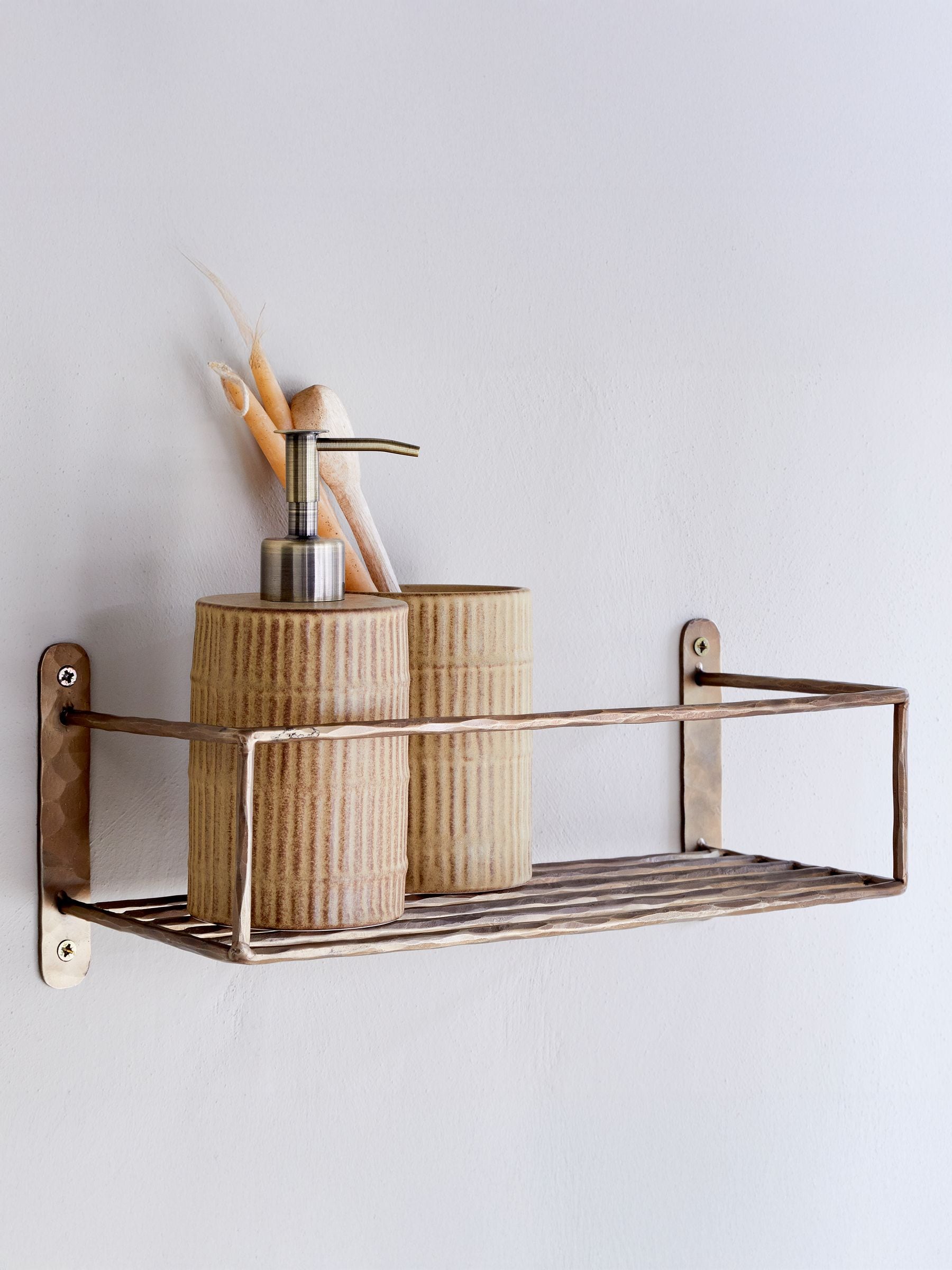
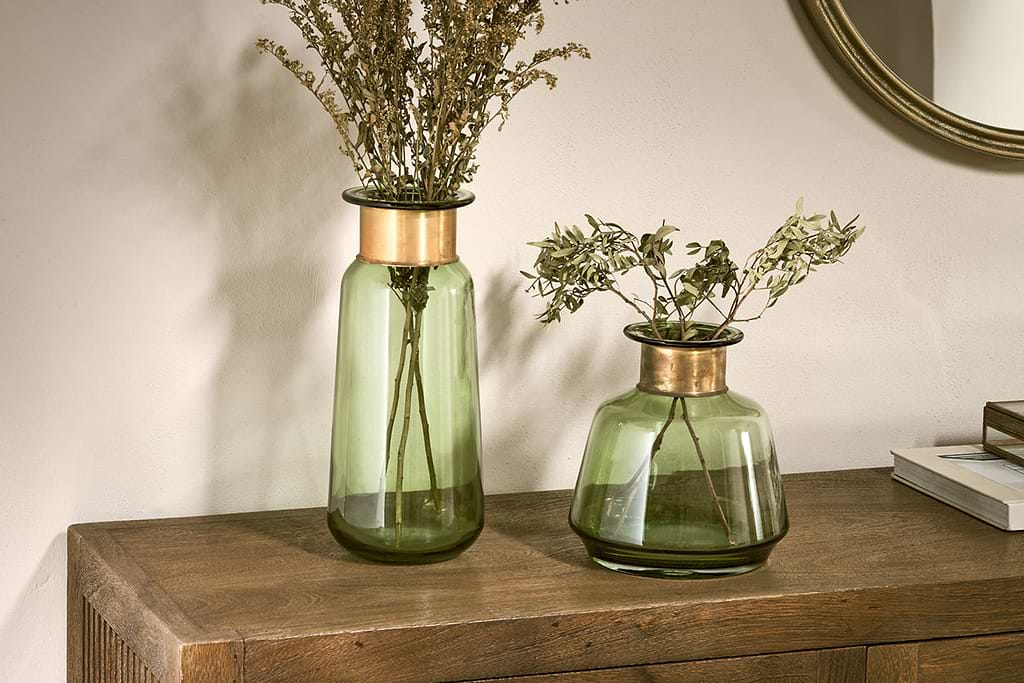
Some links above are affiliate links. If you buy through them we may earn a small commission at no extra cost to you. We only suggest pieces we think fit a calm, lived-in home.
Free guide
The Calm Shelf
12 styling ideas to help you compose calm, balanced shelves in natural texture homes.