

Many homes struggle with cluttered layouts and too many competing textures. A living room crammed with mismatched materials can feel chaotic and heavy.
A clear method for layering natural fabrics and wood brings order to these spaces. This works especially well in a small apartment when storage is limited because simplifying the decor reveals the natural warmth of materials.
The short version: This guide explains how layering jute, linen, rattan, and wood in a measured way creates balance and calm in your home. It offers practical design shifts for everyday spaces.

Where this works best
In rooms with limited space, a simple use of natural textiles anchors the design. A carefully chosen jute basket or a single wooden accent can set the tone.
The living room and dining area are common choices for slow living decor. In a small living room where furniture competes for attention, selecting one or two natural elements helps focus the eye. A neutral palette is ideal when walls and floors let textures speak. A cluttered coffee table makes a room feel weighed down, so reducing unnecessary layers lightens the space.
Many households feature spaces where light is scarce and storage is limited. A simple wooden bench or a woven basket placed on a shelf can break a monotony of empty surfaces. Avoid piling too many accessories that clash and create a visual overload. A bare shelf reads colder than one with a single woven basket.
When arranging your decor, lean on tangible pieces that bring both form and function. A well-chosen centerpiece such as a textured vase can complete a room’s story. You might note how Layered neutrals building depth in a minimal living room 3 offers a similar subtle focus. The clear hierarchy of natural elements supports a more balanced environment.
Styling and placement
Styling and placement hinge on clear focal points and measured layering. A modest placement of organic items makes the setting feel warm and approachable.
Rooms that host slow living decor often demand careful selection of a few well-placed items. A clean mantle with a single linen throw can reframe the ambiance of a sitting area. Strategic placement of a rattan basket or a clay bowl on a streamlined shelf helps tie the room together. A carefully balanced display reduces clutter and draws the eye effortlessly.
In kitchens and entryways, positioning natural artifacts with intention creates a sense of order. A calm arrangement on a wooden console can invite a quieter, more reflective mood. A soft shadow from a paper lamp or a spread of muted textures highlights the room’s understated elegance. A bare shelf reads colder than one with a single woven basket.
Quick calm checklist:
- Limit the number of statement pieces.
- Keep the palette neutral for subtle harmony.
- Mix a single texture with a complementary natural material.
Careful placement also smooths out any abrupt transitions in material texture. A well-placed organic bowl on a minimal table softens the sharp lines of modern furniture. You might see a similar approach as seen in Textured corners styling small spaces with big calm that balances function and soothing design. The reduced visual clutter makes the room feel more relaxed and focused.
How to mix natural materials for a balanced feel?
Mixing natural materials involves selecting a lead element and building around it. A favored fabric or piece of wood can guide the selection of complementary textures.
A dining area with mixed chairs and a wooden table can benefit from adding a single linen cushion. The varied textures of rattan, cotton, and lightly distressed oak work together to soften a room that could otherwise feel rough. A balanced mix of jute and fabric can prevent the layers from overwhelming each other. A side table with a simple ceramic setting shows how texture can calm bold surroundings.
Spaces like a reading nook or a quiet corner invite a careful blend of natural styles. A mix of a woven basket and a soft linen throw can complete a small seating area. A layered look is effective when a calm base is chosen first, so mixing materials in a set hierarchy keeps the design focused. A modern shelf with an organic bamboo accent shows that a soft balance works best.
Introducing different materials is most successful when you choose a dominant element first. In a living room, a well-worn sofa in organic fabric can anchor the design, encouraging other textures to support rather than overpower it. One clear lead piece sets the order that prevents visual clutter and over-embellishment. A simple contrast, like a rough-hewn table beside a soft cotton pillow, offers a tangible reminder that structure matters.
Often, after arranging several natural items, a homeowner may step back and feel that the room appears disjointed. That moment of realization signals that the layering might be too busy, leaving the space feeling heavy and overwhelming. It matters now because the clarity of a room can significantly impact everyday calm.
When you choose a focal piece, the room instantly feels more cohesive.
Save this idea for later.
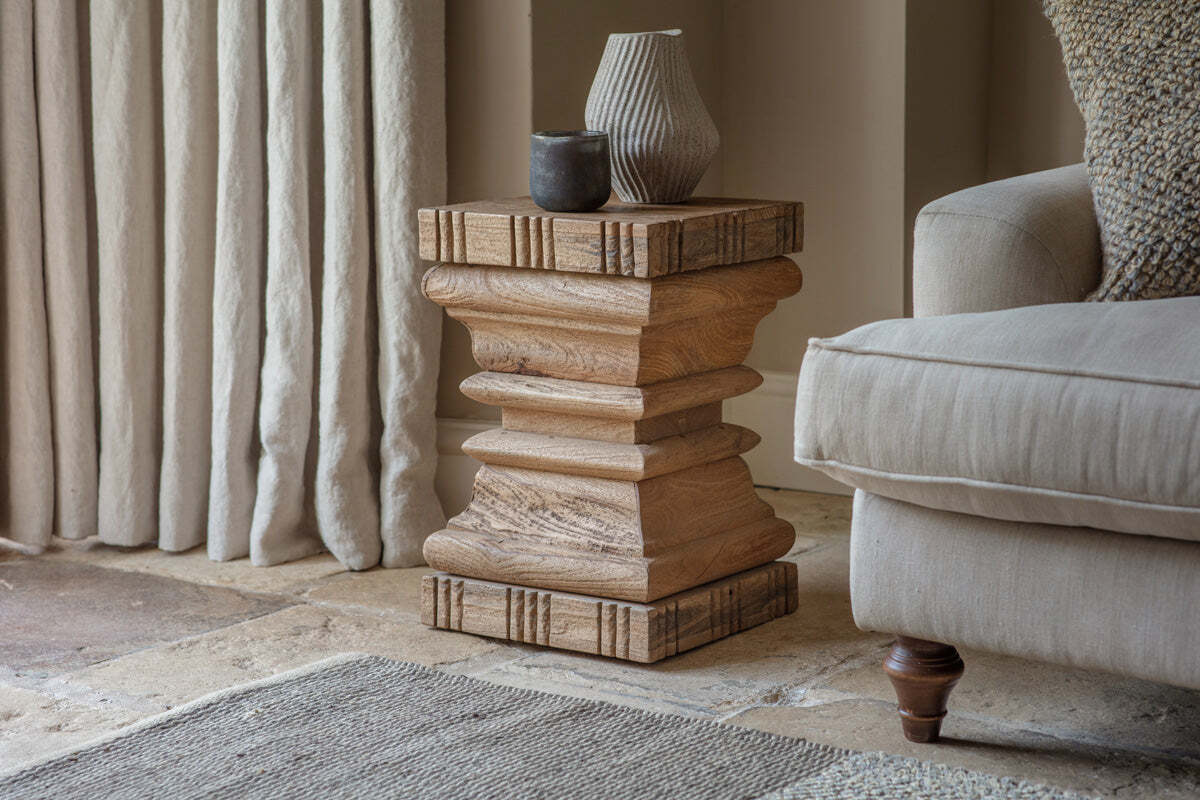
Disha Carved Mango Wood Side Table – Natural
adds quiet structure and warmth while keeping the room balanced.
Embracing simplicity and texture
Simplicity in design relies on reducing clutter while honoring texture. A carefully chosen fabric or finish can tell a room’s story with minimal effort.
A small kitchen or a tidy foyer works best when the decor is pared down to essentials. Simple wooden cabinets with a single woven tray create a subtle yet compelling look. Tactile materials, like a linen runner or a rattan basket, add depth without overwhelming the senses. A thoughtfully set table allows each piece to breathe and serve its purpose.
Daily routines benefit from surfaces that do not distract. A clear countertop with organic ceramics and mild lighting transforms a functional space into one of relaxed enjoyment. When textures are prioritized over trinkets, every item becomes a statement of calm simplicity. A bare wall feels harsher than one with a subtle art piece, guiding the eye to the delicate play of shadow and texture.
Using fewer items creates an environment where each material stands out. A well-considered blend of soft fabrics and light woods can refresh an otherwise stark room. The approach is practical: fewer distractions help focus on the beauty of natural texture. Subtle details like the grain of a wooden bowl underscore that less can be more, when paired with a detailed context such as Warm natural textures for low light rooms making a space feel softer.

Focusing on focal points in a room
A room benefits when one distinct element anchors an area. A well-chosen piece, whether a textured cushion or crafted furniture, sets a clear visual hierarchy.
In many apartments with limited space, an accent item can serve as the clear centerpiece of design. A carefully selected side table or a striking wall hanging draws attention away from clutter. When the focus shifts to a single, charming object, the rest of the room falls naturally into place. A complementary chair in neutral tones balances the look surrounding it.
The act of choosing a focal point is an intentional design decision that simplifies spatial organization. A plain backdrop paired with a standout rug or a unique wooden console reinforces the room’s calm. In a setting where other accessories remain muted, a firelight piece of bamboo artwork can transform the atmosphere. A dynamic contrast, where a softly lit corner highlights a single textured table, proves how a focus piece defines the room. Using japandi home decor concepts here adds both warmth and clear structure.
Every dining table or entry counter gains a sense of order when a centerpiece sits at its heart. The room feels curated rather than crowded when one statement piece leads the design. This approach clarifies the visual narrative and imparts a cozy, lived-in quality to the space. A side cabinet with a natural finish invites the eye to rest on its crafted lines, showcasing how structure influences overall balance.
Layering textures with purpose
Purposeful layering involves deciding which textures support your design best. Choosing a mix of organic and woven accents creates a balanced look.
In a bedroom with simple furnishings, adding a natural linen throw and a rattan basket can boost warmth without overwhelming the space. A mix of organic home decor pieces, like a clay vase next to a woven basket, softens the look of modern furniture. The strategy lies in selecting one primary texture and then using one or two accents to complement it. A layered effect softens sharp modern lines, making the room feel inviting.
Everyday applications include a mix of a soft cotton pillow with a sturdy rattan chair or a natural jute rug on polished wood. This mix allows the eye to move naturally between different elements without confusion. A tangible benefit is that layering these items reduces stress caused by visual dissonance. A natural contrast emerges when a smooth linen cushion rests beside a rugged rattan chair, demonstrating that thoughtful layering creates a visually pleasing hierarchy.
Choosing textures carefully establishes a calm through continuity. A soft organic finish at a statement shelf channels energy evenly throughout the echo of the room. The effect is a space that appears both lived-in and thoughtfully arranged. Incorporating slow living decor means each item contributes to a purposeful, serene narrative that feels both deliberate and effortlessly pleasing.
Creating a united space with color and wood
A united space emerges when a warm tone and a singular material guide the decor. Using a blend of wood tones and gentle hues creates a seamless flow.
In open-plan areas, merging colors from furniture and walls can define zones neatly. A wooden console paired with soft neutral cushions bridges the gap between rooms. Choosing natural material home decor elements helps tie different spaces together without shouting for attention. A measured use of wood, alongside pastel accents, anchors the overall style clearly.
The visual balance improves when a room features a consistent wood tone across cabinets and accents. A chosen element like a handcrafted side table provides an emphasis that links together scattered styles. This is rooted in the idea that a consistent material palette soothes the eye and strengthens place identity. A natural contrast appears when a lightly stained coffee table stands next to a sharply painted unit, proving that unity in design softens differing textures.
Bringing together soft neutrals and wooden finishes works well in spaces where mismatched decor once reigned. A consistent theme helps the room feel curated yet lived-in. When you use japandi home decor design principles, layered neutrals and wood add a sense of calm that defines each area. A gentle reminder of this approach is seen in a blend of wood and glass details, as highlighted by Wood glass and soft metals natural texture pairings that feel light, which shows how a single element can unify varied textures.
What I’ve come to know about working with natural textures
Over time, I have learned that working with natural textures calls for careful curation rather than abundance. A simple, well-placed accessory can transform a room that once felt too busy into one that welcomes calm and clarity. My experience has been that layering too many textures often leads to a confusing space, while a clear focal item can ground the design.
I appreciate how each piece, from a small clay bowl to a woven jute rug, carries its own quiet story. Reflecting on years of trial and error, I have seen firsthand the difference a measured approach can bring. It teaches us that less can be more when every item has a thoughtful place. — Mara
Common questions
How do I balance natural materials in a small apartment?
In rooms with limited space, a simple use of natural textiles anchors the design. A carefully chosen jute basket or a single wooden accent can set the tone.
What is the key to mixing natural materials without clutter?
Mixing natural materials involves selecting a lead element and building around it. A favored fabric or piece of wood can guide the selection of complementary textures.
Why does choosing one focal piece help a japandi room feel coherent?
When you choose a focal piece, the room instantly feels more cohesive. Often, after arranging several natural items, a homeowner may step back and feel that the room appears disjointed.
Explore more calm combinations inside our Shop The Look .
Shop the Look
Nkuku pieces that embody the clean lines and natural materials of japandi style.
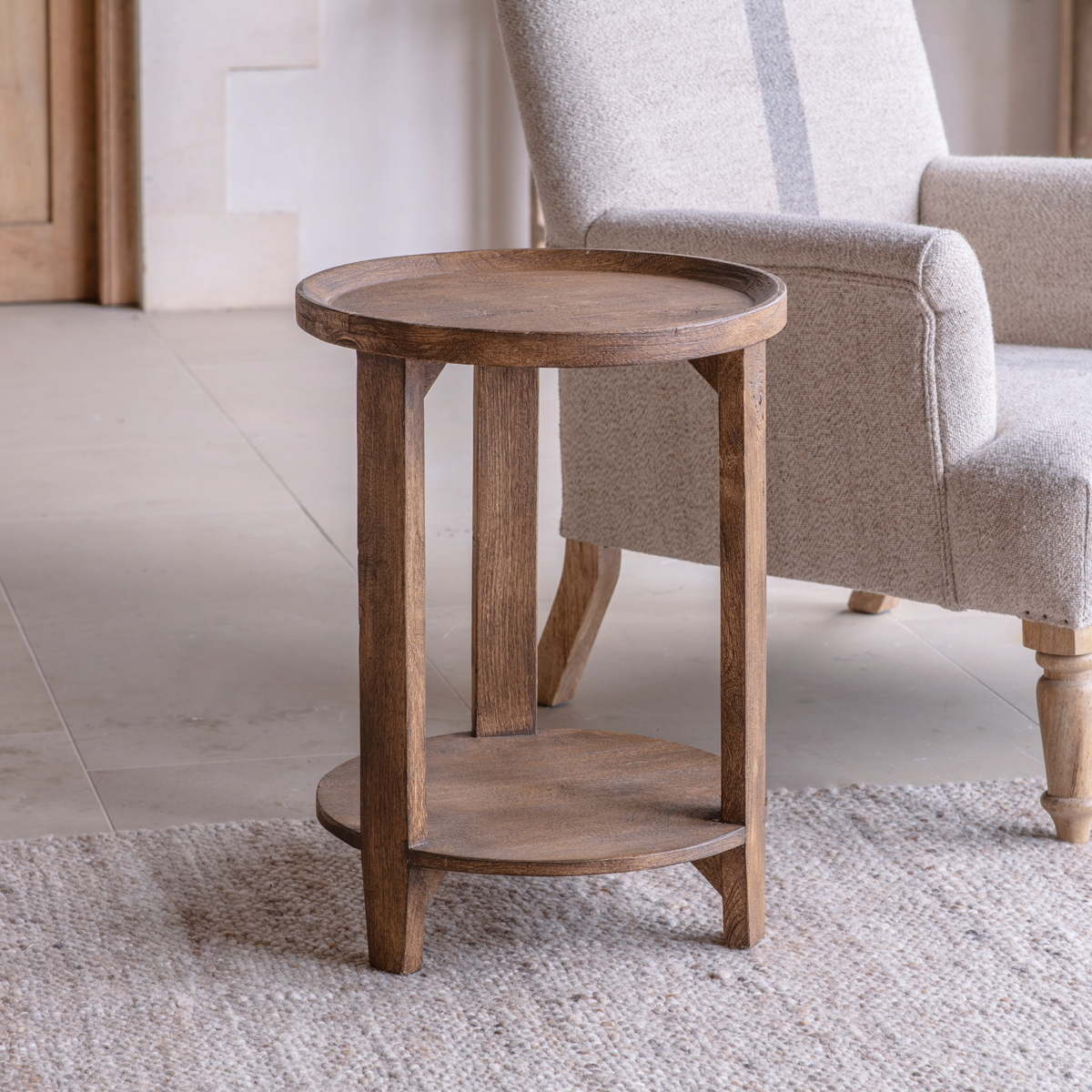
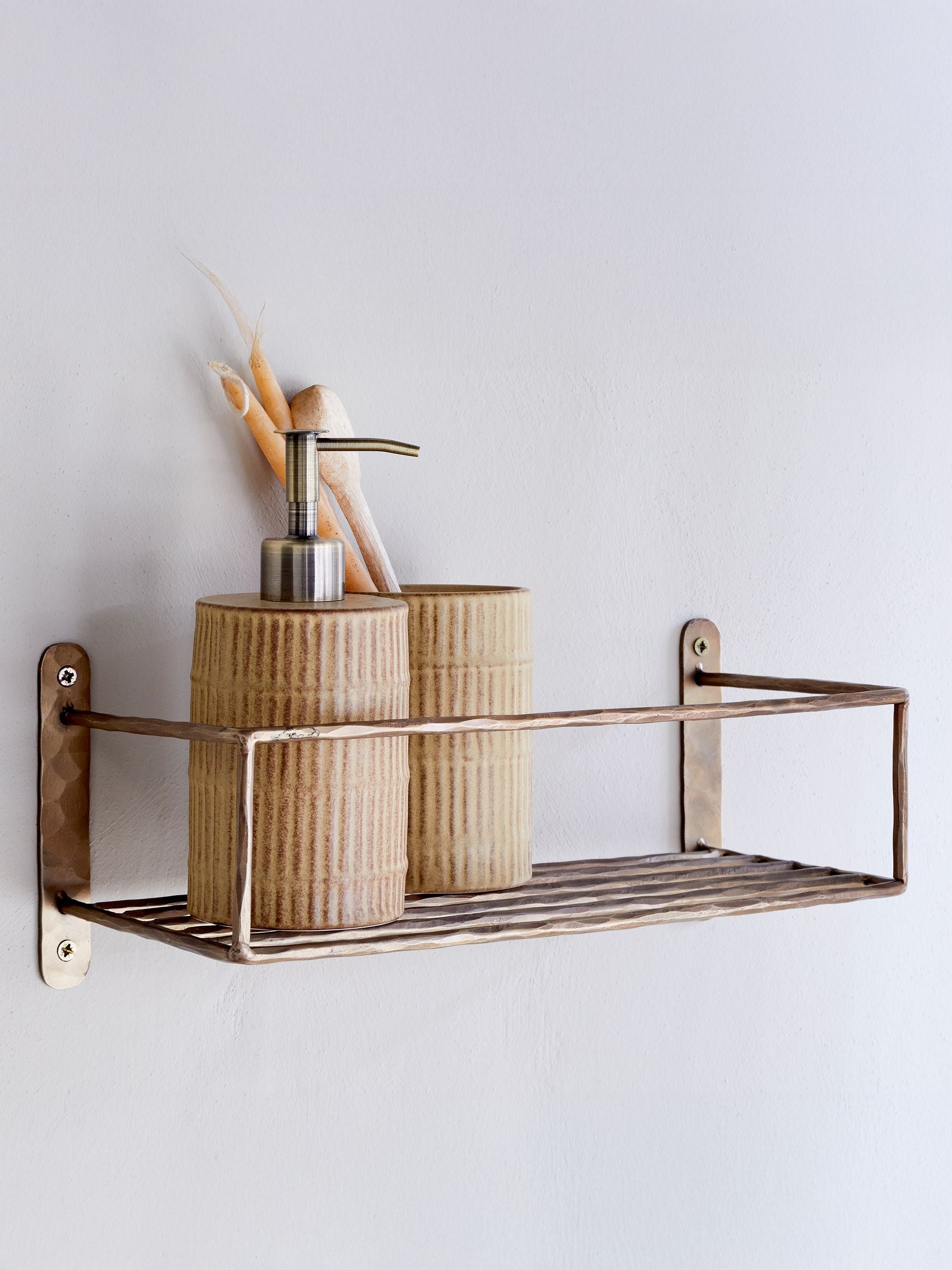
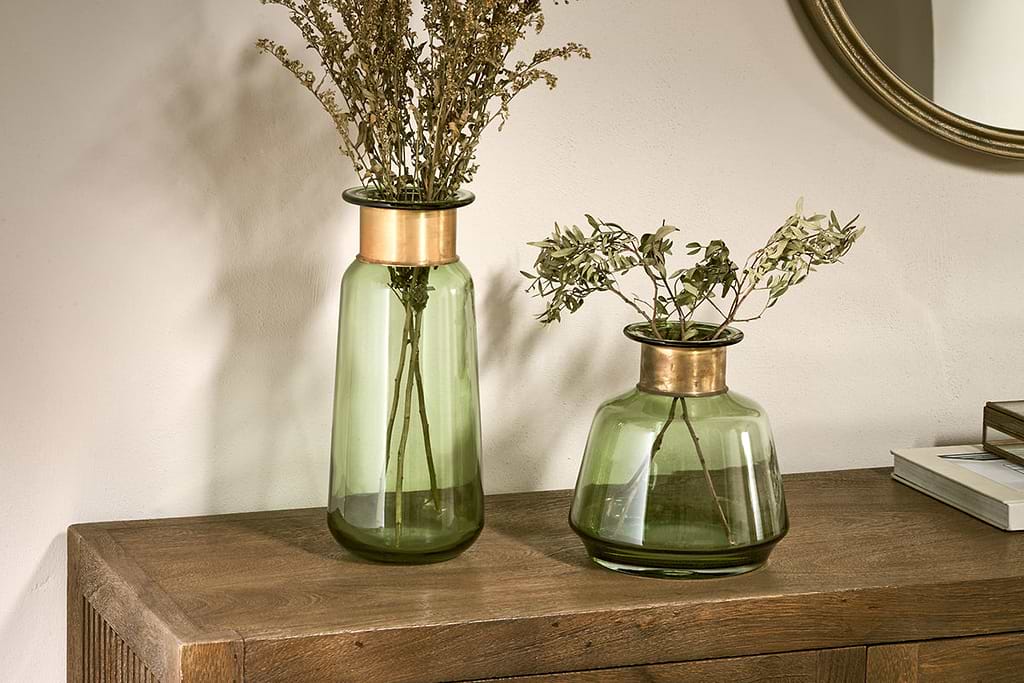
Some links above are affiliate links. If you buy through them we may earn a small commission at no extra cost to you. We only suggest pieces we think fit a calm, lived-in home.
Free guide
The Calm Leaf
12 quiet ways to bring dried botanicals, stems, and natural textures into calm spaces.