

For many people, figuring out how to make a bedroom feel luxurious is frustrating because most homes come with busy layouts, mismatched storage, and not much room to move things around. When natural textures compete, jute, linen, wood, rattan, the space often feels loud, not calm. Plushness becomes mess.
This guide will help you get the look and the calm: you’ll learn what to change, what to leave out, and which materials to mix for a bedroom that feels soft, quiet, and inviting. This works especially well in small bedrooms when you keep the palette limited because it makes the space rest easy on the eyes.
The short version: The best way how to make a bedroom feel luxurious on a normal budget is to combine a few real textures, like washed linen, jute, rattan, and pale wood, then set a clear focal point. Fewer, high-surface items shift the room from busy to calm, and every accent stands out more.

How do you keep mixed textures from looking chaotic?
Group just two or three large natural textures, like linen and jute in bedding and rugs, and let other elements stay plain. Small accents, spaced out, work better than filling every corner.
A room with too many types of baskets, throws, and woods ends up feeling crowded and restless. In most bedrooms, different finishes, smooth wood, rough jute, crackled ceramics, compete for attention and can break the flow. Putting a jute rug under a linen-covered bed anchors the eye and helps the details stay organized.
When you settle on a few larger, meaningful pieces in natural material home decor, it gives the room a way to breathe. A narrow nightstand in pale wood does more with less than a row of small decorative items on every surface. If the colors are kept similar, the texture stands out for its warmth and ease.
Unlike an over-layered corner bristling with baskets and textiles, one woven tray set on a dresser softens the surface and gives you somewhere simple to drop keys or jewelry. The space feels more open, not busy. Try putting a single textured lamp or a basket on a shelf to check the effect before adding anything else.
Where this works best
Focusing on natural materials works best in bedrooms, guest spaces, and small rental rooms that need warmth without clutter. Letting the textures carry the style cuts down on visual mess.
Bedrooms, especially ones with ordinary carpet or plain tile, benefit from an anchor of earthy home decor. Even rental-friendly spaces, where you can’t repaint or swap out built-ins, respond to layers of soft textiles and a clean, quiet palette. A simple jute rug or a rattan bench adds a sense of comfort without permanent changes.
Most nights, a heavy headboard or sharp-edged nightstand feels cold and formal. Instead, something like a woven basket under the window or a linen pillow in the center of the bed tempers all those straight lines, making the spot more restful. This small swap gives the room a sense of ease, making it work for both sleeping and unwinding.
Avoid pairing dark, glossy furniture with pale, open-weave accessories. In those cases, the materials clash and the room feels off-balance. Instead, keep the biggest pieces pale and matte, then add just one accent with more texture or color for interest.
Why does linen make a difference?
Linen softens hard edges and takes on the light in a way no synthetic can. Recycled or washed linen is especially good for bedding because it looks inviting but never fussy.
Linen works in a bedroom because it stays cool to the touch and lets wrinkles look intentional, not messy. The way it diffuses daylight brings out the slight variations in the weave, so the color never feels harsh. Over time, linen grows softer with use and washes, unlike some cottons that pill or fade. This keeps it a favorite for anyone looking for calm.
Most high-street synthetic bedding is tightly spun and holds a shine under the lamp. A true linen pillow cover, like a recycled linen option, is more absorbent and feels less sticky on skin. When sunlight filters through a linen curtain or hits the bedding, the texture picks up a natural glow, giving the area a gentle lift.
Compared to a synthetic throw, a single layered linen blanket on a bed brings out the best in organic home decor. It looks lived-in, never stiff, so the space feels settled instead of staged. Test it by swapping one pillow or draping a linen runner across the foot of the bed.
Styling and placement
Keep each major texture anchored to one use: jute on the floor, linen on the bed, rattan at the foot or side. Line of sight matters more than filling empty space.
In a bedroom, the first thing you see is key. If the bed faces the door, use that wall for the visual anchor, usually big bedding, a rug, or a light wood bench. Sparseness reads better than layers for neutral home decor ideas. Put baskets under the nightstand or on the shelf instead of out in open corners.
A single, pale jute rug marks the main walking path and leaves the edges open, so the room feels wider. Soft, crumpled linen bedding takes over the main surface, feeling unforced. For extra texture, a rattan tray or stool at the side keeps things within reach without pulling the eye away from the bed.
Quick calm checklist:
- Stick to a limited palette, mix no more than two wood tones and two textiles.
- Let one large item (rug or bed) set the base, with small accents echoing its color or weave.
- Leave some space clear, especially at the door or window.
- Add visible grain or weave for softness but avoid doubling up in the same area.
- Keep light fixtures simple, using fabric or rattan shades for a muted glow.

How to use color with natural materials?
Keep colors pale or grounded, sands, oat, clay, soft white, so textures are what you notice. Deep colors can work, but only as tiny accents.
Pulling the right color matters for earthy home decor because it stops the room from feeling either washed out or overstimulating. Most rental bedrooms come with neutral walls and typical carpet. Adding mid-toned wood, gentle rattan, or even olive linen, builds depth without the space tipping into busy.
If color goes too dark, like a black throw on a cream bed, the room gets heavy and loses what makes it relaxing. Instead, let the biggest shapes stay light, then add a dish or lamp in dusky blue, smoked glass, or weathered gold. These add interest but don’t pull away from the calm feeling of [a calm bedroom environment](https://www.sleepfoundation.org/bedroom-environment).
Compared to crisp white or high-contrast black, softer colors with some brown in them feel easier to live with, and the textures take the lead. Place the pillow or throw nearest the window to see how the colors shift through the day.
What is one piece that always brings calm?
A single, generously sized cushion cover in real linen or jute, especially in a gentle color, grounds the bed and draws every other element together.
Most beds, after regular bedding, feel flat or generic. Adding one tactile cushion, roughly a third the width of the bed, draws the eye in and sets a clear center. A recycled linen pillow in pale oat or undyed gray looks put-together but not precious, and invites use, which makes the space more approachable.
It’s easy to spot the difference. Two tiny throw pillows read fussy but a single linen cushion on a sea of plain bedding pulls the room together. A woven home decor piece, such as a rattan tray under that pillow, helps break up the surface without adding more chaos.
Unlike piling on mismatched cushions, one oversized, real-fabric pillow on the bed looks finished and restful. Use this trick if you don’t want to redo the whole room but need something that stands out.
How can lighting support earthy home decor?
Soft, indirect light makes natural materials look their best, lamps with linen shades or warm bulbs show texture, not shine.
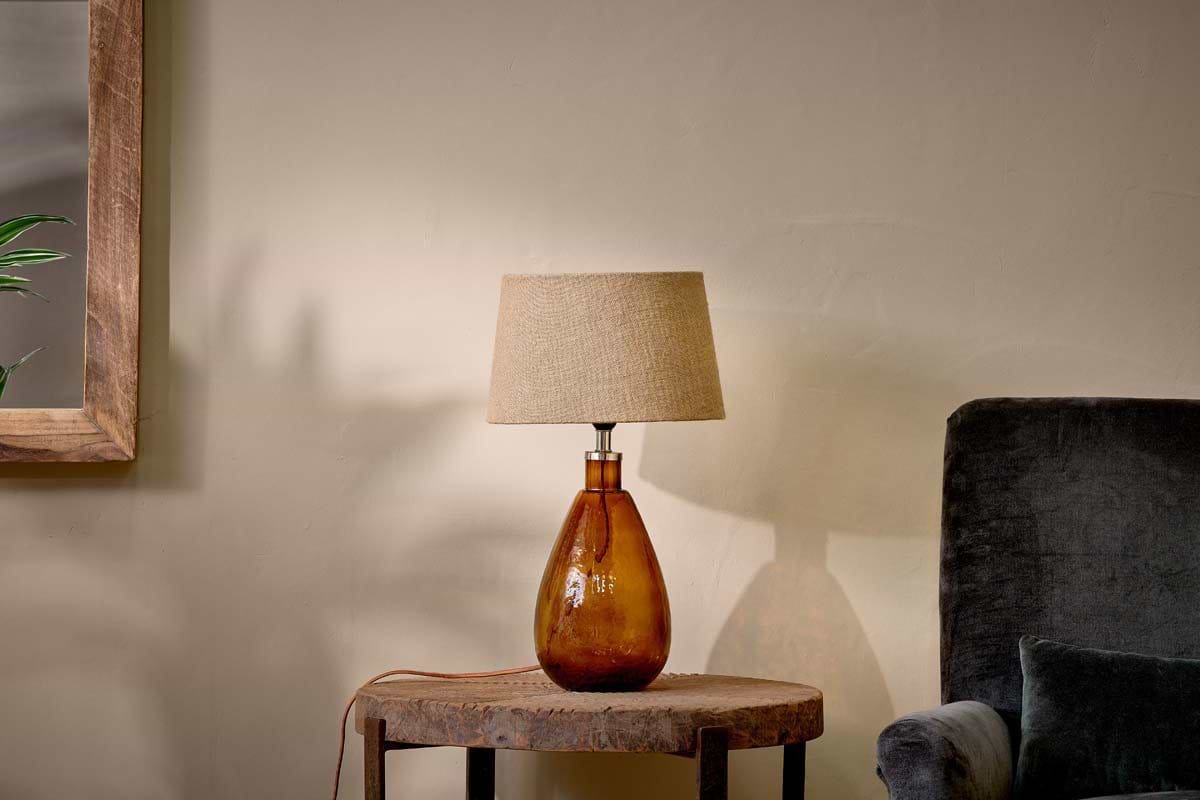
Table lamps with woven or linen shades filter the glow and help keep the bedroom from feeling cold or harsh at night. Most overhead lights in rentals or older homes are too bright and make organic home decor look bleached out. Positioning a lamp near a rattan bench or over a linen-curtained window ensures those textures catch the late light in a soft way.
Bedside sconces, if allowed, are another simple fix that brings function without taking up dresser space. Good lighting highlights, rather than flattens, each material. This matters in small bedrooms, where every piece on display gets some attention.
Compared to a slick metal lamp, a woven base topped with a fabric shade softens the whole area and ties together different textures. Place lighting so it shines across, not directly down onto, objects like a jute rug or a pale wood shelf for best effect.
What tends to hold up with layering natural materials
Reviewers and decorators repeat the same advice: keep the palette limited and textures purposeful. Most people who layer jute, linen and wood in bedrooms say they love how well those surfaces handle daily use, jute hides dust, linen stays cool, and rattan wears in without sagging.
One thing that consistently works is using matte, unfinished wood and open-weave accessories in places that get natural light. They keep the room looking soft all day instead of going shiny. For spaces with less sunlight, testers often recommend linen or light canvas, these don’t dull out like synthetic versions.
, Mara, Loom & Glow
Common questions
How do you keep mixed textures from looking chaotic in a bedroom?
Group just two or three large natural textures-like linen and jute in bedding and rugs-and let other elements stay plain. Small accents, spaced out, work better than filling every corner.
Why does linen make a difference in a bedroom?
Linen softens hard edges and takes on the light in a way no synthetic can. Recycled or washed linen is especially good for bedding because it looks inviting but never fussy.
Where does focusing on natural materials work best?
Focusing on natural materials works best in bedrooms, guest spaces, and small rental rooms that need warmth without clutter. Letting the textures carry the style cuts down on visual mess.
Explore more calm combinations inside our Shop The Look .
Shop the Look
Soft, tactile pieces that turn a bedroom into a restful retreat.
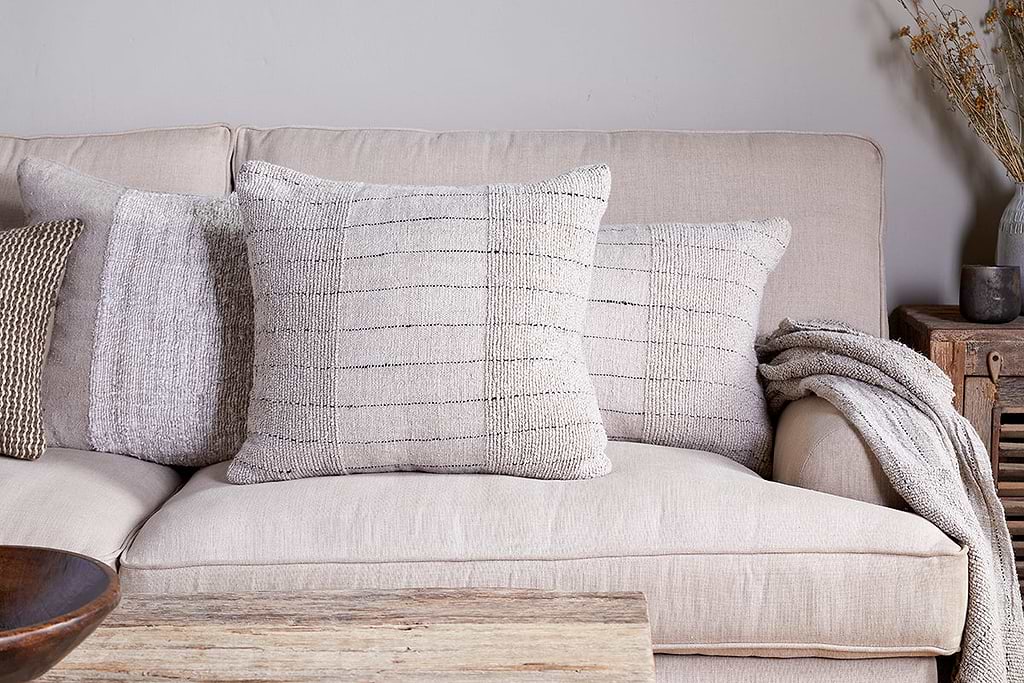
Mayla Cushion Cover
Soft hand-textured cover, instant warmth on linen sofas or chairs.
View at Nkuku →
Some links above are affiliate links. If you buy through them we may earn a small commission at no extra cost to you. We only suggest pieces we think fit a calm, lived-in home.
Free guide
The Calm Leaf
12 quiet ways to bring dried botanicals, stems, and natural textures into calm spaces.