

The entryway is often the first glimpse of a home’s personality. Simple choices can add quiet warmth without overwhelming the space.
Handcrafted items and natural accents bring a welcoming tone. A careful mix of materials and textures makes daily life feel more personal.
The short version: A few handmade details in your entryway can change its vibe. Embrace natural materials and soft textures to set a calm, inviting tone.

Choosing Entryway Accents
Start with a jute basket and a ceramic bowl. Natural materials and thoughtful placement boost the entryway’s welcoming feel.
The entry space often carries a blend of utilitarian purpose and personality. A small jute basket can hold keys and mail while signalling care for the details. This simple item makes the area feel lived in yet uncluttered. A ceramic bowl on a console table adds a touch of handmade character.
Placing a woven rug under a narrow console helps ground the space. When natural elements combine with personal touches, the space becomes inviting for both residents and guests. In contrast, store-bought items may seem impersonal. A well-chosen accent can soften the edges and add a gentle rhythm to the entry.
A family member might place a small memento on the surface, marking a return to a space that is both functional and warm. The chosen accents create a welcoming doorway that hints at more thoughtful design deeper in the home.
Balancing Handmade Decor
Select a handmade rug with natural dyes. This brings a balanced approach by using subtle colour accents that guide the eye.
A handmade table runner or cushion can break up the uniformity of a neutral space. Each piece tells a story of care and craft, adding layers without overpowering the overall look. The entry becomes a mix of functional design and quiet artistic expression. A set of diy candle holders from diy candle holders can enhance the area with a soft glow in the evening.
The careful selection of items ensures that the space remains calm and coherent. When personal decor is balanced with minimal furnishings, the room feels naturally cosy. In contrast, too many accents may break the flow of simplicity. The careful placement of each object ensures that the result is warm and considerate.
In a busy morning routine, a simple bench with a few personal touches can ease the start of the day. The balance between handcrafted pieces and everyday functionality creates a gentle introduction to the home.
Where this works best
Avoid clutter by choosing only a few meaningful pieces. Natural wood details and light fabrics work best in defining this space.
A variety of settings can benefit from personal, handmade items. Entryways in apartments, townhouses, or larger homes all earn from subtle handmade decor. A small shelf with a few essential items can create harmony. One might set down a carefully selected vase that has sentimental value.
In a home with tight spaces, these accents provide both purpose and beauty. When a hallway feels too bare, a hand-stitched cushion can brighten the mood. In contrast, overly busy decorations tend to block the simple calm. A balanced approach lends a sense of order and a life lived with care.
A rainy morning with soft light accentuates the natural features of the home, showing that a little can be very effective. The use of handmade details in constrained spaces shows how small choices lead to a bigger impact.
Lighting and Atmosphere
Choose a gentle lamp with a linen shade. This choice brightens the entry softly while keeping the look grounded and natural.
Lighting plays an important role in setting the mood. A table lamp with a fabric shade can reduce harsh shadows. When gentle light meets soft décor, warmth follows. Using linen wall decor in the background can connect the room’s visual story.
Colours that remain soft and wearable add a layer of calm. The interplay of shadow and light is noticeable in the early morning. In contrast, bright fluorescent fixtures contribute to a stark atmosphere. The right lighting accentuates the handpicked materials and brings out their natural colour.
Setting aside a small corner for a reading nook near the entry makes practical sense. Soft illumination enhances both function and form, offering comfort after long days. A carefully chosen lamp relays a message of simplicity and care, setting the tone for the entire home.

Styling and placement
Arrange items on a narrow console table. Practical placement supports a calm visual journey as you step inside.
Quick calm checklist:
- Place a simple bowl that holds daily essentials.
- Keep surfaces clear of excess items.
- Use a handmade mirror to reflect soft light.
- Integrate a modest piece of wall art.
The placement of accessories is as critical as their selection. When you position your art piece at eye level, then the entryway feels balanced. A sleek bench can invite you to sit and remove your shoes without cluttering. Using warm ambient lighting as part of the décor adds a gentle luminescence.
Careful styling helps guide the flow of the space. A well-placed vase or a trimmed plant can direct the eye while preserving simplicity. In contrast, a misplaced object may pull the eye in the wrong direction. The way items are arranged makes practical sense and supports a quiet, focused area.
Small moments, such as adjusting the position of a handmade coaster, bring a renewed sense of calm. Each element is a signal of care and rational design, keeping the room both functional and inviting.
Curating Handcrafted Interior Details
Highlight a statement piece that stands out. Handcrafted interior details invite both warmth and story into your entryway.
Artisan choices feel personal and add a distinct character to any space. A skillfully made piece on a console table can bridge the entry with the rest of the home. When handcrafted interior details are in focus, the sense of identity strengthens. The added nuance of gentle craftsmanship can make utilitarian spaces come to life, much like the appeal of a well-placed vase in everyday life.
Mirroring similar textures creates a natural rhythm throughout the room. When a hand-stitched cushion or a detailed tray is added, the space feels more thoughtful. In contrast, generic items often fade against the backdrop of a calm home. A subtle display of personal work invites guests to appreciate the human element in design.
Practical considerations, such as using a small shelf that holds essential keys and mail, demonstrate that style and function can coexist. The deliberate choices here ensure that every item has both a purpose and a beautiful presence. You might pair your selection with minimal table runners to add a soft edge to the overall design.
Textural Harmony
Fuse soft fabrics with natural wood tones. A subtle mix of textures invites touch and calms the senses.
Textures play a key role in the entry’s feel and function. A linen curtain paired with a woven basket creates a sense of cohesion and gentle structure. A combination of soft fabrics and rustic surfaces ensures that the look remains warm minimalism. In a small hallway, a layered rug and a wooden console can work well together.
Delicate and tactile choices support a home that feels both lived in and cared for. When a rough-hewn bench meets smooth ceramic accents, the contrasts work together to add interest. In contrast, a uniformly smooth surface might feel too cold. A carefully chosen piece, such as a handcrafted tray resting on a side table, brings diversity to the look.
The integration of slight wear on natural materials hints at a story of comfort and daily use. A piece like a set of wooden keepsake boxes can hold small treasures and ground the space in a sense of home. Each detail works together to create a balance where textures enhance the room without overwhelming it.
The design shift is practical and calm. Choosing one focal item as an anchor, reducing the colour spectrum, and carefully placing each object is a sound design decision.
There comes a moment when the entryway simply feels off. The balance between decorative and functional elements might seem lost during busy days.
An everyday mistake is overcrowding the space with too many small items, making the area feel chaotic. This approach often leads to a cluttered look. When few pieces are chosen deliberately, the space breathes easily.
This simple strategy brings calm and clarity to a hectic morning routine.
Save this idea for later.
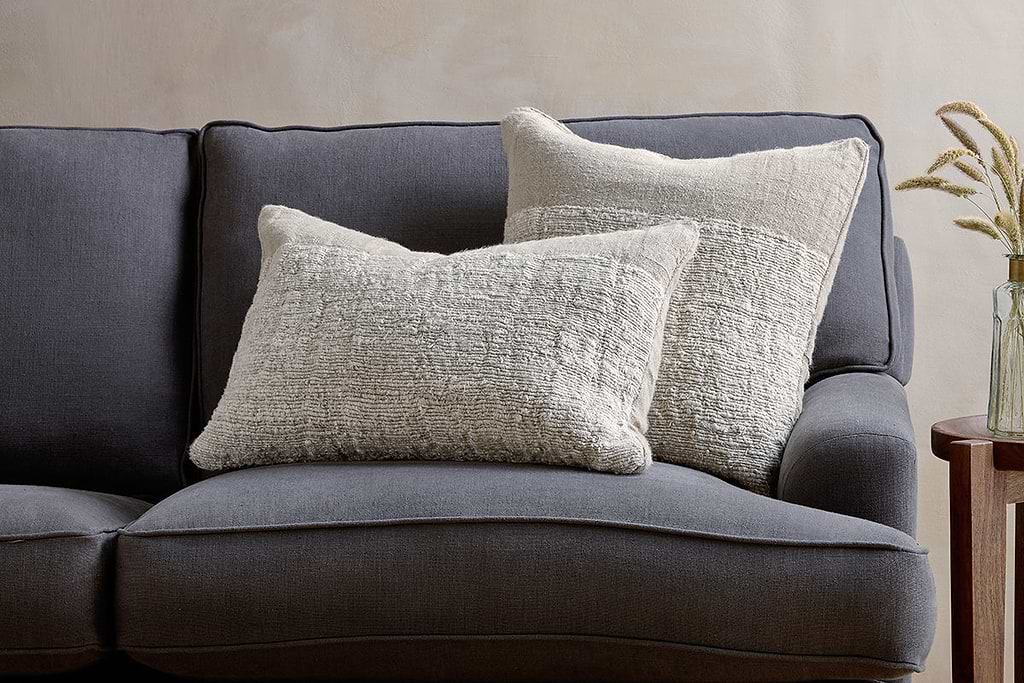
Puli Recycled Linen Cushion Cover – Natural
adds quiet structure and warmth while keeping the room balanced.
What I’ve come to know about handcrafted entryway details
I have learned that a few well-chosen handmade accents can change the mood of an entire entryway. In my own home, small details like a textured basket or a crafted bowl add comfort and a quiet smile to every day’s routine.
My journey in seeking warmth and simplicity in design has taught me that every piece matters. The subtle balance between function and beauty makes a space feel truly personal.
— Mara
Common questions
How do handcrafted items create a welcoming entryway?
Start with a jute basket and a ceramic bowl. Natural materials and thoughtful placement boost the entryway’s welcoming feel.
What’s the best way to balance handmade decor in an entryway?
A handmade table runner or cushion can break up the uniformity of a neutral space. Each piece tells a story of care and craft, adding layers without overpowering the overall look.
How can lighting enhance an entryway with handcrafted details?
Choose a gentle lamp with a linen shade. This choice brightens the entry softly while keeping the look grounded and natural.
What items should I avoid in a small entryway?
Avoid clutter by choosing only a few meaningful pieces. Natural wood details and light fabrics work best in defining this space.
Explore more calm combinations inside our Shop The Look.
Shop the Look
Handcrafted wood and brass pieces bring calm craft to the threshold.
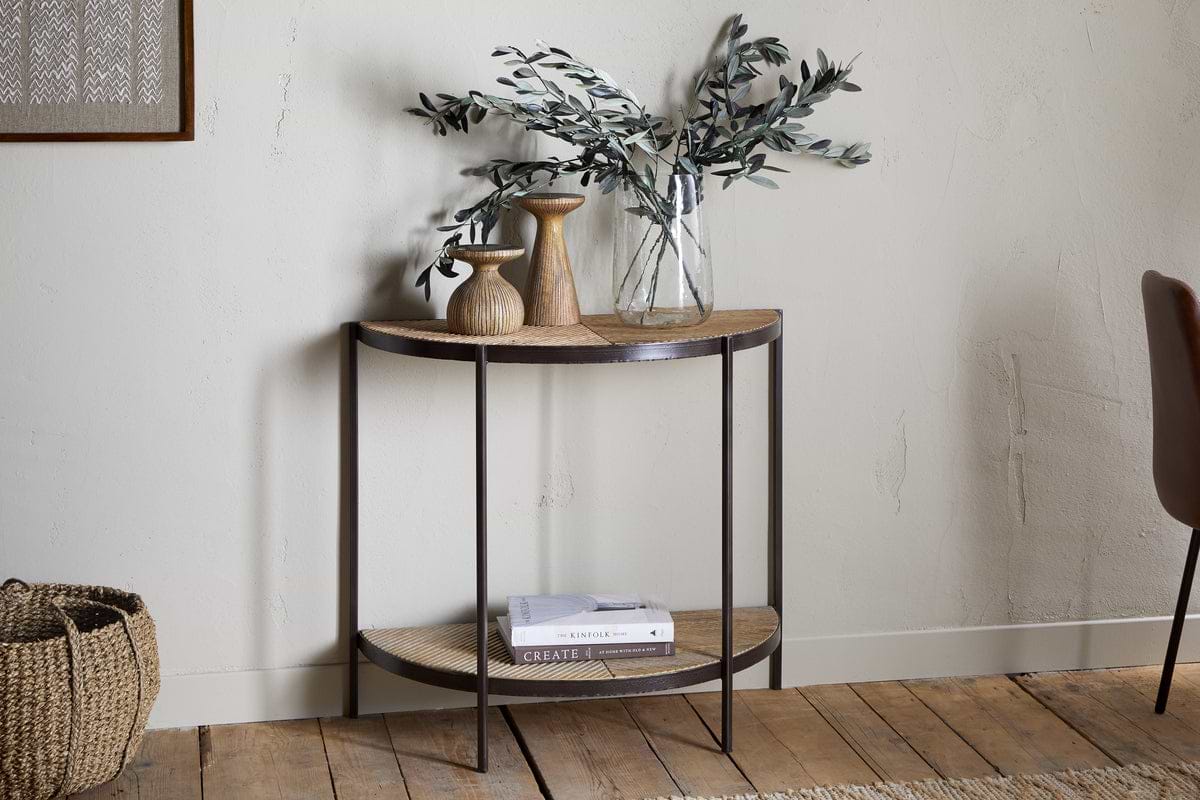
Aasha Console Table
Half-moon silhouette in mango wood; anchors entryways and narrow walls.
View at Nkuku →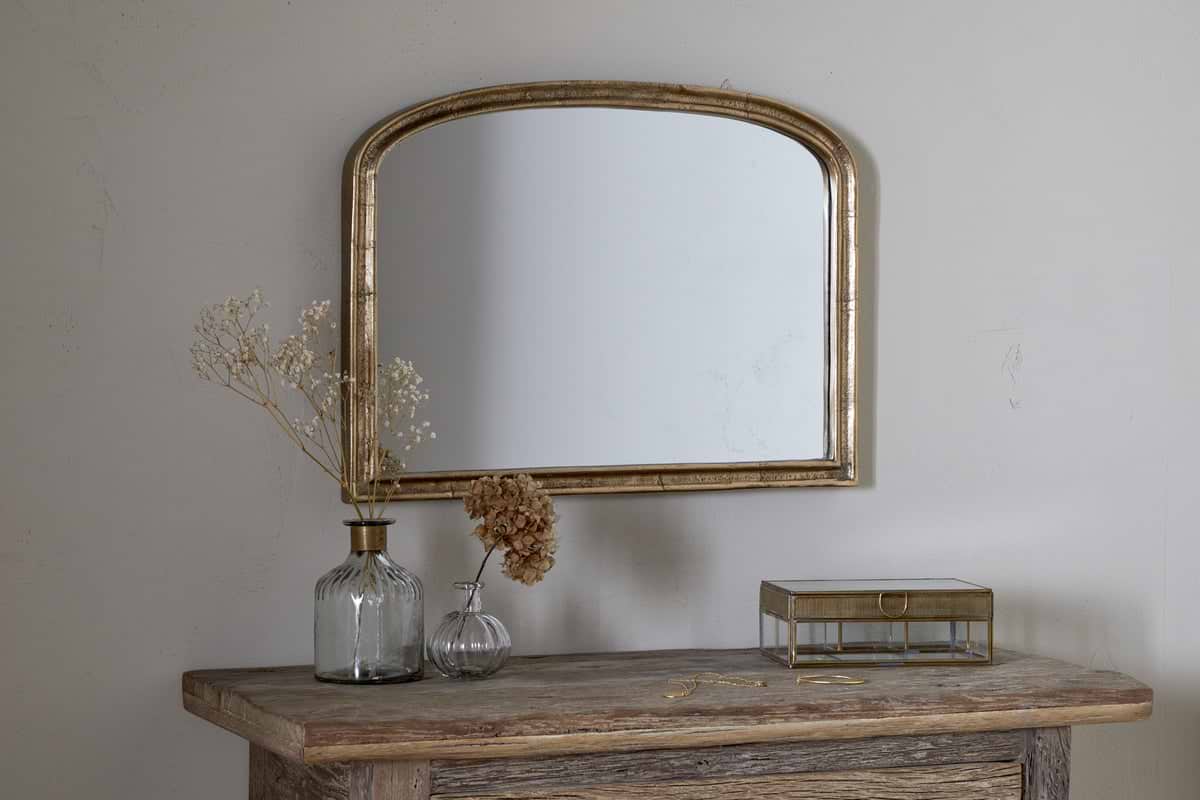
Some links above are affiliate links. If you buy through them we may earn a small commission at no extra cost to you. We only suggest pieces we think fit a calm, lived-in home.
Free guide
The Calm Leaf
12 quiet ways to bring dried botanicals, stems, and natural textures into calm spaces.