

In a small city flat, limited floor space quickly disappears under necessary furniture and stacks of daily essentials. Adding any storage often invites clutter, but acrylic wall shelves offer a practical way to keep things close without making the room feel boxed in.
The goal today is to clear cramped corners and open up sightlines. You’ll learn how to swap out boxy shelving for see-through shelves, choose what fits, and install with care. This works especially well in a boxy bedroom when you want a spot for books and keepsakes but need the room to feel lighter because wooden shelves add bulk fast.
The short version: Acrylic wall shelves hold essentials without adding visual weight, so rooms stay open and uncluttered. Choosing clear over solid shelves makes even tight spaces look calmer, with more options for placement and styling that keep the focus on what matters most.
Key takeaways
- Acrylic wall shelves fade into the background, which keeps sightlines open in small spaces.
- Floating shelves in clear acrylic create less visual bulk than wood or metal options.
- Most acrylic shelving wipes clean easily and resists scratches better than glass.
- Avoid crowding shelves—leaving half the surface open maintains a neat look.
- Retailers offer acrylic shelves designed for specific cabinets, such as IKEA Detolf and Kallax.
- Why do acrylic wall shelves work when others add clutter?
- Where this works best
- How to choose the right acrylic shelf for your wall
- What is the load capacity of acrylic shelves?
- Styling and placement
- How do you keep acrylic shelves from looking like a shop display?
- Where to buy acrylic wall shelves in the UK

Why do acrylic wall shelves work when others add clutter?
Acrylic wall shelves fade into the background, so small rooms feel less crowded than with chunky wooden shelving. The eye keeps moving, making the area seem bigger and more open.
In a small rental living room, anything added to the walls can start to weigh down the space. Acrylic shelves are clear, so instead of calling attention to themselves, they let light and wall color pass through. This tricks the eye into seeing more openness, which helps keep the feeling light.
Compared to wood or metal, transparent acrylic doesn’t chop up your sightlines. You see more of the wall and less of the shelf, which reduces the sense of bulk, especially when the shelf holds only a few objects.
Rooms with too many opaque shelves often look crowded, even if they hold only a few items. Clear acrylic shifts the focus to the items themselves—like a clay bowl or a potted plant—while holding back on adding weight to the décor.
For everyday use, this means you can install shelves above the sofa or beside the bed, display a few favorite books or a frame like the Kiko Brass Frame, and still keep the room feeling open and easy to move through.
Where this works best
Acrylic wall shelves work best in tight spaces, shared rooms, and spots with low light where every inch matters. The look always feels cleaner than solid shelves.
Inside a compact bedroom, wall-mounted clear shelves above a desk keep your workspace clear of paper stacks and small items. In a galley kitchen, installing three slim acrylic shelves on a blank wall frees up crowded counters by giving bottles and jars a home off the surface.
Bathrooms benefit, too, especially those with little natural light—a transparent shelf above the sink or beside a mirror holds skincare supplies yet doesn’t cast extra shadows.
Avoid using acrylic shelves in spots where heavy pots, tools, or stackable goods need storing; those jobs fit closed cupboards or sturdy brackets better. Open acrylic works best when you need a little surface for display or grab-and-go storage but can’t spare more than a slice of wall.
Even in a rental’s narrow hallway, a single clear shelf is less likely than a wooden ledge to make the area feel pinched, especially for keys or a slim vase.
How to choose the right acrylic shelf for your wall
The right acrylic shelf matches your wall’s width, holds only as much as you use often, and feels secure once mounted. Bracket choice and thickness matter.
In a small flat, long shelves tempt—covering most of a wall can swallow clutter, but also dominates the room. A rule of thumb: a floating shelf works best when it’s short and spaced away from other storage, letting the emptiness do the visual work.
Choosing thickness comes next. Most acrylic shelving is marketed for lighter display items like books, planters, or picture frames, but for heavier loads, a thicker shelf with strong mounting brackets is safest. Narrow shelves, especially those less than a palm’s width, won’t bow or warp under the usual weight of books.
Brackets make or break the look. Clear or matching-finish supports keep the calm. If the wall surface isn’t level, self-adhesive options exist but rarely give the long-term strength of drilled brackets. For renters, always check lease rules before making holes.
Custom acrylic shelves can be made to fit awkward alcoves or specific cabinets, like the IKEA Kallax or Detolf—according to Display Stands UK, these are available with exact brackets and sizes. Pick one size, keep loading light, and check that your fixings line up with your wall’s best structure.
What is the load capacity of acrylic shelves?
Acrylic shelves are best for light to moderate loads—paperbacks, small vases, photo frames, or jars. Weight limits depend mostly on thickness and bracket type.
For most standard acrylic shelves—especially floating types—the load limit is less than comparable wood. One common rule is to use acrylic for display, not for storage of heavy ceramics, multiple books, or large appliances. Too much weight can bow thinner shelves or loosen anchors, especially in plasterboard.
Unlike glass, acrylic resists shattering if overloaded, but it can still sag or flex. Choosing a thicker shelf helps: retailers usually offer clear guidance on safe maximum weights for each product (“Up to 5 kg” is common, but always check the fixture spec before mounting).
In bathrooms, shelves often hold only a bottle or two and a plant—well within the safe zone. For a narrow kitchen ledge, one or two small bowls or a row of spice jars won’t stress a typical shelf, but bigger cookbooks or multiple jars may need reinforcement.

Styling and placement
Keep styling calm by choosing only a few items with soft forms and neutral colors. Good placement leaves clear space both above and around each shelf.
In a living room, a single acrylic wall shelf above a sofa breaks up an empty wall. If you add a cluster—never stack more than two closely—keep the palette neutral. Place objects with space between them; a clay pot, a small lamp, and a single frame work well without crowding.
Near a window, clear shelves let light pass through, so they’re perfect for holding small plants or pale ceramics. A wooden shelf would block the sun, but acrylic leaves the light path open and keeps shadows soft.
Always step back and check the shelf’s surroundings. Compared to a busy shelf below a kitchen cabinet, a clear ledge along an uninterrupted wall draws less attention, giving the room a calmer feel that’s easy on the eyes.
Quick calm checklist:
- Pick solid acrylic over patterned or tinted types for less distraction.
- Keep at least half the shelf surface open—never touch objects right up to the brackets.
- Choose a tight color palette for both objects and wall background.
- Use only one visible shelf per wall when in doubt—multiple lines compete for attention.
- Add a woven basket or bowl for warmth if the display feels sterile.
For small rooms, placing a clear shelf high and out of sightlines keeps the flow open, while a few soft, tactile objects stop things from looking cold.
How do you keep acrylic shelves from looking like a shop display?
To keep acrylic shelves from reading as a shop display, mix in textured everyday items and leave open space between each piece. Avoid lined-up rows and bright packaging.
A shelf packed with collectibles or retail packaging can feel shop-like instantly. In a calm home, group no more than three pieces together: a stack of books, a plant trailing down, or a small tray for keys. The empty spots are as important as the filled ones.
Compared to straight lines or grids, asymmetric placement—one side heavier than the other, items set at slightly different heights—softens the look. Try layering a frame against the wall, resting on the shelf, instead of mounting everything flat.
Pair transparent shelving with objects that catch light warmly or cast soft shadows: pale terracotta, clear glass, or woven baskets. This brings warmth and texture so the display doesn’t turn cold or commercial.
For more ideas on calm styling with open shelves, browse shelf styling tips for practical layouts that work in real homes.
Where to buy acrylic wall shelves in the UK
Retailers in the UK offer acrylic wall shelves in both standard sizes and custom-made shapes, with options for specific furniture or color finishes.
Some people look for off-the-shelf options with fast delivery; high-street and online shops like John Lewis and IKEA stock simple acrylic and Perspex shelves. The IKEA MELLÖSA picture ledge is a clear, narrow shelf that suits art displays or light books. These work well for renters because they can be removed with only a few small holes left behind.
For special projects, retailers offer acrylic shelves with brackets designed for IKEA’s Kallax and Detolf cabinets. According to Display Stands UK, custom sizes can be ordered to fit awkward alcoves or to match existing furniture. DesignTrasparente also offers shelves in coloured plexiglass, some with built-in LED lighting for displays.
Compared to wooden floating shelves, custom acrylic options usually cost more, but installation is straightforward and the look is lighter for the same space. Save bold design for a single, standout spot—multiple clear shelves may cancel out their effect in a busy room.
For open-plan layouts or kitchens, kitchen shelf styling offers more ideas for making everyday items look relaxed and uncluttered.
What tends to hold up with styling small acrylic shelves
After looking at many small rooms and shelf setups, one pattern stands out: acrylic shelves tend to last best when owners resist the urge to overfill them. Reviewers often mention how quickly a crowded transparent shelf becomes busy, not lighter—decorators recommend stopping at two or three objects, with spaces in between. Acrylic resists fingerprints and scratches better than glass, which is practical for families or shared spaces, but it does need occasional dusting to stay clear. Soft natural textures like linen or clay also help balance the cool, hard lines that clear plastic brings.
— Mara, Loom & Glow
Common questions
Is acrylic a good material for shelves?
Acrylic is a practical choice for shelves because it is lightweight, sturdy for light loads, and resistant to shattering. Clear acrylic keeps rooms looking airy, and, compared to glass, stands up better to knocks and cleaning. For heavier loads, thicker acrylic and strong brackets are recommended.
Can you get acrylic shelves cut to a specific size?
Yes, you can order custom acrylic shelves cut to your exact width and depth from many specialist suppliers. This makes it easier to add storage in awkward spaces like alcoves or cabinets. Custom shelves are also available in clear or coloured finishes, and even with integrated lighting.
Where can I buy a custom acrylic wall shelf?
You can buy custom acrylic wall shelves from online retailers that specialize in display shelving, such as Display Stands UK and DesignTrasparente. These companies let you choose shelf thickness, color, and bracket style to fit your needs. Always check for mounting instructions that fit your wall type.
What should I consider when choosing the best wall shelves?
Choose shelves that safely hold what you need to store, fit your wall size, and have appropriate mounting for your surface. For acrylic, also check the thickness and load capacity based on what you’ll display. Clear shelves keep rooms light and open, especially in compact or shared living areas.
Many flat-dwellers sense something’s off after installing a standard shelf: the wall feels heavier, light cuts off, and useful spots shrink. The choice to switch to acrylic is a design move—not just swapping a material but freeing up the weight your eye sees daily.
One of the biggest mistakes is filling every inch of the shelf, which drags attention away from small joys and keeps the room feeling busy. If a shelf catches clutter or begins bending, the calm is lost and the room resumes feeling cramped. Making the shelf more selective, choosing only a few useful pieces, brings the relief.
Once a shelf holds only what you use or love, every day starts tidier. Breezes pass, light lands, and rooms seem roomier, not smaller. Save this idea for later.

Explore more calm combinations inside our Shop The Look .
Shop the Look
A few Nkuku pieces that sit beautifully on clear shelves and let the wall breathe.
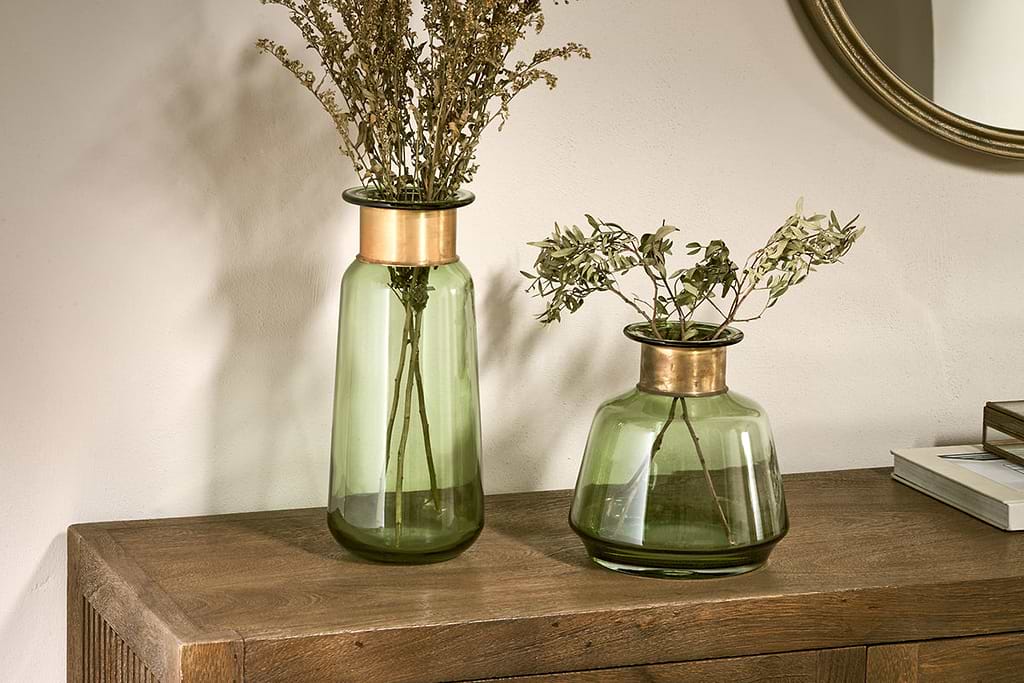
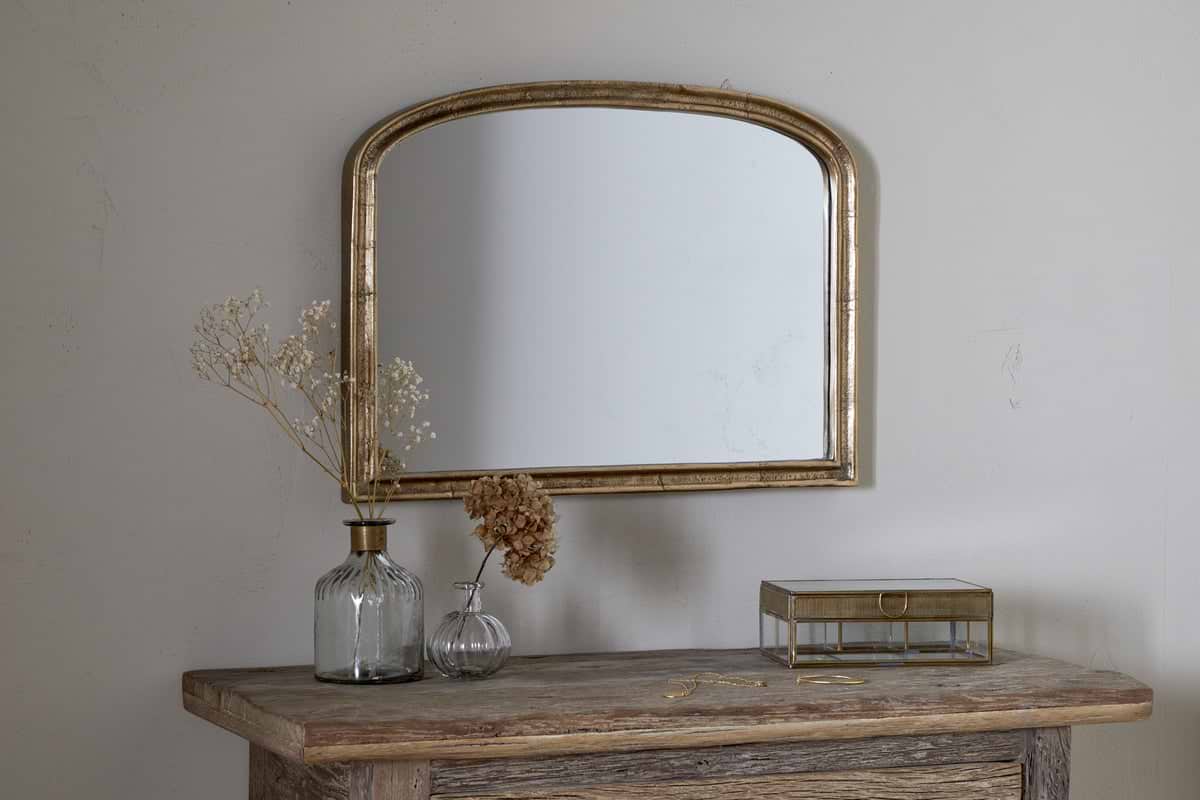
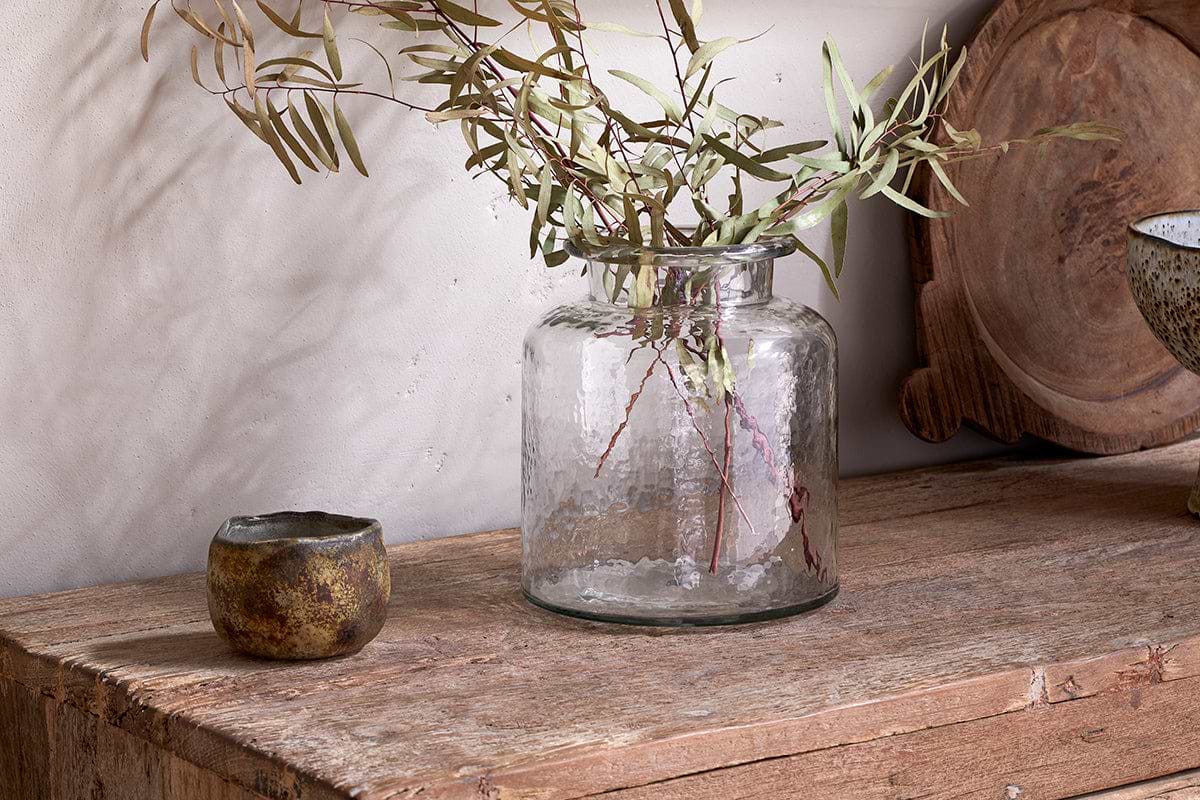
Akra Recycled Glass Vase
Clear cylindrical glass — pairs with stems or sits empty as a quiet accent.
View at Nkuku →Some links above are affiliate links. If you buy through them we may earn a small commission at no extra cost to you. We only suggest pieces we think fit a calm, lived-in home.
Free guide
The Calm Shelf
12 styling ideas to help you compose calm, balanced shelves in natural texture homes.