

Many small rooms end up with a neglected corner or an awkward stretch of wall. An oak corner shelf often gets left out of the first draft, but that gap can add up to stacked mail, clutter, or a shelf that feels too light for the space. Not every shelf style fits – especially if the goal is storage that blends in, not one more bit of temporary-looking furniture.
Today you’ll learn how to select, measure, and style the oak corner shelf that fits your room and your pace. You’ll see how a change of placement, a shift in materials, or a limit on color can help the shelf belong. This works especially well in a small living room when floor space is tight because it uses forgotten corners for both display and storage.
The short version: The best oak corner shelf is a solid wood piece with weight, visible grain, and the right depth for your room — not just another floating board. This solves wasted corners and gives you better storage or display without taking up floor space or breaking the calm look of your home.
Key takeaways
- An oak corner shelf fits best in small or awkward rooms where storage is limited.
- Solid oak brings a grounded look a pine or thin board can’t match.
- Floating, bracketed, and leaning designs each suit different storage, style, and space needs.
- Most solid oak corner shelves can hold around 15kg, according to Off the Grain.
- Keeping about two-thirds of a shelf clear prevents a cluttered look.

What does an oak corner shelf fix that a flat wall shelf cannot?
An oak corner shelf uses hidden or awkward space and gives you a stable spot for storage or display where a flat wall shelf cannot fit without blocking movement.
Some rooms never have enough wall space for extra shelving — a door swings open, artwork already hangs, or there’s just not enough blank wall. A corner shelf turns unused corners into practical storage or soft display, especially in a tight bedroom or a hallway that needs more function than furniture can provide.
Unlike flat wall shelves, which can sometimes crowd sightlines or block the flow of a small room, a well-placed corner shelf keeps that invisible line of movement clear. This is especially helpful in narrow spaces, where every extra object matters.
Most solid oak corner shelves, according to Off the Grain, can be handmade to order and fit closely into the space, with the weight and grain to sit naturally in both old and new rooms. In daily use, placing even a single shelf in an empty corner reclaims storage without adding clutter elsewhere.
A flat wall shelf exposes everything; a corner shelf draws the eye only where you want it.
Where this works best
An oak corner shelf is most useful in rooms with limited floor area or odd corners, where standard furniture blocks light or traffic.
Open-plan homes often have a corner that never quite fits a chair or a side table. Similarly, a small bathroom leaves no room for extra storage, but a shelf above the sink or beside a mirror makes space for soap dishes or a single trailing plant. Even a child’s room benefits when a toy basket or a collection is lifted up and out of reach.
Adding an oak corner shelf in a kitchen, near the breakfast table or beside the stove, can free up countertop space for daily tasks. A L-shaped corner shelf, for example, keeps a stack of cookbooks, jars, or spice baskets close but off the counters, making cleanup simpler.
Avoid placing a heavy or thick shelf in a dark, cramped corner — it will weigh down the room and may even block light from a window. Instead, keep the line open: pick a shelf with slim brackets or a floating design that follows the wall, not fights it.
In a high-traffic spot, a shelf with rounded edges and a clear line below works so people move past without bumping into it.
How do you choose the right type of oak corner shelf?
Choosing between floating, L-shaped, and ladder styles comes down to how much you want to store and the look you prefer in your room.
In a room with minimal clutter but a need for a spot to drop keys or hold a lamp, a floating oak corner shelf sits quietly in the background. Floating shelves rely on concealed fixings and work especially well for light to mid-weight storage.
L-shaped or bracket-mounted designs are best if you need visible support and a little more weight. They often have wooden brackets that show, which adds a crafted look but can anchor bigger objects — such as stacked books or a stoneware vase — with more confidence.
Unlike wall shelves, which can feel shallow or unanchored, a leaning ladder-style shelf brings visual height and works well for plants, baskets, or towels. It suits bedrooms or bathrooms where floor space is scarce but vertical room is plenty. For reference, corner shelves are available in floating, L-shaped, and even round forms, each with their own best use.
A floating shelf works best when the fixings disappear and the grain is uninterrupted.
| Type | Best For | Look |
|---|---|---|
| Floating | Light display, open sightlines | Minimal, hidden fixtures |
| L-shaped/bracketed | Heavier storage, rustic rooms | Visible brackets, solid feel |
| Leaning ladder | Towels, plants, baskets | Tall, relaxed, mobile |
In most small homes, a floating or L-shaped corner shelf gives you all the display you need with very little visual clutter.
Why does oak’s grain and weight suit corners?
Oak’s visible grain makes a shelf look sturdy and substantial, so the piece feels permanent even in a rented or furnished space.
Softer woods like pine show dents and scratches over time, especially in a family kitchen or corridor. Oak is hard enough to stand up to daily use, and the grain adds texture that hides smudges and fingerprints. In a bathroom with steam or a kitchen with splashes, a solid oak finish is much less likely to warp over seasons compared to lighter, unfinished wood.
Natural wood brings out shadows and highlights, so even an empty shelf catches the eye more gently than a glossy white laminate. A bare shelf reads colder than one with a single woven basket or a pot with leaves draping softly over the edge.
The real strength of oak is that it can support heavier loads without flexing; according to Off the Grain, a solid oak corner shelf can hold up to 15kg. That’s plenty for books, a lamp, or bulky ceramics. In a low-light corner, an oak shelf always reads warmer and more settled than a metal or glass alternative.

The visual weight of oak stabilizes a busy corner — unlike thin floating boards, it never disappears or feels temporary. For even more ideas on object placement, a visit to the shelf styling formula is helpful.
How to measure your corner for a shelf
The right size shelf leaves room on both walls and above for movement and light; too big, and it crowds, too small, and it looks lost.
Start by standing where the shelf will go. Look for nearby switches, trim, or vents — anything that blocks a clear line along either wall, or above and below. Most floating shelves sit about as deep as a stack of books, enough for a vase and one or two objects but never so deep they poke out into walking space.
In old houses, walls may not meet at a perfect right angle. One reliable tip: check if the two walls are square with each other by holding up a large book or level — if there’s a gap, you’ll need a shelf design that can handle slight imperfections, like a bracketed or L-shaped style.
Compared to straight wall shelves, which can be moved slightly left or right to dodge a light switch, corner shelves have to fit closely. Making a paper template on the floor helps test the depth before drilling holes or placing fixings.
A shelf that follows the line of the wall but doesn’t stick out keeps small entries or bedrooms from feeling boxed in.
Styling and placement
Keeping shelf decor simple, repeating one or two textures, and using baskets or bowls to collect small items keeps the shelf clean and grounded.
For many, a new shelf quickly collects more than display — bills, keys, headphones, chargers. Instead of loading every inch, fill about one third of the shelf with a single object that brings texture, like a clay bowl or a woven basket, and leave open space on the rest. This helps the oak grain show through, which warms the whole arrangement.
Unlike open bookcases, corner shelves focus attention in a tight radius. Too much color or pattern pulls the eye and disturbs the rest of the room, so stick to a short palette: neutral ceramics, clear glass, maybe a single plant. If your shelf is above eye level, use tall stems or trailing vines that break the hard join of the wood and wall. For those who love quiet texture, a handmade craft or a blocky wood candleholder keeps the look cosy but not cluttered.
Quick calm checklist:
- Pick simple, natural materials: clay, woven grass, clear glass, matte ceramics.
- Leave open space above and beside objects — don’t fill every inch.
- Limit the palette to two main colors and one accent.
- Use a basket for loose items (the Nkomi Basket is a good anchor here).
- Balance heavier items on the bottom shelf, lighter objects up top.
A jute basket or a rough clay dish softens both look and feel, grounding the shelf against plain painted walls.
What should you display — and what should you hide?
Displaying one or two meaningful pieces and using closed storage for clutter makes an oak corner shelf a feature instead of a catchall.
A shelf loaded with mismatched items — charger cables, unopened mail, plastic toys — breaks up the simplicity of a small room. Instead, try picking out one or two things to keep visible: a hand-thrown pot, a stack of worn paperbacks, a plant that drapes down the wall. Tuck small leftovers into a closed basket or behind a standing picture frame.
Unlike wall hooks or racks, which expose everything, a basket or box on the shelf swallows keys, chargers, or stray items you don’t want on show. Most rooms feel calmer when only the pieces with some weight or memory make the cut for display.
If your living room shelf feels crowded, reduce to one statement object per shelf and store the rest. For more grouping ideas, look to floating shelf decor for visual tricks that work with corners too.
In practice, two clear surfaces with textured objects calm the line of sight and let the warmth of the oak stand out.
Sooner or later, something about the corner feels off — maybe the shelf looks too slight, or the space gets busy. Light bounces unevenly, or the shelf seems to fight the wall instead of belonging. The shift comes when you treat the shelf as the anchor of the corner, not the afterthought: matching material to room, limiting color, and repeating texture until everything fits quietly.
It’s easy to overload a corner shelf or pick a piece that’s too small to matter. Suddenly, the room feels mismatched: too much scattered color or an empty oak board that looks lost. Most homes miss the chance to let one shelf pull the whole corner into focus, and the result is a space that never feels finished. Right now, calm homes matter because even small visual distractions pile up in the background and change how a room feels day to day.
Once you land on the right shelf and the right few objects, the whole corner stops nagging at you and fades into the room.
Save this idea for later.
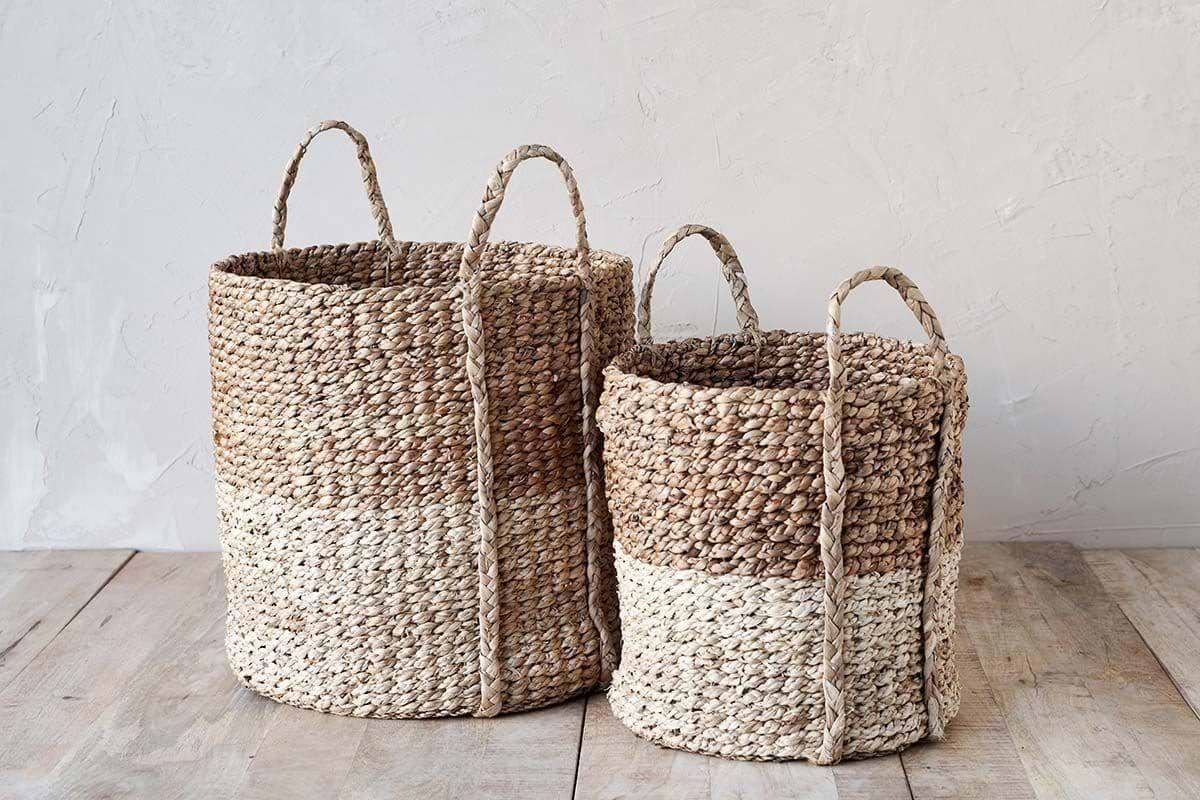
What tends to hold up with styling oak corner shelves
Looking across many homes, rooms with natural oak shelves seem to age gracefully — fingerprints blend in, and a good finish stays steady for years, even in sunny corners. Reviewers consistently mention the weight of oak as a reason they trust the shelf, especially in busy spots or older houses. Matte finishes get recommended again and again near kitchens and windows because they do not catch glare, unlike high-gloss or metal. Choosing the right shelf lets the whole room relax around it, rather than adding another element to manage or clean.
— Mara, Loom & Glow
Common questions
Are corner shelves a good idea for small spaces?
Corner shelves are an excellent solution for small rooms because they use areas that most furniture skips, making extra storage without shrinking the floor plan. Solid shelves can hold more than floating ones, and picking the right material means less fuss over time. Most calm homes benefit from at least one in a tricky spot.
Where is the best place to buy solid oak corner shelves?
The best source for solid oak corner shelves is a specialist like Off the Grain, which offers handmade and made-to-order options in Yorkshire. Their shelves come with concealed or visible brackets and a range of finishes, so you can match your room’s look. Local joiners may make bespoke options as well.
Can you put a shelf in any corner?
You can put a corner shelf in most places where two walls meet, as long as there are no pipes, switches, or vents in the way. Squared corners are usually easiest for a floating or L-shaped shelf. Odd angles or thick skirting might need custom brackets or a ladder-style design, but most types work almost everywhere.
How much weight can an oak corner shelf hold?
A solid oak corner shelf can commonly hold up to 15 kg of weight, according to Off the Grain. That means books, ceramics, and baskets are all fair game. Bracketed and wall-mounted styles support more than thin floating shelves, as long as walls and fixings are solid.
Explore more calm combinations inside our Shop The Look .
Shop the Look
A few Nkuku pieces that pair naturally with corner shelving and calm display.
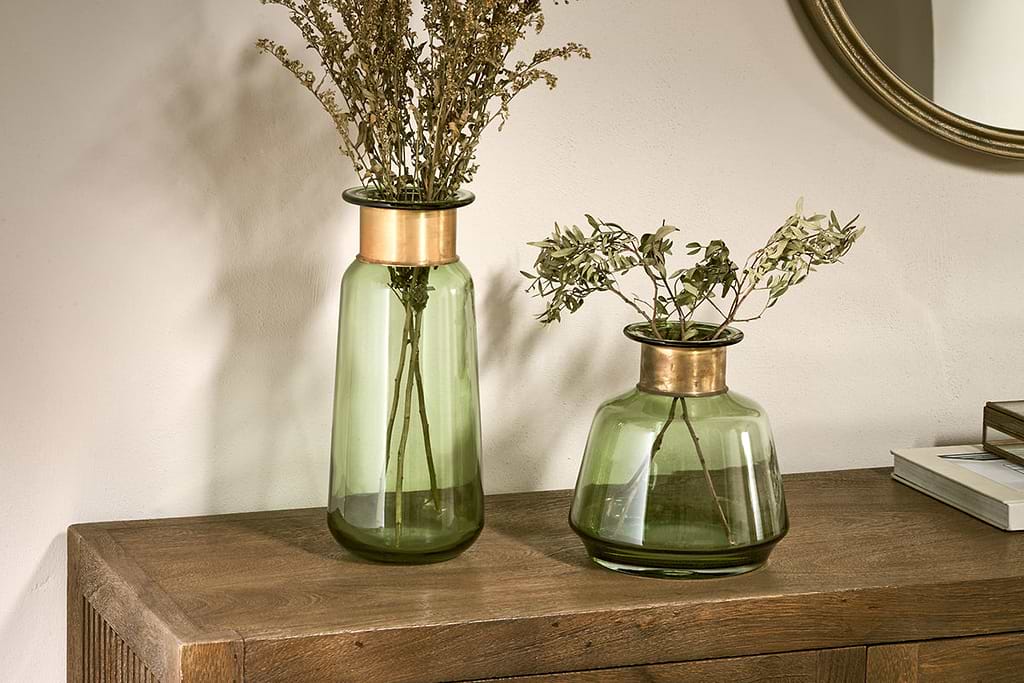
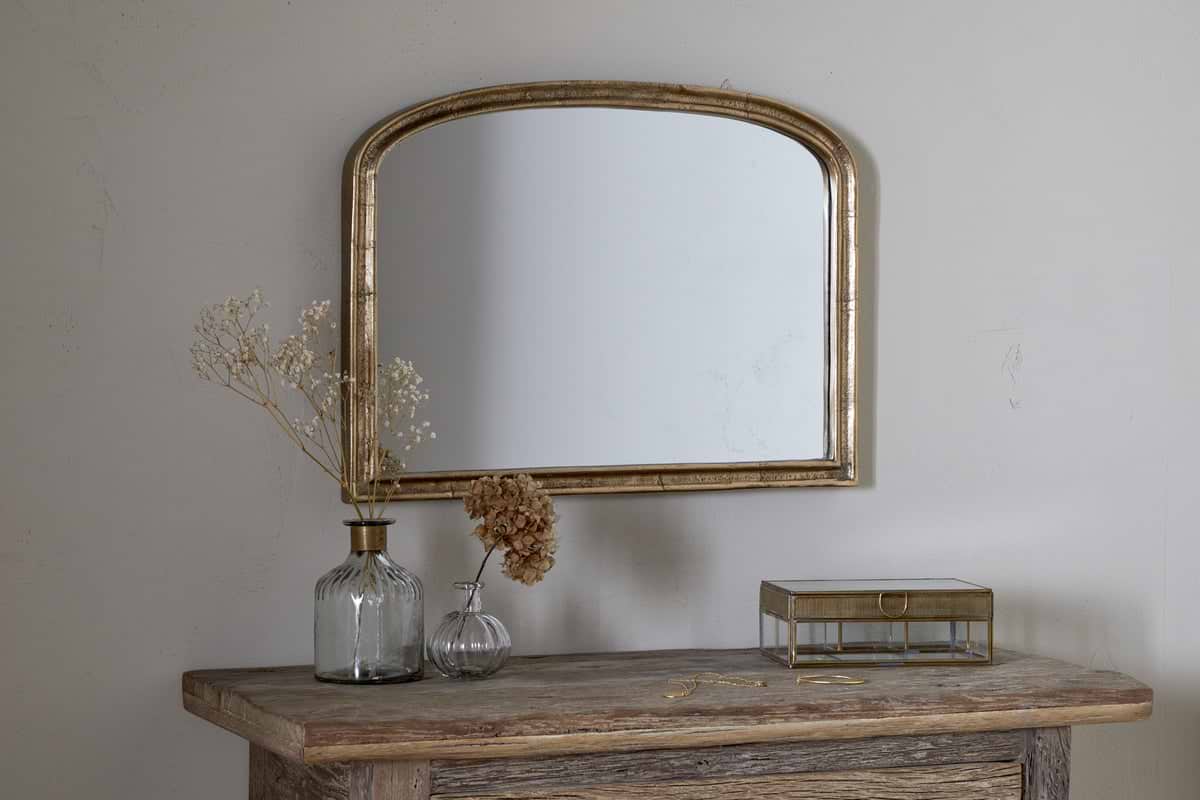
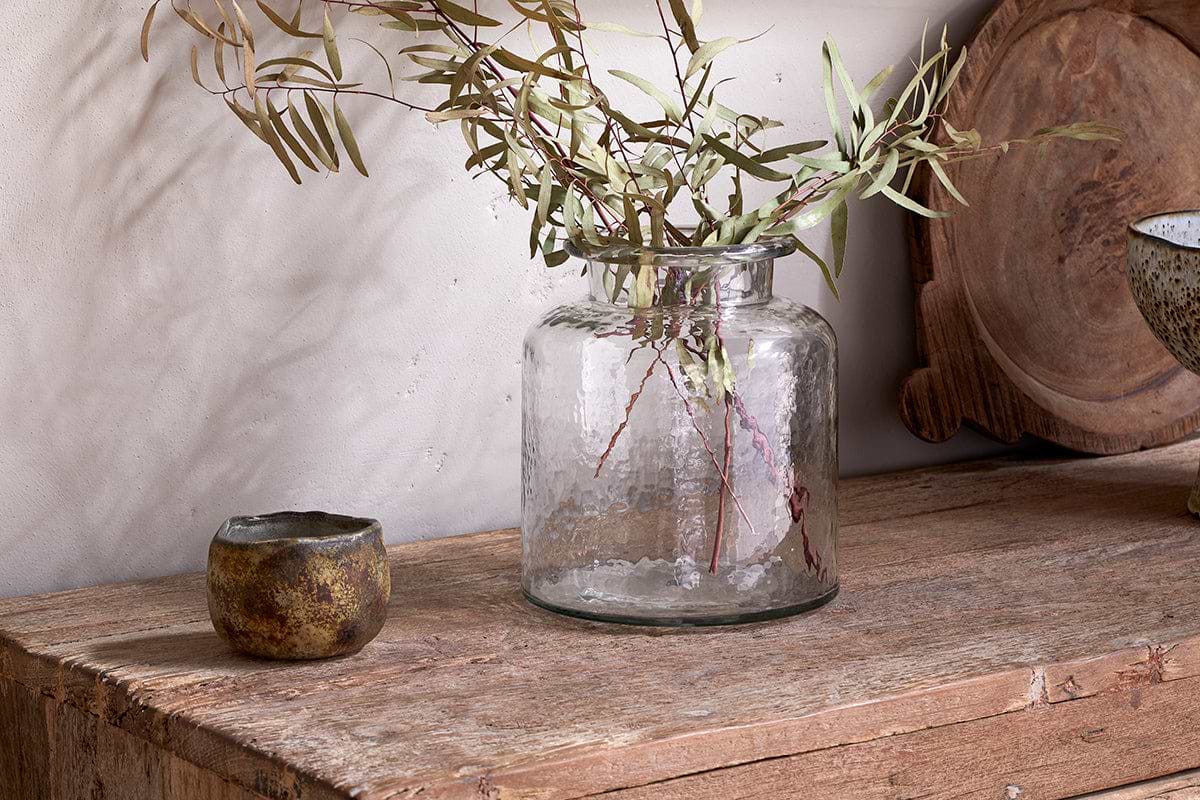
Akra Recycled Glass Vase
Clear cylindrical glass — pairs with stems or sits empty as a quiet accent.
View at Nkuku →Some links above are affiliate links. If you buy through them we may earn a small commission at no extra cost to you. We only suggest pieces we think fit a calm, lived-in home.
Free guide
The Calm Shelf
12 styling ideas to help you compose calm, balanced shelves in natural texture homes.