

Most rooms feel off when it comes to how to hang a woven wall hanging: there’s either a stack of small craft projects clustered together, or a lone piece hung awkwardly high above furniture. Spaces with limited wall area or tricky layouts, like rentals or living rooms with low light, tend to make these mistakes stand out even more. Nothing looks smooth, and the room always feels a bit cluttered.
This guide walks step-by-step through choices that lead to a calm result—one that doesn’t look crowded or thrown together. You’ll see how to spot the right wall, pick natural materials, and keep your setup simple. This works especially well in a small apartment entryway when storage and light are tight because a single woven wall hanging draws attention without adding bulk.
The short version: To get a calm, refined look, how to hang a woven wall hanging comes down to picking a simple wall, hanging it at about eye level just above furniture, and limiting palette and clutter nearby. This always reads more finished than layering multiple pieces or using bright, shiny yarn and trims.

Why does proportion matter when hanging a woven piece?
The best wall hangings work when they feel connected to the rest of the room, keeping the scale similar to what’s below—never dwarfing a bench or swallowed by a huge wall. A woven piece should have clear space around it to quietly stand out.
Living rooms and bedrooms run into this most with wall hangings. When a woven piece is too small and floats far above a sofa, it looks like an afterthought. If it’s too big or too busy, it competes with art, shelving, or even the shape of the room itself.
Hanging the piece so its lower edge sits a hand’s width above a bench or bed gives it weight and a soft landing. This is how most decorators anchor minimal table runners for the same reason—proximity connects them visually. A bare patch of wall can look stark next to richly woven fibers, but when the piece is well-placed, the entire area feels calmer.
Unlike painted canvases, a woven wall hanging brings tactile texture. When the scale is right, it catches light and shadows in ways a flat artwork can’t. Letting it lead above a simple console or low seating creates a quiet point that doesn’t shout or feel crowded.
Try this in an open-plan living area where several pieces compete. One woven wall hanging, placed just above the back of the sofa, draws the eye and makes the space look finished without clutter.
Where this works best
Woven wall hangings are ideal where space is limited and surfaces should stay clear. They solve the problem of empty, cold-feeling walls in entryways, bedrooms, or over sideboards, especially when floors are busy or storage is tight.
Entry halls, narrow living rooms, and bedrooms with minimal wall space benefit most. These rooms often can’t fit shelves, and hooks or framed art can end up looking scattered. A single wall hanging, especially in a natural fiber, fills that missing spot above a bed or slim console where items are usually kept off the floor.
In practice, this means swapping out small photo groupings or wall hooks for one wider woven piece. The effect is clean, and the woven texture does what metals or plastics don’t: it feels warm without crowding. A handmade candle holder on a nearby shelf picks up the natural vibe—both add interest without fuss.
Avoid placing wall hangings in areas with heavy sun exposure or dampness, such as directly next to stoves or above radiators. Natural fibers can fade or become brittle if caught in direct afternoon sun day after day.
Try this approach above a simple sideboard in a rental, where large framed art is too expensive. The room feels gentler, and the piece gives you color and texture without taking up valuable space.
How can I keep it from feeling messy?
Limit nearby patterns and keep surfaces underneath clear, so the woven art stands out as the only textured focus. Too many other objects or mixed frames on the same wall make the setup feel disorganized.
In a home workspace or dining nook, a wall can start to look busy after hanging several homemade home decor ideas together. Stacks of art, photos, and baskets all in one place compete for attention. This rarely feels calm, and small rooms especially show it.
The simplest fix is to remove at least half the items from that wall. Instead of clustering baskets and shelves together, choose one woven wall hanging and let it have its own space. The empty wall area around it helps the piece breathe. This principle—keeping two-thirds of a shelf or wall clear—is common advice in small-space decorating (source).
A set of mismatched craft supplies and bright colors often makes homemade decor look accidental, not considered. If the woven piece uses only a couple of fiber colors and no shiny ribbons or plastic beads, the effect is more grown-up.
Try this swap in a small dining area: hang the woven work above a bench and keep the whole wall bare except for one low artwork below eye-level. The area feels clear, not cluttered.
What are the best natural materials for DIY wall art?
Wool, cotton, jute, and undyed linen make the most versatile and easy-to-source woven wall hangings. These fibers have a soft look, feel less synthetic, and work well in nearly any style of room.
Most DIY home decor natural materials sold today include both plant-based and wool fibers. Jute is known for its rough, sturdy texture and is often used in hangings for its warm brown color. Cotton and linen are both easier to dye and give a softer drape; they hang neatly against the wall and last well if kept out of direct sun (source).
A strong wooden dowel or reclaimed branch anchors the top and keeps it straight. Compared to metal rods, these materials blend into the wall instead of catching the eye with a harsh line.
Using only plant and animal fibers, with no synthetic yarns, means the piece will quietly patina with age. Shiny nylon or acrylic threads tend to distract, and they look out of place with simpler, more natural pieces like wooden keepsake boxes or natural stoneware.
Try sticking with a mix of neutral and one or two muted tones when selecting yarns for your weave. This always sits better on a pale wall than a jumble of colors.

Styling and placement
Hang your woven piece at eye level, centered above a piece of furniture if possible, and give it space from other art or shelves. This creates a quiet focal point rather than visual noise.
Most rooms work best if you skip precise measuring and let eye level guide your placement. For adults, the center of the wall hanging should sit roughly at standing eye height; above a sofa or bed, let it hover a little above the back edge, not pressed up to the ceiling or floating alone high on the wall. The effect is much softer than stacking artwork vertically.
A pale or mid-tone painted wall lets natural fibers stand out. If the wall is very dark, go for a lighter weave to stop it sinking visually. Rugs, baskets, and soft glow lanterns nearby pull the room together if their materials echo the wall hanging.
Placing the wall hanging with a gap from bright light switches or thermostats avoids clutter. Unlike art prints, a woven piece usually doesn’t need a frame, so give it extra space.
Quick calm checklist:
- Choose a wall free of shelves or hooks within arm’s reach
- Keep to a palette of 2 or 3 fiber tones maximum
- Use a wood, jute, or natural branch to hang, never shiny metal
- Let the weave sit so the bottom edge is just above the furniture
- Keep nearby objects simple—no mixed frames or bold colors next to the hanging
Try this checklist in a guest room to keep things feeling spare but personal—the woven piece sits above the bed, between two empty walls, with bedding that echoes the same cotton or linen textures.
How do you avoid the “craft fair” look?
Stick to simple shapes, avoid bright trims or beads, and use just one main texture or weave style. Limiting color and repeating lines found elsewhere in the room make the piece feel settled, not distracting.
Many DIY home decor natural materials can lean toward “craft project” if too many colors or fanciful shapes are added. A wall hanging with uneven tassels, felt shapes, or multiple neon colors looks less like decor and more like a school project. Even one strip of shiny ribbon can break the calm.
Using just a classic over-under weave and trimming edges straight gives a more grounded effect. If you want to add detail, try one band of fringe or a block of color that matches existing items (like pale wood or oatmeal linen in the same room). Compared to intricate macramé or multicolored pompoms, the simpler piece always fits in better.
A lot of crafters try out multiple textures in one hanging and end up with a heavy, droopy piece that doesn’t age well. Going with just jute and one softer yarn keeps it firm and makes it easier to dust or spot-clean—another small, concrete win for daily life.
Hang a flat, neutral woven piece in your living space and pair it only with a plain rug below. The result is always cleaner than using decorative trims, painted beads, or iggly shapes.
What can you pair with a woven wall hanging?
Stick with one or two soft elements close by, such as a linen pillow or a plain ceramic bowl. These pieces echo the texture and plant feel of the woven art without pulling focus or making the area look busy.
A woven wall hanging has most impact when the things around it are just as simple. Placing it over a bench scattered with three muted linen pillows lets the layers of fabric connect without overwhelming the eye. Too many bold objects, like glossy vases or busy bookshelves, can crowd the look.
Compared to shiny or metal decor, plant-based pieces add softness and don’t reflect light in harsh ways. If you add one small linen wall banner elsewhere in the room, the matching stripe or color makes the space more cohesive.
It also helps to echo the fibers in practical things. A jute rug underfoot, a wood-topped side table, or even a woven lamp pendant (like the Jahari Woven Jute Pendant – Natural) keeps the natural DIY decor feeling smooth and part of daily use—never like a stand-alone project.
Use this in a reading nook beside a window, with the wall hanging above, a linen chair slipcover, and woven basket tucked for books. Everything feels relaxed but not crowded.
Sometimes the effect feels wrong before you even figure out why. You might hang your new piece and notice the wall stays unsettled, or the area below looks cluttered and half-done. This is the moment to pause, strip away extras, and settle on one strong work as the anchor.
Choosing a single woven hanging and placing it with intention is the difference between a room that feels thrown together and one that rests easy. It’s about letting one shape and material lead, and holding back on busy wall groupings or random clutter nearby.
Lots of homes miss this by crowding the area with frames, hooks, and baskets, or picking a piece that floats far above everything else. The result is a wall that feels busy, heavy, or unfinished. Most people don’t even realize the problem until they compare it with a quieter setup.
Once you get it right, the whole space feels calmer and more grounded day to day.
Save this idea for later.
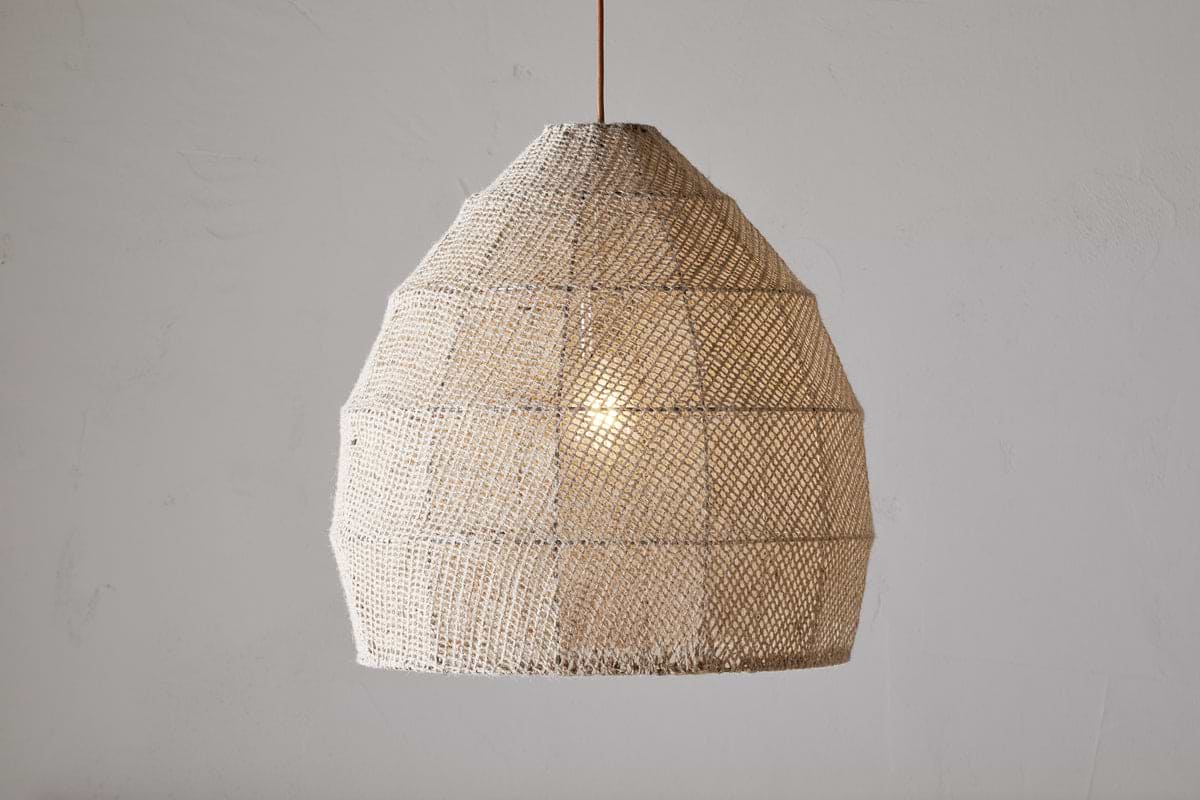
Jahari Woven Jute Pendant – Natural
creates a clear focal pause without crowding the wall.
What tends to hold up with working with natural textures
Years of reading room reviews and seeing what decorators pick show a pattern: simple weaves and restrained palettes last best. Most find that matte natural fibers, like jute or linen, soften strong furniture lines and age well, even as trends shift. Shiny or overly textured yarns almost always draw complaints about looking dated or artificial, especially in small or low-light rooms.
Matte finishes are mentioned again and again for their ability to dampen glare and make a space feel less stark, especially where sunlight moves across the wall through the day. Most experts still steer clear of complicated color combinations, recommending just two or three shades as the safest limit for a new project.
— Mara, Loom & Glow
Common questions
Why does proportion matter when hanging a woven wall hanging?
The best wall hangings work when they feel connected to the rest of the room, keeping the scale similar to what’s below-never dwarfing a bench or swallowed by a huge wall. A woven piece should have clear space around it to quietly stand out.
Where should woven wall hangings be placed for the best effect?
Woven wall hangings are ideal where space is limited and surfaces should stay clear. They solve the problem of empty, cold-feeling walls in entryways, bedrooms, or over sideboards, especially when floors are busy or storage is tight.
How do I prevent a woven wall hanging from looking cluttered?
Limit nearby patterns and keep surfaces underneath clear, so the woven art stands out as the only textured focus. Too many other objects or mixed frames on the same wall make the setup feel disorganised.
Explore more calm combinations inside our
Shop The Look
.
Free guide
The Calm Leaf
12 quiet ways to bring dried botanicals, stems, and natural textures into calm spaces.