

Bedsides collect more than books and glassware. Nightstands pile up half-used creams, stray cords, receipts. Even with careful storage, it’s easy for a neutral bedroom to feel cluttered instead of calm. Most rooms don’t have built-in order, so surfaces look busy.
It’s a relief to bring in natural textures without all the visual noise. This guide shows how to layer jute, rattan, linen and wood in a way that stays easy, not crowded. This works especially well in a small bedroom when you only have room for one or two statement pieces because every piece needs to count.
The short version: Mix wood, linen, jute and rattan by choosing one as a main anchor, then layering others as accents. Keep the palette quiet and space clear, this stops the look from turning busy and makes the room gentler on the eyes.

How do neutral bedroom materials work together?
Blending neutral textures like jute, linen, wood and rattan works best when one takes the lead and others play supporting roles. The space feels calmer when you go for simple contrast, not an even mix.
In a bedroom, a wood headboard and white walls frame the space, but it’s the small accents, like a jute rug or a heavy linen throw, that shift the feel from cold to soft. If each material tries to get the same attention, the eye keeps moving without a rest.
A heavy jute rug handles footprints better than a plain cotton version, and it brings warmth to a wood floor. Placing lightweight linen bedding on top avoids doubling up on roughness, so you get texture variation without heaviness.
Compared to a room filled with just one type of neutral, layering two, like rattan beside painted wood, adds interest. Use a jute pouf on stone tiles or a chunky linen pillow on a smooth oak chair; the contrast catches light and clarifies what’s what. Try a Mayla Cushion Cover on an accent chair if you want quiet pattern that still feels grounded.
In daily use, keep the main piece, bed or rug, as the anchor, then layer lighter textures sparingly nearby for a natural material home decor look that actually stays calm.
Where this works best
Mixing natural materials anchors best in rooms with limited space, few built-ins, or strong daylight. Bedrooms with plain walls or unfussy floors gain the most.
This approach makes sense in small apartments, rental bedrooms or any space where storage is scarce and every piece needs to feel considered. High-traffic guest rooms, narrow primary bedrooms or even a boxy child’s room all benefit when every accent gives a soft, worked-in calm.
Start practically: add a textured jute rug to break up plain vinyl floors or place rattan baskets under an open bed to soften a hard frame. A layered neutral foundation like a muted duvet cover lets small changes, an earthy clay lamp, a linen curtain, stand out without fighting each other.
Avoid pushing several dark wood pieces together in a small, bright room, too much weight in one spot will pull the room down. Instead, mix one wood accent with woven home decor touches and keep the rest light and natural for the most restful outcome.
The best result shows up when materials work with, not against, the room’s constraints. Try this in a boxy or windowless space and see corners soften overnight.
What makes natural material home decor feel calm?
Calm comes from surfaces that don’t demand attention, colors that blend easily, and touchable pieces you want to use. It’s about quiet backdrops and subtle shifts, not perfect matching.
When a room uses natural material home decor in small, strategic ways, like a single rattan side table at the bed or a linen runner across a dresser, light flows evenly, and nothing stands out too sharply. Soft, slubby linen absorbs shadows. Jute rugs mute footfall. A simple wooden bench near the wall stays neutral but useful.
Unlike shiny or synthetic decor, which can highlight fingerprints or dust, woven home decor hides everyday wear. Wood with a matte finish won’t reflect sharp light from a morning window, which helps a bedroom stay easy on the eyes throughout the day (a calm bedroom environment is especially favored for sleep quality).
To apply this, swap out small, glossy trays for a hand-woven basket or trade a busy patterned pillow for an undyed linen cover. The feel stays grounded and looks good longer.
How to avoid visual clutter with organic textures
Limit the number of standout pieces per surface and repeat texture in more than one spot to keep the look organized. Too many materials, all at once, read as mess instead of warmth.
In bedrooms with open shelves or floating nightstands, visual noise builds fast when every accent tries to be a statement. One woven tray is useful; three different baskets plus a wooden bowl and a rattan lamp can look mismatched. Keeping one woven item per surface helps avoid that busy feeling.
Most decorators recommend sticking to two or three main materials. A linen bedspread, a rough jute stool and a smooth maple chair provide variety without spreading attention thin. Unlike a tabletop full of mixed planters, two materials repeated at different heights keep a flow. Repeating natural textures helps the eye find a pattern, which feels settled.
Place repeat textures across the room, a rattan lamp above and a rattan basket on the floor, to prevent one area from feeling heavy. Daily, this makes it easier to keep surfaces neat with less effort.

Styling and placement
Group in odd numbers, leave space between objects, and let at least two-thirds of surfaces stay clear for room to breathe. High-contrast clusters look busy; quiet, spaced objects feel relaxed.
Styling matters most when space is tight. On a small dresser, a linen runner topped with a low clay bowl keeps things grounded, while leaving plenty of space at each end makes the room feel less crowded. For the bed, one large wood-framed cushion looks better than several smaller ones layered in a row.
Placing a woven basket near the door works to catch everyday clutter, but avoid stacking baskets of different shades side-by-side, this breaks up the look and can feel chaotic. Instead, echo the same finish or material elsewhere: a single pale rattan piece beside a pale wooden chair ties things together visually.
Quick calm checklist:
- Keep surfaces at least two-thirds clear, especially near the bed.
- Pick one main neutral, wood, jute or linen, and repeat in small ways.
- Use baskets or trays with similar tone, not a random mix.
- Break up large areas with low, soft shapes (a pouf under a window, a drooped linen throw).
- Let light touch plain spaces, don’t block every windowsill or tabletop.
Apply this checklist to bedside tables or shelves for a less crowded, more cohesive result. Neutrals layer best when there’s room for the eye to rest between shapes.
What should you mix: wood, linen, or jute first?
Start with the biggest piece you already own, usually wood, then bring in two lighter touches like linen and jute. The biggest surface sets the tone, and too many small textures together lose impact.
If the bedframe is wood, let it anchor the room. Add a rough jute rug to ground the floor and a soft linen pillow for contrast. Unlike filling the space with many woven baskets and textured cushions, this limited setup keeps the room feeling organized.
A bedroom with a plain box-spring benefits from a heavier headboard. Light linen curtains soften the daylight by scattering shadows gently. Most bedrooms use wood as the anchor because it’s durable and quiet, then add organic home decor in smaller layers, a linen runner on a trunk or a jute pouf under a window.
The result is a room that feels soft underfoot and quiet to the eye, rather than scattered or unfinished.
How do you build a neutral palette without it feeling flat?
Use three types of neutral: one pale, one mid-tone and one deeper accent. Their natural changes in shade and texture keep the room lively without adding excess pattern.
Beds made with a mix of creamy white sheets, oatmeal linen and a single darker clay pillow look more finished than those that use one flat color. A jute rug set against pale floorboards breaks up large areas of sameness. Sticking with earth-based neutrals keeps things grounded even as you mix, which is at the heart of natural textures interior design the calm contrast method smooth tactile.
Compared to a fully monochrome setup, a speckled stone vase or unfinished wood frame adds enough roughness that surfaces don’t feel sterile. This gives spaces interest even with minimal color. Natural materials pick up light differently, linen diffuses, jute absorbs, wood reflects just softly enough.
Avoid mixing strong colors or too many whites, especially in rooms that get low light, since shadows flatten cool shades. Repeat the softest tones in textiles, keep deeper hues in small doses, and use baskets or benches for subtle warmth. Every added piece should fit within those three tones, working with the slow living decor idea.
What tends to hold up with mixing neutrals and natural textures
Looking at hundreds of bedrooms and product reviews, patterns show up: wood takes dings and keeps aging well, while linen gets softer over time with washing. Reviewers almost always mention that rooms feel calmer when they drop visual clutter, too many small decorative items usually get pared down. Decorators reliably stick to matte finishes in spaces near daylight, as glossy pieces show dust and fingerprints. It’s striking how often a single well-made woven basket or pillow ends up used daily, even in homes with little storage or shifting needs.
Mixing texture is what adds depth, but repeating a material anchors the feeling better. Fewer, better items age well and do more for the look than frequent swaps.
, Mara, Loom & Glow
Common questions
How do neutral bedroom materials like jute and linen work together?
Blending neutral textures like jute, linen, wood and rattan works best when one takes the lead and others play supporting roles. The space feels calmer when you go for simple contrast, not an even mix.
What makes natural material home decor feel calm in a bedroom?
Calm comes from surfaces that don’t demand attention, colours that blend easily, and touchable pieces you want to use. When a room uses natural material home decor in small, strategic ways-like a single rattan side table at the bed or a linen runner across a dresser-light flows evenly, and nothing stands out too sharply.
How do I avoid visual clutter when using organic textures in a bedroom?
Limit the number of standout pieces per surface and repeat texture in more than one spot to keep the look organised. Too many materials, all at once, read as mess instead of warmth.
Explore more calm combinations inside our Shop The Look .
Shop the Look
Calm, considered pieces that sit quietly in a neutral bedroom.
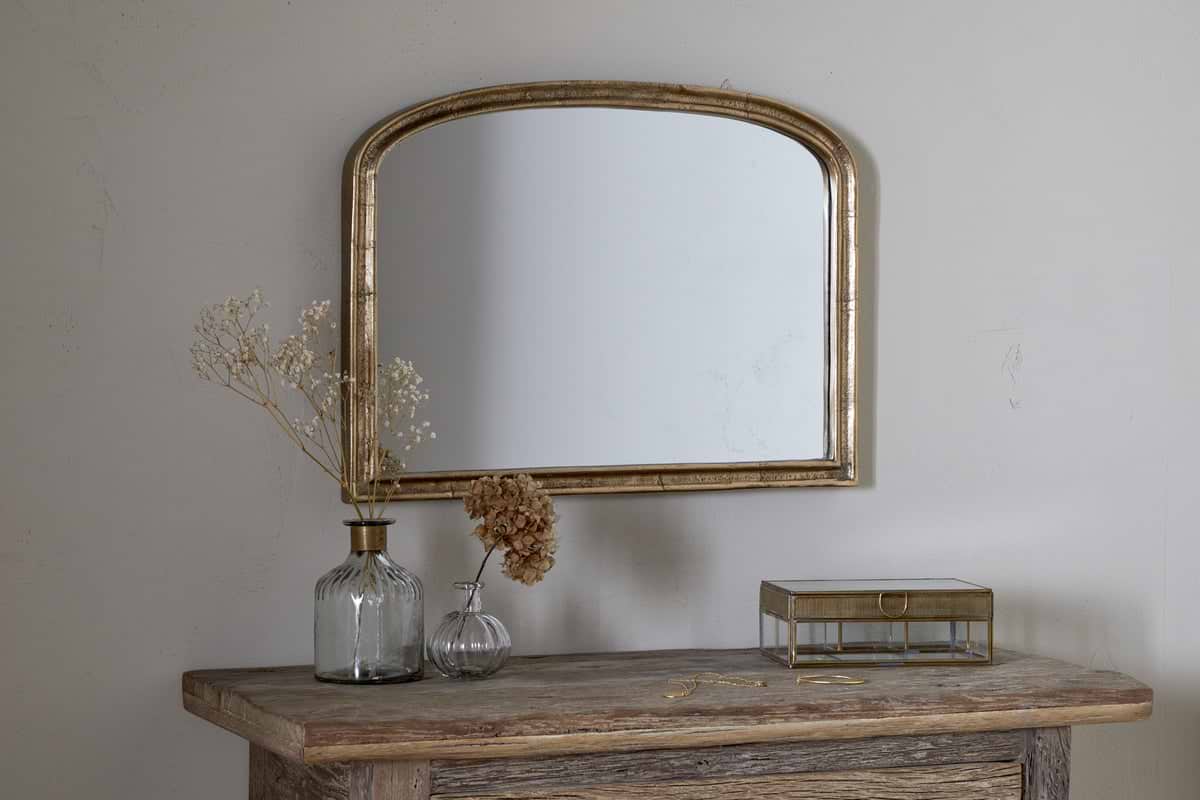
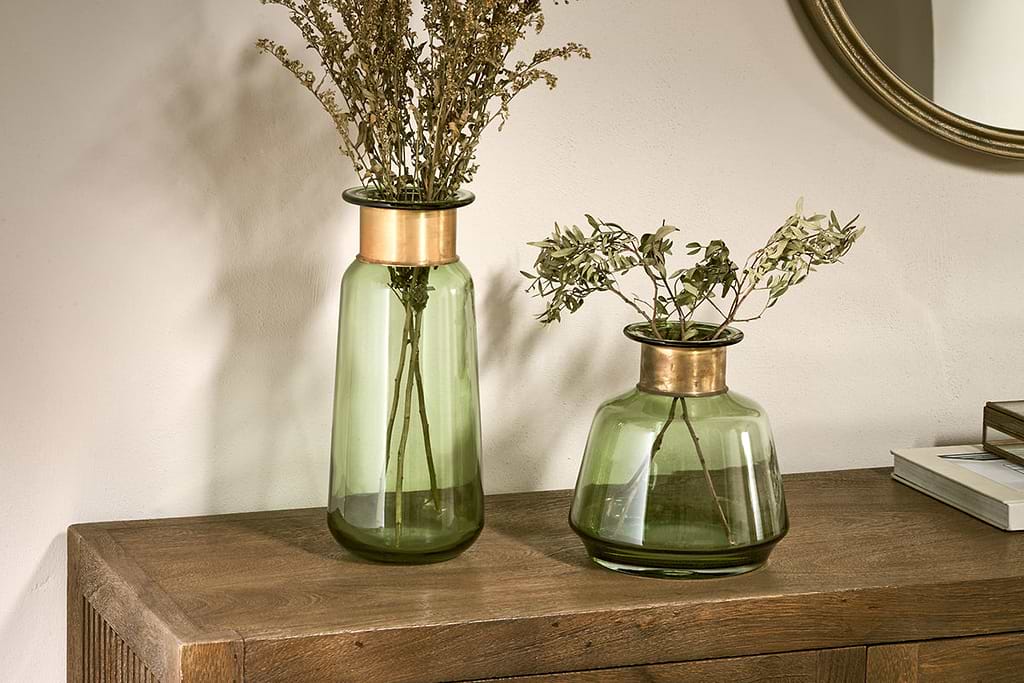
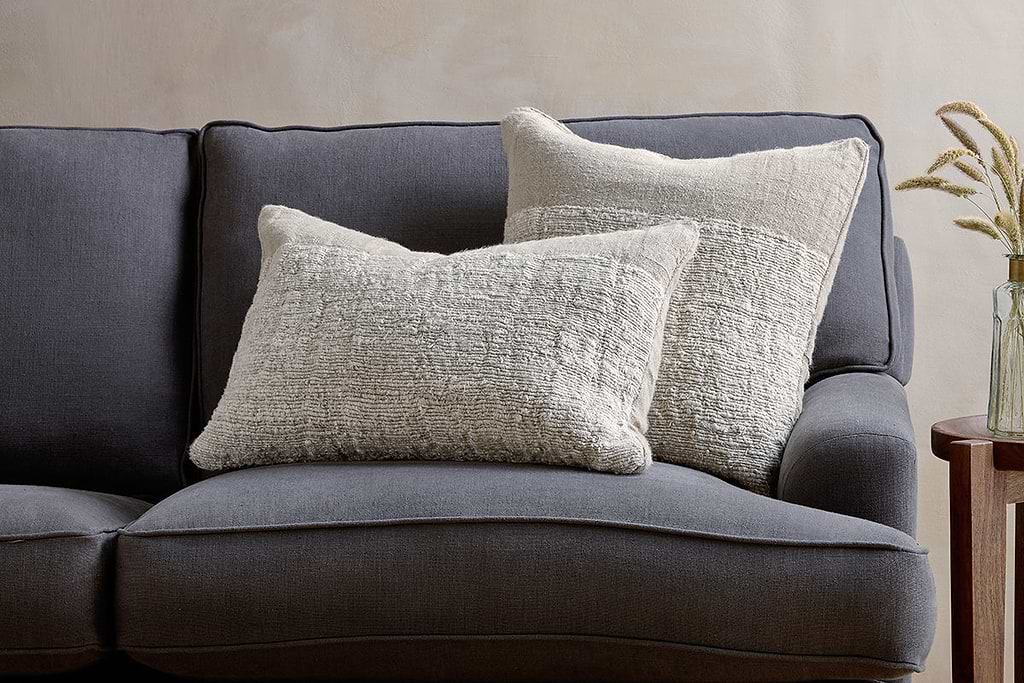
Puli Linen Cushion
Recycled linen in natural, pairs with woven textures and aged wood.
View at Nkuku →Some links above are affiliate links. If you buy through them we may earn a small commission at no extra cost to you. We only suggest pieces we think fit a calm, lived-in home.
Free guide
The Calm Leaf
12 quiet ways to bring dried botanicals, stems, and natural textures into calm spaces.