

Homes often feel chaotic when cluttered surfaces and mixed textures compete for attention. A limited layout with uncoordinated pieces can make a room seem busy and unsettled.
Today, we explore practical ways to blend natural fibers and wood elements into a calm, focused space. This works especially well in/for a rental living room when space is limited because natural textures ground the design.
The short version: Use rattan home decor sparingly for its texture and warmth. The right pairing of rattan with jute, linen and wood creates a focused and calm space.

Where this works best
Calm spaces emerge when rattan is added to rooms with hard surfaces. It introduces a gentle texture that anchors the overall design.
A modest living room with a simple coffee table and neutral walls can benefit from a single rattan accent. Adding a rattan chair softens the stark lines. A plain, empty shelf reads colder than one with a single woven basket.
In a small study with minimal decor, a well-chosen rattan side table brings warmth and balance. The natural grain helps cut through visual rigidity. A bare corner, in contrast, often feels uninviting compared to a texture-enhanced space.
Apartment spaces that rely on minimalism can transform when a natural element is introduced at one focal point. The texture of rattan draws the eye gently without competing with other items. A room cluttered with synthetic elements results in a busier look than one accented with nature.
Styling and placement
Thoughtful styling and careful placement tie natural pieces together. Placing each item with intention preserves a calm atmosphere.
In a small dining area, pairing rattan accents with linen curtains creates an inviting look. A well-situated woven vase softens bright overhead lights. A stark table looks colder than one with a rescued natural artifact placed nearby.
When natural textures are arranged near a window or a light source, they gain a subtle glow that unifies the room. The gentle spread of patterns helps distribute visual weight. The effect is one where the room feels more graceful than a cluster of mismatched items.
Careful styling ensures that each natural element supports the overall look. Balancing hard surfaces and soft textures reduces visual noise while guiding the eye seamlessly; this clear focus lets the room breathe. A cluster of objects tends to appear busier than a single statement piece.
Quick calm checklist:
- Use a neutral palette with subtle texture touches.
- Group items in small clusters to prevent overcrowding.
- Pair hard surfaces with soft, woven details for balance.
How do you balance natural materials in a shared space?
A careful mix of rattan, jute, and wood creates balance. Limiting each natural element to a specific area helps maintain harmony in a shared household.
In a family room with multiple seating areas, a strategically placed rattan basket offers both utility and a soft touch. This measured addition reduces the chaotic feel that can come with too many competing textures. A bare wall contrasts sharply with one accented by a single organic home decor element.
A shared living space benefits when each natural material holds its own while complementing others. The natural fiber of a jute rug underfoot makes room transitions smoother. The interplay of textures is often more effective than a scattered random placement.
Dividing elements among functional zones helps achieve visual balance. Each section of the room can feature its own curated feature, so the space never feels overloaded. Many urban homes using small-space decorating principles find that a limited color palette helps guide the eye.
What makes rattan home decor a calm choice?
Rattan brings a warm, tactile quality that naturally soothes busy areas. Its fibrous detail pairs well with softer accents, creating a calm visual impression.
An entryway can feel instantly more welcoming when a rattan basket stands by the door. The material’s texture softens the hard lines of tile floors and modern cabinets. A fixed, unadorned bench tends to seem colder than one with a subtle woven detail.
Using rattan along with complementary materials like jute or reclaimed wood ensures that the space appears grounded. The natural grain serves as a gentle highlight amid the room’s decor. The cause is clear: natural texture reduces visual tension, leading to a more relaxed feel.
Light accents and earthy colors help reinforce the calm ambiance. A balance between rough textures and smooth surfaces encourages a unified look. A stacked set of mismatched items can disrupt this flow, unlike a single mindful rattan piece.
The homeowner suddenly realizes something feels off when the arranged textures begin to compete rather than complement. In one glance, multiple layers of similar fibers create an unintentional clutter that distracts from the overall calm.
An everyday mistake is layering too many natural textures without a clear focal point, resulting in a busy look that distracts rather than soothes. Rooms can seem counterbalanced when elements do not have a clear hierarchy.
With the right design decision, the space appears more unified and peaceful.
Save this idea for later.
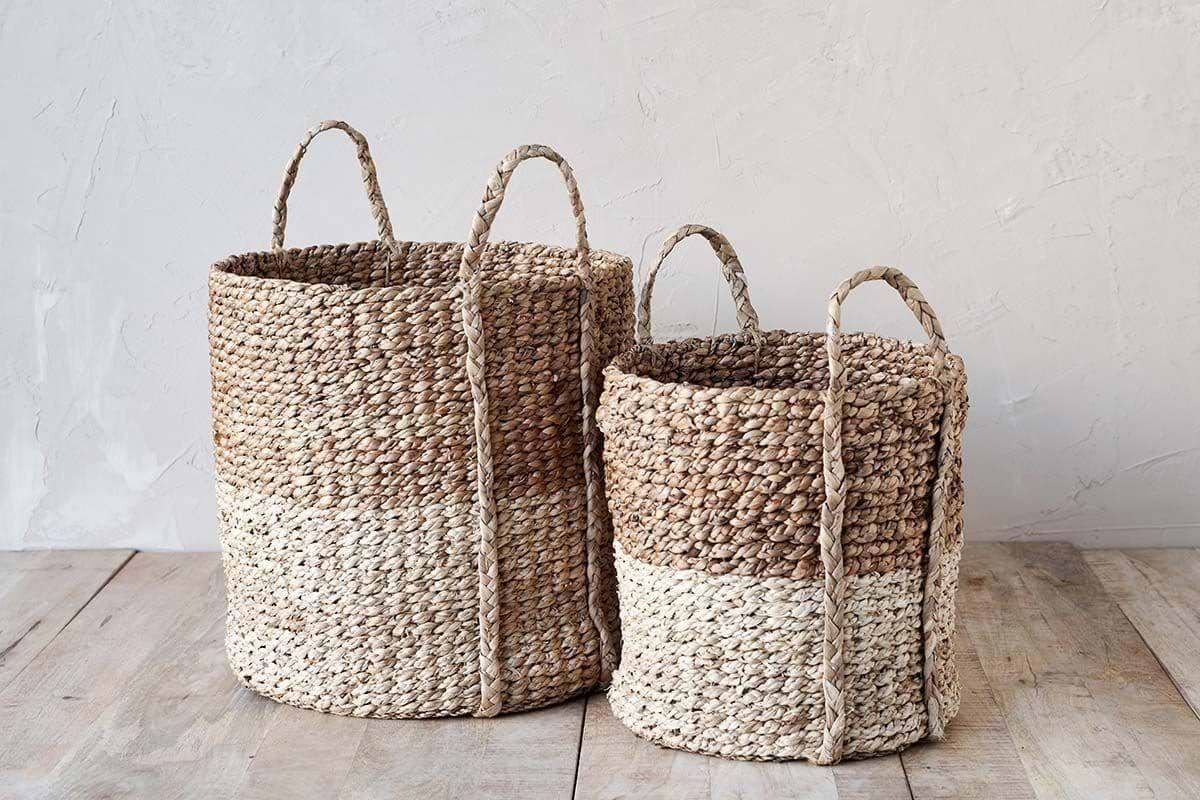

How can organic home decor set a serene tone?
Organic home decor brings simplicity and warmth to a room. It uses natural materials to set a soft, inviting background without overwhelming the room.
A bedroom aiming for tranquility can be softened by organic pieces such as a wooden nightstand or a natural fiber throw. These additions lend a quiet strength that reassures the eye. A room with too many bright prints often feels busier than one with a single organic accent.
In a dining space, choosing a simple ceramic bowl paired with a rattan centerpiece underscores the room’s calm. The understated design shifts focus away from clutter and toward gentle textures. The effect is subtle yet effective, as natural elements balance harsher modern lines.
Even in a small kitchen, organic home decor makes an impact by bringing in the softness of nature. Soft lighting combined with earthy finishings creates a relaxed mood. The difference between synthetic items and a crafted, organic piece is immediately noticeable.
Why should you layer woven elements and wood?
Layering woven accents with wood offers both structure and comfortable texture. This mix creates a layered look that guides the eye gently through the space.
A study that features a wooden desk paired with a woven hamper shows how natural textures complement each other. The wood’s solid look contrasts with the soft, interlaced fibers to break visual hardness. A plain table looks cooler than one with even a small woven detail.
Arranging a woven rug beneath a wooden console can also define a practical workspace. These textures work well together because wood adds stability while woven elements introduce softness. The cause is simple: merging these materials creates clear centers of interest that calm a busy layout.
Many designers recommend incorporating linen throws or cushions to enhance the interplay of textures further. This adds another layer of softness to an otherwise structured design. The natural contrast helps soften sharp lines, offering a look that is less severe.
How do you avoid visual clutter with earthy decor?
Avoiding clutter means focusing on a single natural focal point. Earthy decor works best when it is not overdone, preserving the sense of openness in the room.
An entry hall full of competing patterns can feel overwhelming. Choosing one dominant earthy element, such as a textured wall hanging, sets the stage for a cleaner look. A busy cluster of items appears more crowded than a single, refined piece.
A practical approach in shared living areas is to limit the number of distinct textures. Concentrating on one earthy centerpiece makes the space feel more intentional and used strategically. The cause is clear: fewer competing items lead to a less chaotic environment.
Designers of small apartments often rely on small-space decorating techniques to maintain clarity. A carefully placed, dominant piece anchored in earthy tones can set the mood without overwhelming adjacent elements. A scattered decor plan usually feels less cohesive compared to a unified focus.
What tends to hold up with natural textures in home decor
Reviewing many spaces reveals that overloading with various textures can dilute the calm a room is meant to convey. Many rooms struggle because too many competing patterns and materials lose their individual impact. Observations show that a single highlighted texture often makes a stronger visual statement.
Designers commonly recommend a primary focal piece around which other simpler elements are arranged. This approach, observed across modern homes, prevents a space from feeling overdecorated. It reinforces a sense of balance while allowing natural materials to shine on their own.
— Mara, Loom & Glow
Common questions
How should rattan home decor be used to avoid visual clutter?
Use rattan home decor sparingly for its texture and warmth. The right pairing of rattan with jute, linen and wood creates a focused and calm space.
Why does rattan bring a calm quality to busy areas?
Rattan brings a warm, tactile quality that naturally soothes busy areas. Its fibrous detail pairs well with softer accents, creating a calm visual impression.
How can you balance natural materials in a shared living space?
A careful mix of rattan, jute, and wood creates balance. Limiting each natural element to a specific area helps maintain harmony in a shared household.
What is a common mistake when using multiple natural textures in rattan home decor?
An everyday mistake is layering too many natural textures without a clear focal point, resulting in a busy look that distracts rather than soothes.
Explore more calm combinations inside our Shop The Look .
Shop the Look
Woven baskets in natural tones that bring rattan's texture into storage and display.
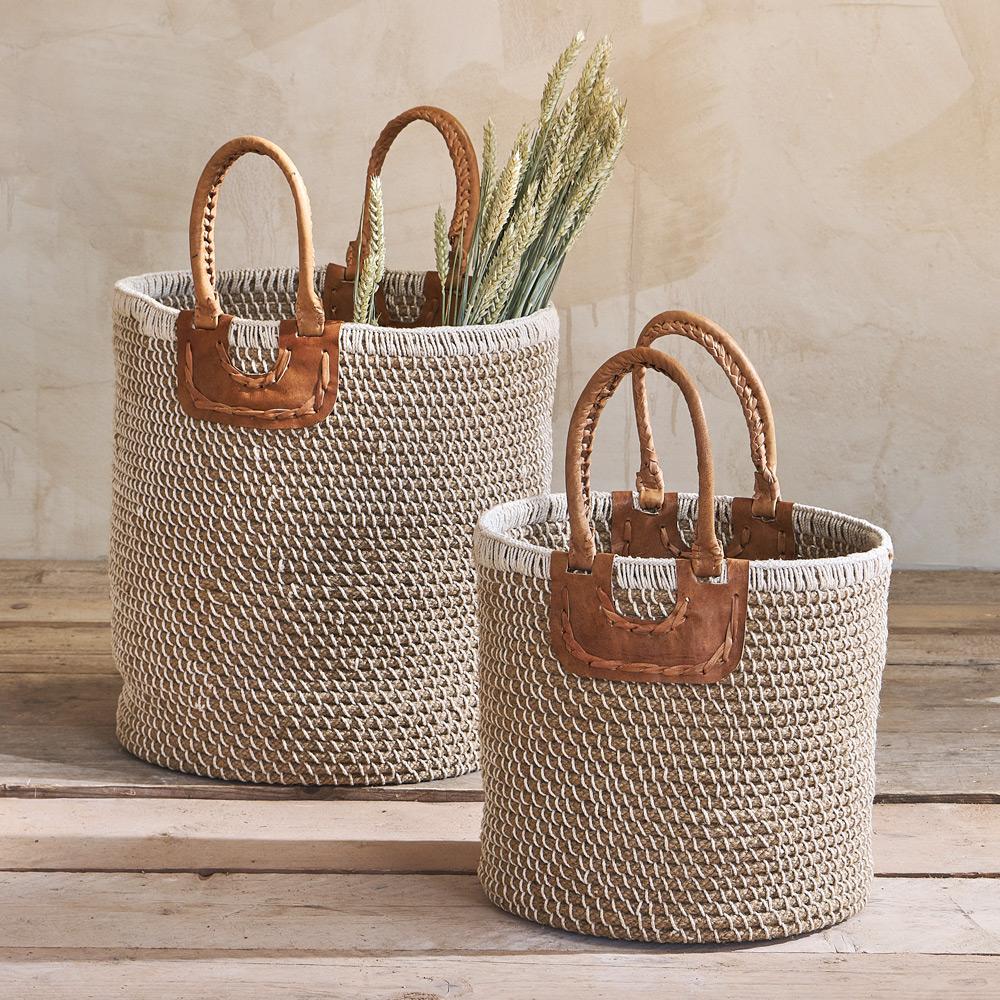
Indra Coil Basket
Natural coil weave — neat enough to leave out, large enough to hide clutter.
View at Nkuku →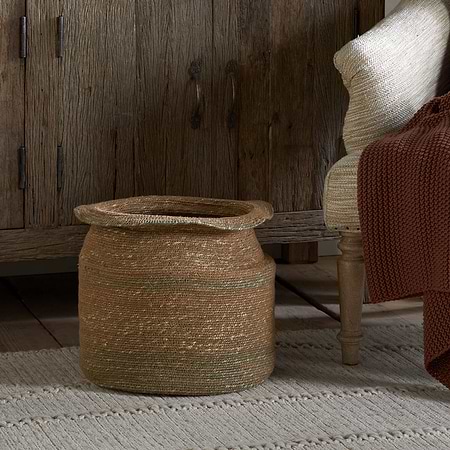
Nkomi Basket
Woven storage with a calm silhouette — works open or tucked under a console.
View at Nkuku →Some links above are affiliate links. If you buy through them we may earn a small commission at no extra cost to you. We only suggest pieces we think fit a calm, lived-in home.
Free guide
The Calm Leaf
12 quiet ways to bring dried botanicals, stems, and natural textures into calm spaces.