

The small kitchen bench felt cramped with clutter and mismatched items that made it hard to enjoy morning coffee. Every day, busy routines left little time to choose decor that fit an uncomplicated home.
Today you can focus on projects that use natural materials and bring a light, calm feel to your home. This works especially well in the living room when space is limited because it helps define a clear focal point.
The short version: This article explains simple weekend projects with natural materials to improve your home’s decor. It offers practical steps that shift clutter into intentional, calm design.

Start With Essential Natural Materials
A simple clay bowl and a jute coaster set the tone. These items bring natural warmth when paired with a neutral background.
In a small breakfast nook, a plain wooden table often struggles to lift the mood until natural touches appear. Using rough-hewn wood alongside soft linen drapes reminds one of early morning calm. A small clay bowl on the table introduces texture and a subtle sense of place. A plain ceramic piece feels colder than one with a hand-finished edge.
Homeowners often discover that starting with basic materials makes a noticeable difference. The gentle contrast between rough jute and smooth ceramic surfaces softens the stark, modern edge. This works because mixing materials creates a layered feel that relaxes the eye.
When a countertop looks busy with synthetic accents, a switch to raw elements sets a quieter tone. The tactile quality of natural materials diminishes harsh corners. A soft cotton napkin paired with a reclaimed wood tray adds warmth in a way that pre-fabricated pieces rarely achieve.
Crafting a Balanced Look
Keeping decor balanced means combining textures and colors in a calm way. A handmade vase and a woven basket can achieve this balance effortlessly.
In a narrow dining area, selecting a few thoughtful elements can redefine the space without overwhelming it. A woven basket and a light wood table balance the room’s natural light. Casual choices become refined when there is attention to detail and material harmony. In one corner, a rough stone counter contrasts gently with a smooth silk runner.
Using a limited range of textures in a room creates a clear focus. This works because selecting fewer items allows each natural material to stand out without competing for attention. A space that feels balanced gives an immediate sense of calm.
A bare shelf reads colder than one with a single woven basket. Carefully chosen items encourage mild contrasts that appeal to both eye and touch. Pairing a light suede cushion with a hand-carved wooden bowl shows that balance comes from the careful arrangement of everyday pieces. A calm mixture of textures prevents visual clutter.
Where this works best
Natural materials shine in small, contained spaces. They create an inviting look that emphasizes simplicity over excess.
In a compact living room or a rental apartment, selecting a few well-made items helps define the space. For example, a handmade shelf can anchor a collection of armless chairs and low lights. Working with organic materials gives each room character and a tactile sense of welcome. A plain wall can offer more if accented by a handwoven rug.
Everyday situations, such as a countertop filled with eclectic items, benefit from a pared-down approach. This works because reducing the number of competing elements naturally brings focus to the textures of your chosen decor. A rustic table feels warmer when paired with a single ceramic lamp.
Avoid overcrowding with mismatched items that pull the eye in different directions. A minimalist approach in smaller spaces shows off the beauty of handmade details. Avoid using too many differing textures together, as it may create a busy feeling where calm is needed.
There was a moment when I realized that my kitchen counter was overloaded with decorative clutter. The space felt heavy despite using handmade items, and it was clear that the intended calm was lost in ill-planned displays.
Many homes suffer from too many competing pieces that disrupt an otherwise simple look. When items are scattered without a clear theme, the room loses its soothing effect. A focused design decision, such as narrowing the color palette or repeating one texture, brings order.
The routine mistake of over-accessorizing can easily overwhelm a room. A cluttered countertop distracts rather than comforts, leaving little room for relaxation. The benefit is immediate when the decor is simplified.
Save this idea for later.
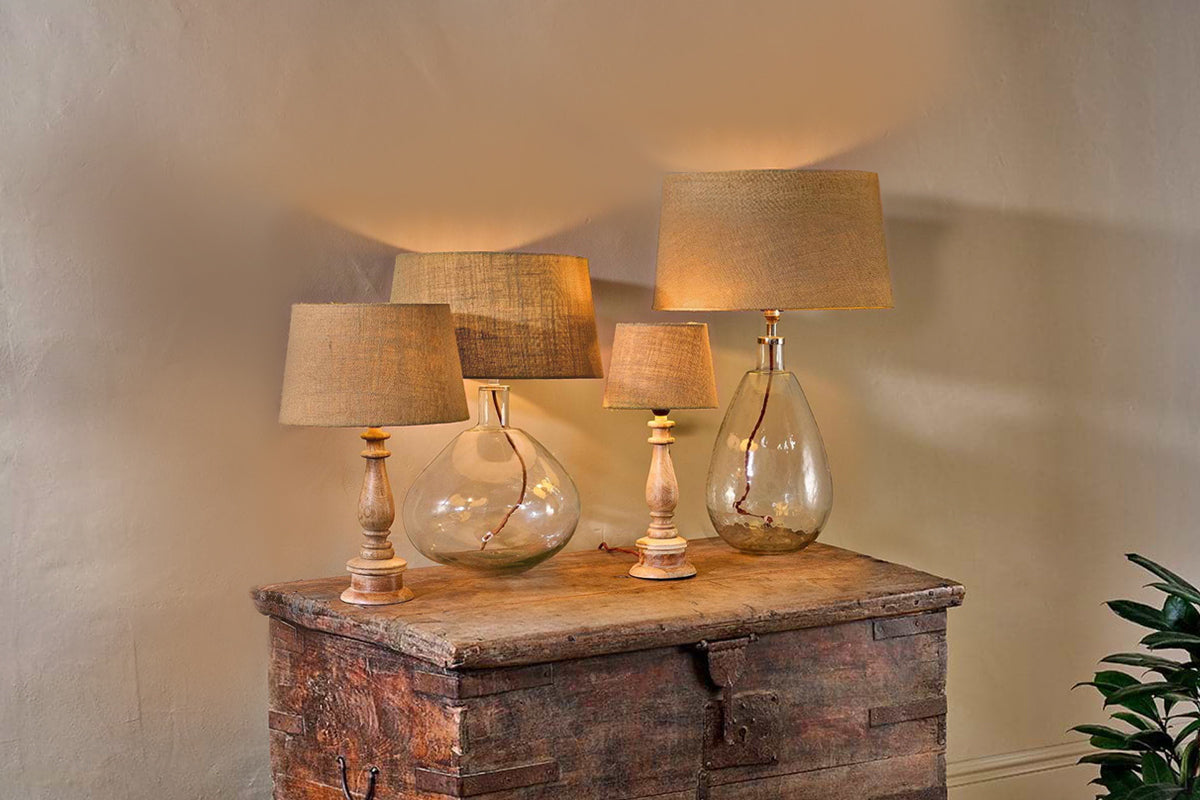
Dia Jute Lampshade – Natural
adds quiet structure and warmth while keeping the room balanced.
DIY Home Decor: A Practical Approach
Simple adjustments in DIY home decor can make a big difference. A brushed metal frame and reclaimed wood sign offer instant appeal.
In a modest entry hall, a handwritten chalkboard coupled with natural fiber coasters creates a welcoming vibe. Embracing DIY home decor natural materials allows each piece to feel personal yet understated. Natural elements, when used with care, improve the overall flow of a space. A plain hallway becomes inviting once you integrate a few handcrafted accents.
A focus on practical projects that rely on basic crafting techniques makes home improvements possible without expert skills. This works because clear, step-by-step projects reduce the risk of clutter while emphasizing quality over quantity. A gentle mix of new and reused items ensures the decor stays lively yet subdued.
The combination of textures, such as a soft fabric runner and a smooth ceramic dish, establishes contrast. Unlike overly busy displays, a handful of quality items speaks softly. When paired with a subtle accent like soft glow lanterns crafting light that feels like home, the decor remains warm and inviting.

How to choose projects that feel handmade
Choosing the right project starts with assessing your space. A small woven tray or a hand-stitched pillow can guide your decisions.
In a cozy reading nook, a single handcrafted cushion on a plain sofa can become the main attraction. The process of picking projects that feel handmade requires attention to each element’s weight and texture. A deliberate choice of natural materials ensures a warm, authentic look that doesn’t overwhelm. When the cushion meets light, it highlights natural fibers.
Simple, guided projects allow even novice crafters to achieve a refined look. This works because focusing on one key piece rather than a bundle of decor brings clarity to the overall design. The texture of a well-chosen piece can change an entire room’s atmosphere.
A space that initially looked busy transforms beautifully with a singular artisanal touch. Unlike crowded shelves, a single handmade candle holder from handmade candle holders evening calm gives structure without chaos. Thoughtful selection helps maintain a balance that stands out in any room.
Styling and placement
Effective styling and placement hinge on intentional simplicity. A few well-placed items can command the space with ease.
In a shared family room, where living areas double as workspaces, the placement of each item becomes crucial. Resting a simple vase on a low shelf and a handmade bowl on a side table lends a sense of order. The arrangement of natural decor elements leads to smoother sight lines and a calmer feel. Each piece is given room to breathe, softening the energy of the space.
Organizing decor with a focused checklist provides clarity. This works because sticking to a simple list prevents over-accessorizing and ensures that each piece has its own space. A mixed display of textures and colors avoids the visual overload common in busy settings.
Avoid placing too many items in a small space, as it can create visual congestion. A bare table reads colder than one accented with selected craft pieces. Minimal table runners quiet layers for everyday calm serve as an example of how few items can bring necessary focus.
Quick calm checklist:
- Choose natural materials like wood, clay, or linen.
- Limit the number of decorative partitions.
- Keep the color palette soft and harmonious.
- Ensure each item has ample space to stand out.
How to avoid clutter in DIY home decor projects?
Eliminating excess is key to making space feel open. Focusing on one or two quality pieces can prevent clutter.
In a busy home office, small decorative items can accumulate quickly. Arranging a few handmade decor ideas, paired with a single statement piece, creates a calm setting. A clear plan for display helps prevent a congested environment. Even a simple wooden tray stands out when the overall tone is minimized.
Reducing clutter means planning each space carefully. This works because fewer items allow each piece’s handmade character to speak for itself. A dedicated spot for each object minimizes visual noise.
A mismatched array of trinkets can disrupt an otherwise clear and gentle decor. Unlike a room filled with many small items, one thoughtfully arranged accessory makes a stronger impact. Integrating wooden keepsake boxes simple storage with heart provides a clear focal point that curbs overcrowding.
What I’ve come to know about working with natural textures
Over time, I have learned that working with natural textures is a lesson in subtlety. My own living room transformed when I started using materials like jute, clay, and linen in simple yet considered ways. Focusing on one texture and repeating it in small doses has brought order and warmth to what was once a muddled space.
I found that each project is a chance to make something uniquely calm without overwhelming my everyday space. The process is less about perfect crafting and more about letting natural elements shine through. Every project reflects a careful choice to bring a sense of ease into everyday living.
— Mara
Common questions
What natural materials work best for DIY home decor projects?
A simple clay bowl and a jute coaster set the tone. These items bring natural warmth when paired with a neutral background.
How do you avoid clutter when using natural materials in DIY decor?
This works because selecting fewer items allows each natural material to stand out without competing for attention.
Why does mixing different natural materials create a better look?
This works because mixing materials creates a layered feel that relaxes the eye.
What’s the practical approach to choosing DIY home decor projects?
A focus on practical projects that rely on basic crafting techniques makes home improvements possible without expert skills.
Explore more calm combinations inside our
Shop The Look
.
Free guide
The Calm Leaf
12 quiet ways to bring dried botanicals, stems, and natural textures into calm spaces.