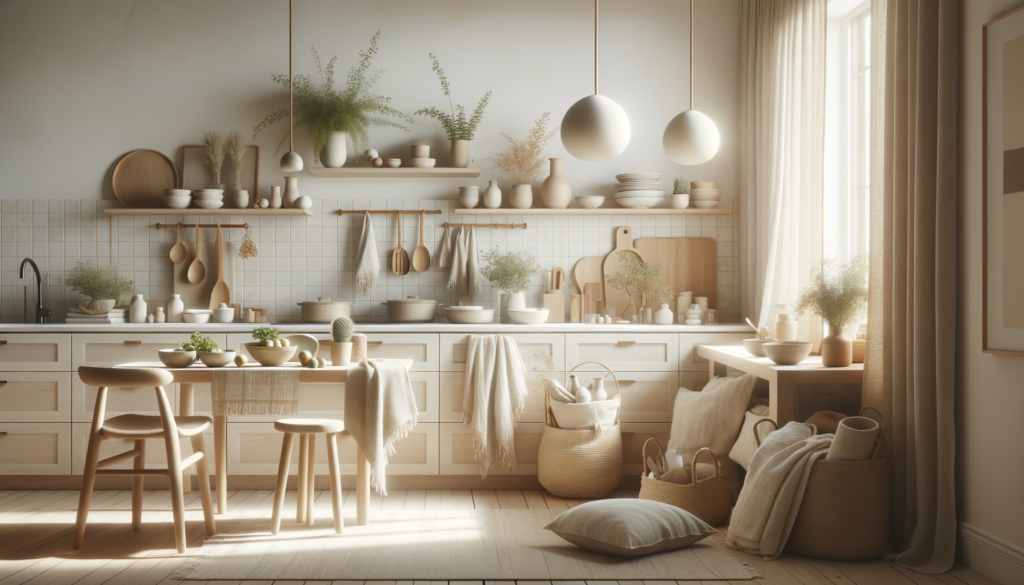
Many kitchens feel cramped and cluttered, with too many utensils and mismatched surfaces making it hard to find calm amidst routine cooking. This works especially well in a rental-friendly kitchen when limited storage is an issue because it helps to simplify the look and enhance function.
Today you will learn what small changes can upgrade your space into a warm minimalism haven that supports a calm cooking space. You will see practical shifts to reduce clutter and choose items that offer both beauty and practicality.
Choosing the Right Materials
The kitchen counter often shows signs of daily wear, and many homeowners find that the surface texture feels too cold or uninviting. In a small apartment, the natural surface of a wooden countertop can warm up the space and lead to a more relaxed feel. If you choose a natural material then your kitchen will feel more connected to home comforts and invite a gentle sense of calm. Unlike synthetic finishes that may feel harsh, natural materials offer subtle textures that look lived-in and soft.
The backsplash and countertop may show scratches from daily use, reminding you of how much you rely on this space. If the visual cues feel too busy then opting for unpolished materials helps to reduce glare and maintain simplicity. Compared to high-gloss surfaces, a matte finish creates balance by pulling the eye to the details without overwhelming it. This works because the tactile warmth of wood or stone softens edges and grounds the area.
Many kitchens have worn-out surfaces that dampen the mood, affecting overall functionality. If you notice the surfaces lack character then blending natural textures offers a subtle refresh that revitalizes the everyday with understated beauty. Instead of covering up imperfections with heavy coverings, embracing raw materials encourages a genuine and lived-in feel. Why this works: natural textures lead to a softer look, making functional spaces feel homely.
Simplifying Layout for Better Focus
Crowded work tables and overlapping zones in the kitchen create an environment that feels unsettled and distracting. In many homes, the counter doubles as a storage area and an eating space, which often disrupts the flow of meal preparation. If the layout is overly complex then reducing decorative clutter can open up the area and improve focus. Unlike spaces with too many overlapping functions, a simplified layout directs attention to essential tasks.
In a cramped kitchen corner, items can pile up and split attention between tasks like cooking and cleaning. If the workspace is too busy then design shifts that emphasize clear zones lead to a more manageable routine. Instead of keeping gadgets in every nook, grouping similar items creates visual order that guides movement. Why this works: having defined zones clarifies what belongs where, reducing daily stress.
Kitchen layouts can become chaotic when every surface is used for storage or decoration. If you remove unnecessary items then the streamlined focus helps each cooking step appear less daunting. Compared to a cluttered setup, a simplified design emphasizes intentional spaces for prep and plating. Why this works: the clear division between work areas and leisure spaces ensures that every step in meal prep is supported by calm surroundings.
Handcrafted Interior Kitchen: The Centerpiece
A kitchen that uses handcrafted interior kitchen pieces can transform the everyday cooking routine into something more reflective and measured. In a moderate-sized kitchen, unique hand-finished items combine function with personal touch. If you introduce a handcrafted interior kitchen item then it sets a tone of authenticity that blends everyday use with artisan charm. Unlike mass-produced decor that may look uniform, handcrafted pieces speak to individuality and care.
In a home where every object competes for attention, a single hand-finished item can become the natural focal point. If the atmosphere feels impersonally arranged then incorporating artisanal objects directs the eye and creates a distinct rhythm. Instead of relying on generic pieces that merge into the background, careful selection emphasizes history and craft. Why this works: the tactile appeal of a handcrafted piece brings warmth and personality, drawing subtle focus away from the chaos.
Handcrafted items in the kitchen offer a bridge between functionality and art. If you choose one meaningful piece then the space feels more connected and narrates its own quiet story. Compared to stores with identical decor, a handcrafted interior kitchen element highlights the uniqueness of your own taste. Why this works: detailed work on each piece assures that every item reflects a careful design decision, softening coldness and adding depth to the room.
Artisan Kitchen Objects to Balance the Space
Mismatched utensil holders and irregular ceramics often add visual chaos to a cooking area, leaving surfaces feeling overloaded. In a cozy home setting, a well-chosen artisan kitchen object can counter this dispersed look with a focused point of interest. If your countertops can appear too busy then introducing a crafted ornament provides a balanced counterpoint. Unlike off-the-shelf accessories that blend in, artisan objects add a hand-touched uniqueness that aligns with personal style.
In many kitchens, the visual weight can be uneven, especially when items lack coordination. If you find that one corner seems visually heavier then a deliberately chosen object can counterbalance this by drawing attention in a measured way. Instead of placing multiple small items that conflict with one another, one well-chosen piece serves as a unifying element. Why this works: focusing on a singular crafted object encourages a controlled visual flow and helps the room feel intentionally arranged.
Kitchen counters often suffer from a mix of various knick-knacks that end up jostling for space together. If you remove excess items then showcasing one or two artisan pieces creates a sense of rhythm and draw. Compared to scattered decor, a single, well-chosen object ties the theme together without overwhelming the space. Why this works: a balanced object acts as a visual rest point, preventing the eye from being bombarded by too many cues at once.
How to Avoid a Busy Cooking Area
Crowded countertops and a jumble of small decor items can make even a functional kitchen feel overly busy. In kitchens where meals are prepared in a hurry, the overload of items can interrupt the natural flow of cooking. If clutter builds up then it becomes difficult to focus on essential tasks, turning the space into a series of competing elements. Instead of letting every corner fill with random knick-knacks, choosing a few deliberate items improves clarity and ease.
The sight of many overlapping decorative elements can distract during meal planning and preparation. If multiple objects vie for attention then the work can start to feel demanding rather than enjoyable. Instead of maintaining a haphazard collection that competes for space, selecting a few key pieces clarifies purpose and form. Why this works: a minimal approach anchors the view and reduces visual noise, making the saving of time and effort a daily reality.
Some kitchens have too many items that break the flow of work and relaxation, adding strain to daily routines. If you remove unnecessary pieces then the reduction in visual clutter creates a more inviting atmosphere suited for steady routines. Compared to setups where every surface is used for decoration, a cleaner counter offers space to breathe and work calmly. Why this works: focusing on fewer items means each has its own moment, helping to keep activity and mood in check.
Where this works best
Many homes feature kitchens that double as a space for quick meals and casual socializing, and hard surfaces can make these rooms appear sterile. In rooms with limited storage and high foot traffic, using gentle accent pieces can highlight their usefulness. If you balance decorative items with everyday needs then the kitchen becomes both practical and welcoming. Unlike rooms burdened with repetitive or generic decor, highlighting artisanal elements provides warmth through texture and tone.
Kitchen spaces that serve multiple purposes benefit most from items that have both function and a soft visual appeal. If you integrate a natural texture into a busy space then it forms a visual anchor that directs the flow of movement. Instead of overcrowding surfaces with random curios, helpful additions that focus on natural materials reinforce a relaxed outlook. Why this works: natural accents in flexible spaces ground the design and offer consistency in visual narrative.
Avoid kitchens that try to combine too many styles at once, as they end up feeling jumbled and uninviting. If you follow a clear plan then the overall atmosphere remains true to your intended design direction. Compared to mixed, clashing styles, a focused approach lets each element shine in its own right. Avoid starting with too many competing pieces, which can lead to imbalance in the overall feel.
Styling and placement
Carefully placing each piece in your kitchen can anchor the style without overwhelming the space. Many kitchens suffer when decorative items are haphazardly placed, resulting in visual confusion and disruption. If you position items with intention then every corner works together to support a unified look. Unlike cluttered arrangements, a thoughtful layout offers both functionality and aesthetic appeal.
A balanced composition in a kitchen requires that each object has its own space and clear purpose. If you strategically place pieces then the view becomes more organized and easier to enjoy during cooking routines. Instead of relying solely on symmetry, paying attention to spacing helps create visual interest without chaos. Why this works: placing items with care ensures that they work in harmony, reducing visual noise and enhancing usability.
The kitchen can feel more inviting when decor and functional pieces maintain a clear, intentional placement. If you take time to arrange each element then the whole area reflects the personal touch of careful design. Compared to a random scattering of objects, a deliberate arrangement boosts both efficiency and calm. Why this works: regular spacing and simple presentation allow each piece to stand out on its own while contributing to the overall narrative.
Quick calm checklist:
- natural textures such as wood or stone
- balanced spacing between key items
- soft, neutral palette with occasional warm accents
- consistent focal point for the area
Finding Balance with Natural Touches
There are times when the kitchen suddenly feels off, and the details seem to clash without clear unity. In homes with mixed materials and overlapping functions, small natural touches can offer a new perspective on familiar routines. If you select elements that bring warmth then the area resonates more with your everyday habits. Unlike stark, impersonal surfaces, natural touches bridge the gap between utility and comfort.
This moment often occurs after a long day when the clutter or mismatched pieces no longer hide their impact on the overall calm. In a kitchen that feels disjointed, choosing one grounding element can instantly shift the energy towards coherence. If you embrace a single focal point then the room quickly regains balance and promotes a smoother transition between work and relaxation. Instead of scrambling to add multiple accents at once, focusing on one item works best in restoring order. Why this works: a focal shift based on natural materials redefines the space by softening hard edges and drawing attention away from disorder.
The decision moment comes when you pause during meal prep and sense that the flow is disrupted by too many competing details. If you start to feel that the kitchen is not quite aligned with your vision then it may be the right time to simplify. Compared to a busy setting, an intentional reduction in decor elements paves the way for personal expression through a single, crafted statement. Why this works: clarity in visual cues makes the space feel more under control and less cluttered.
A typical error is to layer too many textures and decorative items on the work surface, which creates visual competition and disarray. Often, a homeowner finds that despite many efforts, the countertop still appears busy, leaving the space feeling heavy and uninspired. If you clear away superfluous items then the air of calm grows, allowing each piece to matter. Unlike overloaded settings, streamlining the decor proves effective by reducing distractions and letting natural touches shine.
The benefit of this clear approach is immediate: the room feels calmer, more balanced, and easier to live in. Save this idea for later.
For this kind of setting, the
Payag Recycled Glass Vase
adds quiet structure and warmth while keeping the room balanced.
Final touches for a warm space
Final adjustments in a kitchen can make a strong difference by ensuring every object has its proper place and purpose. In spaces where details come together gradually, settling on one or two preferred accents can tie the entirety of the design together seamlessly. If you give attention to the last elements then a subtle sense of continuity emerges that gently elevates quiet moments. Instead of rushing this phase, taking time to balance colors and materials creates an environment that feels carefully crafted. Why this works: thoughtful finishing touches ensure that the space remains both functional and inviting with every use.
Some kitchens have stubborn corners or unused surfaces that carry leftover clutter, distracting from the overall calm. If you identify even the smallest misplacement then reassessing the layout helps restore order and a sense of well-being. Compared to a hurried cleanup, a measured final touch refines and solidifies the vision of warm minimalism. Why this works: each minor adjustment builds on the foundation of careful planning and provides a consistent mood throughout the day.
Small, deliberate changes remind us that every chosen piece, from a simple vase to a handcrafted bowl, plays a role in crafting a space that feels both personal and functional. If you commit to keeping your choices simple and meaningful then the kinetic flow of your kitchen improves noticeably. Instead of continuing with mismatched items that disrupt visual harmony, a thoughtful reevaluation sets the stage for a lasting transformation. Begin by taking one small step toward reordering your space, and see how a simple focus can create an inviting atmosphere.
Explore more calm combinations inside our
Shop The Look
.