

Minimal seating areas prioritise comfort and calm by removing excess furniture and letting each piece serve a deliberate purpose. In small spaces, thoughtful arrangement of a few well-chosen seats, natural materials, and considered spacing creates a serene refuge that feels both functional and restful without overwhelming the room.
In a modest living room with a narrow window and abundant natural light, this works especially well in a small living room when space feels confined because well-chosen comforts create a serene escape. Intention guides every selection here, offering a slow unfolding of calm and subtle beauty that truly transforms everyday routines.
The Art of Minimal Seating
In the realm of interior design, the art of minimal seating calls for more than simply removing excess furniture; it is a meditation on space and light. Soft natural tones blend with gentle architectural lines to create a quiet environment where every piece finds its purpose. The simplicity encourages a measured pace for daily life, allowing homeowners to engage meaningfully with each element of the space.
Minimal seating areas emphasize the importance of thoughtful arrangement, and this works especially well as each carefully curated spot invites uninterrupted instances of reflection. By reducing clutter, the room breathes more freely, and every item is allowed to shine with understated elegance. This clarity in design creates a silent dialogue between form and function.
In practice, a living space arranged with minimal seating areas allows family members and guests to experience moments of pause, whether reading by a window or engaging in hushed conversation. The flow is designed to stimulate both aesthetic pleasure and practical comfort. A well-placed set of chairs, for example, can be the perfect invitation to settle by the calm light of dusk.
Curating a Calm Furniture Layout
Developing a calm furniture layout means embracing spaces where each piece is granted its own quiet corner, cultivating a measured pace amidst modern living. A thoughtful layout prioritizes natural pathways and refined simplicity, where furniture is neither crowded nor overbearing. The intentional spacing supports a rhythm that gently guides daily activities without the rush of excess details.
The principle behind this method focuses on balance: when each item is given enough room to breathe, harmony ensues, and the home blossoms into a sanctuary of relaxed efficiency. This approach works because the removal of redundant pieces clarifies the spatial narrative, enhancing comfort and ease. Creating room to breathe naturally elevates the overall feel of the home.
Everyday application of a calm furniture layout can be as simple as repositioning a sofa to face a sunlit window or aligning chairs with soft rugs to form intimate conversation clusters. Homeowners can experiment with shifting elements to discover unexpected interactions between light and shadow.
Quick calm checklist:
- Natural textures such as cotton and linen
- Considerate spacing between seating pieces
- Low contrast color palettes
How to Arrange Minimal Seating Areas for Everyday Calm
Arranging minimal seating areas for everyday calm involves slow observation and deliberate decision-making, entailing an approach rooted in less is more. The process starts by visualizing spaces that speak to both practical needs and the desire for a quiet reprieve from everyday stress. This mindfulness opens up each room to new potentials where every seating spot contributes to an atmosphere of serenity.
Designers suggest that by focusing on the essentials, one can establish focal points that gently command attention rather than overwhelm it. This works because removing visual noise often allows for better appreciation of the available natural light and subtle textures. Embracing scarcity in seating allows life to be celebrated in its most understated hues.
In a typical home, this might translate to positioning a single, elegantly designed chair near a bookshelf or under an inviting window. Such careful placements transform mundane corners into tranquil retreats perfectly suited for a thoughtful read. The outcome is a living area that welcomes moments of pause and quiet reflection.
Where this works best
This approach thrives in spaces like compact urban apartments, small living rooms, or cozy dens, where spatial constraints demand intentional design choices. Rooms bathed in diffuse light and framed by natural textures are ideal environments to experience the full benefit of streamlined comfort. The method is particularly effective in areas where each piece of furniture must justify its presence by enhancing usability and aesthetic calm.
In everyday life, consider placing minimal seating in a reading nook or beside a large window to deepen the connection with nature; these placements transform routine moments into small, cherished rituals. The deliberate selection and arrangement of seating encourage a functional yet poetic balance, suitable for both afternoon tea and reflective solitude. Each decision reinforces the idea that order and beauty work hand in hand to produce spaces rich in quiet energy.
Avoid overcrowding the area with excessive decor that competes with the intended simplicity, as this can undo the ambiance that minimal seating areas aim to achieve.
Designing with Natural Materials
The use of natural materials in design creates a tactile dialogue between the organic and the refined, infusing spaces with a timeless comfort. Embracing wood, cotton, and stone, designers craft environments where textures resonate with authenticity and warmth. The subtle interplay of rough and smooth surfaces invites both touch and reflective admiration, providing a sensory richness that is both gentle and evocative.
Natural materials work because they inherently harmonize with their surroundings; when paired with minimal seating areas, each component seems more intentional and resonant. This connection is evident in the way rough-hewn textures or smooth cotton fabrics can ground a room, allowing light to play over their surfaces and enhance the subtle architecture of the space. Choosing organic materials fosters a nurturing atmosphere that feels both honest and timeless.
In practical terms, incorporating natural elements might mean selecting a wooden coffee table to accompany a modest chair or layering soft cotton throws over a simple fabric sofa. These choices bring warmth and tactility to everyday living, turning routine seating into experiences of quiet delight. The integration of these elements is most effective when placed in corners that receive abundant natural light.
A common issue many homes face is an imbalance in texture, often leading to spaces that feel either too sterile or overwhelmingly busy. Many households miss the mark by layering synthetic materials which lack the calming depth of tactile warmth. This subtle disconnect is most noticeable in intimate spaces where the absence of genuine texture undermines the room’s ability to nurture a sense of calm.
This tangible transition is marked by an immediate enhancement in the room’s visual and sensory rhythm; introducing harmonious natural materials relieves the disjointed feel that too many artificial surfaces can cause. Use this setup as a reference.
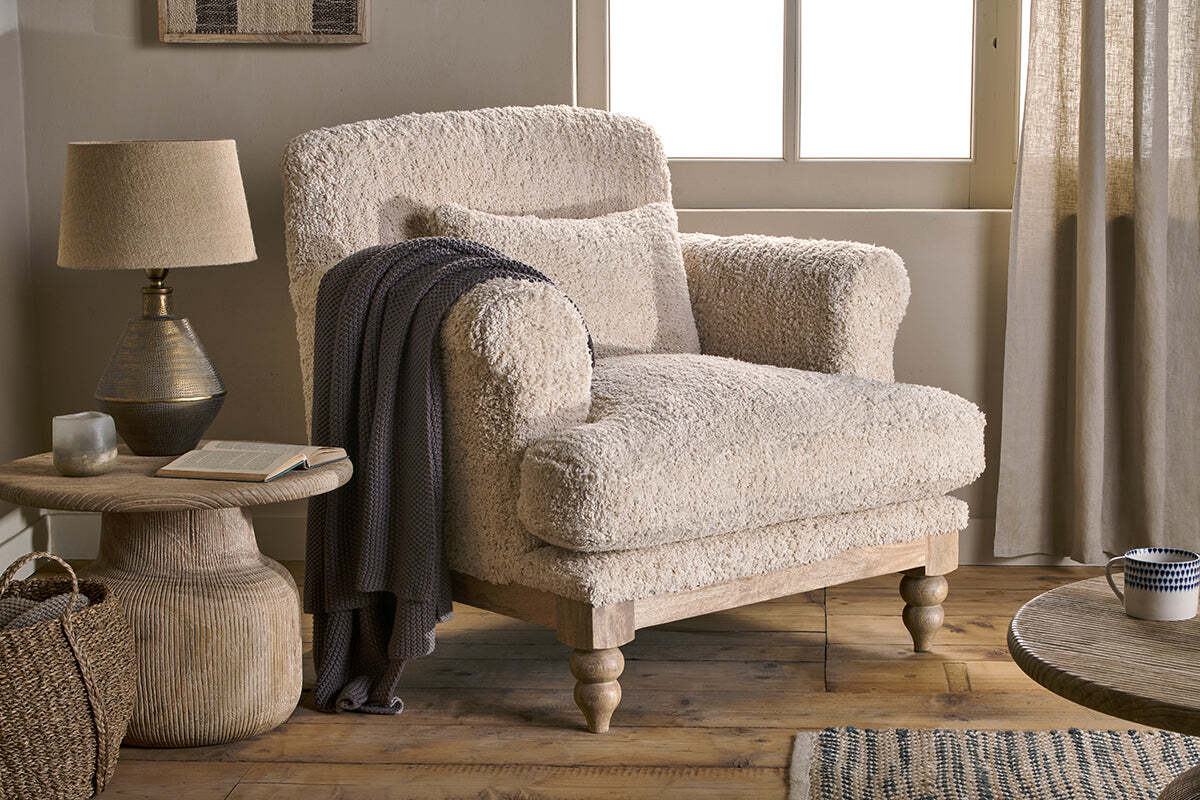
Otas Teddy Cotton Armchair – Off White
adds a soft, enveloping seat that anchors a calm corner without crowding the room.
Incorporating Quiet Seating Ideas
Quiet seating ideas invite an exploration of spaces where subtlety and solitude converge to create havens of repose. The gentle melding of understated design and carefully chosen seating transforms ordinary rooms into sanctuaries of personal retreat. Through soft hues and balanced arrangements, every element contributes to a sense of serene belonging.
Implementing this concept is effective because it creates a space where external chaos is filtered, allowing careful introspection and mindful presence. The design principle is rooted in the calm balance between light, texture, and space, ensuring that each chair or bench does not merely occupy space, but actively enhances the overall ambiance. Integrating quiet seating ideas ensures an inviting landscape that supports personal reflection and measured harmony. For further inspiration, this link is useful: quiet seating corners comfort.
In daily scenarios, choosing a quiet spot by a window or in a secluded corner of the living room nurtures relaxation while maintaining practicality. Homeowners find that in moments of solitude, having a designated, undisturbed seat can transform the routine into a cherished pause. The strategy is best implemented when placing these seating choices in low-traffic areas that benefit from natural light and privacy.
How Minimal Seating Areas Enhance Living Room Comfort
Minimal seating areas have the unique ability to enhance the comfort of a living room by stripping away the superfluous and emphasizing essential elements. A focus on minimalism allows each piece of furniture to contribute individually to a harmonious and uncluttered environment. This refined approach fosters not only aesthetic balance but also a deeper level of practical comfort that welcomes both relaxation and mindful engagement.
When intentional gaps and soft arrangements are prioritized, the resulting space is both inviting and manageable, addressing modern demands while nurturing a serene mood. This works because reducing distractions encourages focused attention on quality materials and the natural interplay of light and shadows. The selective use of seating ultimately infuses a room with a quietly confident energy that feels both deliberate and comforting.
In a busy household, applying this principle might involve designating a single armchair or a carefully chosen set of low-profile seats that complement the room’s natural flow. The benefits become palpable on crisp mornings when sunlight spills over a clear, uncluttered surface, enhancing daily enjoyment. Such thoughtful arrangements prove most effective when centered around areas that invite conversation and calm reflection.
Establishing Minimal Living Room Comfort
Establishing minimal living room comfort begins with a clear vision for a space
Common questions
What makes minimal seating areas work well in small living rooms?
In a modest living room with a narrow window and abundant natural light, this works especially well in a small living room when space feels confined because well-chosen comforts create a serene escape.
How does reducing furniture clutter improve a room?
By reducing clutter, the room breathes more freely, and every item is allowed to shine with understated elegance.
What types of natural materials should be used in minimal seating design?
Embracing wood, cotton, and stone, designers craft environments where textures resonate with authenticity and warmth.
Where do minimal seating areas work best in a home?
This approach thrives in spaces like compact urban apartments, small living rooms, or cozy dens, where spatial constraints demand intentional design choices.
Free guide
The Calm Shelf
12 styling ideas to help you compose calm, balanced shelves in natural texture homes.