

Mess at the front door happens fast. Even when you try to keep up, it is common for hallway rugs to slide, look worn, or show marks in places people walk the most. The choice becomes clear when you compare jute versus sisal rugs for high-traffic hallways: each reacts very differently to the everyday demands of a busy entry or corridor.
Today you will find out which fibre handles spills, dirt, and repeated footsteps better, and how to avoid common hallway mistakes. This works especially well in a narrow apartment hallway when the runner stays flat underfoot because the natural grip makes every step safer and softer.
The short version: When you compare jute versus sisal rugs for high-traffic hallways, sisal delivers higher durability and cleaner wear, while jute feels softer but marks and crushes faster. The right rug choice means a hallway that stays smarter, looks tidier and requires less effort day to day.
Key takeaways
- Sisal runners suit heavy traffic because the fibres spring back and hide marks well.
- Jute rugs offer a gentler texture but stain and flatten faster under busy use.
- Always check the use label for “commercial” or “domestic heavy” before picking a natural fibre runner.
- Underlay protects both jute and sisal rugs from sliding and wearing thin on wood or tile floors.
- The best jute rugs cost less but usually need replacing sooner in a hallway than sisal.
- Where this works best
- How does hallway traffic affect natural fibre rugs?
- Is sisal or jute easier to keep clean in a hallway?
- Compare jute versus sisal rugs for high-traffic hallways: A direct breakdown
- Styling and placement
- What’s the best underlay for jute and sisal in halls?
- How do you choose between softness and strength?

Where this works best
Jute and sisal rugs both suit hallways with plenty of movement, but each behaves differently if feet are wet, the lighting is low, or shoes are common indoors.
Busy homes often see the highest pace in the hall. Doorways, narrow spaces and sharp corners all put extra stress on any floor covering, which exposes fibres to fast wear. A hallway runner faces the kind of use no bedroom or living room rug sees.
In small rental flats, a rug must grip tile or wood, hide grit, and avoid tripping edges. Hallways with outside doors amplify the challenge: weather comes in, shoes track in mud, pets rub past. Natural fibres can handle this, but they age differently.
Avoid putting the softest jute rugs directly inside a mudroom or back door. Unlike thicker sisal or tightly-woven jute designed for “high-use,” a weaker runner goes flat and stains quickly where dirt and water enter most.
Choose a rug for your front or central hallway that matches the level of use, not just colour or price. Runners made for entryways keep their shape and colour longer, even when real life gets messy.
How does hallway traffic affect natural fibre rugs?
Foot traffic in hallways crushes, scuffs, and sometimes stains natural fibre rugs at a faster rate than in most other rooms.
The more people pass through, the faster a jute or sisal runner will show changes: paths flatten, edges curl, marks build up where feet turn corners. Even a sturdy weave collects dust or gets pressed flat if hallway use is constant.
Jute fibres tend to mat down in wide traffic paths, especially if family members or pets follow the same route daily. Sisal holds its height better, resisting crushing under weight due to its firmer texture, according to verified sources.
A bare hallway floor gets cold, loud, and slippery. Instead, a low, dense runner muffles sound and slows down the scuffing that happens in empty spaces. Jute runners tend to soften the sound but can lose their fresh look faster than a wire-tough sisal.
Plan for the pace of your house. If your hallway sees mostly socks or bare feet, jute will likely do well. For shoes on, school bags, bikes or pets, sisal puts up with much more daily pressure.
Is sisal or jute easier to keep clean in a hallway?
Sisal rugs generally resist spots and stains better than jute in busy halls, though both require regular vacuuming and careful spot cleaning for a long life.
Most hallway rugs take a beating from outdoor grit and spills. Jute rugs, while gentle under bare feet, darken and show water rings quickly. Even small amounts of moisture can leave lasting marks.
Sisal’s tighter fibres refuse to absorb water as fast, making it less likely to stain from shoes or pets. Most spot cleaning works with a stiff brush and a dry approach, rather than wetting and scrubbing, which risks swelling the fibre.
Compared to soft cotton mats, both jute and sisal demand dry cleaning methods rather than soaking. The best jute rugs advertise for “light use” and show the greatest wear when exposed to heavy traffic near a door. Sisal does better with repeated cleaning, holding its shape once cleaned and dried.
A rule of thumb: a hallway runner works best when it is vacuumed at least twice a week and any soil is removed before it sets deep into the natural fibre. If this frequency sounds excessive for your schedule, a more durable sisal might cause less stress.
Compare jute versus sisal rugs for high-traffic hallways: A direct breakdown
Sisal rugs stand out for endurance and structure, while jute offers comfort and calm texture but wears and stains more quickly in hall settings.
The main issues in the hallway are how the rug holds up to steady wear and how it looks after repeated cleaning. When you compare jute vs sisal in this setting, two strengths emerge: sisal is built for punishment, and jute for softness underfoot.
| Feature | Jute Runner | Sisal Runner |
|---|---|---|
| Softness | Gentle on bare feet | Firm, can feel prickly |
| Durability | Crushes and marks later | Springs back, resists flattening |
| Stain resistance | Marks and waterspots easily | Resists stains, easier to spot clean |
| Budget | Lower cost, but shorter lifespan | Costs more, lasts longer |
| Look | Soften, muted texture | Bold, defined weave |
Jute runners may sag or lose their edge after repeated cleaning, while sisal keeps its crisp shape. A tight sisal weave holds up even with shoes and bags, whereas soft jute quickly feels thin under the same use. Both suit neutral palettes, but jute offers more warmth, while sisal leans to a drier, straw look.
For homes where shoes are required off, jute gives a natural, cushioned feel. If a hallway doubles as an entry zone with outdoor mess, sisal’s firm texture reduces cleaning effort and keeps its look for longer.
Still, both rug types should always be paired with underlay in a hallway to stop sliding and uneven wear. You’ll find more details on this in the section on underlay below or in our general material properties guide.

Styling and placement
Hallway rugs work best when scaled to the walking space, simply styled, and laid flat with firm edges for safe foot traffic.
Mixing natural fibres with bare floors often pulls the eye, so aim for one strong runner rather than layering. Keep colours calm: jute suits blond woods and earthy walls, while sisal’s pale gold looks clean next to white or charcoal paint.
Placement matters. A rug that reaches nearly end to end, while leaving a small margin of floor at either side, avoids the “chopped” look of too-short mats. If the runner curls at the corners or bunches near doors, swap for a heavier weave or adjust your underlay.
Strong textures can carry small entry spaces, but avoid adding multiple strong patterns or colours. A mix of jute baskets with a sisal runner can quickly look busy instead of calm. Compared to a bare floor, even a single natural fibre runner adds visual purpose and quiet order.
Quick calm checklist:
- Choose only one runner with a clear border or edge binding.
- Keep the rug a single light colour or two-tone, not multicoloured.
- Check the runner shape matches your hallway, not too wide.
- Avoid overlapping with doormats or boot trays.
- Leave some visible floor at the sides for depth and safety.
For best effect, let the runner anchor your traffic and colour. Limit other décor in the hallway to a wall hook or slim bench nearby, and clear away surplus baskets.
What’s the best underlay for jute and sisal in halls?
A hallway underlay should keep rugs from slipping on wood, tile, or laminate and act as a soft base for heavy use on both jute and sisal.
The wrong underlay lets hall runners slide sideways, fold at the ends, or bunch up along the centre. A dense rubber or waffle-texture mat grips both the hardwood and the rough back of a jute or sisal runner, staying flat through repeated passes.
Compared to thin felt sheets or adhesive pads, a rubber underlay lasts much longer between replacements and prevents damage to finished floors. Weighty sisal and jute runners both benefit here, as the underlay evens out pressure and lifts the rug slightly for airflow, helping both types stay fresher after small spills.
The right grip mat means a rug doesn’t creep under daily load, and corners stay flush to the floor, reducing tripping risk. Always check the use classification for the runner itself and the underlay, as thickness does not equal durability in areas of constant use.
To keep cleaning easy, lift the runner fully to clear dust that sifts through over time, and wash or vacuum your underlay every few months. This step helps both types last longer, saving on replacements as corners often wear first.
How do you choose between softness and strength?
Jute is kinder on bare feet but can show stains and go flat, while sisal gives long life but feels firmer and cooler under step.
For anyone who likes to walk barefoot at home, soft jute makes a gentle start and end to your day. Kids playing on the floor or anyone standing barefoot to answer the front door will notice the natural give underfoot. Jute tends to be the softer choice according to independent tests.
However, families with regular guests, strong pets, or school-age kids bringing outdoor dirt inside are often happier with sisal. The trade-off is feel: a new sisal runner is crisp, sometimes slightly rough, but most people wear socks or shoes in the hall anyway.
Compared to flat weave synthetics, both jute and sisal lend natural pattern that interrupts scuffs and hides light soiling. A rug feels right in the hall when it balances comfort underfoot with a material that puts up with how your home lives each week.
For a guide on measuring and fitting for different hallways, see our how to measure explainer.
There comes a moment, often standing above a worn spot or tugging the edge back into place, when it is clear: the hallway rug is fighting against the room, not serving it. Most people only notice the mismatch once the runner slips or mats, leaving the floor exposed and the space looking messy or rushed.
Sisal and jute both attract for their natural finish and simplicity, but the right choice comes from matching the material to your hallway’s daily pattern, steady feet, shoes on or off, risk of wet spots or muddy shoes. Focusing on placement and material in this one space makes it work reliably every week.
The shift comes when you pick just one well-made runner, match it to the right underlay, and leave open floor at each side for breathing room. Suddenly the hallway looks clear and tidy, no matter how many bags, boots, or guests come through.
Many homes miss this. Too often a hallway mat is thin, slides around, or overflows with pattern, drawing attention to itself and making the entry feel busier than pleasant. The space never feels settled because each piece fights with another.
Once you anchor a jute or sisal runner with the right placement and underlay, the flow changes: shoes land in one tidy spot, grit stays off the wood, and entrances are quieter and softer.
Save this idea for later.
Why sisal and jute stand up to busy hallways
Sisal and jute have proven themselves over thousands of busy homes, in schools, and holiday rentals, not only for their appearance but for the way their textures age. Reviewers and installers both report that sisal keeps its height and edges longer, provided it stays dry and the underlay is renewed, sometimes lasting up to 10 to 15 years, as seen in external testing. Jute, thanks to its softer fibre, fades and flattens faster with water or heavy load, but it wins out wherever people want calm, gentle steps at the expense of strict durability.
Decorators almost always recommend a natural fibre hallway rug for warmth and grip, but they shift their advice: specify sisal for heavy movement or entry, and reserve jute for softer, inside-off zones where comfort means more than toughness. Both work best in a space if their limits are respected, sisal for structure and life span, jute for gentleness and a muted, grown-in look that suits slow-living, calm homes.
Mara, Loom & Glow
Common questions
Is sisal good for a hallway?
Sisal works well for high-traffic hallways because its strong fibres resist crushing and dirt. A sisal runner handles repeated use from shoes and bags better than most other natural fibres, according to design pros. It may feel firm underfoot, but it stands up well over time.
What happens to jute when it gets wet?
Jute darkens and sometimes develops stains or watermarks when it gets wet. The fibres do not handle soaking or repeated spills as well as sisal. For busy entries or spots prone to wet shoes, another rug type usually performs better and lasts longer.
Are jute and seagrass the same thing?
No, jute and seagrass are entirely different plants and fibres. Jute is softer and more cushioned, while seagrass is smoother and more water resistant. Their textures and cleaning needs also differ, so always read about their general material properties before buying.
Is jute good for outdoor mats?
Jute is not good for outdoor mats, as moisture and sun exposure quickly break down the fibre. Even a covered outdoor area does not protect jute enough for regular wet weather. Look to synthetic or specially made outdoor rugs for porches or patios.
Explore more calm combinations inside our Shop The Look .
Shop the Look
A few Nkuku pieces that bring storage and light into a hallway without adding visual weight.
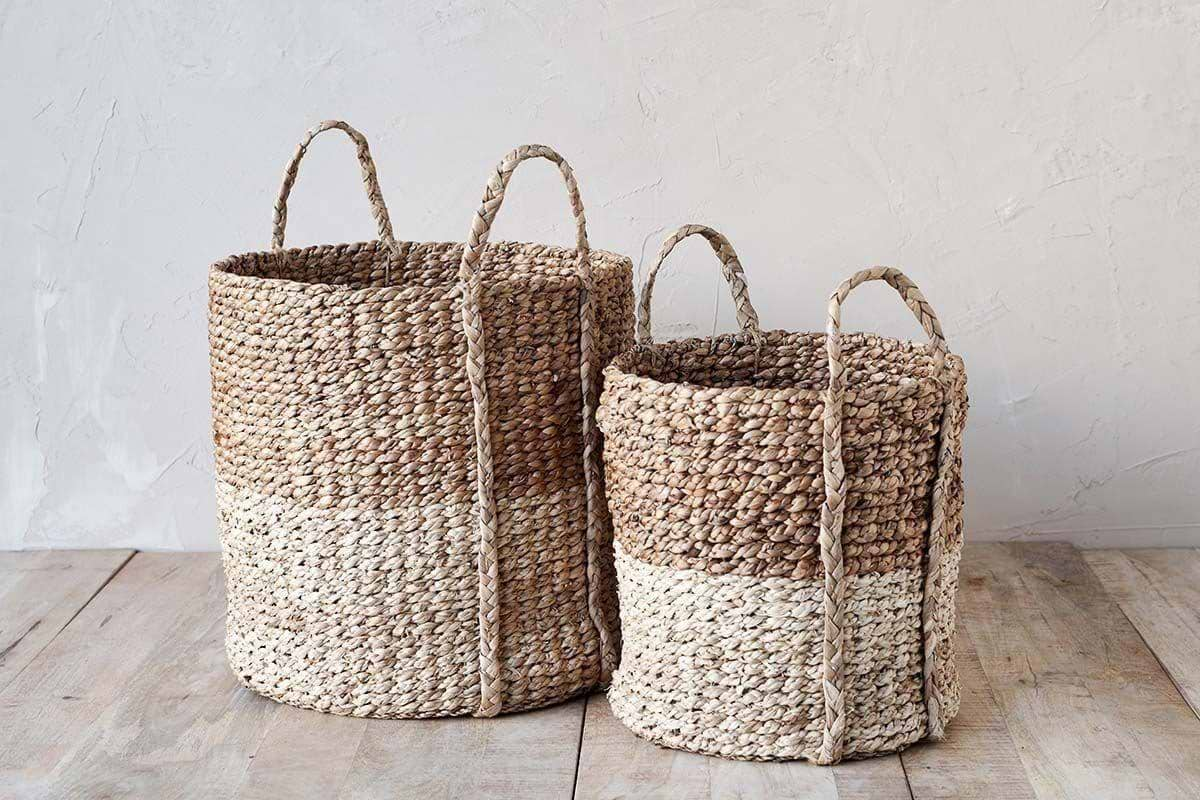
Nkomi Basket
Woven storage with a calm silhouette, works open or tucked under a console.
View at Nkuku →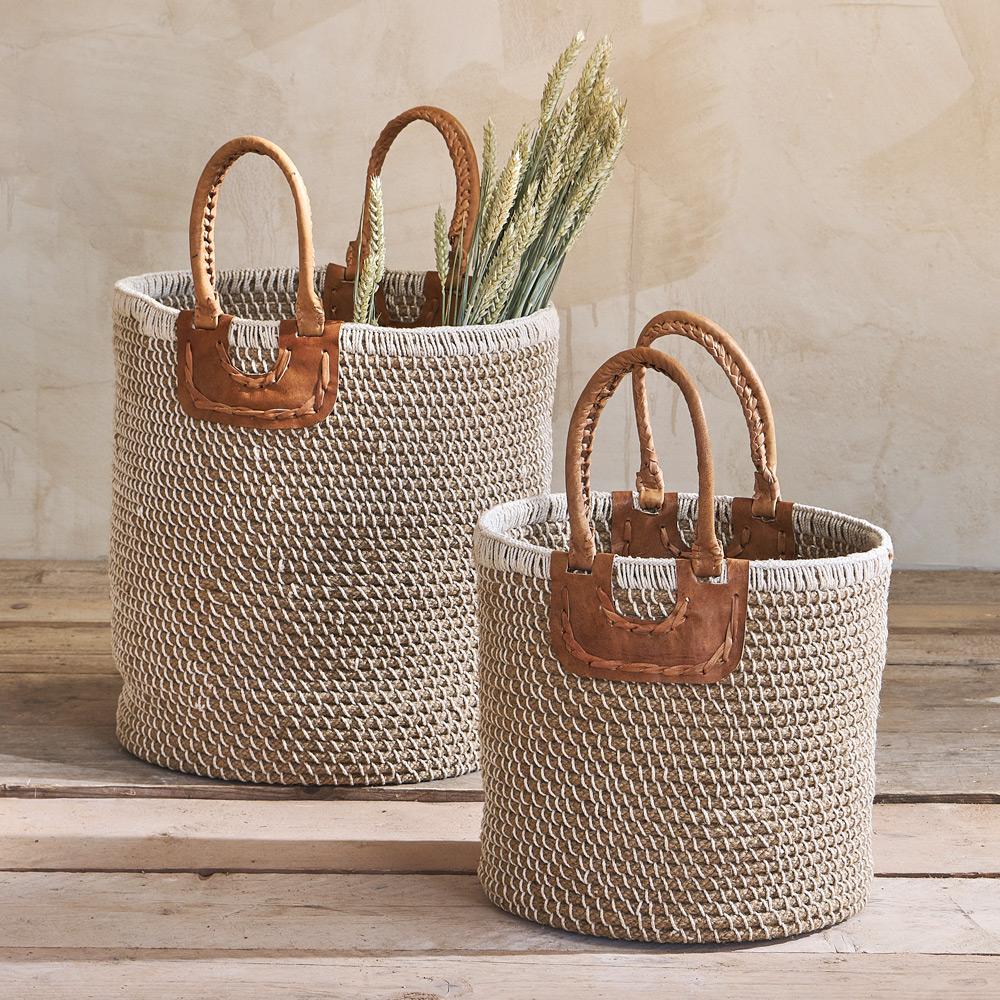
Indra Coil Basket
Natural coil weave, neat enough to leave out, large enough to hide clutter.
View at Nkuku →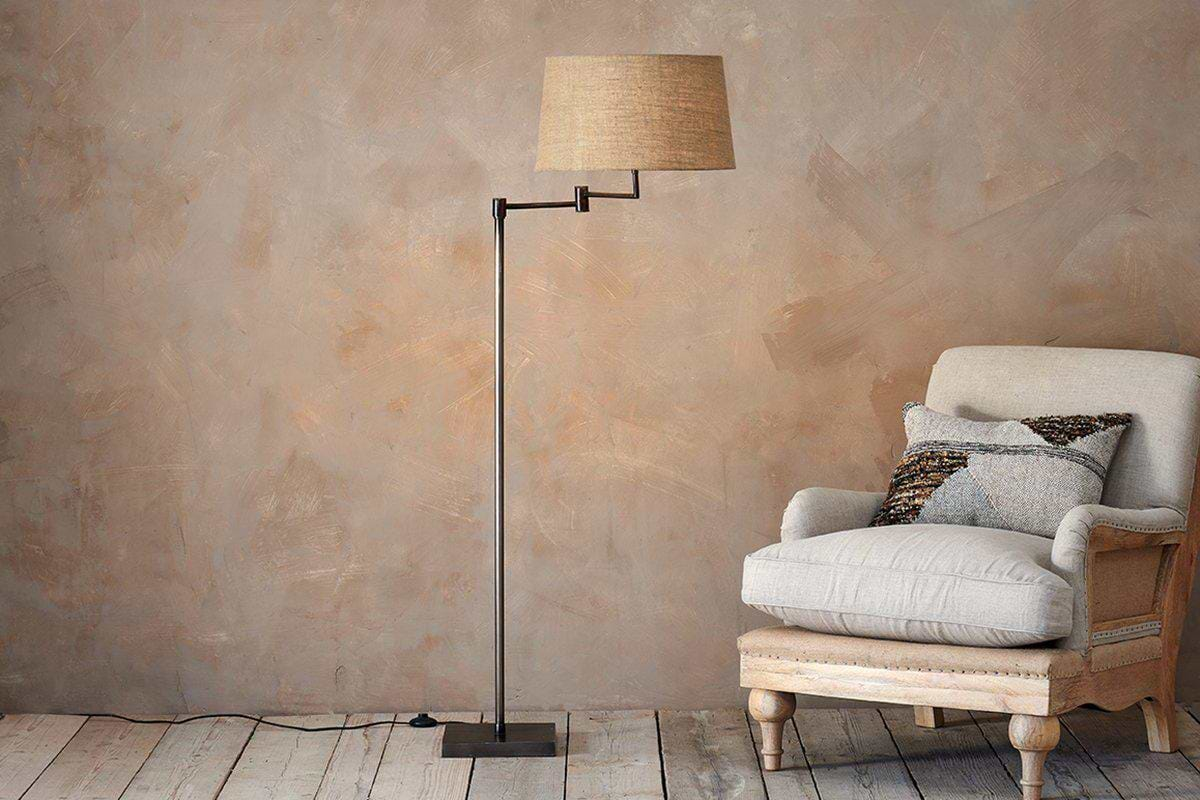
Some links above are affiliate links. If you buy through them we may earn a small commission at no extra cost to you. We only suggest pieces we think fit a calm, lived-in home.
Free guide
The Calm Leaf
12 quiet ways to bring dried botanicals, stems, and natural textures into calm spaces.